
Nutrition comparison
Cornmeal vs Buckwheat Flour: Which Is Healthier for Daily Use?
Compare cornmeal and buckwheat flour on blood sugar impact, protein, fiber, and more. Find out which gluten-free flour is better for diabetes, weight loss, and everyday cooking.
Overall winner · Buckwheat Flour
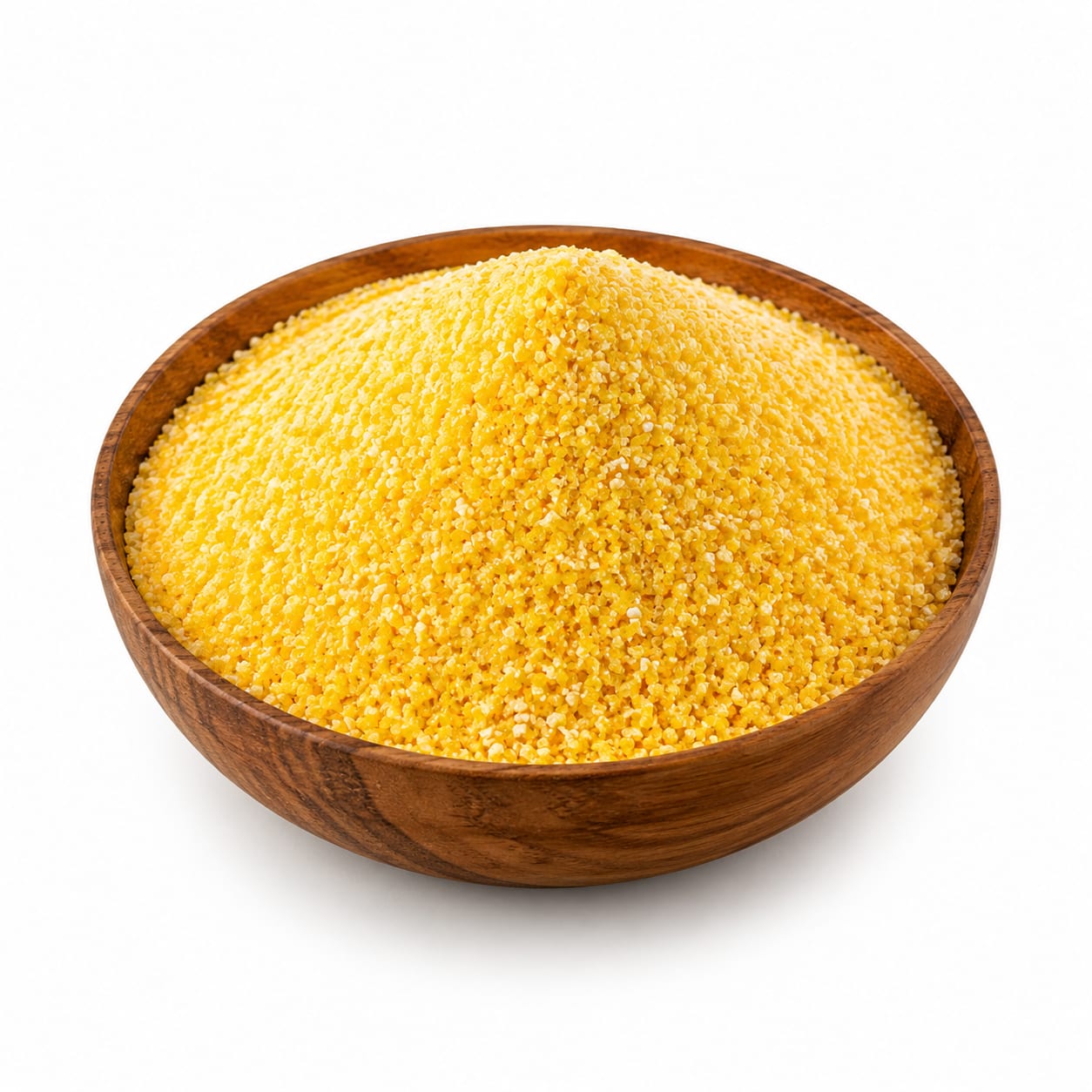
Cornmeal
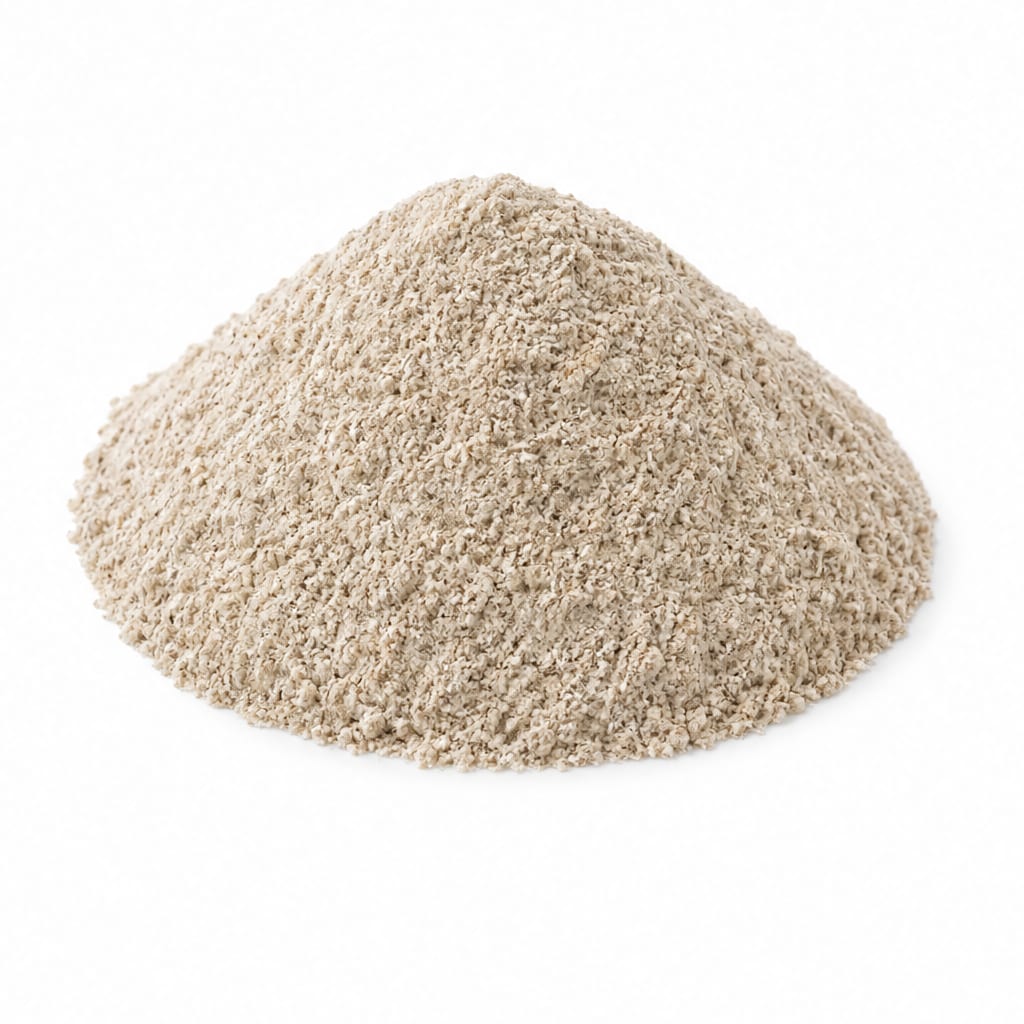
Buckwheat Flour
Buckwheat flour outperforms cornmeal on nearly every nutritional metric, especially blood sugar control and protein quality, but cornmeal wins on familiarity, cost, and recipe versatility.
Buckwheat flour scores significantly higher due to its superior protein, fiber, mineral content, and blood sugar stability. Cornmeal remains relevant for affordability and recipe tradition but falls behind nutritionally.
You trade the comfort and convenience of cornmeal for the superior blood sugar stability, protein, and mineral density of buckwheat flour.
At a glance
Executive summary
Overall
Buckwheat Flour
Healthier
Buckwheat Flour
More practical
Cornmeal
Daily use
Buckwheat Flour
Key comparison lenses
blood sugar management
Both are carbohydrate-dense flours with significantly different glycemic impacts, making this the most critical differentiator
gluten-free baking alternatives
Both are naturally gluten-free, so users are likely choosing between them for GF recipes
nutrient density per calorie
Buckwheat flour delivers substantially more protein, fiber, and minerals per serving
everyday cooking versatility
Cornmeal is more familiar and versatile in standard recipes, buckwheat has a learning curve
GMO and pesticide concerns
Corn is heavily GMO crops in the US, buckwheat is almost never genetically modified
Best choice for
Cornmeal
- Budget-conscious households needing affordable calories
- Traditional Southern or Latin American recipes where flavor authenticity matters
- Picky eaters who dislike earthy flavors
- Beginners exploring gluten-free cooking for the first time
Buckwheat Flour
- People managing diabetes or insulin resistance
- Anyone seeking higher protein from plant-based flours
- Those wanting steadier energy without afternoon crashes
- Home bakers exploring nutrient-dense, rustic recipes
Least suitable for
Cornmeal
- People with blood sugar concerns or metabolic syndrome
- Those seeking high-protein flour alternatives
- Anyone avoiding GMO ingredients
- Individuals prone to carb cravings and energy spikes
Buckwheat Flour
- Those allergic to buckwheat (can be severe)
- People wanting neutral-tasting flour for delicate baked goods
- Shoppers on a very tight budget
- Anyone unfamiliar with its strong, earthy flavor
Deep comparison
Dimension by dimension
Each lens scores both foods and breaks down who each option suits.
- Dimension 1 · Priority 95Buckwheat Flour
Blood Sugar Stability
Cornmeal · 35Buckwheat Flour · 78Buckwheat flour digests slowly and causes gentler blood sugar rises, while cornmeal spikes glucose faster and harder.
Tradeoff
Cornmeal gives quick energy but risks crashes; buckwheat provides steadier, longer-lasting fuel.
Why it matters
Blood sugar swings drive cravings, fatigue, and long-term metabolic damage. This difference alone makes buckwheat the better everyday choice for most people.
Real-world impact
A buckwheat pancake breakfast keeps you full until lunch. A cornmeal-based breakfast may leave you reaching for a snack by 10:30 AM.
Cornmeal
- Pre-workout quick energy when you need fast carbs
- Recovering from intense exercise with depleted glycogen
Better for
- Late-night eating when insulin sensitivity is low
- Sedentary days with minimal calorie burn
Worse for
Buckwheat Flour
- Managing diabetes or prediabetes
- Avoiding afternoon energy crashes
- Sustained focus during long work sessions
Better for
- Immediate post-workout recovery when fast carbs help
- Endurance athletes mid-competition needing quick fuel
Worse for
- Dimension 2 · Priority 88Buckwheat Flour
Protein and Amino Acid Quality
Cornmeal · 28Buckwheat Flour · 82Buckwheat flour contains nearly double the protein and provides all essential amino acids, making it one of the best plant-based protein sources among flours.
Tradeoff
Cornmeal is mostly starch with minimal protein; buckwheat actually contributes meaningfully to daily protein needs.
Why it matters
Protein from flour is often overlooked, but it adds up across meals. Buckwheat helps you hit protein targets without extra supplements.
Real-world impact
Two buckwheat pancakes deliver about 6g of protein versus roughly 2g from cornmeal pancakes. Over a week, that gap compounds.
Cornmeal
- Scenarios where protein is coming abundantly from other meal components
Better for
- Vegans and vegetarians relying on grains for protein contribution
Worse for
Buckwheat Flour
- Plant-based eaters needing every protein source they can get
- Older adults at risk of insufficient protein intake
- Anyone trying to stay full longer between meals
Better for
- Those with buckwheat allergies who must avoid it entirely
Worse for
- Dimension 3 · Priority 82Buckwheat Flour
Fiber and Digestive Health
Cornmeal · 40Buckwheat Flour · 80Buckwheat flour provides roughly double the fiber of cornmeal, supporting better digestion and gut health.
Tradeoff
Cornmeal's lower fiber means less satiety and faster digestion, which can feel lighter but leaves you hungrier sooner.
Why it matters
Fiber is the single most undervalued nutrient. It controls hunger, feeds gut bacteria, and stabilizes blood sugar all at once.
Real-world impact
Buckwheat-based meals feel more substantial and keep you regular. Cornmeal meals may leave you searching for a second helping.
Cornmeal
- Moments when you want a lighter, less filling dish
Better for
- Chronic constipation or sluggish digestion
Worse for
Buckwheat Flour
- Improving digestive regularity
- Supporting a healthy gut microbiome
- Controlling appetite naturally
Better for
- Sudden fiber increase can cause bloating if your gut is not adapted
Worse for
- Dimension 4 · Priority 80Buckwheat Flour
Mineral and Micronutrient Density
Cornmeal · 38Buckwheat Flour · 85Buckwheat flour is rich in magnesium, copper, manganese, and the antioxidant rutin. Cornmeal offers some iron and B vitamins but far less overall mineral diversity.
Tradeoff
Buckwheat is a micronutrient powerhouse; cornmeal is mostly empty carbs with a few fortified additions.
Why it matters
Mineral deficiencies are widespread and silent. Magnesium alone affects sleep, mood, muscle recovery, and blood pressure.
Real-world impact
Regular buckwheat consumption can meaningfully improve magnesium intake, which helps with sleep quality and muscle cramps. Cornmeal does not move the needle much.
Cornmeal
- Situations where iron fortification is the priority
Better for
- Reliance on it as a staple without other mineral-rich foods
Worse for
Buckwheat Flour
- Anyone with low magnesium intake
- People seeking natural antioxidant protection
- Those wanting nutrient-dense calories rather than empty carbs
Better for
- Over-reliance without dietary variety, as no single flour covers everything
Worse for
- Dimension 5 · Priority 72Cornmeal
Versatility and Cooking Familiarity
Cornmeal · 82Buckwheat Flour · 55Cornmeal is a kitchen staple with thousands of familiar recipes. Buckwheat flour has a narrower traditional use and a strong flavor that does not work everywhere.
Tradeoff
Cornmeal fits seamlessly into everyday cooking; buckwheat requires experimentation and pairs best with bold, rustic flavors.
Why it matters
The healthiest flour means nothing if it sits unused in your pantry. Practicality drives long-term dietary change.
Real-world impact
Cornmeal makes easy cornbread, coating for fried foods, and polenta. Buckwheat makes great pancakes and galettes but struggles in delicate baking.
Cornmeal
- Weeknight cooking where speed and familiarity matter
- Recipes needing a neutral-flavored flour
- Coating proteins for frying or baking
Better for
- Anyone wanting to break out of repetitive recipe rotations
Worse for
Buckwheat Flour
- Rustic European-style crepes and pancakes
- Hearty, earthy baked goods like muffins and quick breads
- Blending with other GF flours for nutrient boosting
Better for
- Delicate cakes or pastries where its flavor overwhelms
- Cooking for crowds unfamiliar with its taste
Worse for
- Dimension 6 · Priority 68Buckwheat Flour
GMO and Pesticide Exposure
Cornmeal · 30Buckwheat Flour · 90Most conventional corn in the US is genetically modified and heavily sprayed. Buckwheat is almost never GMO and requires fewer pesticides.
Tradeoff
Choosing organic cornmeal resolves most concerns but costs more. Buckwheat is naturally lower risk either way.
Why it matters
For people avoiding GMOs or reducing pesticide exposure, this is a meaningful distinction that affects purchasing decisions.
Real-world impact
If you buy conventional cornmeal, you are almost certainly getting a GMO product. Buckwheat gives you peace of mind without needing to seek out organic certification.
Cornmeal
- Organic cornmeal options that eliminate GMO concerns
Better for
- Conventional cornmeal is nearly guaranteed to be GMO in the US
Worse for
Buckwheat Flour
- Avoiding GMO ingredients without paying organic premiums
- Minimizing pesticide residue exposure
Better for
- Limited relevance if you already buy organic everything
Worse for
Timeline
Health impact over time
Short-term
Hours to days
Cornmeal
- Quick energy boost from fast-digesting carbs
- Possible blood sugar spike followed by a crash within 1-2 hours
- Lighter stomach feel due to lower fiber content
Buckwheat Flour
- Steady, sustained energy without sharp spikes or crashes
- Greater fullness and satiety after eating
- Possible mild bloating if your body is not used to higher fiber intake
Long-term
Months to years
Cornmeal
- Regular consumption may contribute to insulin resistance if eaten frequently without balancing protein or fiber
- Lower nutrient contribution to overall diet over months and years
- Higher risk of the metabolic consequences of a high-glycemic staple food
Buckwheat Flour
- Improved blood sugar regulation and insulin sensitivity with regular intake
- Better magnesium status supporting sleep, muscle function, and cardiovascular health
- Rutin from buckwheat may support vascular health and reduce inflammation over time
Risk profile
Safety & processing
Both are single-ingredient flours with no additives, but cornmeal often undergoes degermination which strips nutrients, while buckwheat flour is typically whole-grain by nature. Stone-ground cornmeal retains more nutrients but is harder to find.
Cornmeal
GMO exposure
mediumOver 90% of US corn is genetically modified. Choose organic cornmeal to avoid this entirely.
Mycotoxin contamination
lowCorn is susceptible to fungal toxins during storage. Reputable brands test for this, but risk is not zero.
Nutrient loss from degermination
mediumMost commercial cornmeal removes the germ for shelf stability, stripping healthy fats, fiber, and vitamins. Stone-ground retains these.
Buckwheat Flour
Buckwheat allergy
highBuckwheat allergy is uncommon but can be severe and cause anaphylaxis. More prevalent in some Asian populations. Always test cautiously if unsure.
Cross-contamination with gluten grains
mediumBuckwheat is naturally gluten-free but is often processed on shared equipment. Look for certified GF labels if you have celiac disease.
Who wins for whom
Audience fit
Same foods, different winners depending on your goal.
children
It dependsCornmeal is milder and more kid-friendly in taste, but buckwheat offers better nutrition. Mix both or choose based on what the child will actually eat.
daily consumption
Buckwheat FlourBuckwheat's nutrient density and metabolic benefits make it a better daily staple, provided you enjoy the flavor.
diabetes
Buckwheat FlourLower glycemic impact, more fiber, and compounds like D-chiro-inositol in buckwheat actively support blood sugar regulation.
elderly
Buckwheat FlourMagnesium, fiber, and blood sugar stability from buckwheat are especially valuable for older adults managing chronic conditions.
muscle gain
Buckwheat FlourBuckwheat provides more protein and a complete amino acid profile, which supports muscle repair better than cornmeal's minimal protein.
weight loss
Buckwheat FlourHigher protein and fiber in buckwheat flour keep you full longer, reducing overall calorie intake naturally.
Your move
Decision guide
Choose Cornmeal
- You are cooking traditional recipes like cornbread, polenta, or arepas where flavor authenticity matters
- You are on a tight budget and need affordable calories
- You are feeding picky eaters who dislike earthy flavors
- You need quick pre-workout carbs for athletic performance
Choose Buckwheat Flour
- You want steadier energy and better blood sugar control throughout the day
- You are plant-based and need more protein from everyday foods
- You care about micronutrient density and getting more from your calories
- You want to avoid GMO ingredients without paying organic prices
- You are open to exploring rustic, flavorful recipes like galettes and buckwheat pancakes
Either works if
- You are mixing flours for gluten-free baking and want to blend both for balance
- You have no specific health concerns and enjoy both flavors
- You rotate between them for dietary variety
Avoid both if
- You have a corn allergy and a buckwheat allergy (extremely rare but possible)
- You are strictly limiting all carbohydrate intake for ketogenic diets
Final recommendation
Buckwheat flour is the clear nutritional winner and the better choice for daily use, especially if blood sugar management, protein intake, or nutrient density matter to you. Cornmeal remains worth keeping for specific recipes and cultural dishes where its flavor is irreplaceable. The smartest approach: stock both, reach for buckwheat most days, and save cornmeal for the recipes that genuinely need it.
Practical
Consumer tips
- 1
Look for stone-ground cornmeal to avoid the nutrient-stripped degerminated version most grocery stores sell
- 2
Buy organic cornmeal to guarantee non-GMO status without guessing
- 3
Start by swapping half your cornmeal for buckwheat flour in recipes to ease into the flavor
- 4
Buckwheat flour goes rancid faster than cornmeal due to its healthy fat content; store it in the fridge or freezer
- 5
Look for certified gluten-free buckwheat flour if you have celiac disease, as cross-contamination is common
- 6
Buckwheat pairs beautifully with maple, honey, cinnamon, and dark chocolate flavors
- 7
Mix buckwheat flour with a lighter GF flour like rice flour for more balanced texture in baking