
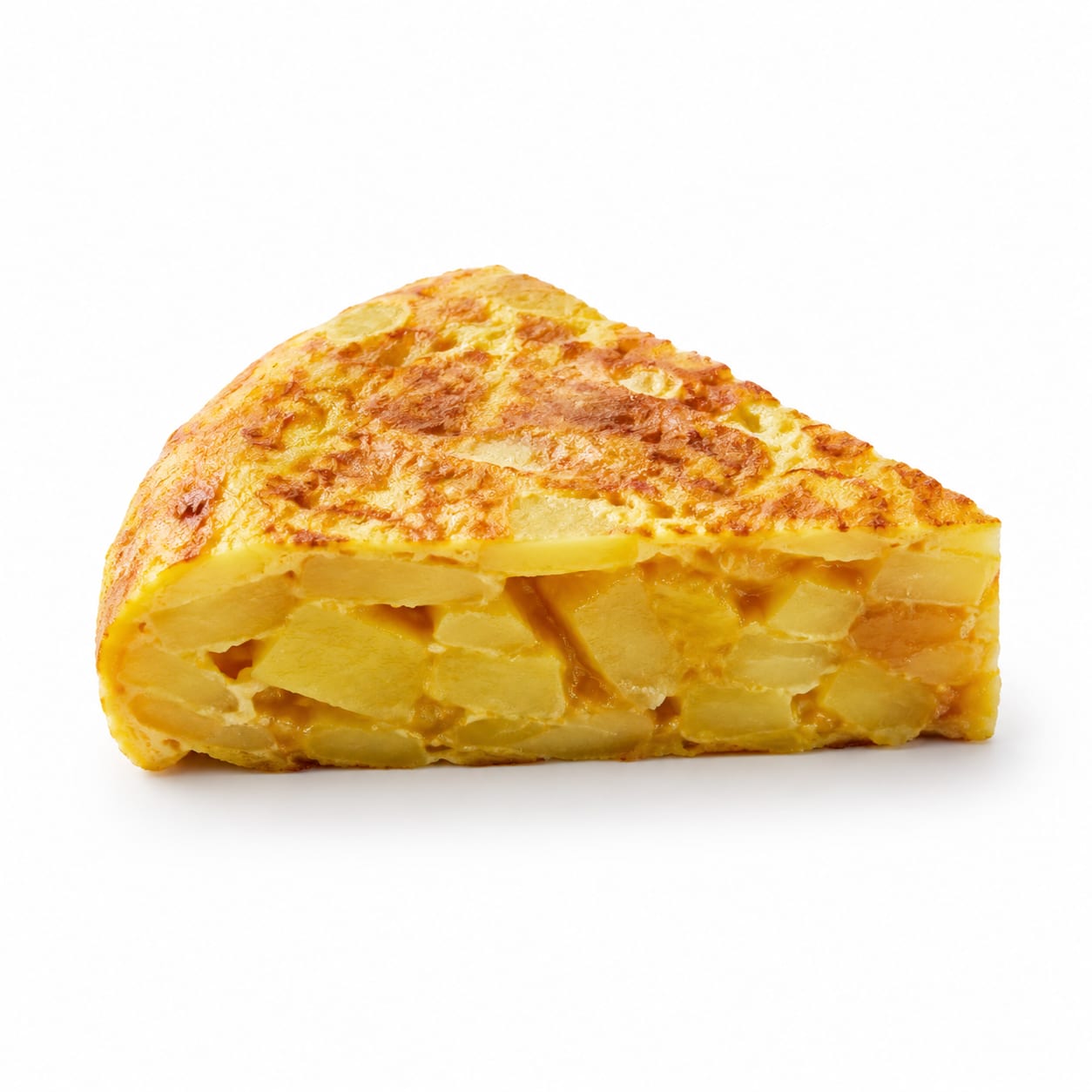
Egg Dish
Tortilla Espanola
A traditional Spanish omelet made with eggs, potatoes, and olive oil.
A traditional Spanish dish made by slow-cooking sliced potatoes and onions in olive oil, then combining them with beaten eggs and cooking until set.
moderate-carb high-fat egg and potato dish
Typical serving · 150g
Common varieties · classic (potato and onion), without onion, with peppers, with chorizo, with spinach
Overall context score across nutrition, safety, and diet fit
The story
What makes it unique
A moderate-energy-density food combining slow-digesting fats and proteins from eggs with starchy carbohydrates from potatoes. The olive oil and eggs provide high satiety, while the potatoes contribute to a moderate glycemic response depending on cooking time and cooling.
Varieties: classic (potato and onion) · without onion · with peppers · with chorizo · with spinach
Per 100g
Nutrition breakdown
Macro balance and key metrics at a glance.
Energy
Density 1.65 kcal/g
Protein
Carbs
Fat
Fiber
Sugar
0.6 g
Sodium
180 mg
Potassium
320 mg
Glycemic index
55
Glycemic load
7
Water content
66%
Standout compounds
Nutrient highlights
Choline
highSupports brain health and memory
Potassium
moderateRegulates fluid balance and blood pressure
Monounsaturated Fat
highPromotes heart health from olive oil
Vitamin D
moderateAids calcium absorption and bone health
Wellness map
Health scores & processing
NOVA processing scale
minimally processed · Whole food
Made from whole, unrefined ingredients (eggs, potatoes, onions, olive oil) with no artificial additives.
Diet compatibility
- Weight loss
- Muscle gain
- Diabetes
- Gut health
- Low carb
- High protein
- Heart health
Relative standing
Food rankings
Qualitative ranks compared to similar whole foods.
- Satietyexcellent
- Blood sugarmoderate
- Nutrient densitygood
- Fitness fuelgood
- Processing qualityexcellent
Eat with confidence
Food safety profile
Low risk when eggs are properly cooked and potatoes are not over-browned to minimize acrylamide formation.
Evidence confidence 90%
- Pesticideslow
- Antibioticslow
- Heavy metalslow
- Contaminationlow
Watch for
- salmonella (raw eggs)
- acrylamide (fried potatoes)
Safer choices
Organic or pasture-raised eggs
Prep tips
Wash potatoes thoroughly before peeling; ensure eggs are fully cooked; avoid frying potatoes until dark brown.
Standard egg handling and potato frying guidelines apply.
Deep dive
Health analysis
How this food may fit different goals and preparation choices.
Weight loss
Can be calorie-dense due to olive oil absorption in potatoes; portion control is necessary for weight loss.
Blood sugar
Potatoes provide a moderate glycemic load, but the fat and protein from eggs and olive oil slow digestion, preventing rapid blood sugar spikes.
Fitness & energy
Provides a balanced mix of carbs for glycogen replenishment and protein for muscle repair, suitable for post-workout meals.
Gut health
Low in fiber, so it does not significantly support gut motility or microbiome diversity.
Processing quality
Excellent whole-food profile with no additives, relying on traditional cooking methods.
Food safety
Safe when eggs are cooked to a safe internal temperature and potatoes are not burnt during frying.
Common mistakes
Assuming it is a low-calorie option just because it contains vegetables and eggs, or comparing it calorically to a plain egg white omelet.
Best preparation
Slow-cooking potatoes in olive oil at lower temperatures, then draining excess oil before mixing with eggs.
Practical guide
Best use cases
When and how this food fits real eating patterns.
Post-workout recovery meal
Provides a balanced mix of carbohydrates to replenish glycogen and protein to support muscle repair.
High-satiety breakfast
The combination of eggs, starchy potatoes, and fat promotes lasting fullness throughout the morning.
Portable protein-rich snack
Easily sliced and eaten cold or at room temperature, making it ideal for packed lunches or picnics.
Meal prep friendly lunch
Stores well in the refrigerator for several days without losing texture or flavor.
Balance sheet
Pros & cons
Upsides
- High satiety from the combination of protein, fat, and starch
- Made with whole, unprocessed ingredients
- Rich in heart-healthy monounsaturated fats from olive oil
- Good source of choline and B vitamins from eggs
- Versatile for any meal of the day
Trade-offs
- Calorie-dense due to oil absorption in potatoes
- Not suitable for strict low-carb or keto diets
- Low in dietary fiber
- Requires careful temperature control to avoid acrylamide in potatoes
Fit check
Who is it for?
Great match
- post-workout recovery
- high-satiety meals
- Mediterranean diet followers
- meal prepping
Consider alternatives
- strict ketogenic diets
- low-calorie diets
- high-fiber diets
Side by side
How it compares
Open the full head-to-head analysis for nutrition, safety, and practical tradeoffs.
This food
Tortilla Espanola
VS90% alike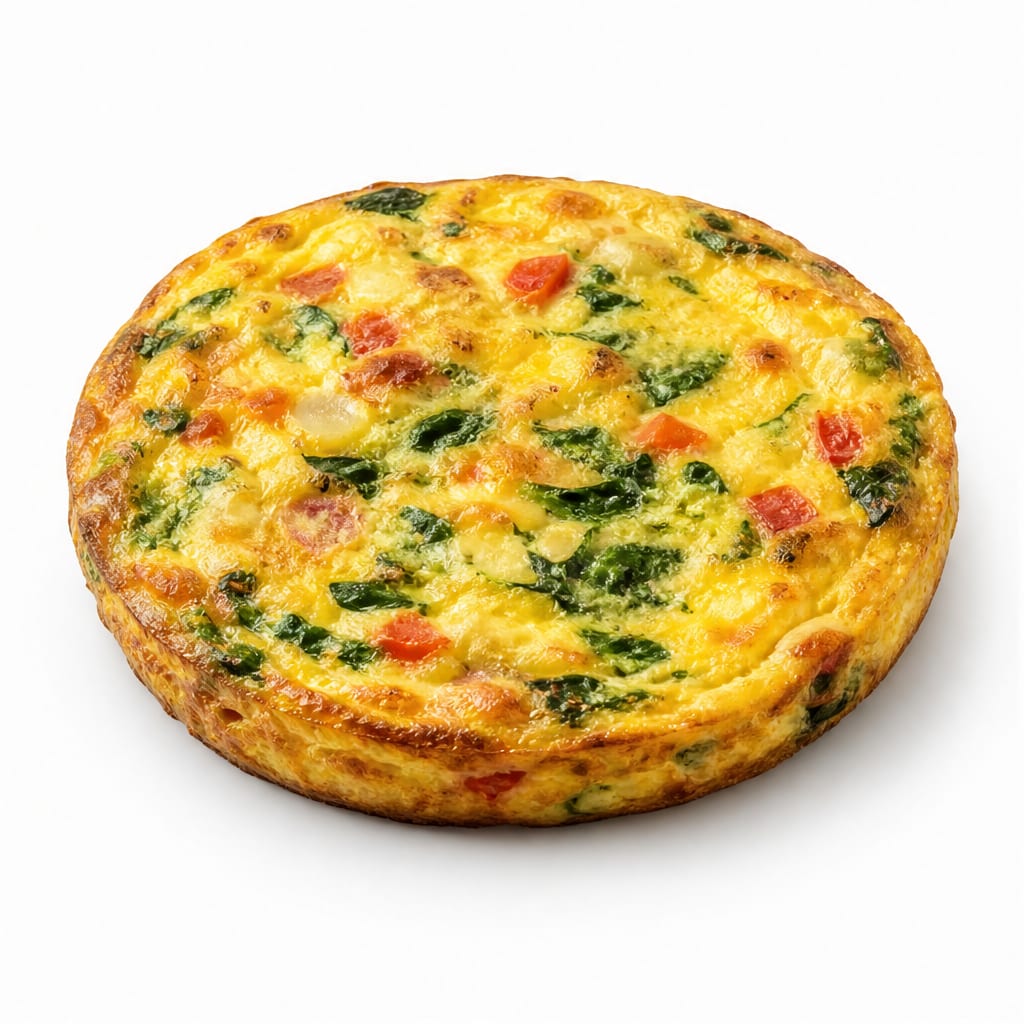
Compare with
Frittata
Frittata is more versatile with vegetables and lower in carbs if potatoes are omitted, while Tortilla Espanola is higher in starch and traditional olive oil.
Frittata offers more low-carb versatility, while Tortilla Espanola provides more starch-based satiety.
This food
Tortilla Espanola
VS85% alike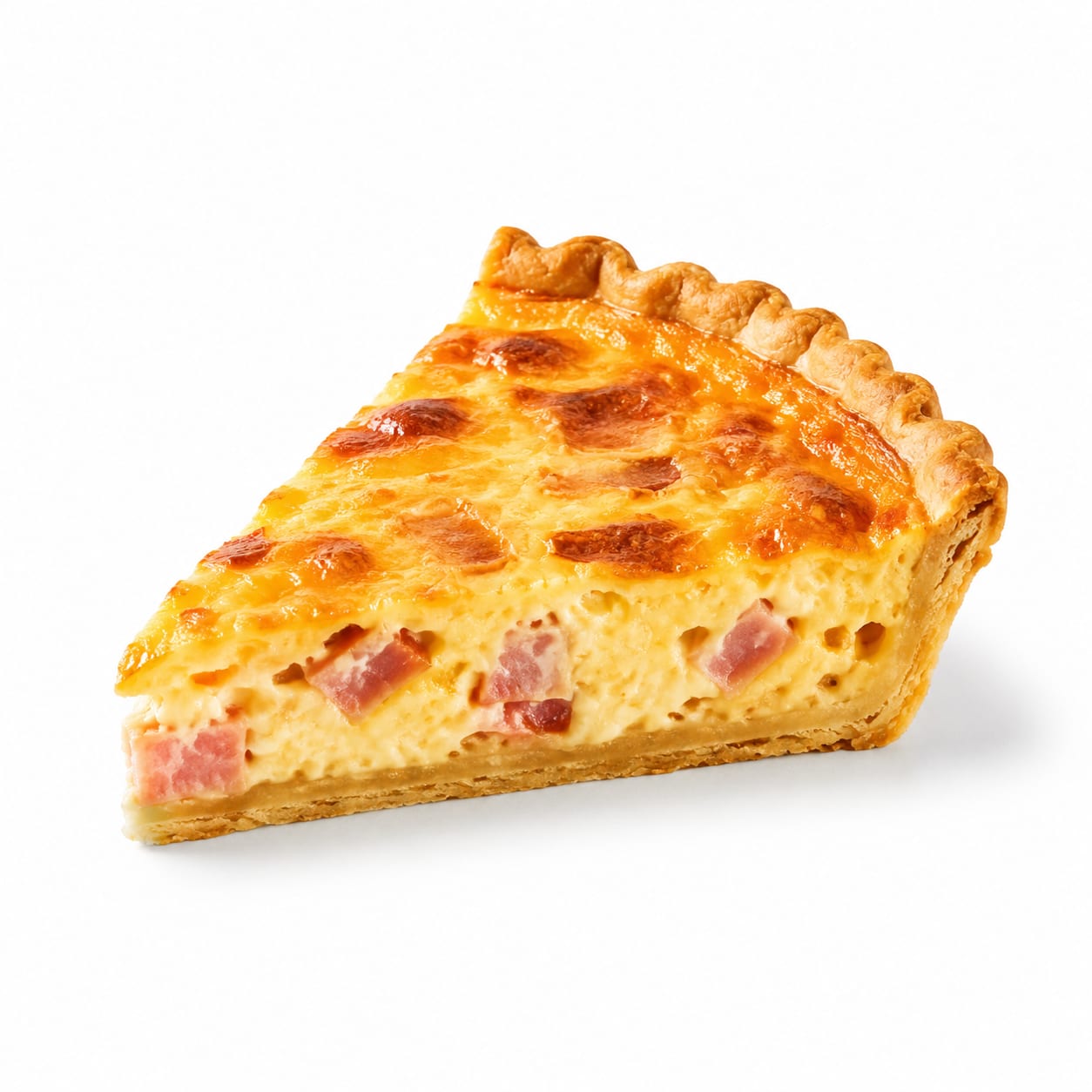
Compare with
Quiche
Quiche contains a pastry crust making it higher in refined carbs and calories, while Tortilla Espanola uses potatoes for structure with healthier olive oil fats.
Tortilla Espanola is lower in refined carbs and calories than quiche, which has a high-fat pastry crust.
This food
Tortilla Espanola
VS75% alike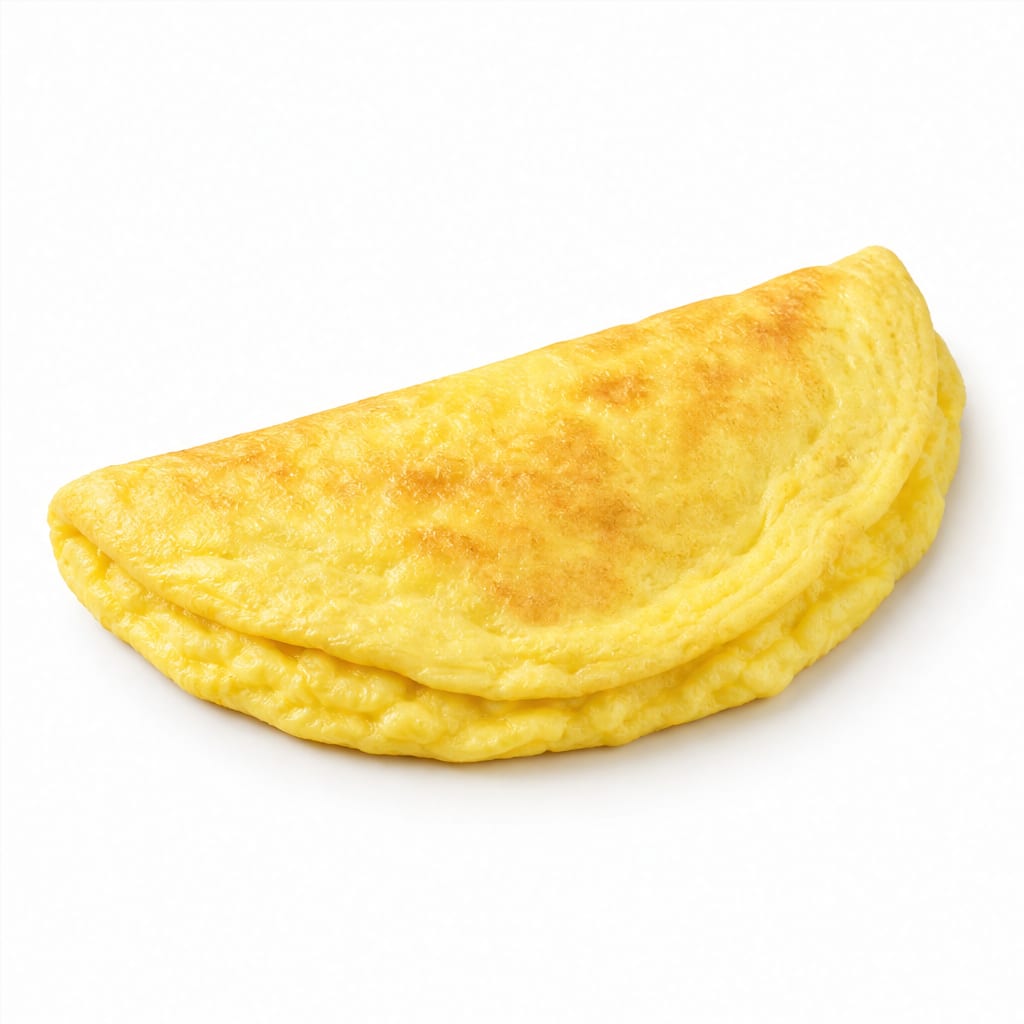
Compare with
French Omelette
French omelette is much lower in calories and carbs since it lacks potatoes, while Tortilla Espanola offers more sustained energy from starch.
French omelettes are lower in calories and carbs, while Tortilla Espanola provides longer-lasting satiety from potatoes.
This food
Tortilla Espanola
VS65% alike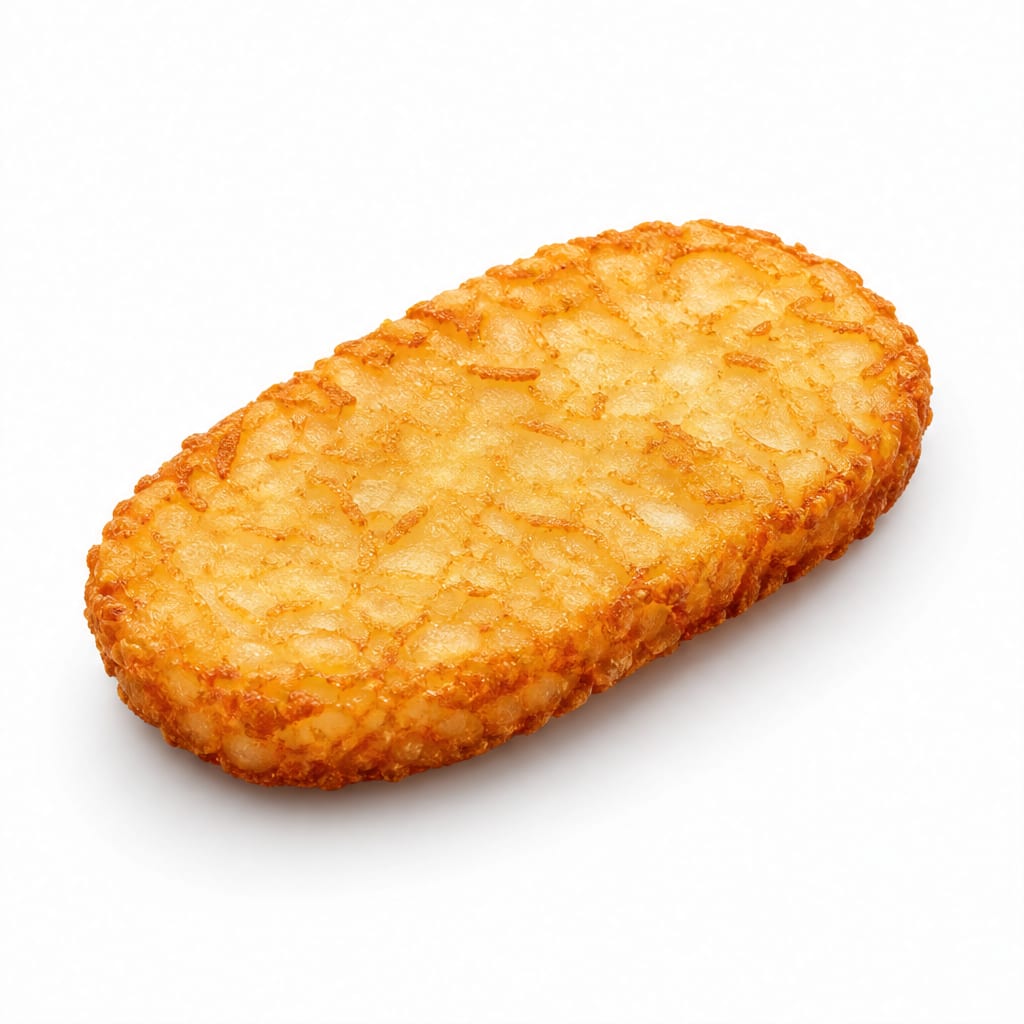
Compare with
Hash Browns
Hash browns are purely fried potatoes with no protein, while Tortilla Espanola adds high-quality protein from eggs, improving satiety and nutrition.
Tortilla Espanola provides far more protein and satiety than hash browns, which lack eggs.
This food
Tortilla Espanola
VS60% alike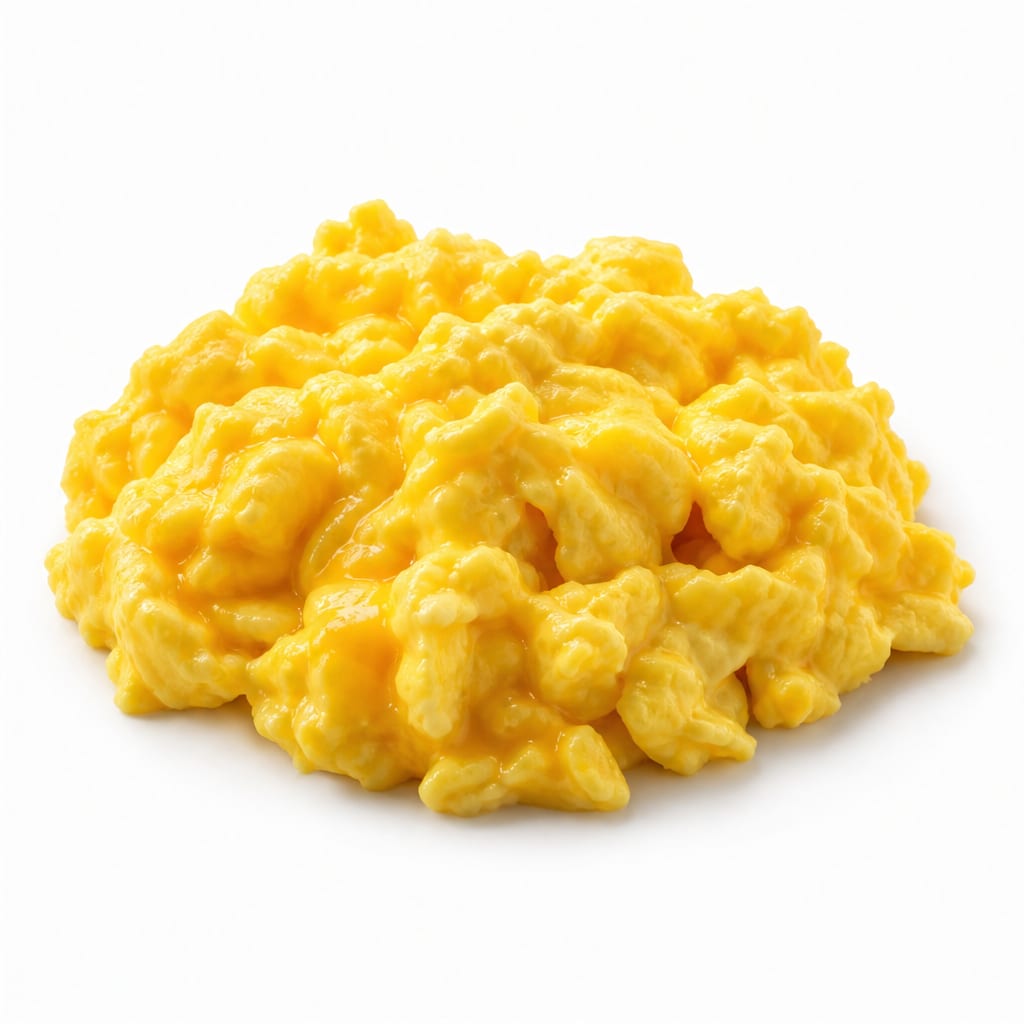
Compare with
Scrambled Eggs
Scrambled eggs are lower in calories and carbs, but Tortilla Espanola is more filling due to the added potatoes and higher fat content.
Scrambled eggs are a leaner, zero-carb option, while Tortilla Espanola is a heavier, more satiating meal.
This food
Tortilla Espanola
VS55% alike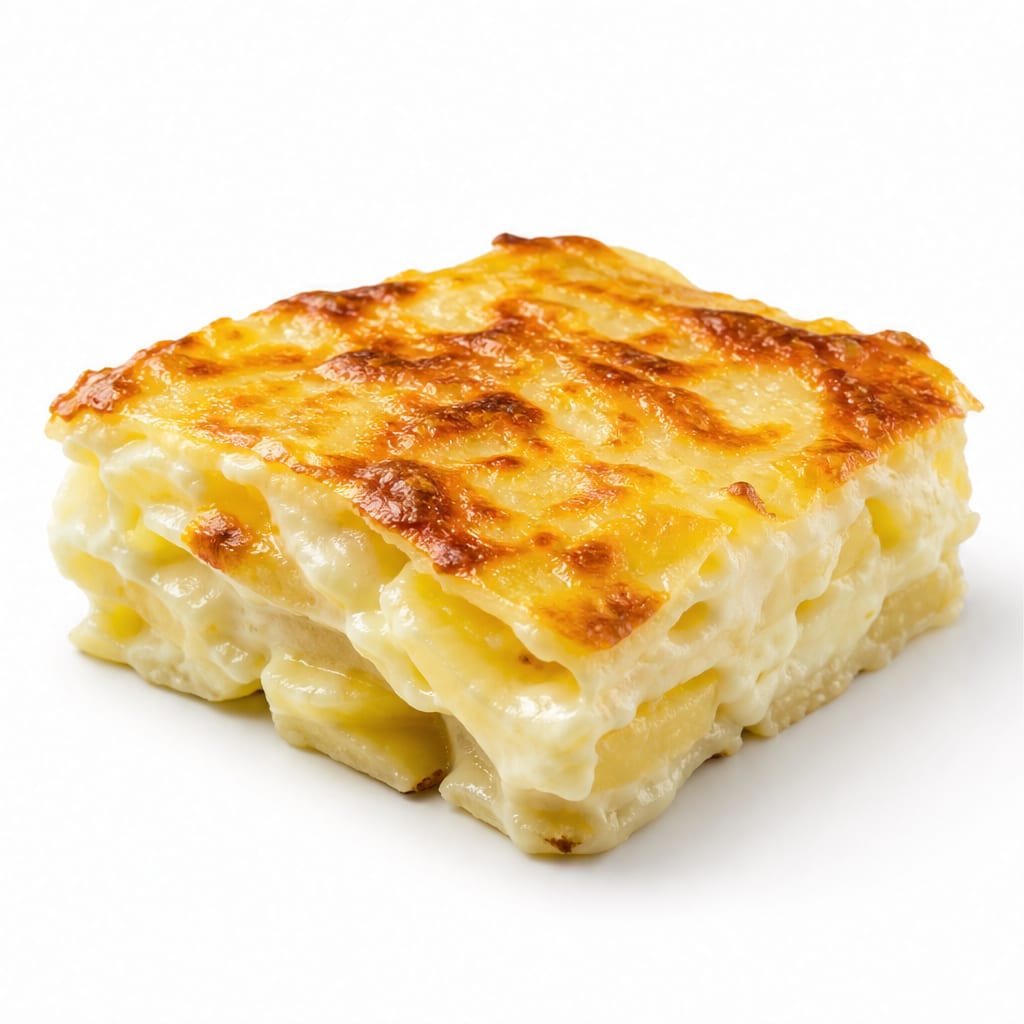
Compare with
Potato Gratin
Potato gratin typically uses heavy cream and cheese, making it higher in saturated fat and calories than olive oil-based Tortilla Espanola.
Tortilla Espanola uses heart-healthy olive oil instead of the heavy cream found in potato gratin, saving calories and saturated fat.
This food
Tortilla Espanola
VS70% alike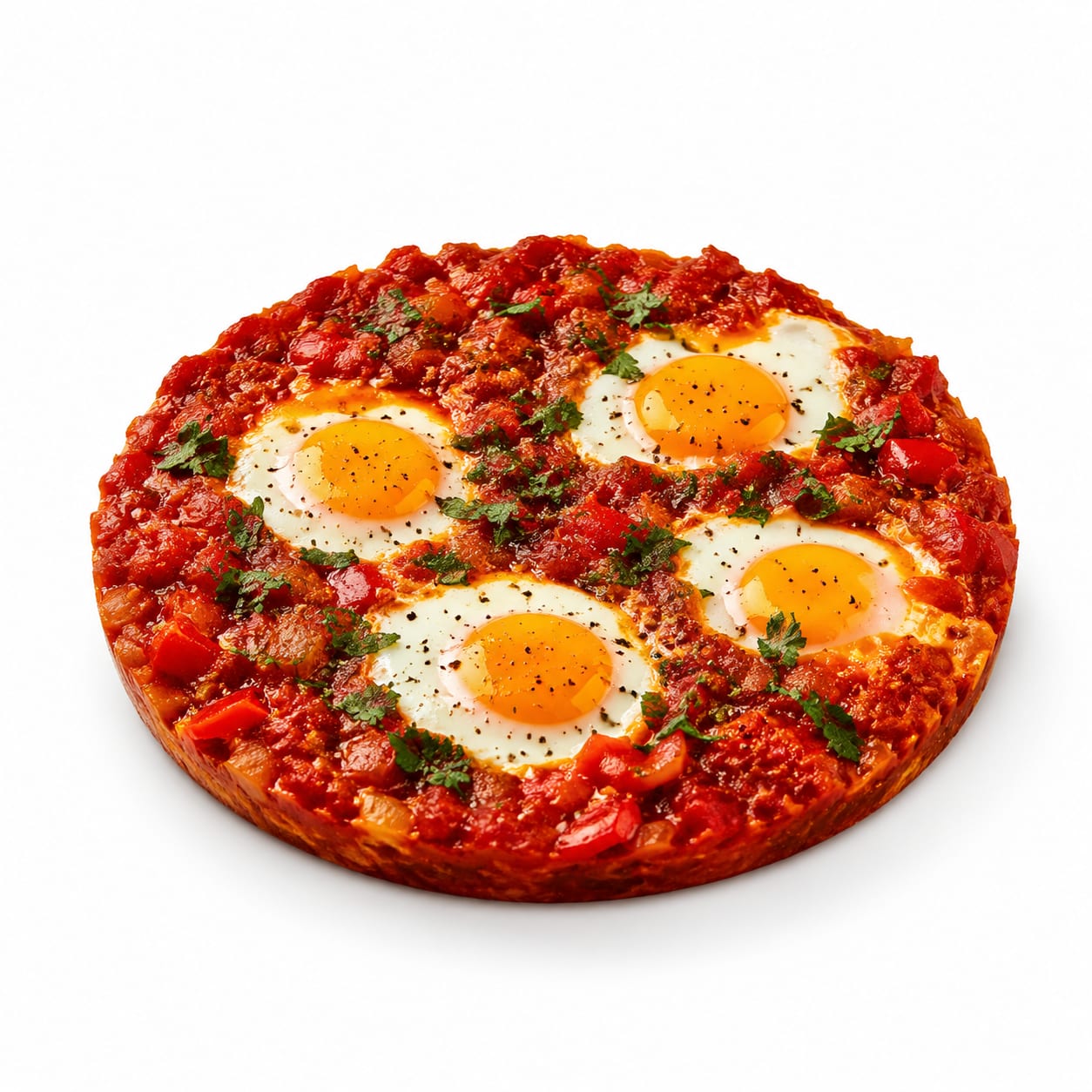
Compare with
Shakshuka
Shakshuka is lower in carbs and calories, featuring tomatoes and eggs, while Tortilla Espanola is starchier and more calorie-dense.
Shakshuka is a lower-carb, tomato-based egg dish, whereas Tortilla Espanola is a heavier, potato-based option.
This food
Tortilla Espanola
VS80% alike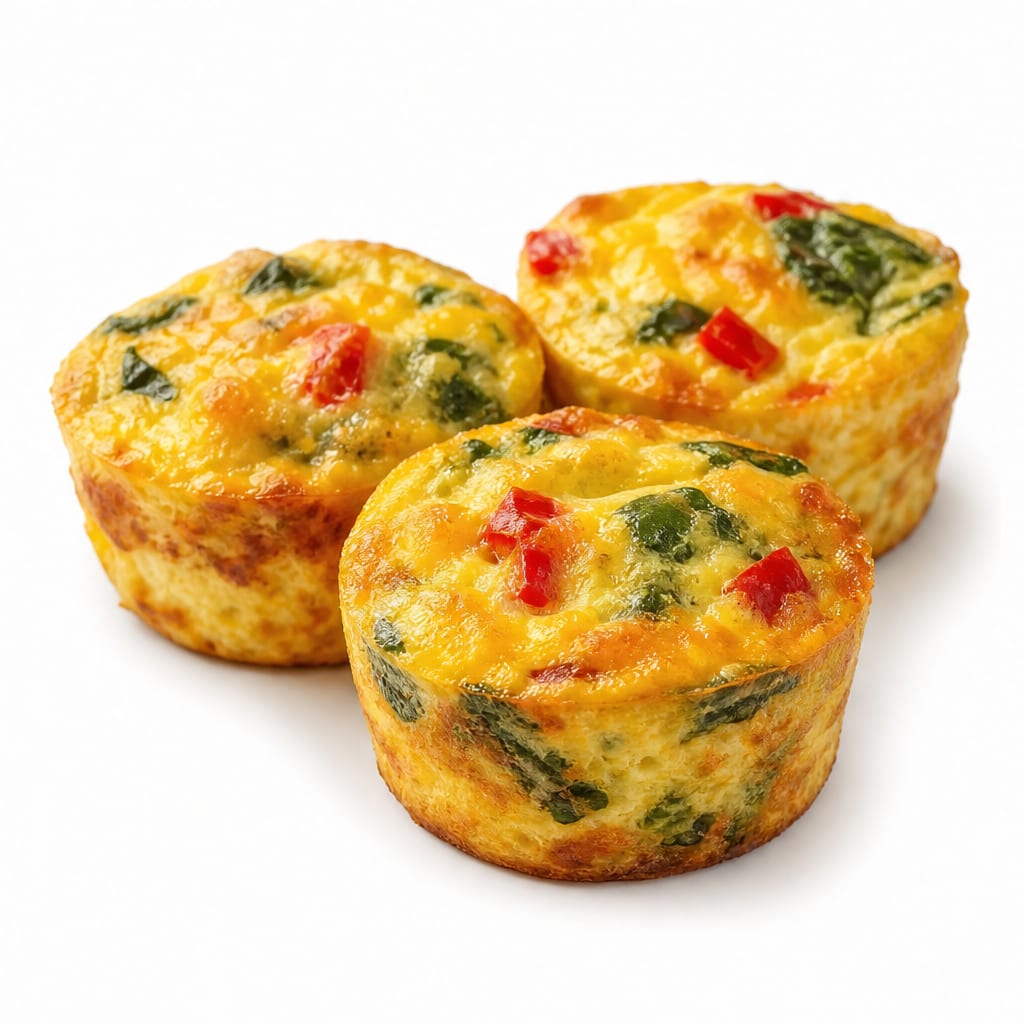
Compare with
Egg Muffins
Egg muffins are lower in carbs and calories, making them better for weight loss, while Tortilla Espanola offers more dense, long-lasting energy.
Egg muffins are a lower-carb, portable breakfast, while Tortilla Espanola provides more substantial, starch-based energy.
This food
Tortilla Espanola
VS50% alike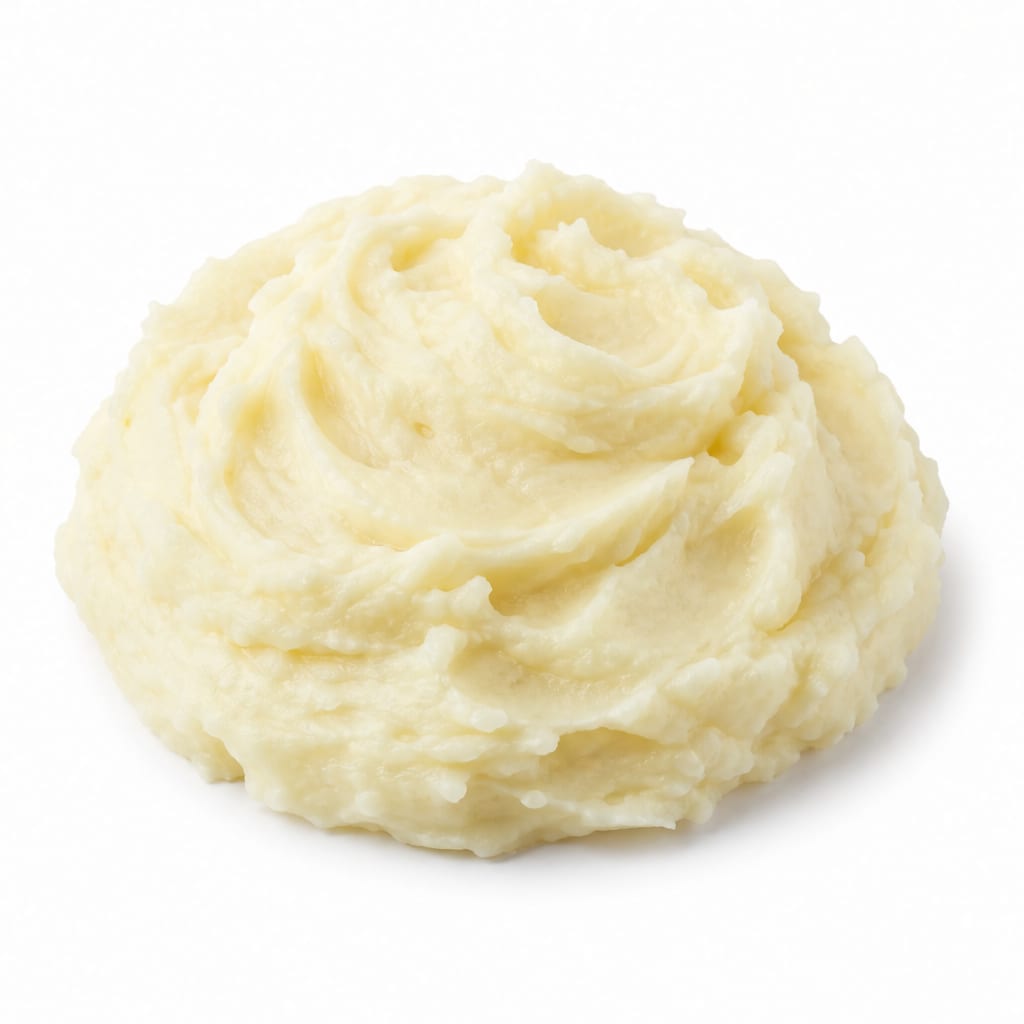
Compare with
Mashed Potatoes
Mashed potatoes lack protein and often contain butter, while Tortilla Espanola includes eggs for a more balanced macronutrient profile.
Tortilla Espanola beats mashed potatoes for satiety and nutrition by adding protein-rich eggs.
This food
Tortilla Espanola
VS45% alike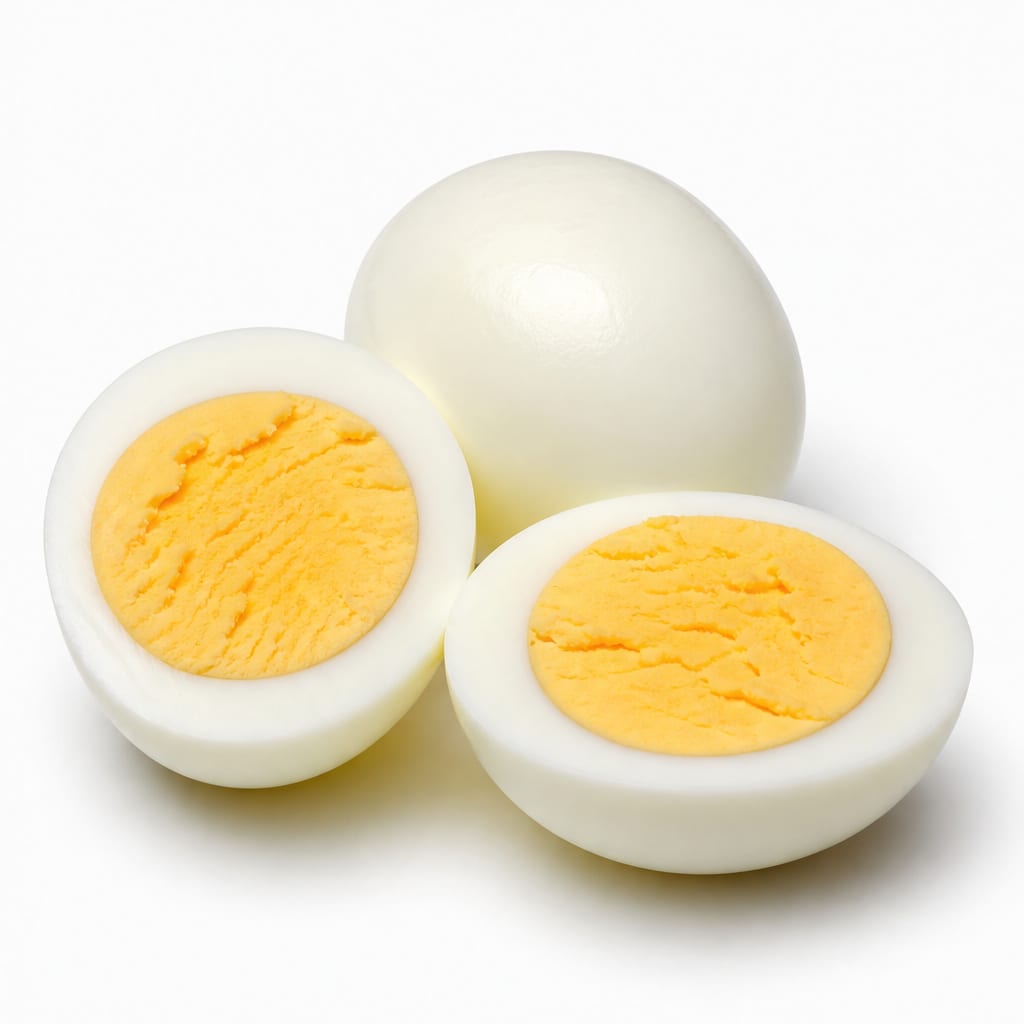
Compare with
Hard Boiled Eggs
Hard boiled eggs are a pure protein and fat source with almost no carbs, while Tortilla Espanola is a mixed macronutrient meal.
Hard boiled eggs are a zero-carb snack, while Tortilla Espanola is a complete, carb-containing meal.
Common questions
FAQ
Answers aligned with how people search for this food.
Is Tortilla Espanola good for weight loss?
It can be filling due to eggs and potatoes, but the olive oil makes it calorie-dense, so portion control is essential for weight loss.
How many carbs are in a Spanish omelet?
A typical 100g serving contains about 12g of carbohydrates, mostly from the potatoes.
Is Tortilla Espanola keto-friendly?
No, the potatoes make it too high in carbohydrates for a standard ketogenic diet.
Can diabetics eat Tortilla Espanola?
In moderation, the fat and protein slow the digestion of potato carbs, but it still has a moderate glycemic load and should be portioned carefully.
What is the difference between Tortilla Espanola and a frittata?
Tortilla Espanola is traditionally made with potatoes and onions slowly cooked in olive oil, while a frittata is an Italian dish that can include various vegetables and meats and is often started on the stove and finished in the oven.
How many calories are in a slice of Spanish omelet?
A typical slice (about 150g) contains roughly 250 calories, depending on the amount of oil used.
Is Tortilla Espanola high in protein?
It provides a moderate amount of protein (about 8g per 100g) from the eggs, making it a decent but not high-protein option.
Why is my Tortilla Espanola soggy?
A soggy tortilla usually results from not draining the oil from the potatoes sufficiently or undercooking the eggs.
Transparency
Data confidence
Estimated confidence for nutrition data, interpretation, safety notes, and comparisons.
Nutrition data
Health analysis
Food safety
Comparisons