
Nutrition comparison
Tortilla Espanola vs Frittata: Which Egg Dish Is Healthier?
Compare Tortilla Espanola and Frittata on carbs, calories, protein, and meal prep practicality. Find out which egg dish fits your diet and lifestyle better.
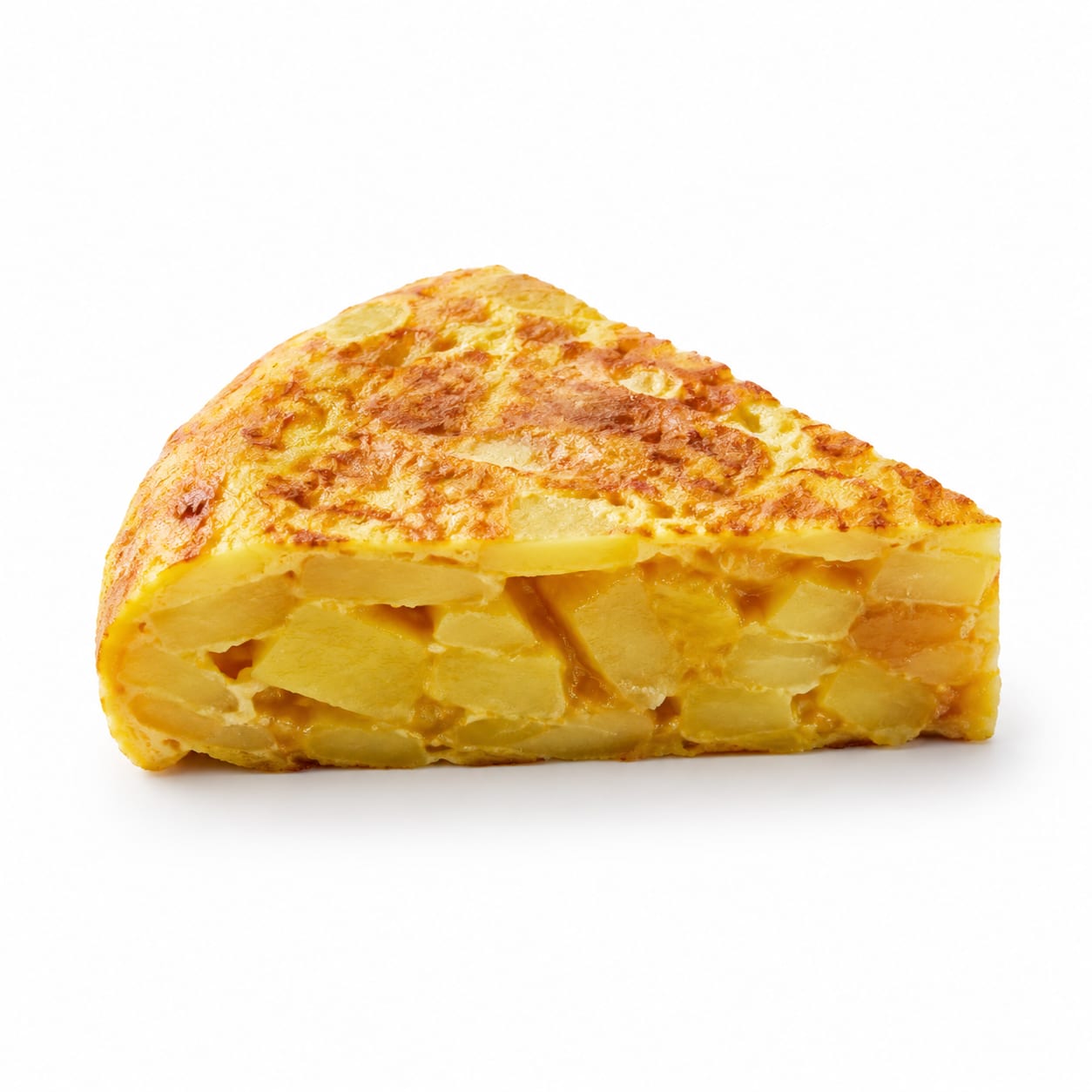
Tortilla Espanola
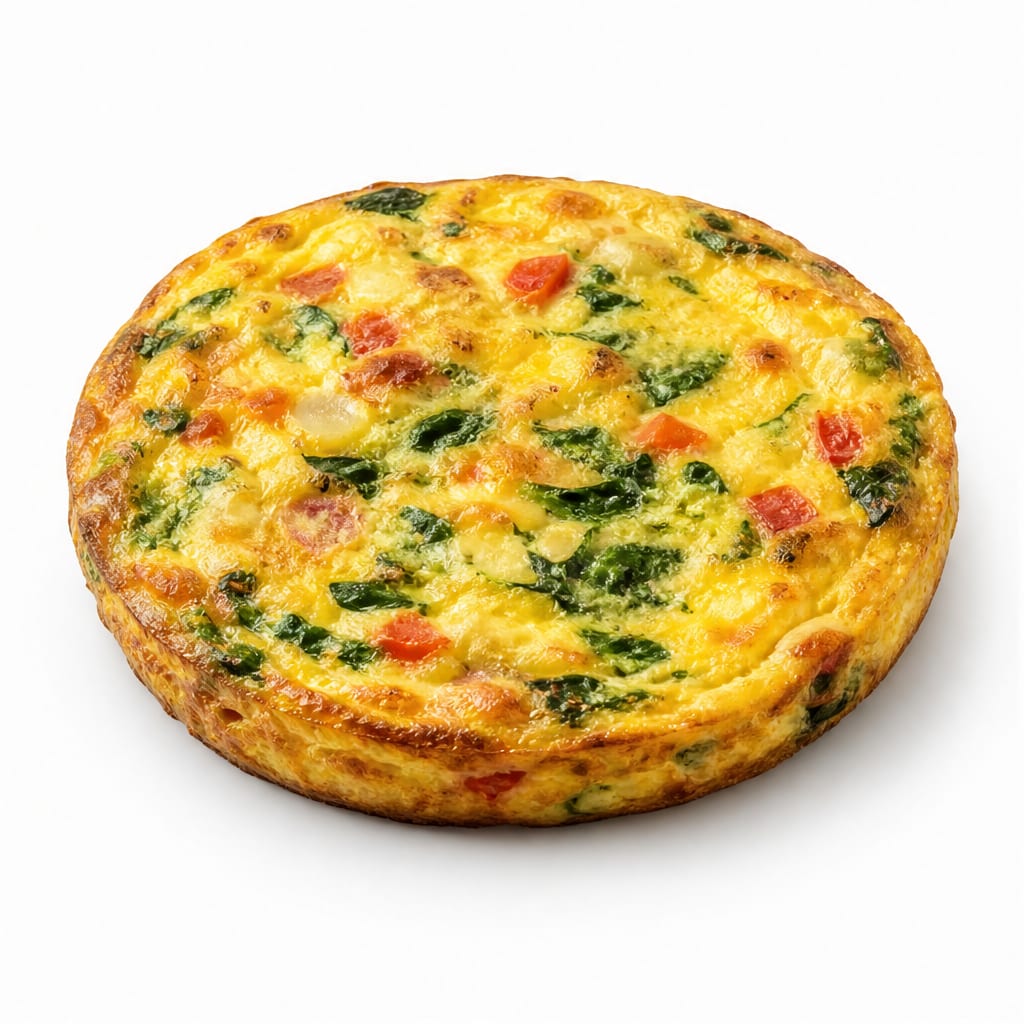
Frittata
Frittata wins for nutritional flexibility and lower carb eating, while Tortilla Espanola delivers unmatched comfort and cultural authenticity at the cost of more carbs and calories.
Frittata scores higher due to superior dietary flexibility, lower carbohydrate load, and easier adaptation to health goals. Tortilla Espanola remains excellent for active people and comfort-driven meals but its fixed potato base and higher calorie density from oil limit its everyday versatility.
You trade the satisfying, starchy comfort of potatoes and olive oil richness in Tortilla Espanola for the ingredient freedom and lighter carb load of a frittata.
At a glance
Executive summary
Overall
It depends
Healthier
Frittata
More practical
Frittata
Daily use
Frittata
Key comparison lenses
carbohydrate and blood impact
Tortilla Espanola's potatoes create a significantly different glycemic profile compared to a veggie-heavy frittata
dietary flexibility
Frittata adapts to keto, low-carb, and paleo diets easily while Tortilla Espanola is locked into its potato base
calorie density and weight management
Traditional Tortilla Espanola uses generous olive oil for frying potatoes, driving up calorie density substantially
satiety and comfort
Both are filling egg dishes but Tortilla Espanola's starch creates a heavier, more comforting fullness
meal prep and practicality
Both store well but differ in preparation complexity and serving flexibility
Best choice for
Tortilla Espanola
- Post-workout carb refueling
- Comfort food cravings that still deliver protein
- Traditional Spanish dining experiences
- Hearty brunches where starchy satisfaction matters
- Active individuals needing sustained energy
Frittata
- Low-carb and keto lifestyles
- Weight loss meals with high protein and volume
- Cleaning out the fridge with whatever vegetables are left
- Meal prep with varied weekly nutritional needs
- Blood sugar management and diabetes-friendly eating
Least suitable for
Tortilla Espanola
- Strict low-carb or keto diets
- Calorie counting without measuring oil carefully
- People managing insulin resistance
- Quick weeknight cooking under 20 minutes
Frittata
- Those seeking authentic Spanish cuisine
- Endurance athletes needing carb replenishment
- Diners wanting a dense, heavy comfort meal
- People who dislike making multi-step recipes
Deep comparison
Dimension by dimension
Each lens scores both foods and breaks down who each option suits.
- Dimension 1 · Priority 92Frittata
carbohydrate_and_blood_sugar
Tortilla Espanola · 45Frittata · 85Tortilla Espanola's potatoes deliver 20-30g carbs per serving, spiking blood sugar more than a vegetable-based frittata which often stays under 5g.
Tradeoff
Those potatoes provide satisfying starch and steady energy for active bodies but create a glycemic load that works against sedentary or insulin-resistant eaters.
Why it matters
Blood sugar stability affects energy crashes, cravings hours later, and long-term metabolic health. The potato difference is the single biggest nutritional gap between these dishes.
Real-world impact
A Tortilla Espanola breakfast may leave you hungry again by 11am if you sit at a desk, while a veggie frittata keeps energy steadier through the morning.
Tortilla Espanola
- Endurance athletes carb-loading before events
- Manual laborers needing sustained calorie burn
- People trying to gain healthy weight
Better for
- People with prediabetes or insulin resistance
- Those tracking carbs carefully
Worse for
Frittata
- Anyone monitoring blood sugar
- Low-carb and keto dieters
- Sedentary office workers avoiding afternoon crashes
Better for
- Athletes who need post-workout glycogen replenishment
- Growing teenagers with high caloric needs
Worse for
- Dimension 2 · Priority 85Frittata
calorie_density_and_fat_profile
Tortilla Espanola · 50Frittata · 75Traditional Tortilla Espanola fries potatoes in copious olive oil, pushing a serving to 350-500 calories. A vegetable frittata typically lands between 200-350 calories.
Tradeoff
That olive oil delivers heart-healthy monounsaturated fats and incredible flavor, but it makes portion control harder and calorie counting unreliable without measuring.
Why it matters
Calorie density determines how much you can eat before feeling stuffed. Lower density meals from frittata allow bigger portions with more vegetables for the same calories.
Real-world impact
You can eat a larger slice of veggie frittata and feel equally full for fewer calories, which matters enormously for sustainable weight management.
Tortilla Espanola
- People needing calorie surplus for muscle gain
- Mediterranean diet followers embracing healthy fats
Better for
- Careful calorie counters who eat out frequently
- People with gallbladder sensitivity to high fat meals
Worse for
Frittata
- Weight loss efforts where calorie awareness matters
- Anyone eating multiple eggs daily and watching total fat intake
Better for
- Those relying on calorie-dense meals to maintain weight
Worse for
- Dimension 3 · Priority 78Frittata
protein_quality_and_density
Tortilla Espanola · 60Frittata · 80Both dishes rely on eggs for high-quality complete protein, but frittata often includes cheese, meat, or more eggs per bite while Tortilla Espanola dilutes protein with potato bulk.
Tradeoff
Tortilla Espanola's potatoes make it more filling through volume and starch, but you get less protein per calorie compared to a frittata loaded with additional protein sources.
Why it matters
Protein per calorie matters for muscle maintenance, satiety efficiency, and metabolic health, especially as you age or try to lean out.
Real-world impact
A frittata with feta and spinach gives you more muscle-supporting protein per slice than an equal-sized wedge of Tortilla Espanola where potatoes take up space.
Tortilla Espanola
- Those who find pure protein-heavy meals unsatisfying
- People who prefer gentler, starch-balanced meals
Better for
- Athletes in a cutting phase needing high protein, low calorie
Worse for
Frittata
- Anyone prioritizing protein intake for muscle or satiety
- Older adults needing efficient protein per bite
Better for
- People who find high-protein meals too heavy without starch balance
Worse for
- Dimension 4 · Priority 88Frittata
versatility_and_dietary_adaptation
Tortilla Espanola · 35Frittata · 92Frittata accepts virtually any vegetable, cheese, meat, or herb, making it adaptable to keto, paleo, vegetarian, and dairy-free diets. Tortilla Espanola is defined by its potato-onion-egg trinity.
Tradeoff
Tortilla Espanola's rigid recipe delivers consistent, culturally authentic results every time. Frittata's flexibility means it can be brilliant or mediocre depending on your ingredient choices.
Why it matters
Dietary needs change with health goals, seasons, and life stages. A dish that adapts with you is easier to keep eating long-term.
Real-world impact
On Monday your frittata can be keto with sausage and bell peppers; by Thursday it can be light with zucchini and herbs. Tortilla Espanola is always Tortilla Espanola.
Tortilla Espanola
- Traditionalists who value consistency and authenticity
- Cooking for Spanish cultural events
Better for
- People with dietary restrictions that exclude potatoes
- Anyone bored by repetitive meals
Worse for
Frittata
- Meal preppers who eat differently across the week
- Families with varied dietary restrictions at one table
- Anyone following a specific diet protocol
Better for
- Cooks who want a no-decision reliable recipe
- Those seeking cultural authenticity
Worse for
- Dimension 5 · Priority 80Tortilla Espanola
satiety_and_comfort
Tortilla Espanola · 88Frittata · 72The combination of starchy potatoes, rich olive oil, and eggs creates a deeply satisfying, comforting mouthfeel that a lighter frittata rarely matches.
Tradeoff
That comfort comes from calorie density and starch, which feel amazing in the moment but may not align with weight or blood sugar goals.
Why it matters
Emotional satisfaction from food drives long-term dietary adherence. A meal that feels like a warm hug can prevent later snacking even if it is higher in calories.
Real-world impact
After a stressful day, a slice of Tortilla Espanola at room temperature with good bread feels like genuine nourishment. A frittata feels like a smart choice but rarely feels like comfort.
Tortilla Espanola
- Emotional eaters needing satisfying meals
- Cold weather meals that warm and fill
- Recovery days when comfort matters more than macros
Better for
- Those who associate heavy meals with guilt or bloating
Worse for
Frittata
- Hot climates where lighter meals feel better
- People who find heavy meals cause afternoon sluggishness
Better for
- Anyone prone to snacking after unsatisfying meals
Worse for
- Dimension 6 · Priority 70Frittata
preparation_practicality
Tortilla Espanola · 55Frittata · 78Tortilla Espanola requires slow potato cooking and the nerve-wracking flip, while frittata simply starts on the stovetop and finishes in the oven with no flipping required.
Tradeoff
The flip technique in Tortilla Espanola creates its signature creamy interior, but it intimidates many home cooks and leads to messy failures. Frittata is nearly foolproof by comparison.
Why it matters
A recipe you can confidently execute on a Tuesday night gets cooked more often than one that stresses you out, directly impacting your eating patterns.
Real-world impact
Most home cooks can make a solid frittata on the first try. Tortilla Espanola typically takes several attempts before the flip works cleanly, and even then it takes 40+ minutes.
Tortilla Espanola
- Experienced cooks who enjoy technique challenges
- Weekend cooking when time pressure is low
Better for
- New cooks who give up after failed attempts
- Time-pressed weeknight dinners
Worse for
Frittata
- Beginner cooks wanting reliable results
- Busy weeknights needing a 25-minute meal
- Anyone intimidated by stovetop flipping techniques
Better for
- Cooks who find oven-finishing heats up the kitchen uncomfortably in summer
Worse for
Timeline
Health impact over time
Short-term
Hours to days
Tortilla Espanola
- Strong satiety from combined starch, fat, and protein
- Possible post-meal drowsiness from higher glycemic load in sedentary people
- Steady energy for active individuals due to carb-fat-protein balance
Frittata
- Lighter post-meal feeling with less digestive heaviness
- More stable blood sugar when made with low-carb vegetables
- Quick and sustained energy without the starch crash
Long-term
Months to years
Tortilla Espanola
- Heart-healthy monounsaturated fats from olive oil support cardiovascular health
- Regular potato consumption may challenge blood sugar management in sedentary lifestyles
- Satiety from the dish format supports portion-aware eating patterns
Frittata
- High vegetable integration supports long-term micronutrient and fiber intake
- Lower consistent carbohydrate load benefits metabolic health over decades
- Protein-dense versions support muscle preservation during aging
Risk profile
Safety & processing
Both dishes are whole-food preparations made from scratch with simple ingredients. Neither contains preservatives, emulsifiers, or artificial additives when traditionally prepared. The only processing concern is the quality of olive oil used in Tortilla Espanola, where refined oils sometimes replace extra virgin in restaurant settings.
Tortilla Espanola
Undercooked eggs
mediumThe creamy interior traditional in Tortilla Espanola means eggs may not reach full 160°F, posing salmonella risk for vulnerable populations.
Oil degradation from prolonged frying
lowExtended potato frying at moderate heat can oxidize olive oil over time, though traditional quick batches minimize this.
Frittata
Undercooked center from insufficient oven time
mediumThick frittatas with dense fillings may brown on top while remaining undercooked inside, creating egg safety issues.
Added meat spoilage
lowFrittata often includes pre-cooked meats like sausage or bacon that can introduce spoilage concerns if not handled properly before adding.
Who wins for whom
Audience fit
Same foods, different winners depending on your goal.
children
Tortilla EspanolaKids generally prefer the mild, starchy comfort of potatoes over vegetable-heavy egg dishes, and the softer texture is easier for younger eaters.
daily consumption
FrittataFrittata's variety potential prevents flavor fatigue and its lower carb profile makes daily consumption more metabolically sustainable.
diabetes
FrittataVegetable-based frittata keeps carbohydrates minimal and blood sugar stable, while Tortilla Espanola's potatoes create a meaningful glycemic load.
elderly
FrittataOlder adults benefit from higher protein density and lower glycemic load, and frittata's softer vegetable fillings are easy to chew.
muscle gain
FrittataFrittata accommodates extra eggs, cheese, and meat more easily, boosting protein content per meal beyond what Tortilla Espanola's potato bulk allows.
weight loss
FrittataLower calorie density and higher protein per serving make frittata easier to fit into a calorie deficit while staying satisfied.
Your move
Decision guide
Choose Tortilla Espanola
- You crave starchy comfort and find purely protein-veg meals unsatisfying
- You are physically active and need carb replenishment
- You are cooking for a Spanish-themed meal or cultural occasion
- You want a room-temperature dish that travels well to picnics or gatherings
- You enjoy mastering traditional cooking techniques
Choose Frittata
- You are managing weight, blood sugar, or following a low-carb diet
- You want to use up whatever vegetables and proteins are in your fridge
- You need a reliable weeknight meal that comes together in under 30 minutes
- You eat egg dishes frequently and need variety to avoid burnout
- You are meal-prepping for different dietary needs across the week
Either works if
- You want a protein-forward meal that works hot or at room temperature
- You are feeding a crowd with a single egg-based dish
- You need make-ahead breakfast or lunch options
- You enjoy Mediterranean-style eating patterns
Avoid both if
- You have an egg allergy or intolerance
- You are following a strict vegan diet
- You have severe cholesterol concerns requiring egg limitation per your doctor
- You are sensitive to high-fat meals regardless of fat quality
Final recommendation
Make frittata your everyday workhorse for its flexibility, lower carb profile, and easier preparation. Save Tortilla Espanola for weekends, celebrations, or days when comfort outweighs macros. Both are genuinely nourishing choices that beat processed breakfast options by a wide margin.
Practical
Consumer tips
- 1
Reduce oil in Tortilla Espanola by parboiling potatoes instead of frying them, cutting calories by 30-40% while keeping the spirit of the dish
- 2
Add a side salad to either dish to increase volume and micronutrients without significant calories
- 3
For the safest Tortilla Espanola flip, use a plate slightly larger than your pan and flip confidently in one motion
- 4
Make frittata in muffin tins for portable, portion-controlled breakfasts that freeze well
- 5
Use leftover roasted vegetables in frittata to reduce waste and add depth without extra prep
- 6
If blood sugar is a concern but you love Tortilla Espanola, try replacing half the potato with cauliflower for a lower-carb hybrid
- 7
Let Tortilla Espanola rest at least 10 minutes before slicing for cleaner portions and better texture
- 8
Cheap olive oil works for frying Tortilla Espanola potatoes since high heat diminishes extra virgin flavor anyway, but finish with good oil for drizzling