
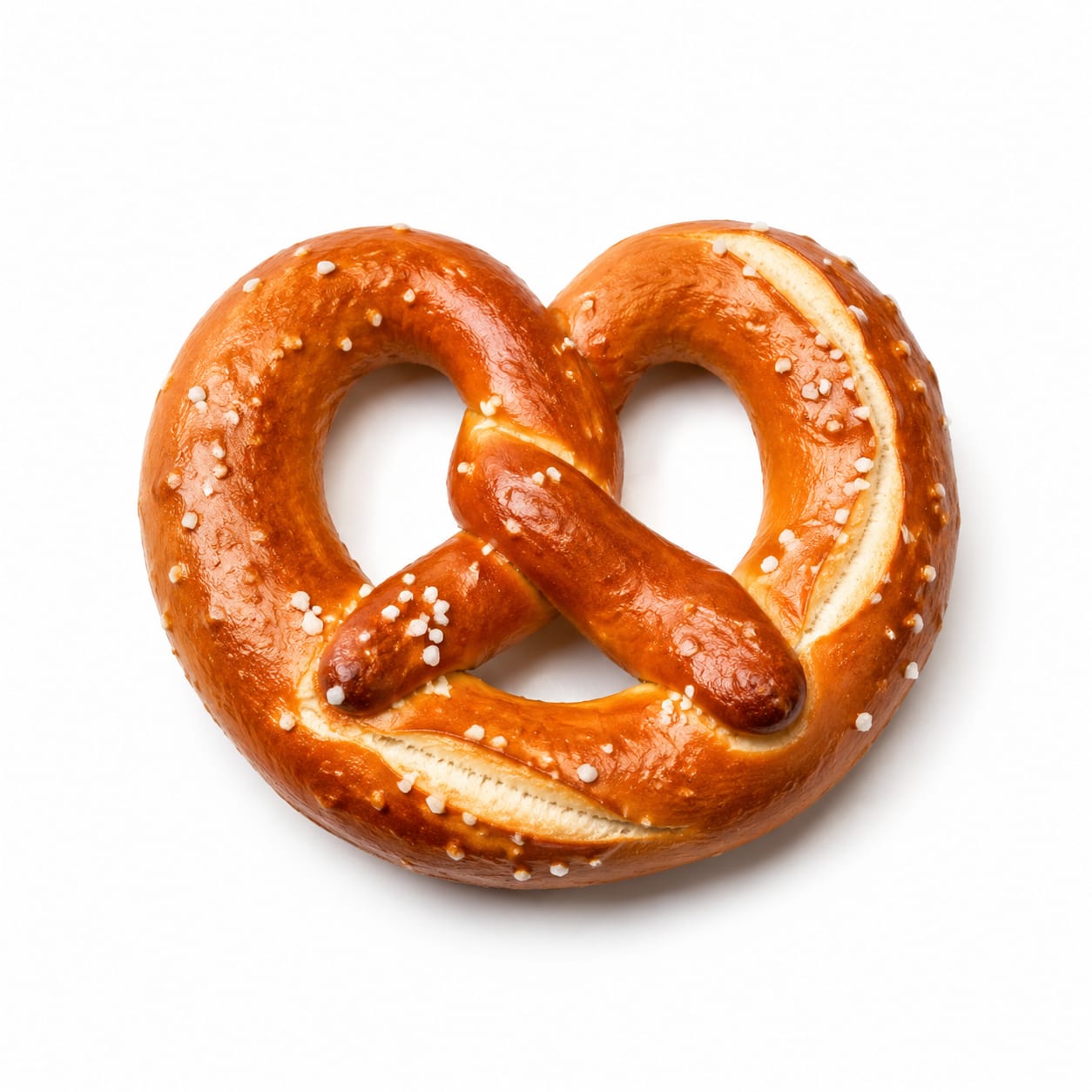
Refined Grain Snack
Pretzel
A baked wheat-flour snack known for its twisted knot shape and high sodium content.
A baked bread product typically shaped into a twisted knot, made from wheat flour, yeast, water, and salt, often dipped in lye or baking soda before baking to create a distinct brown crust.
fast-digesting refined carbohydrate source
Typical serving · 28g
Common varieties · hard pretzel, soft pretzel, gluten-free pretzel, whole wheat pretzel, pretzel sticks +1 more
Overall context score across nutrition, safety, and diet fit
At a glance
Quick facts
Simple indicators based on nutrition, processing, and diet fit.
The story
What makes it unique
Pretzels are primarily composed of refined wheat flour, providing fast-digesting carbohydrates with minimal fiber or fat. The refining process strips away bran and germ, leading to rapid gastric emptying and a high glycemic response. Satiety is low due to the lack of protein and fiber. Commercial varieties are characterized by high sodium content from salt topping and dough conditioners.
Varieties: hard pretzel · soft pretzel · gluten-free pretzel · whole wheat pretzel · pretzel sticks · pretzel crisps
Per 100g
Nutrition breakdown
Macro balance and key metrics at a glance.
Energy
Density 3.80 kcal/g
Protein
Carbs
Fat
Fiber
Sugar
2 g
Sodium
1200 mg
Potassium
140 mg
Glycemic index
83
Glycemic load
65
Water content
5%
Standout compounds
Nutrient highlights
Sodium
highElectrolyte balance
Carbohydrates
highQuick energy
Iron
moderateOxygen transport
Fiber
lowDigestive health
Wellness map
Health scores & processing
NOVA processing scale
Ultra-processed · Ultra-processed
Commercial pretzels are made with refined flour, industrial yeast, and often contain added preservatives, dough conditioners, and excessive sodium, classifying them as ultra-processed food products.
Diet compatibility
- Weight loss
- Muscle gain
- Diabetes
- Gut health
- Low carb
- High protein
- Heart health
Relative standing
Food rankings
Qualitative ranks compared to similar whole foods.
- Satietypoor
- Blood sugarpoor
- Nutrient densitypoor
- Fitness fuelmoderate
- Processing qualitypoor
Eat with confidence
Food safety profile
Pretzels have low risk of microbial contamination. The primary safety considerations are the formation of acrylamide during the baking process and the high sodium content which affects cardiovascular health rather than acute food safety.
Evidence confidence 85%
- Pesticideslow
- Antibioticslow
- Heavy metalslow
- Contaminationlow
Watch for
- acrylamide
Safer choices
Organic whole wheat pretzels with reduced sodium
Prep tips
Not applicable for packaged pretzels; shake off excess surface salt before consuming soft pretzels.
Acrylamide levels in baked starchy snacks are monitored by food safety agencies due to potential long-term health risks.
Deep dive
Health analysis
How this food may fit different goals and preparation choices.
Weight loss
Low energy density is offset by poor satiety; the refined carbs cause blood sugar spikes that may increase hunger shortly after eating.
Blood sugar
High glycemic index causes rapid glucose elevation, making them unsuitable for managing diabetes or insulin resistance.
Fitness & energy
Provides a quick digesting carbohydrate source that can fuel short bursts of high-intensity exercise, but lacks sustained energy.
Gut health
Lacks prebiotic fiber needed to support beneficial gut bacteria; refined flour behaves similarly to simple sugars in the digestive tract.
Processing quality
Heavily reliant on refined wheat flour and sodium, with minimal intact whole grain nutrients remaining.
Food safety
Low risk of pathogenic contamination, but baking at high temperatures creates acrylamide, a potential carcinogen in starchy foods.
Common mistakes
Choosing pretzels as a healthy diet snack simply because they are low in fat, ignoring their high sodium and refined carb content.
Best preparation
If making at home, use whole wheat flour, reduce salt, and pair with a protein-rich dip like hummus to balance the meal.
Practical guide
Best use cases
When and how this food fits real eating patterns.
Quick pre-workout fuel
Provides rapidly digesting carbohydrates for short, high-intensity exercise sessions.
Salty craving alternative
Satisfies a crunchy, salty snack craving with less fat than traditional fried chips.
Carb-loading for endurance
Easily consumed source of simple carbs before long-distance running or cycling events.
Balance sheet
Pros & cons
Upsides
- Convenient and shelf-stable
- Low in fat
- Provides quick digesting energy
- Widely available
Trade-offs
- Very high in sodium
- Made from refined carbohydrates
- Low in fiber and protein
- Causes rapid blood sugar spikes
- Low satiety leads to overeating
Fit check
Who is it for?
Great match
- quick pre-workout energy
- endurance carb-loading
- low-fat snacking
Consider alternatives
- weight loss diets
- diabetes management
- low-sodium diets
- high-protein diets
Side by side
How it compares
Open the full head-to-head analysis for nutrition, safety, and practical tradeoffs.
This food
Pretzel
VS85% alike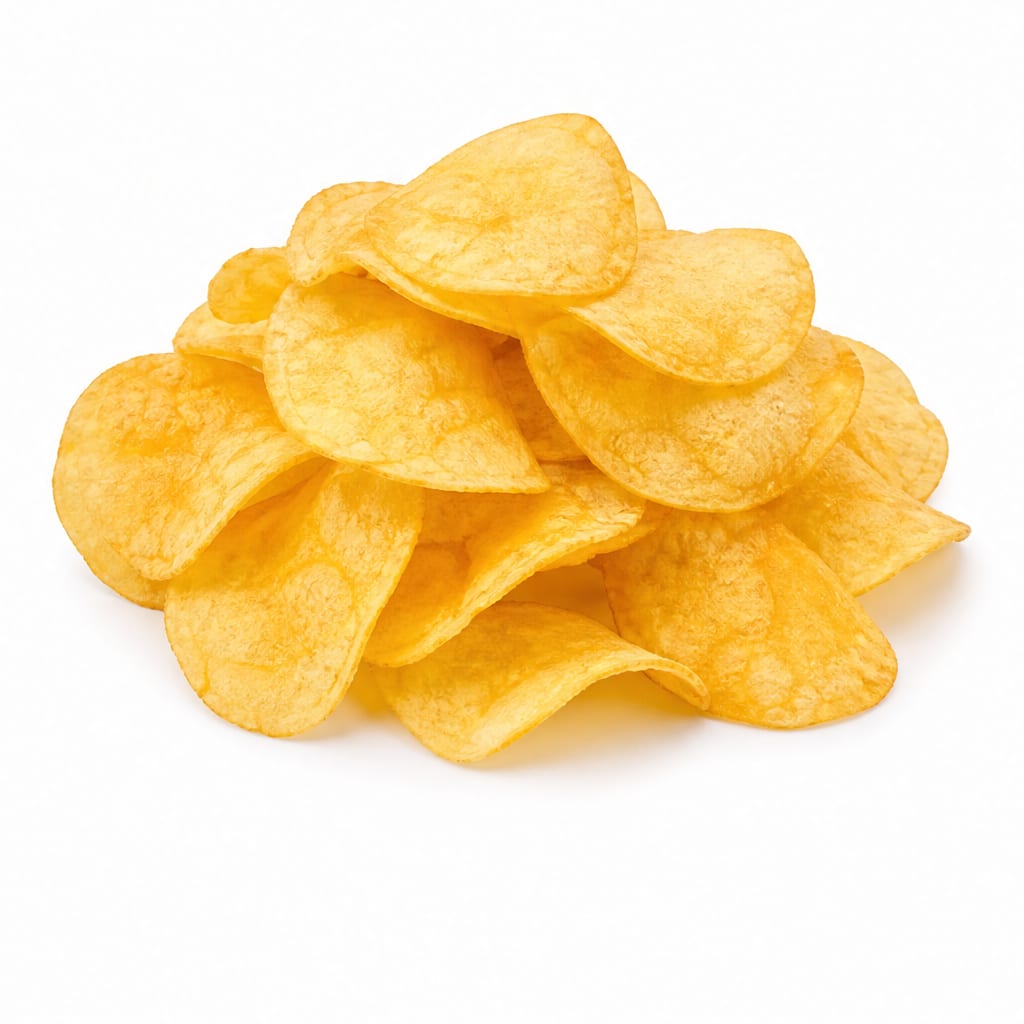
Compare with
Potato Chips
Chips are higher in fat and calories, while pretzels are higher in sodium and refined carbs.
Pretzels are lower in calories and fat than potato chips, but chips provide slightly better satiety due to their fat content.
This food
Pretzel
VS80% alike
Compare with
Popcorn
Air-popped popcorn is a whole grain with more fiber and fewer calories than pretzels.
Popcorn offers more fiber and volume per calorie than pretzels, making it much better for weight loss and satiety.
This food
Pretzel
VS90% alike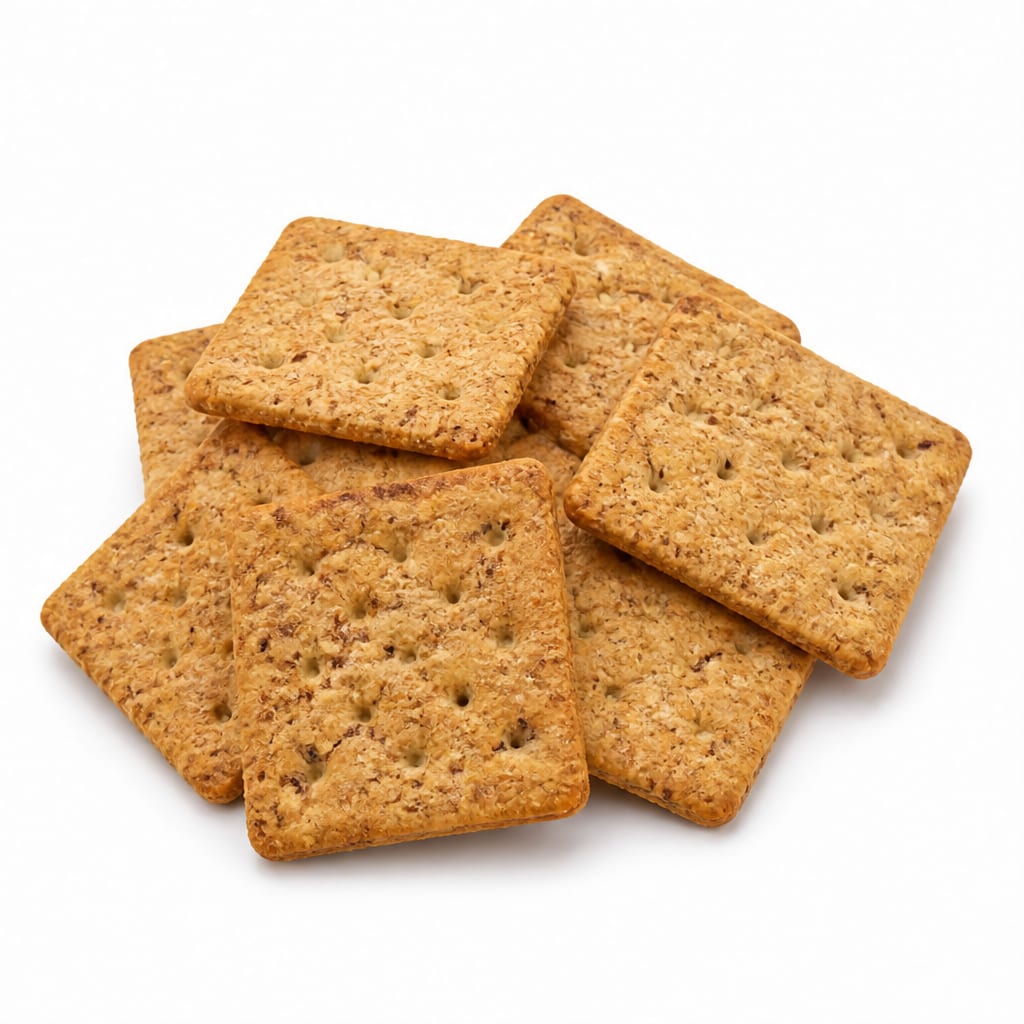
Compare with
Whole Wheat Crackers
Whole wheat crackers offer more fiber than standard pretzels, though sodium levels can be similar.
Whole grain crackers beat pretzels in fiber and satiety, while pretzels provide faster digesting carbs for exercise.
This food
Pretzel
VS75% alike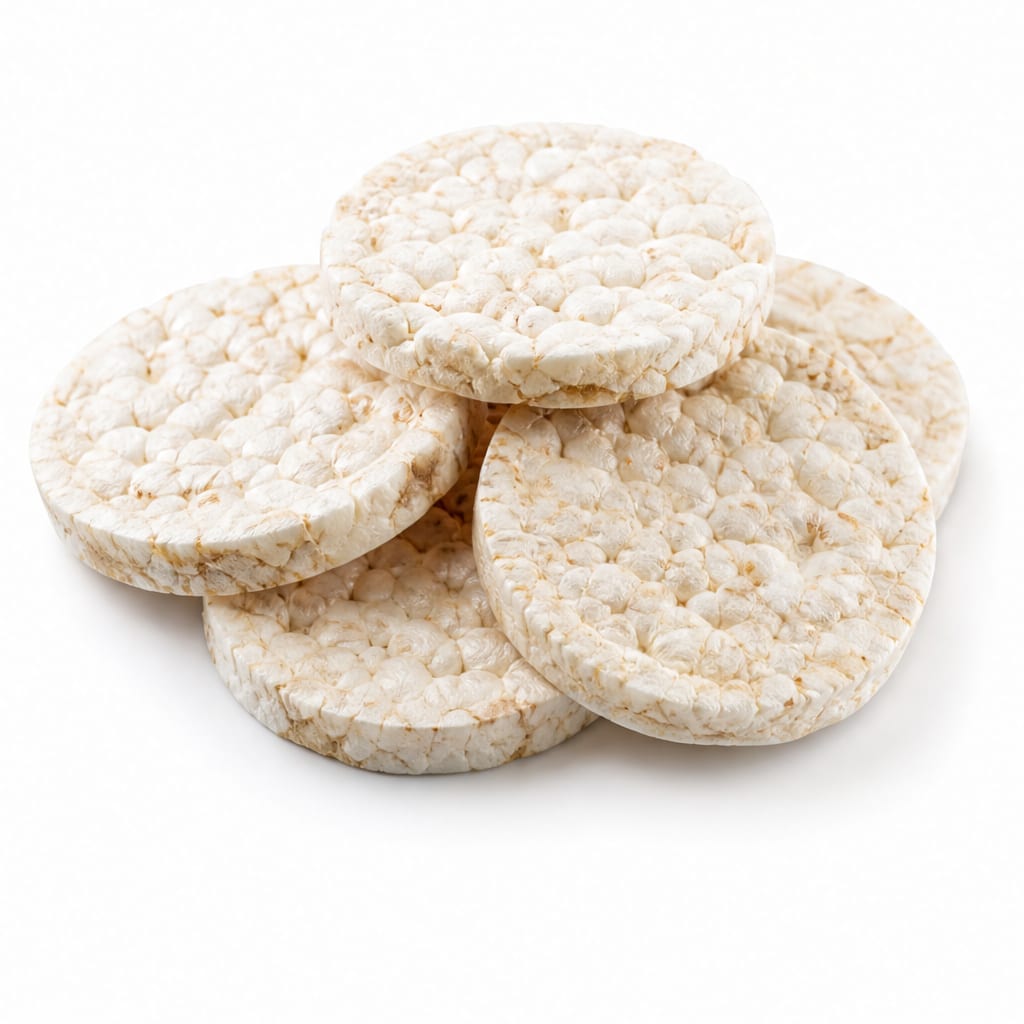
Compare with
Rice Cakes
Both are low-fat, high-glycemic snacks, but rice cakes are often lower in sodium.
Rice cakes and pretzels are both refined carb snacks, but rice cakes typically contain less sodium.
This food
Pretzel
VS70% alike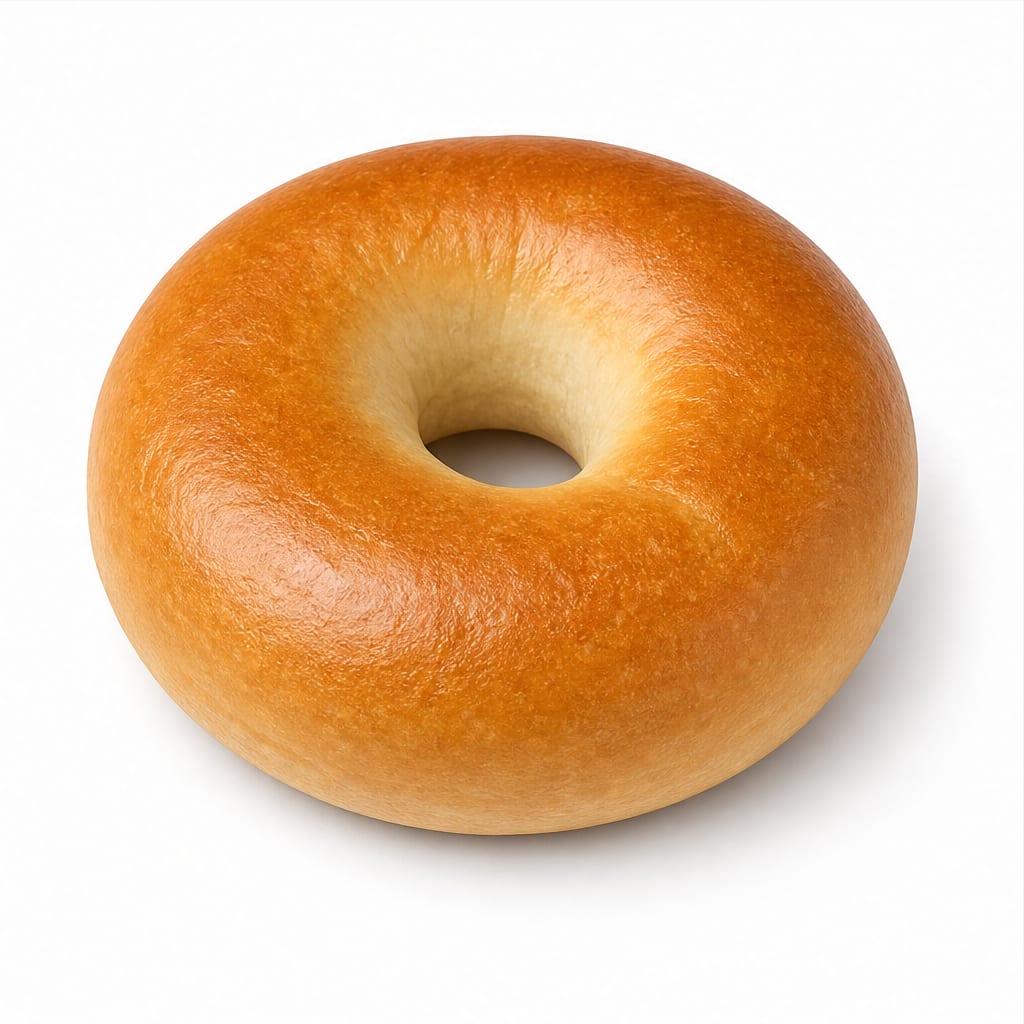
Compare with
Bagel
Bagels are denser and higher in calories and protein than pretzels, but both are refined carbs.
Pretzels are lower in calories than bagels, but both are refined wheat products that spike blood sugar.
This food
Pretzel
VS80% alike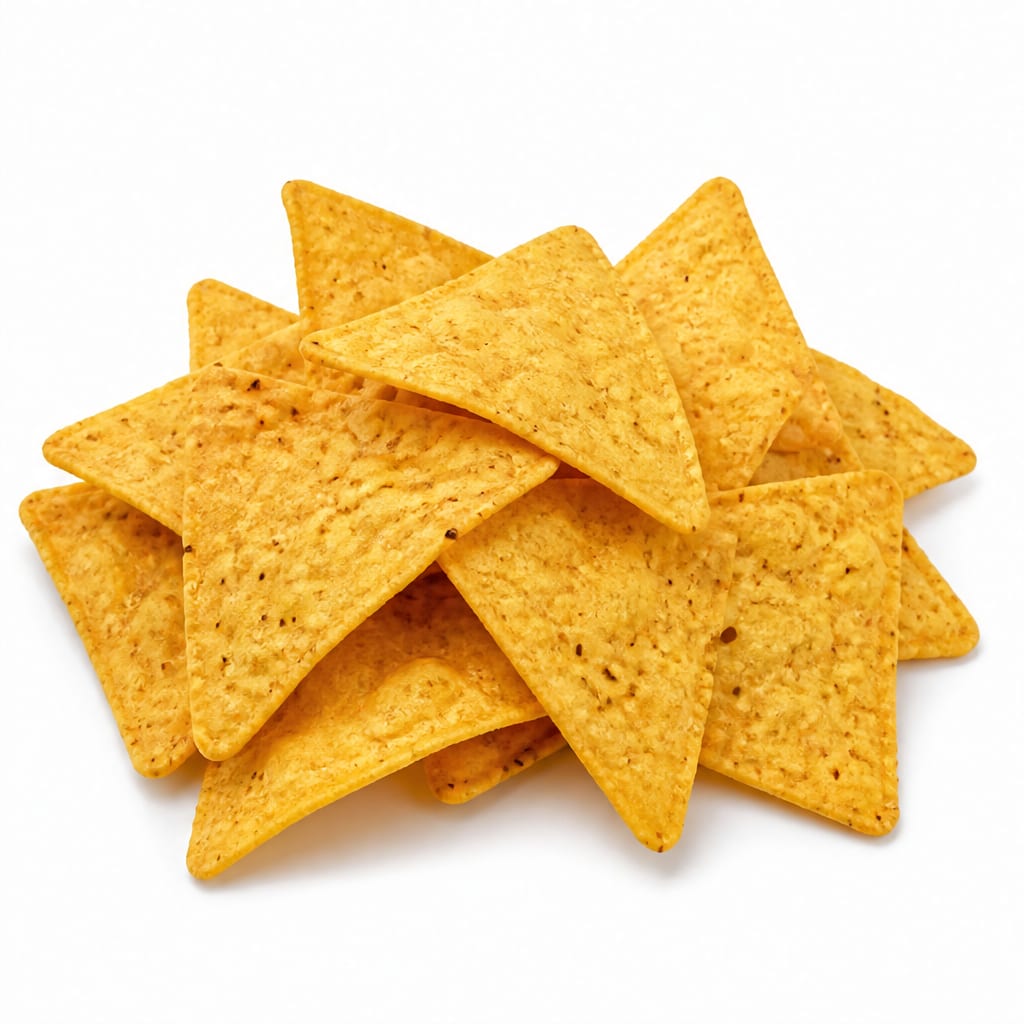
Compare with
Tortilla Chips
Tortilla chips are fried and higher in fat, while pretzels are baked and higher in sodium.
Pretzels are lower in fat and calories than tortilla chips, making them a lighter choice for weight loss.
This food
Pretzel
VS60% alike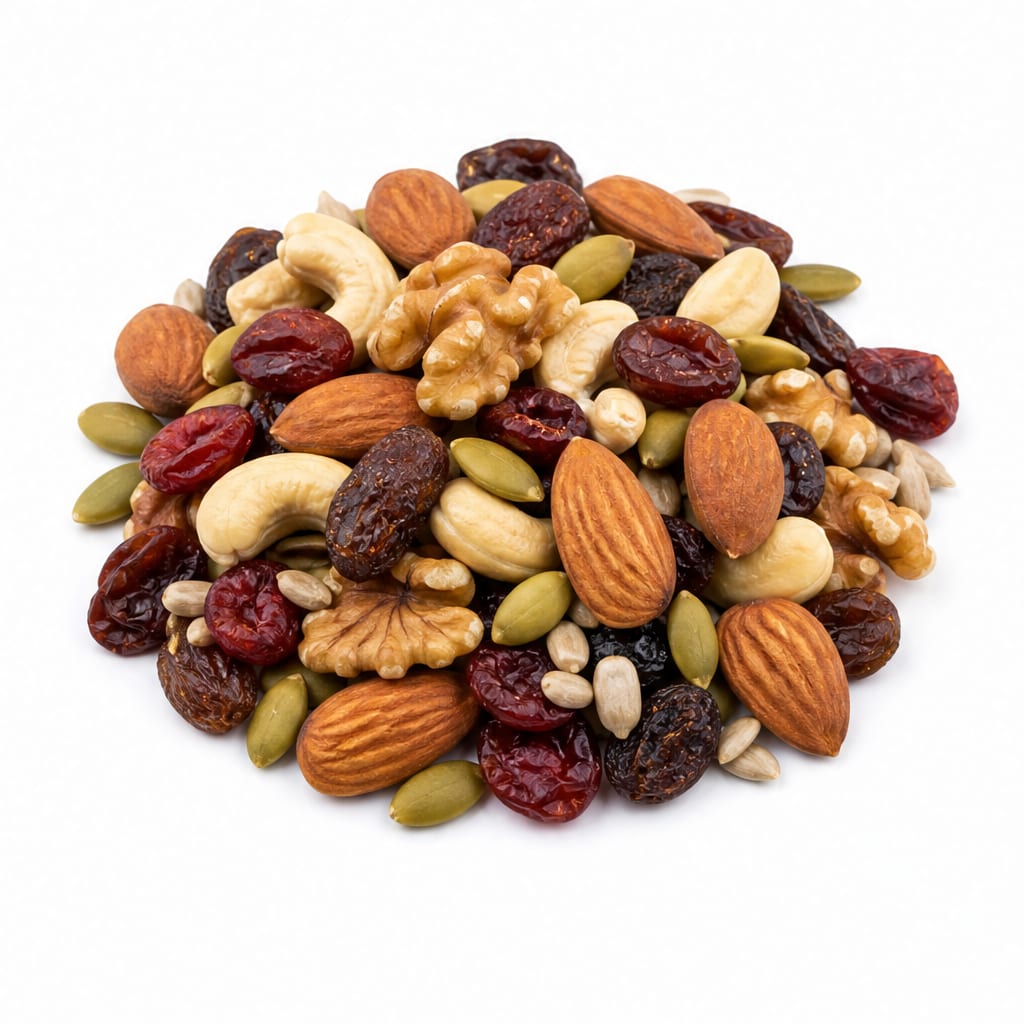
Compare with
Trail Mix
Trail mix is calorie-dense with healthy fats and protein, while pretzels are empty carbs.
Trail mix provides far more protein and satiety than pretzels, but pretzels are much lower in calories and fat.
This food
Pretzel
VS95% alike
Compare with
Breadsticks
Breadsticks and pretzels are nutritionally nearly identical, both being refined flour and sodium heavy.
Breadsticks and pretzels are essentially the same nutritionally, offering refined carbs with high sodium.
This food
Pretzel
VS65% alike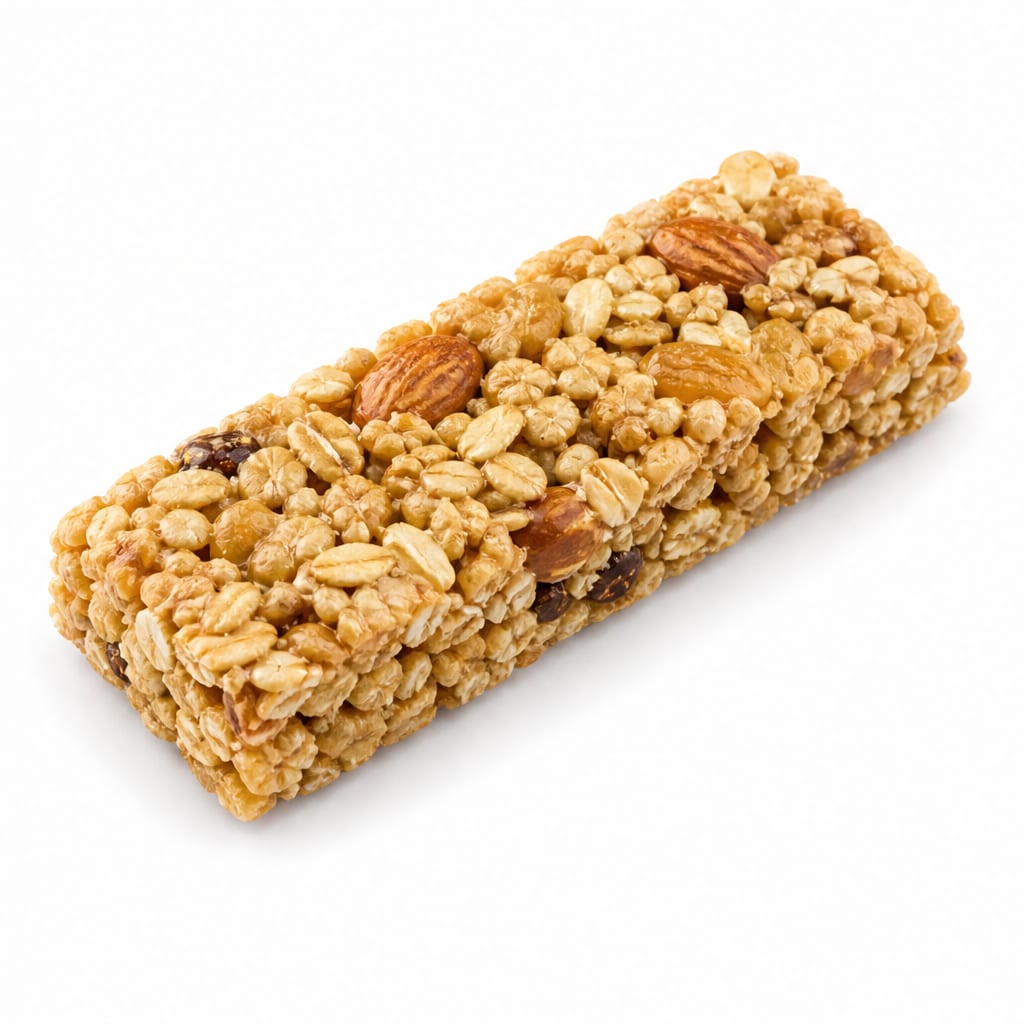
Compare with
Granola Bar
Granola bars often contain added sugars and fats, while pretzels are simpler but saltier.
Pretzels are lower in sugar and calories than many granola bars, but granola bars offer more protein and fat for satiety.
This food
Pretzel
VS50% alike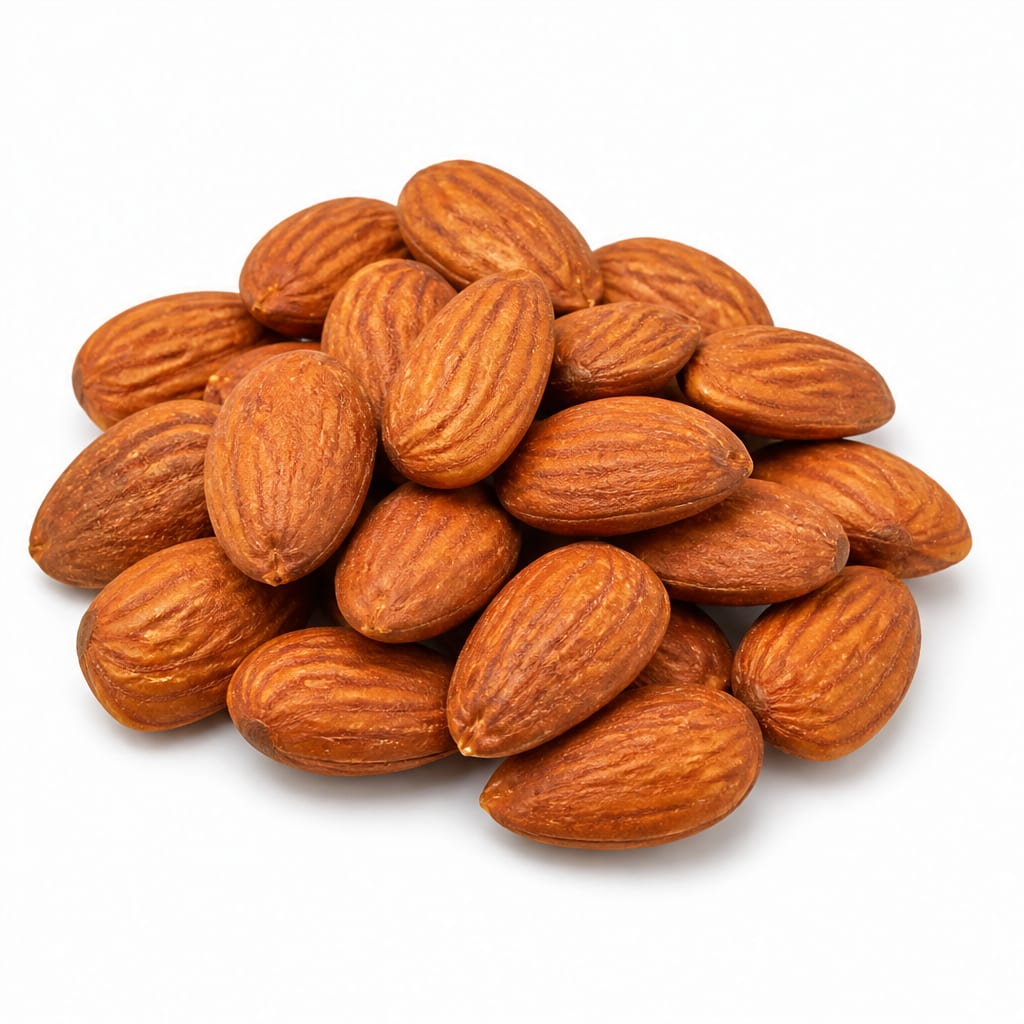
Compare with
Roasted Almonds
Almonds are high in healthy fats, protein, and fiber, vastly outperforming pretzels in nutrition and satiety.
Roasted almonds provide protein and healthy fats for sustained energy, while pretzels offer only quick-digesting refined carbs.
Common questions
FAQ
Answers aligned with how people search for this food.
Are pretzels a healthy snack?
Pretzels are low in fat but made of refined carbohydrates and high in sodium, making them a less optimal choice for overall health compared to whole grain snacks.
Are pretzels better for you than potato chips?
Pretzels are lower in fat than chips, but they are higher in sodium and refined carbohydrates. Both are processed snacks, but chips may offer slightly more satiety due to fat content.
Can diabetics eat pretzels?
Pretzels have a high glycemic index and can cause rapid blood sugar spikes, making them a poor choice for diabetes management without strict portion control and pairing with protein.
Why are pretzels so high in sodium?
Salt is added to the dough and sprinkled heavily on the surface to enhance flavor and preserve freshness in commercial packaging.
Do pretzels make you gain weight?
They can contribute to weight gain if eaten in excess, as their refined carbs offer little satiety, making it easy to overconsume calories.
Are soft pretzels healthier than hard pretzels?
Soft pretzels are typically larger, fresher, and slightly less dense, but nutritionally they are very similar—both are refined carbs with high sodium.
What is a healthy dip for pretzels?
Hummus, Greek yogurt dip, or nut butters add protein and healthy fats, which slow digestion and improve the snack's nutritional profile.
Are gluten-free pretzels healthier?
Gluten-free pretzels replace wheat flour with refined rice or tapioca flour, which often results in a similar or worse glycemic impact without added nutritional benefits.
Transparency
Data confidence
Estimated confidence for nutrition data, interpretation, safety notes, and comparisons.
Nutrition data
Health analysis
Food safety
Comparisons