
Nutrition comparison
Pretzels vs Tortilla Chips: Which Snack Is Actually Better for You?
Compare pretzels and tortilla chips on calories, sodium, blood sugar impact, and satiety. Find out which snack keeps you fuller and which one to avoid for your health goals.
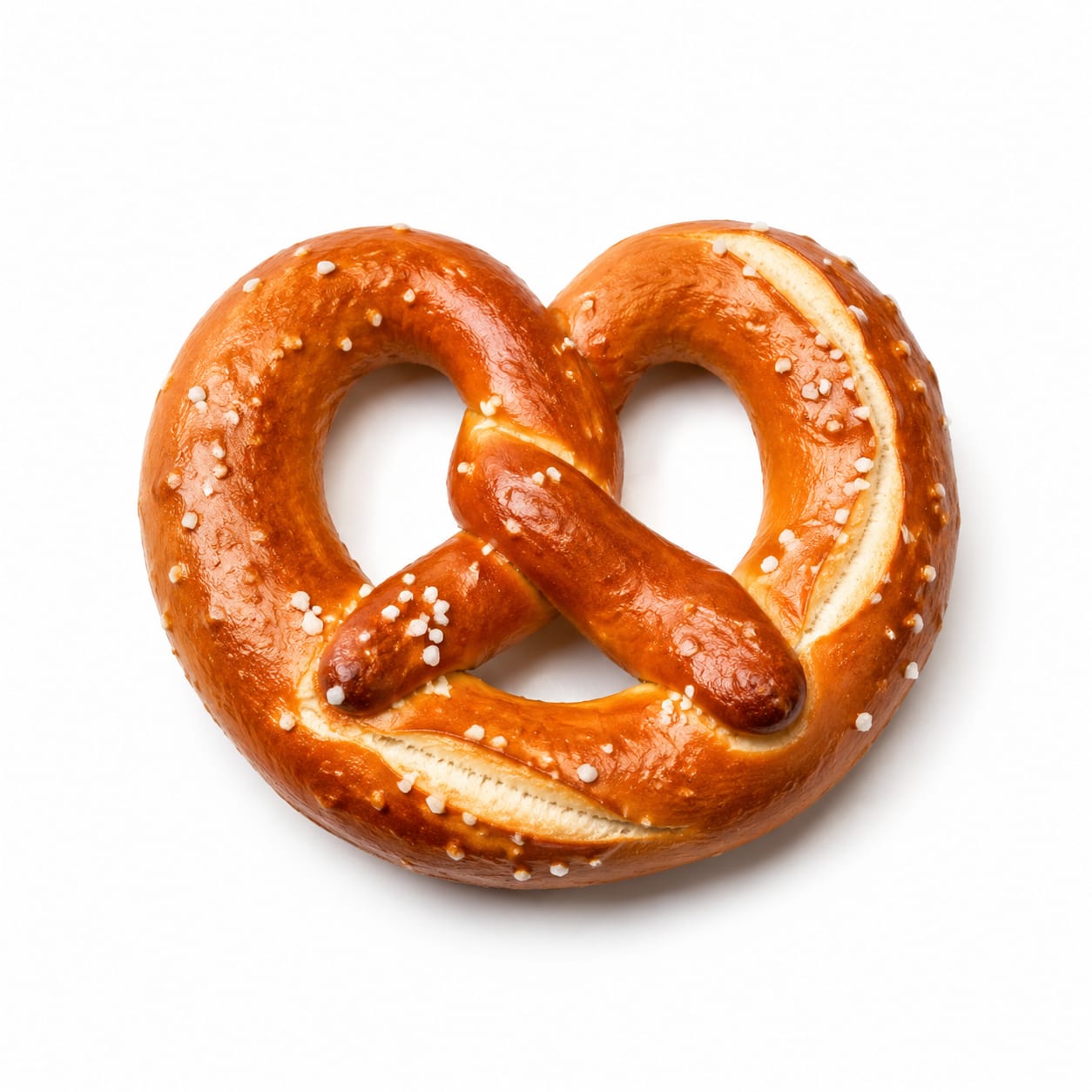
Pretzel
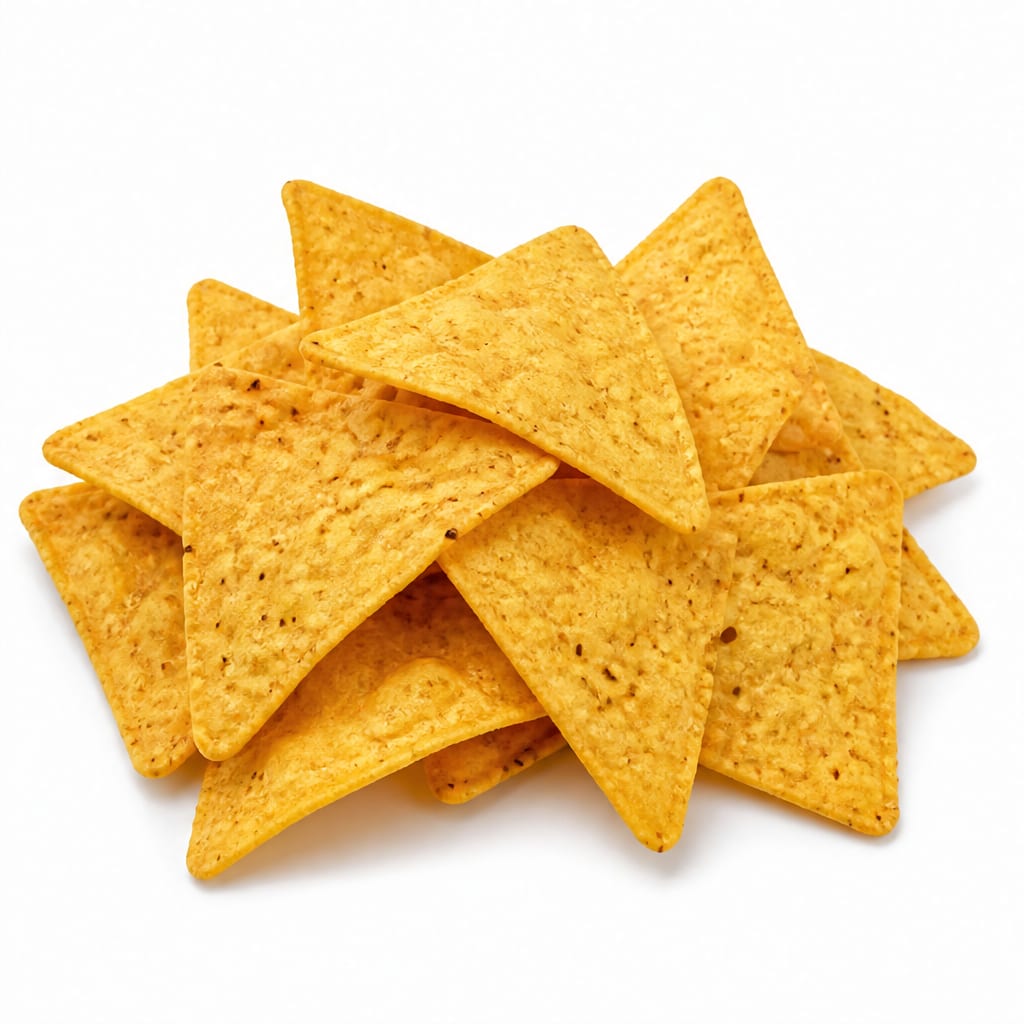
Tortilla Chips
Neither is a health food, but tortilla chips edge out pretzels thanks to more satiating fat and slightly better blood sugar impact. Pretzels win only if you need lower calories or lower fat specifically.
Tortilla chips score modestly higher due to better satiety, more stable blood sugar impact, and often simpler ingredients. Pretzels lose ground on glycemic spike and hunger control despite lower calories. Both remain processed snacks with limited nutritional upside.
Pretzels offer fewer calories and less fat but spike blood sugar faster and leave you hungry sooner. Tortilla chips are more filling and steadier on energy, but cost you more calories per handful.
At a glance
Executive summary
Overall
It depends
Healthier
Tortilla Chips
More practical
It depends
Daily use
Tortilla Chips
Key comparison lenses
snack choice for weight management
Both are popular snack foods where calorie density and overeating risk drive real decisions
satiety and snacking satisfaction
Fat content in tortilla chips provides more fullness, while pretzels leave you hungry faster
blood sugar and energy stability
Refined carbs in pretzels vs fat-slowed absorption in tortilla chips creates meaningful glycemic differences
sodium and heart health concerns
Both are salt-heavy snacks, but pretzels often pack more sodium per serving
ingredient quality and processing level
Both are processed, but corn-based tortilla chips often have simpler ingredient lists
Best choice for
Pretzel
- Low-calorie snack seekers under 110 calories per ounce
- People avoiding dietary fat for medical reasons
- Those who prefer a lighter, less greasy snack
- Kids lunchboxes where mess and grease matter
Tortilla Chips
- People who want a snack that actually satisfies hunger
- Those pairing with guacamole or salsa for healthier fats
- Anyone needing steadier energy without a sugar crash
- Gluten-free snackers since corn replaces wheat
Least suitable for
Pretzel
- People with diabetes or insulin resistance
- Anyone trying to reduce sodium intake
- Those prone to binge eating low-satiety snacks
- Gluten-sensitive or celiac individuals
Tortilla Chips
- People strictly counting calories
- Those on low-fat diets for gallbladder or other medical reasons
- Anyone sensitive to fried foods or seed oils
Deep comparison
Dimension by dimension
Each lens scores both foods and breaks down who each option suits.
- Dimension 1 · Priority 90Tortilla Chips
Satiety and Fullness
Pretzel · 25Tortilla Chips · 55Tortilla chips keep you fuller longer because fat slows digestion. Pretzels digest quickly and leave you reaching for more within the hour.
Tradeoff
You pay more calories for that fullness with tortilla chips, but the satisfaction per calorie is better.
Why it matters
A snack that does not satisfy leads to overeating. Pretzels are notorious for mindless handfuls that never quite hit the spot.
Real-world impact
That 3 PM pretzel break often turns into two or three servings. A smaller portion of tortilla chips with guacamole tends to actually end the snack craving.
Pretzel
- Very low-calorie diet phases where every calorie counts
Better for
- Anyone trying to reduce overall snacking volume
- Blood sugar-sensitive individuals
Worse for
Tortilla Chips
- Between-meal hunger that needs real satisfaction
- Active people who can afford the extra calories
- Emotional eaters who need a snack that feels complete
Better for
- Strict calorie counters
- People who cannot control portions with tasty high-fat foods
Worse for
- Dimension 2 · Priority 85Tortilla Chips
Blood Sugar Stability
Pretzel · 20Tortilla Chips · 45Pretzels are essentially refined wheat with a glycemic impact similar to white bread. Tortilla chips have fat that slows sugar absorption and corn that provides slightly more fiber.
Tradeoff
Neither food is a blood sugar champion, but tortilla chips avoid the sharp spike-and-crash that pretzels deliver.
Why it matters
That post-snack energy crash from pretzels can trigger cravings and fatigue within 30 to 60 minutes.
Real-world impact
A pretzel snack at 3 PM often leads to feeling drained by 4 PM and wanting more carbs. Tortilla chips with salsa produce a gentler energy curve.
Pretzel
- Athletes mid-endurance event who need quick glucose
Better for
- Diabetics and anyone monitoring glycemic load
- People prone to sugar cravings after carb-heavy snacks
Worse for
Tortilla Chips
- People with prediabetes or insulin resistance
- Anyone trying to avoid afternoon energy crashes
- Those pairing snacks with protein or fiber for balance
Better for
- No significant downside here relative to pretzels
Worse for
- Dimension 3 · Priority 78Tortilla Chips
Sodium Load
Pretzel · 30Tortilla Chips · 42Both are salty snacks, but hard pretzels are aggressively salted and often exceed 400mg sodium per serving. Tortilla chips vary widely but frequently land slightly lower.
Tradeoff
Restaurant-style tortilla chips can match or exceed pretzel sodium, so brand selection matters a lot for tortilla chips.
Why it matters
High sodium snacks are a top contributor to exceeding daily limits, especially for people with hypertension.
Real-world impact
A bag of pretzels can deliver nearly a third of your daily sodium in one sitting without you noticing.
Pretzel
- Unsalted pretzel varieties exist and solve this problem
Better for
- Hypertension patients
- Anyone already exceeding sodium goals from other meals
Worse for
Tortilla Chips
- Low-sodium tortilla chip options are increasingly available
- Pairing with fresh salsa dilutes the salt per bite
Better for
- Restaurant chips which are heavily salted
Worse for
- Dimension 4 · Priority 82Pretzel
Calorie Density
Pretzel · 55Tortilla Chips · 30Pretzels deliver roughly 108 calories per ounce versus tortilla chips at 140 to 150 calories. The frying oil in tortilla chips is the main driver.
Tradeoff
Lower calories sound appealing, but pretzels provide less satisfaction per calorie, so you may eat more overall.
Why it matters
Calorie density matters most when portion control is difficult. A small measured portion of either works, but real-world eating rarely involves measuring.
Real-world impact
A bowl of tortilla chips looks smaller calorie-wise than it actually is. Pretzels look like more food for fewer calories but rarely feel like enough.
Pretzel
- Careful portion controllers who pre-measure snacks
- Low-calorie diet phases
- People who snack out of bowls and rely on visual volume
Better for
- Mindless snackers who eat until the bag is empty
Worse for
Tortilla Chips
- Those who prioritize satisfaction over volume
- People eating with dips that add healthy fats anyway
Better for
- Anyone tracking calories closely
- People who underestimate how many chips they consume
Worse for
- Dimension 5 · Priority 68Tortilla Chips
Ingredient Simplicity and Processing
Pretzel · 35Tortilla Chips · 50Basic tortilla chips need only corn, oil, and salt. Pretzels require wheat flour, yeast, sugar, salt, and often dough conditioners or preservatives.
Tradeoff
Many commercial tortilla chips add preservatives and flavor enhancers too, so reading labels is essential for both.
Why it matters
Simpler ingredient lists generally mean fewer additives and less ultra-processing, which correlates with better long-term health outcomes.
Real-world impact
A brand like Late July tortilla chips has three ingredients. Most pretzel brands list five to eight, including added sugars and oils you wouldn't use at home.
Pretzel
- Minimal ingredient pretzels do exist from artisan brands
Better for
- Anyone avoiding ultra-processed foods
- Gluten-sensitive individuals
Worse for
Tortilla Chips
- Health-conscious consumers who read labels
- People avoiding wheat and gluten
- Those who value whole grain corn over refined wheat flour
Better for
- Flavored tortilla chips which add MSG, artificial flavors, and preservatives
Worse for
- Dimension 6 · Priority 86Tortilla Chips
Overeating and Cravings Potential
Pretzel · 22Tortilla Chips · 45Pretzels are the classic cannot-eat-just-one snack. Their combination of refined carbs, salt, and low fat makes them nearly impossible to stop eating. Tortilla chips are more satiating but still easy to overconsume.
Tradeoff
Neither snack is safe for uncontrolled grazing, but pretzels are worse because they never trigger fullness signals.
Why it matters
The snack you cannot stop eating is the snack that undermines your health goals regardless of its per-serving nutrition.
Real-world impact
Opening a bag of pretzels often means finishing it. Tortilla chips at least slow you down with richness and are more often paired with filling dips.
Pretzel
- Pre-portioned single-serve pretzel packs limit damage
Better for
- Binge-prone eaters
- Late-night mindless snackers
- Anyone who eats from the bag instead of a bowl
Worse for
Tortilla Chips
- People who naturally stop eating when they feel full
- Those who pair chips with protein-rich dips
Better for
- Social settings with bottomless chip baskets at restaurants
Worse for
Timeline
Health impact over time
Short-term
Hours to days
Pretzel
- Quick blood sugar spike followed by energy dip within 30 to 60 minutes
- Thirst from high sodium content
- Unsatisfied hunger shortly after eating despite calorie intake
Tortilla Chips
- More sustained energy from fat-slowed carbohydrate absorption
- Possible thirst from salt, though typically less than pretzels
- Greater immediate satisfaction and fullness per serving
Long-term
Months to years
Pretzel
- Regular consumption contributes to refined carb load linked to metabolic syndrome risk
- High sodium intake may raise blood pressure over time
- Low satiety promotes habitual overconsumption and weight gain
Tortilla Chips
- Calorie density can drive gradual weight gain if portions are not managed
- Oil quality matters: repeated consumption of seed oils may increase inflammatory markers
- Less glycemic disruption than pretzels, which is metabolically protective
Risk profile
Safety & processing
Pretzels are more processed than they appear, typically containing refined flour, added sugars, yeast conditioners, and preservatives. Tortilla chips made from whole corn, oil, and salt are closer to a recognizable food. However, flavored or restaurant-style tortilla chips can approach the same processing level as pretzels.
Pretzel
Acrylamide formation
mediumBaked pretzels develop acrylamide during high-heat baking, a probable carcinogen. Levels vary by brand and baking temperature.
Wheat allergen and gluten exposure
highContains wheat and gluten, making it unsafe for celiac and gluten-sensitive individuals.
Tortilla Chips
Acrylamide formation
mediumFried corn chips also produce acrylamide, though levels can be lower than baked wheat products depending on frying temperature.
Oxidized oil exposure
mediumRepeated frying in seed oils can produce lipid oxidation products linked to inflammation. Freshly made chips are lower risk.
Who wins for whom
Audience fit
Same foods, different winners depending on your goal.
children
PretzelPretzels are less greasy, easier for small hands, and less calorie-dense for growing kids who snack frequently. Lower fat also suits children's smaller calorie needs per sitting.
daily consumption
Tortilla ChipsNeither should be a daily staple, but tortilla chips with salsa or guacamole provide a more balanced snack experience that is easier to sustain without cravings spiraling.
diabetes
Tortilla ChipsFat slows glucose absorption from tortilla chips, producing a gentler blood sugar curve. Pretzels spike glucose rapidly and are best avoided by diabetics.
elderly
Tortilla ChipsOlder adults benefit from the steadier blood sugar impact and higher satiety. Tortilla chips are also easier to chew for some seniors compared to hard pretzels.
muscle gain
It dependsNeither snack supports muscle gain meaningfully. Pretzels offer quick carbs post-workout, but tortilla chips with guacamole provide better overall nutrition.
weight loss
PretzelLower calories per serving give pretzels a narrow edge, but only if you can control portions. Most people cannot, which narrows the gap significantly.
Your move
Decision guide
Choose Pretzel
- You are strictly counting calories and pre-portion every snack
- You need a low-fat snack for medical or dietary reasons
- You want a non-greasy option for kids lunchboxes or car snacks
- You are an athlete needing quick carbs during endurance activity
Choose Tortilla Chips
- You want a snack that actually satisfies hunger between meals
- You are pairing with guacamole, salsa, or hummus for a more balanced snack
- You have blood sugar concerns and want to avoid carb spikes
- You need a gluten-free snack option
- You care about simpler ingredient lists and less ultra-processing
Either works if
- You are eating a small measured portion as an occasional treat
- You have no specific health concerns and just want something crunchy
- You balance the snack with protein or fiber from other sources
Avoid both if
- You have hypertension and are trying to reduce sodium significantly
- You are eliminating ultra-processed foods from your diet
- You struggle with portion control and binge eating triggered by salty carbs
- You are managing an inflammatory condition and avoiding refined carbs and seed oils
Final recommendation
If you must choose, tortilla chips paired with a healthy dip like guacamole or salsa are the more satisfying and metabolically steadier option. Pretzels only win in low-calorie or low-fat scenarios, and even then, the hunger rebound often negates the calorie savings. For either snack, portion control is the real deciding factor.
Practical
Consumer tips
- 1
Always portion snacks into a small bowl instead of eating from the bag, especially with pretzels
- 2
Choose tortilla chips made with avocado oil, coconut oil, or olive oil instead of canola or sunflower oil
- 3
Look for tortilla chips with three ingredients or fewer: corn, oil, salt
- 4
Pair tortilla chips with guacamole or salsa to add fiber, healthy fat, and micronutrients
- 5
If choosing pretzels, seek out whole wheat varieties for slightly better fiber and glycemic impact
- 6
Unsalted pretzels exist and solve the sodium problem, though they taste noticeably different
- 7
Avoid flavored varieties of either snack, as they add MSG, artificial flavors, and preservatives
- 8
Restaurant chip baskets are bottomless calorie traps. Ask your server to bring a small portion or remove them