
Nutrition comparison
Yellow Peas vs Pinto Beans: Protein, Digestion, and Nutrition Compared
Yellow Peas offer more protein and easier digestion. Pinto Beans deliver more vitamins, minerals, and antioxidants. Learn which legume fits your health goals best.
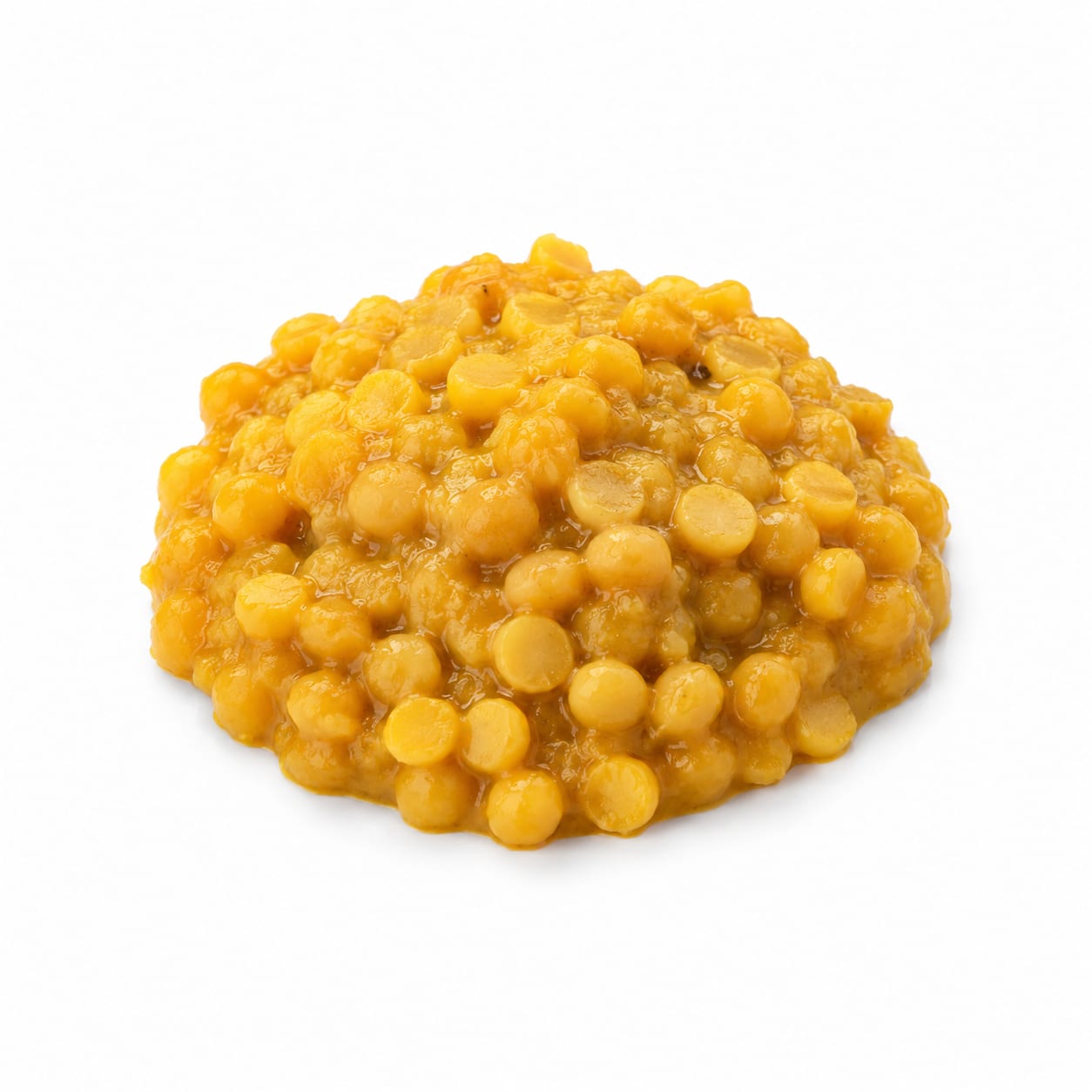
Yellow Pea
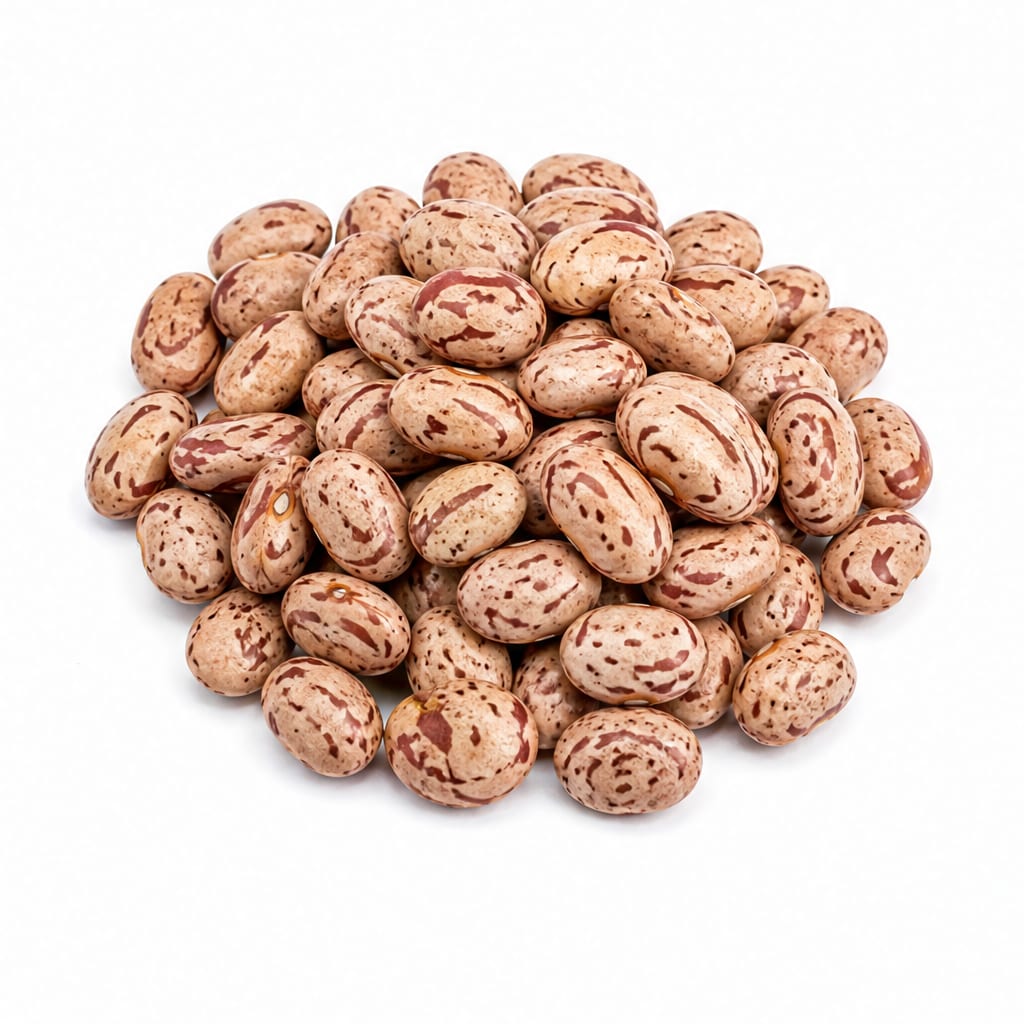
Pinto Beans
Yellow Peas win on protein and lighter digestion; Pinto Beans win on micronutrients, antioxidants, and culinary creaminess.
Pinto Beans edge ahead slightly due to superior micronutrient density and antioxidant content, but Yellow Peas remain competitive with higher protein and gentler digestion. The close scores reflect that both are excellent legume choices with different strengths.
More protein and easier digestion with Yellow Peas versus richer vitamins, minerals, and comfort-food texture with Pinto Beans.
At a glance
Executive summary
Overall
It depends
Healthier
It depends
More practical
Pinto Beans
Daily use
It depends
Key comparison lenses
protein source comparison
Both are legumes but Yellow Pea is notably higher in protein, making it a popular choice for plant-based protein needs
digestive tolerance
Legumes differ significantly in gas-producing compounds and fiber types, affecting daily comfort
micronutrient density
Pinto Beans offer richer antioxidant and mineral profiles due to their darker pigmentation
blood sugar management
Both have low glycemic indices but differ in starch composition and fiber ratios
meal versatility
Pinto Beans have a creamier texture suited for mashing and soups, while Yellow Peas hold shape better
Best choice for
Yellow Pea
- Plant-based protein prioritization
- Sensitive digestion or bloating concerns
- Low-fat high-protein meal prep
- Athletes needing lean protein sources
Pinto Beans
- Maximum micronutrient intake
- Antioxidant-rich eating patterns
- Comfort food and traditional recipes
- Heart health focused diets
Least suitable for
Yellow Pea
- Those seeking rich, creamy textures in cooking
- People prioritizing antioxidant diversity
- Traditional Latin American recipes where substitution feels off
Pinto Beans
- People highly sensitive to gas and bloating
- Very low-carb eating approaches
- Those wanting maximum protein per calorie
Deep comparison
Dimension by dimension
Each lens scores both foods and breaks down who each option suits.
- Dimension 1 · Priority 92Yellow Pea
Protein Content and Quality
Yellow Pea · 86Pinto Beans · 74Yellow Peas deliver noticeably more protein per serving, making them a go-to for plant-based protein goals.
Tradeoff
Pinto Beans still provide solid protein but lag behind Yellow Peas by a meaningful margin when protein is the priority.
Why it matters
If you are building meals around protein intake, Yellow Peas get you there faster without adding extra calories or fat.
Real-world impact
A cup of cooked Yellow Peas gives you roughly 4-5 more grams of protein than the same amount of Pinto Beans — meaningful over a full day of eating.
Yellow Pea
- Post-workout recovery meals
- Vegans hitting daily protein targets
- High-protein low-fat meal prep
Better for
- Situations where creamier protein-rich dishes are desired
Worse for
Pinto Beans
- Meals where protein is not the primary focus
- Balanced plates with other protein sources already included
Better for
- Anyone counting protein grams carefully each day
Worse for
- Dimension 2 · Priority 85It depends
Fiber and Digestive Health
Yellow Pea · 78Pinto Beans · 82Pinto Beans offer slightly more total fiber, but Yellow Peas are often easier on the stomach with less gas production.
Tradeoff
More fiber with Pinto Beans comes with more digestive discomfort for sensitive people; Yellow Peas are gentler but slightly less fibrous.
Why it matters
Daily comfort matters as much as nutrition. A food that causes bloating may get dropped from your diet regardless of its fiber content.
Real-world impact
If you have avoided beans because of gas, Yellow Peas might be the legume that finally works for your stomach.
Yellow Pea
- People with IBS or sensitive digestion
- Anyone gradually introducing legumes into their diet
- Those who experience bloating from most beans
Better for
- Situations where maximum stool-bulking fiber is the goal
Worse for
Pinto Beans
- People with ironclad digestion who want maximum fiber
- Those needing help with constipation
Better for
- Work lunches where gas is socially costly
- First-time legume eaters who might give up after discomfort
Worse for
- Dimension 3 · Priority 80Pinto Beans
Micronutrient Density
Yellow Pea · 65Pinto Beans · 84Pinto Beans are significantly richer in folate, manganese, copper, potassium, and iron compared to Yellow Peas.
Tradeoff
Yellow Peas still provide decent nutrition but cannot match the broader vitamin and mineral spread of Pinto Beans.
Why it matters
Long-term health depends on consistent micronutrient intake, and Pinto Beans deliver more per bite across multiple essential nutrients.
Real-world impact
Regular Pinto Bean consumption contributes more meaningfully to preventing folate deficiency, supporting bone health through manganese, and maintaining healthy blood pressure via potassium.
Yellow Pea
- Meals already rich in leafy greens and varied vegetables
- Situations where protein matters more than micronutrients
Better for
- People relying heavily on legumes as a primary nutrient source
Worse for
Pinto Beans
- Pregnant women needing folate
- Anyone eating limited produce variety
- Older adults needing potassium and magnesium
Better for
- Those already exceeding manganese or copper upper limits from supplements
Worse for
- Dimension 4 · Priority 75Pinto Beans
Antioxidant Content
Yellow Pea · 48Pinto Beans · 79The darker pigmentation of Pinto Beans signals significantly more antioxidant compounds, particularly flavonoids and phenolic acids.
Tradeoff
Yellow Peas are pale and contain far fewer antioxidants; you would need to compensate with other colorful foods in your diet.
Why it matters
Antioxidants from whole foods reduce chronic inflammation and support long-term disease prevention in ways supplements cannot fully replicate.
Real-world impact
A diet rich in Pinto Beans contributes to your daily antioxidant intake meaningfully, while Yellow Peas contribute almost nothing in this category.
Yellow Pea
- Meals paired with antioxidant-rich vegetables and fruits
- Situations where antioxidant intake is already covered elsewhere
Better for
- Diets low in colorful plant foods overall
Worse for
Pinto Beans
- Anti-inflammatory eating patterns
- People with low fruit and vegetable intake
- Mediterranean-style diet followers
Better for
- Rare scenarios of antioxidant supplement overuse
Worse for
- Dimension 5 · Priority 78Pinto Beans
Blood Sugar Stability
Yellow Pea · 74Pinto Beans · 80Both are low-glycemic, but Pinto Beans have a slight edge due to higher fiber and resistant starch content slowing glucose absorption.
Tradeoff
Yellow Peas still stabilize blood sugar well but offer marginally less protection against post-meal spikes.
Why it matters
For anyone managing diabetes or avoiding afternoon energy crashes, every bit of glycemic control counts.
Real-world impact
Both foods are excellent choices compared to grains or starches, but Pinto Beans may keep you slightly steadier for slightly longer after eating.
Yellow Pea
- Meals with added healthy fats that further slow absorption
- Portion-controlled eating where glycemic differences are minimal
Better for
- Meals eaten alone without fat or fiber companions
Worse for
Pinto Beans
- People with prediabetes or type 2 diabetes
- Anyone prone to energy crashes after lunch
- Those pairing legumes with higher-glycemic foods
Better for
- Large portions that may still spike blood sugar despite fiber
Worse for
- Dimension 6 · Priority 72Pinto Beans
Culinary Versatility and Satisfaction
Yellow Pea · 62Pinto Beans · 80Pinto Beans have a creamy, earthy texture that mashes beautifully and absorbs flavors well; Yellow Peas are firmer and more neutral.
Tradeoff
Yellow Peas work better in soups where you want intact legumes, but Pinto Beans excel in refried dishes, stews, and comfort food.
Why it matters
Food that tastes better and feels more satisfying gets eaten consistently, which matters more than marginal nutritional differences.
Real-world impact
Pinto Beans make better burritos, chili, and dips. Yellow Peas make better split pea soup and salad additions. Choose based on the meal you actually want to eat.
Yellow Pea
- Chunky soups and stews
- Cold salads with vinaigrette
- Indian-style dal preparations
Better for
- Any dish where a creamy mashed texture is expected
Worse for
Pinto Beans
- Refried bean recipes
- Burritos and tacos
- Creamy dips and spreads
- Comfort food meals
Better for
- Recipes requiring firm, distinct legume pieces
Worse for
Timeline
Health impact over time
Short-term
Hours to days
Yellow Pea
- Steady energy without heavy fullness
- Less gas and bloating compared to most beans
- Mild satiety from protein without feeling stuffed
Pinto Beans
- Stronger feeling of fullness after meals
- Possible gas and bloating if not accustomed to high fiber
- More satisfying comfort-food eating experience
Long-term
Months to years
Yellow Pea
- Better lean muscle maintenance from higher protein intake
- Easier long-term adherence for digestion-sensitive individuals
- Lower antioxidant intake unless compensated by other foods
Pinto Beans
- Improved heart health from potassium and fiber
- Better inflammation markers from antioxidant compounds
- Stronger digestive regularity from higher fiber intake
Risk profile
Safety & processing
Both Yellow Peas and Pinto Beans are whole, minimally processed legumes when bought dried or canned with simple ingredients. The main caution is canned versions with added sodium — always check labels or cook from dried for the cleanest option.
Yellow Pea
Pesticide residue on conventionally grown peas
lowPeas tend to have lower pesticide residue than many crops, but organic options further reduce exposure.
Anti-nutrient compounds (phytic acid, lectins)
lowProper soaking and cooking neutralizes most anti-nutrients. Undercooked peas may reduce mineral absorption.
Pinto Beans
Pesticide residue on conventionally grown beans
lowSimilar to peas, pinto beans have moderate pesticide concerns. Canned versions may have BPA exposure from can linings.
Anti-nutrient compounds (phytic acid, lectins)
mediumRaw or undercooked pinto beans contain lectins that can cause gastrointestinal distress. Thorough cooking eliminates this risk entirely.
Sodium in canned varieties
mediumCanned pinto beans often contain 400-600mg sodium per serving. Rinsing helps but does not eliminate all added salt.
Who wins for whom
Audience fit
Same foods, different winners depending on your goal.
children
Pinto BeansPinto Beans mash into kid-friendly textures, offer more folate for growth, and fit familiar dishes like burritos and quesadillas.
daily consumption
It dependsYellow Peas are gentler for daily digestion; Pinto Beans offer broader daily nutrition. Choose based on whether comfort or nutrient density is your priority.
diabetes
Pinto BeansPinto Beans provide slightly better blood sugar stabilization through higher fiber and resistant starch, though both are strong choices.
elderly
Pinto BeansHigher potassium, folate, and magnesium in Pinto Beans support cardiovascular and bone health concerns common in older adults.
muscle gain
Yellow PeaHigher protein content per serving makes Yellow Peas more efficient for supporting muscle repair and growth alongside resistance training.
weight loss
Yellow PeaYellow Peas offer more protein per calorie with slightly lower energy density, helping preserve lean mass while keeping calories controlled.
Your move
Decision guide
Choose Yellow Pea
- Protein intake is your top nutritional priority
- You experience gas or bloating from most beans
- You want a lighter legume that does not feel heavy in the stomach
- You are meal-prepping lean protein sources for the week
- You prefer making split pea soups and dal-style dishes
Choose Pinto Beans
- You want maximum vitamins and minerals per serving
- Comfort food texture and flavor matters for sticking with healthy eating
- You are cooking Latin American, Southwestern, or Southern-style meals
- Antioxidant intake is a concern in your overall diet
- You have no digestive sensitivity to higher-fiber beans
Either works if
- You simply want a nutritious legume to add to your weekly rotation
- You are already eating a varied diet with plenty of colorful vegetables
- You are looking for affordable plant-based protein sources
- You want to reduce meat consumption without sacrificing nutrition
Avoid both if
- You have a diagnosed legume allergy
- You are in the strict elimination phase of a low-FODMAP diet
- You are on a very low-carb ketogenic protocol
Final recommendation
Keep both in your pantry. Use Yellow Peas when protein and easy digestion matter most — post-workout meals, sensitive stomach days, or light dinners. Use Pinto Beans when you want richer nutrition, creamier texture, and more satisfying comfort food. Rotating between them gives you the best of both worlds without having to choose.
Practical
Consumer tips
- 1
Soak both Yellow Peas and Pinto Beans for 8-12 hours before cooking to reduce gas-causing compounds and improve digestibility
- 2
Rinse canned Pinto Beans thoroughly to remove up to 40% of added sodium
- 3
Add a strip of kombu seaweed while cooking either legume to further reduce gas-producing oligosaccharides
- 4
Yellow Peas cook faster than Pinto Beans, making them better for weeknight meals when time is tight
- 5
Buy dried legumes in bulk for the best value — both store well for over a year in airtight containers
- 6
If transitioning to more legumes, start with Yellow Peas due to gentler digestion, then gradually introduce Pinto Beans