
Nutrition comparison
Yellow Peas vs Lentils: Which Legume Is Better for Protein, Iron, and Daily Eating?
Compare yellow peas and lentils on protein, iron, cooking time, digestibility, and cost. Find out which legume is better for your health goals and lifestyle.
Overall winner · Lentils
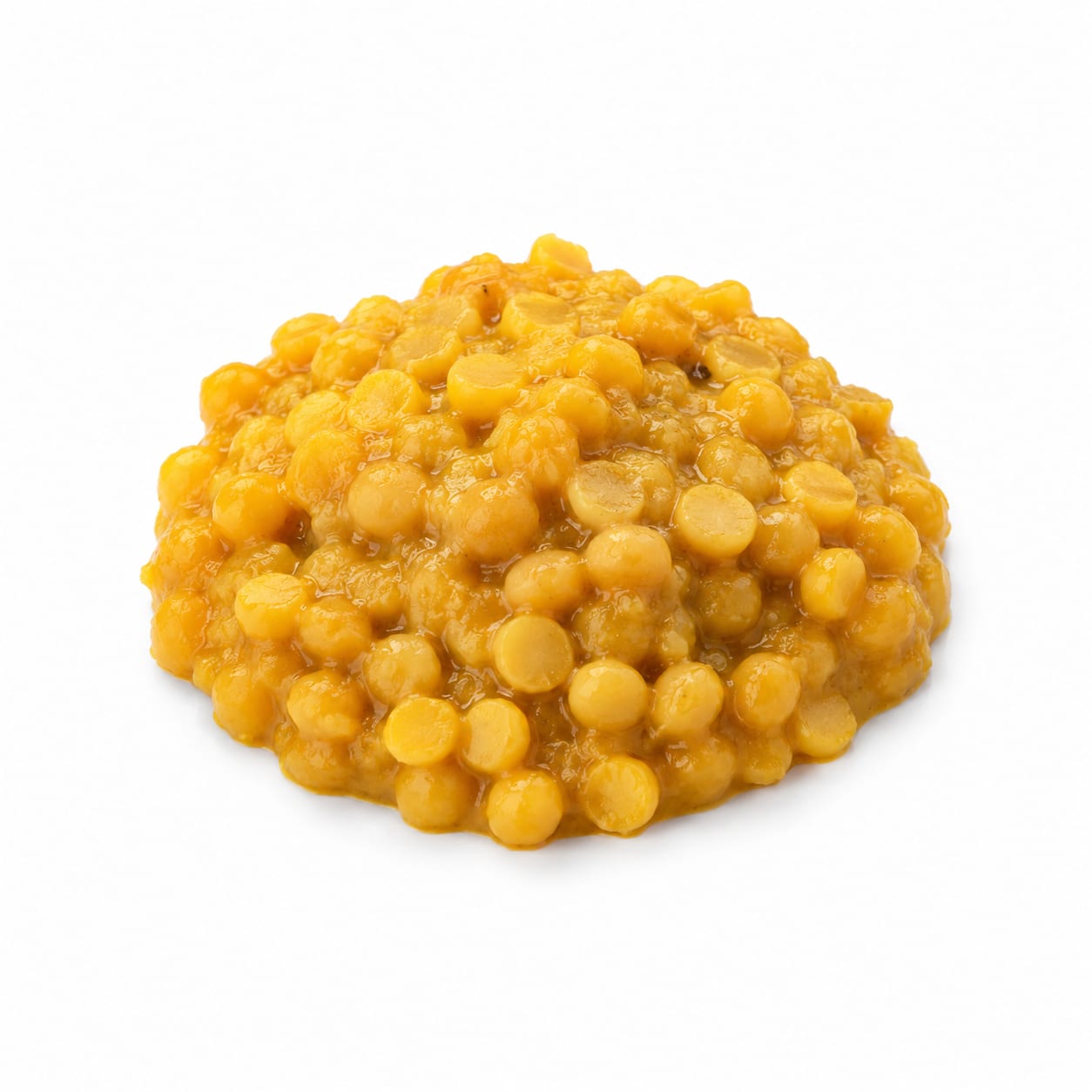
Yellow Pea
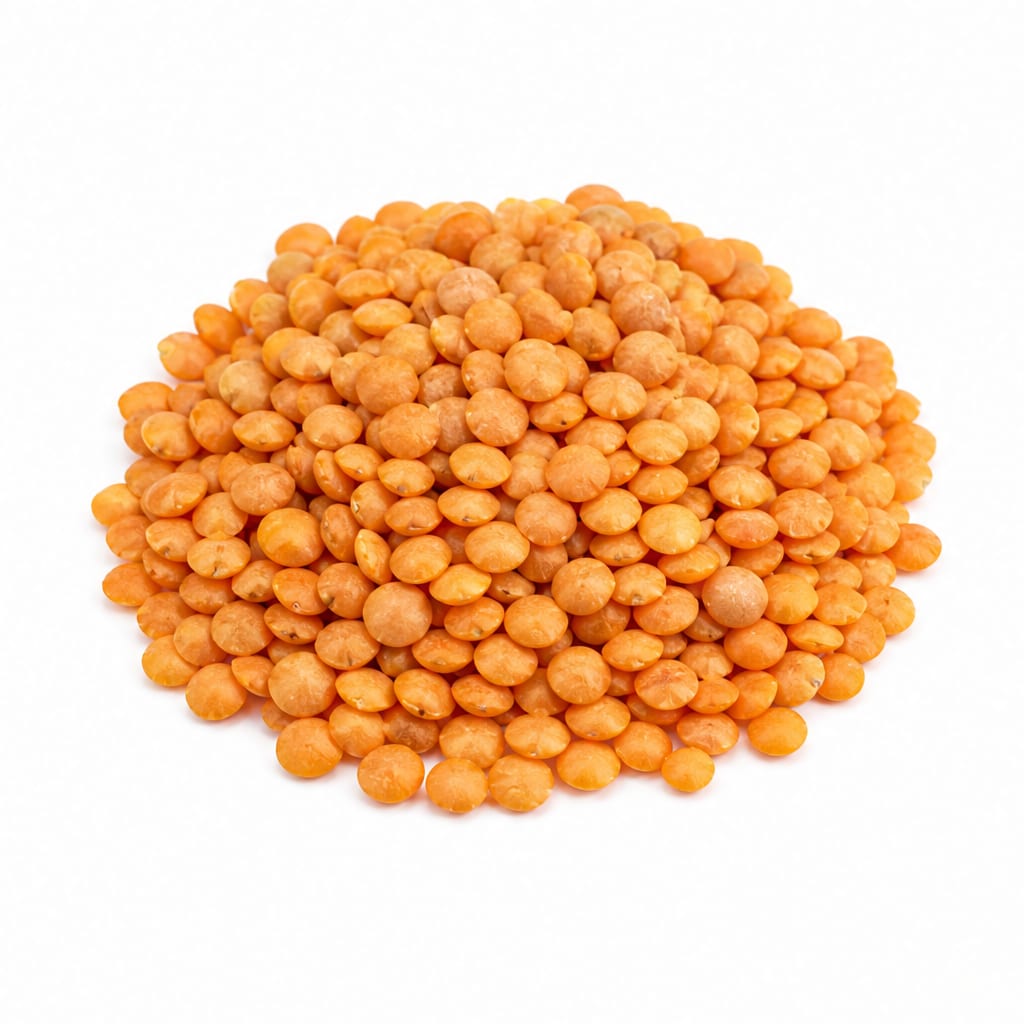
Lentils
Lentils edge out yellow peas thanks to superior iron and folate content, faster cooking time, and better digestibility, though yellow peas offer slightly more protein per serving and are often cheaper.
Lentils score higher due to their mineral density, cooking speed, and broader culinary versatility. Yellow peas remain strong on protein and price but lose ground on convenience and digestibility.
Yellow peas give you a bit more protein and a lower price tag, but lentils deliver more minerals, cook in half the time, and sit easier in most stomachs.
At a glance
Executive summary
Overall
Lentils
Healthier
Lentils
More practical
Lentils
Daily use
Lentils
Key comparison lenses
plant protein quality and quantity
Both are top plant protein sources, so users want to know which delivers better protein per bite
cooking convenience and weeknight practicality
Lentils cook much faster than whole yellow peas, a major daily decision factor
mineral density especially iron and folate
Lentils are notably richer in iron and folate, critical for women and vegetarians
digestive comfort and gas production
Both legumes cause gas, but yellow peas tend to be harder to digest for sensitive stomachs
blood sugar stability and satiety
Both are low glycemic, but subtle differences in fiber profile affect fullness duration
Best choice for
Yellow Pea
- Budget-conscious households wanting maximum protein per dollar
- Those already soaking beans regularly and comfortable with longer cook times
- People using legumes primarily in slow-cooked soups and stews
Lentils
- Vegetarians and vegans needing reliable iron and folate sources
- Busy home cooks wanting a 20-minute weeknight meal
- Anyone with mild digestive sensitivity to legumes
Least suitable for
Yellow Pea
- People prone to bloating and gas from legumes
- Anyone needing a quick-cooking weeknight protein
- Those with iron deficiency looking for the richest source
Lentils
- Those strictly optimizing for protein-per-calorie ratios
- People who dislike the earthy flavor lentils bring to dishes
- Anyone allergic to lentils specifically
Deep comparison
Dimension by dimension
Each lens scores both foods and breaks down who each option suits.
- Dimension 1 · Priority 95Yellow Pea
Protein Content and Quality
Yellow Pea · 82Lentils · 78Yellow peas deliver slightly more protein per cooked cup, but lentils offer a more balanced amino acid profile overall.
Tradeoff
Yellow peas win on raw protein quantity, but lentils provide better overall amino acid coverage when eaten as a staple.
Why it matters
For plant-based eaters relying on one primary legume, amino acid completeness matters more than a small protein edge.
Real-world impact
A cup of cooked yellow peas gives roughly 2-3 extra grams of protein compared to lentils, but both are solid protein sources that outperform most other plant foods.
Yellow Pea
- Athletes tracking every gram of protein
- Large-batch meal preppers optimizing macros
Better for
- Anyone expecting a complete protein source from one food
Worse for
Lentils
- Plant-based eaters needing well-rounded amino acids
- Those eating legumes as their primary protein daily
Better for
- Strict macro counters wanting maximum protein per calorie
Worse for
- Dimension 2 · Priority 90Lentils
Mineral Density
Yellow Pea · 62Lentils · 88Lentils are dramatically richer in iron and folate, two minerals that plant-based eaters often struggle to get enough of.
Tradeoff
Choosing yellow peas means accepting significantly less iron and folate per serving, which can compound over time for vegetarians.
Why it matters
Iron deficiency is the most common nutrient deficiency worldwide, and folate is critical for cell repair and pregnancy. Lentils are one of the best plant sources of both.
Real-world impact
A cup of lentils provides about 37% of daily iron needs versus roughly 15% from yellow peas. That gap is meaningful for anyone not eating red meat.
Yellow Pea
- People who already get plenty of iron from other sources
Better for
- Anyone relying on one legume as their primary iron source
Worse for
Lentils
- Menstruating women needing iron support
- Pregnant women or those planning pregnancy
- Vegetarians and vegans at risk for iron deficiency
Better for
- Dimension 3 · Priority 88Lentils
Cooking Convenience
Yellow Pea · 45Lentils · 85Lentils cook in 15-25 minutes with no soaking required. Whole yellow peas need 45-60 minutes even after soaking.
Tradeoff
Yellow peas demand planning ahead or a pressure cooker, while lentils are genuinely weeknight-friendly straight from the pantry.
Why it matters
The food you can cook easily is the food you actually eat. Long cook times are a real barrier to consistent legume consumption.
Real-world impact
You can decide to make lentils at 6pm and eat by 6:30. Yellow peas require remembering to soak them the night before or having 90 minutes to spare.
Yellow Pea
- Weekend batch cooks and slow cooker enthusiasts
- Pressure cooker owners who can cut cook time dramatically
Better for
- Spontaneous cooks who don't plan meals ahead
- Anyone without a pressure cooker or slow cooker
Worse for
Lentils
- Busy professionals cooking after work
- Anyone who decides dinner the same evening
- Meal preppers wanting quick turnaround
Better for
- Dimension 4 · Priority 82Lentils
Digestive Tolerance
Yellow Pea · 55Lentils · 72Lentils are generally easier to digest and produce less gas than whole yellow peas, though both require adjustment for new legume eaters.
Tradeoff
Yellow peas have tougher skins and more resistant starch, which feeds gut bacteria but also causes more bloating in sensitive people.
Why it matters
If eating a food makes you uncomfortable, you will stop eating it regardless of its nutritional profile.
Real-world impact
Most people report less bloating with lentils, especially red and yellow lentils which have their skins removed. Whole yellow peas are among the more gas-producing legumes.
Yellow Pea
- People with very robust digestion already adapted to high-fiber diets
Better for
- New legume eaters unaccustomed to high fiber
- Anyone with IBS or sensitive digestion
Worse for
Lentils
- Anyone gradually increasing legume intake
- People with irritable bowel who still want plant protein
- Those who find most beans too gassy
Better for
- Dimension 5 · Priority 78Yellow Pea
Blood Sugar Stability
Yellow Pea · 86Lentils · 80Both are excellent for blood sugar, but yellow peas have a slightly lower glycemic index and more resistant starch that slows glucose absorption.
Tradeoff
The difference is modest and unlikely to matter unless you are specifically managing diabetes with precise glycemic control.
Why it matters
Steadier blood sugar means fewer energy crashes and less craving between meals. Both foods excel here compared to most carb sources.
Real-world impact
After eating either food, you will feel full and energized for hours. The slight edge yellow peas have is real but small in everyday life.
Yellow Pea
- Diabetics optimizing for the lowest possible glycemic response
- People prone to afternoon energy crashes
Better for
Lentils
- Anyone wanting blood sugar stability with faster cooking
Better for
- Dimension 6 · Priority 75Lentils
Culinary Versatility
Yellow Pea · 55Lentils · 88Lentils come in multiple varieties that work in soups, salads, curries, and even baked goods. Yellow peas have a narrower culinary range.
Tradeoff
Lentils adapt to nearly any cuisine and cooking method. Yellow peas shine in soups and stews but feel limited beyond that.
Why it matters
Variety prevents meal fatigue. A food you can use ten ways is more valuable than one you can use three ways.
Real-world impact
Red lentils dissolve into creamy curries, green lentils hold their shape in salads, and brown lentils work in everything. Yellow peas mostly make hearty soups and split pea dal.
Yellow Pea
- Fans of traditional split pea soup and hearty stews
- Cooks who enjoy a few signature dishes repeated often
Better for
- Anyone wanting salad-friendly legumes
- Cooks seeking texture variety in dishes
Worse for
Lentils
- Home cooks wanting one legume that does everything
- People who get bored eating the same preparation repeatedly
- Those cooking across multiple cuisines
Better for
- Dimension 7 · Priority 70Yellow Pea
Cost Effectiveness
Yellow Pea · 90Lentils · 82Yellow peas are typically cheaper per pound than lentils, making them one of the most affordable protein sources available.
Tradeoff
The savings are real but modest, and the extra cooking time and lower mineral content may offset the financial benefit for some households.
Why it matters
For families on tight budgets, every dollar per gram of protein matters. Yellow peas deliver exceptional protein value.
Real-world impact
Yellow peas often cost 30-50% less per pound than lentils. Over a year of regular legume consumption, that difference adds up for budget-conscious households.
Yellow Pea
- Large families feeding many people affordably
- Anyone on a very tight grocery budget
Better for
- Anyone who factors in the cost of longer cooking energy use
Worse for
Lentils
- Those who value time savings over small cost differences
- People willing to pay slightly more for better nutrition per bite
Better for
Timeline
Health impact over time
Short-term
Hours to days
Yellow Pea
- More pronounced bloating and gas when first introduced to the diet
- Sustained fullness lasting 4-5 hours due to resistant starch content
- Slower digestion may cause heaviness if eaten in large portions
Lentils
- Milder digestive adjustment period with less gas production
- Steady energy without heaviness when eaten in moderate portions
- Faster digestion means slightly shorter satiety window compared to yellow peas
Long-term
Months to years
Yellow Pea
- Excellent sustained protein intake for muscle maintenance
- Strong blood sugar regulation supporting diabetes prevention
- Risk of iron deficiency if yellow peas are the sole legume consumed without other iron sources
Lentils
- Superior iron status reducing fatigue and supporting cognitive function
- High folate intake supporting cell repair and cardiovascular health
- Consistent fiber intake improving gut microbiome diversity over time
Risk profile
Safety & processing
Both yellow peas and lentils are whole, minimally processed foods sold dried in bags with no additives. They are about as natural as protein sources get.
Yellow Pea
Anti-nutrient content (phytic acid and lectins)
lowProper cooking neutralizes most lectins and reduces phytic acid. Soaking yellow peas before cooking further minimizes anti-nutrient effects on mineral absorption.
Pesticide residue on conventionally grown crops
lowDried peas are low on the pesticide concern scale. Organic options exist but conventional yellow peas are generally safe.
Lentils
Anti-nutrient content (phytic acid and tannins)
lowLentils contain phytic acid and some tannins, especially darker varieties. Cooking and soaking reduce these significantly. Tannins can slightly reduce iron absorption from the lentils themselves.
Cross-contamination with stones or debris
lowDried lentils should always be rinsed and sorted before cooking to remove small stones or debris that can occasionally be present.
Who wins for whom
Audience fit
Same foods, different winners depending on your goal.
children
LentilsLentils cook to a softer texture that is easier for children to eat, cause less digestive discomfort, and provide critical iron and folate for growing bodies. Red lentils in particular work well as a first legume for kids.
daily consumption
LentilsLentils are easier to digest daily, cook faster for regular meals, and provide a broader mineral profile. Their culinary versatility also prevents the meal fatigue that can come from eating the same food every day.
diabetes
Yellow PeaYellow peas have a marginally lower glycemic index and more resistant starch, providing slightly better blood sugar control. However, both are excellent choices that outperform nearly all other carb sources.
elderly
LentilsOlder adults benefit most from lentils' superior iron and folate content, easier digestibility, and softer texture when cooked. The shorter cooking time also matters for those with less stamina for meal preparation.
muscle gain
Yellow PeaYellow peas deliver slightly more protein per serving and are the basis of pea protein supplements for good reason. The extra protein grams add up when eating multiple servings daily.
weight loss
LentilsLentils provide slightly fewer calories per cup with more fiber and iron, making them more satiating per calorie. The faster cooking also means you are more likely to actually cook them instead of reaching for convenience foods.
Your move
Decision guide
Choose Yellow Pea
- You are optimizing for maximum protein on a tight budget
- You already own a pressure cooker and batch cook legumes weekly
- You love traditional split pea soup and hearty winter stews
- You are specifically managing blood sugar and want the lowest glycemic option
Choose Lentils
- You want the most nutritionally complete legume for daily eating
- You cook dinner on weeknights and need something ready in 25 minutes
- You are vegetarian or vegan and need reliable iron and folate
- You have mild digestive sensitivity but still want plant protein
- You enjoy cooking across different cuisines and want a versatile ingredient
Either works if
- You are simply trying to eat more legumes and both are available
- You are already eating a varied diet with multiple protein sources
- You want to rotate between them for nutritional diversity
Avoid both if
- You have a diagnosed legume allergy
- You are in the acute phase of a low-FODMAP elimination diet
- You have severe IBS that has not been gradually adapted to high-fiber foods
Final recommendation
For most people, lentils are the better everyday legume. They cook faster, digest easier, and deliver more iron and folate per bite. Yellow peas are a smart choice when budget is the top priority or you are specifically seeking more protein and lower glycemic impact. The ideal approach is keeping both in your pantry: lentils for quick weeknight meals and yellow peas for weekend batch cooking and hearty soups.
Practical
Consumer tips
- 1
Start with small portions of either legume and gradually increase over two weeks to let your gut adapt and reduce gas
- 2
Soak yellow peas overnight to cut cooking time in half and improve digestibility significantly
- 3
Red and yellow lentils cook fastest and are most digestible, making them the best entry point for new legume eaters
- 4
Pair either legume with vitamin C rich foods like tomatoes or bell peppers to dramatically boost iron absorption
- 5
Sort and rinse dried lentils before cooking to remove any small stones or dust
- 6
Add a piece of kombu seaweed to the cooking water for either legume to help reduce gas-producing compounds
- 7
Cook a large batch of lentils on Sunday and use them in salads, wraps, and grain bowls throughout the week
- 8
If yellow peas cause bloating, try split yellow peas instead, which have the skins removed and are gentler on digestion