
Nutrition comparison
Yellow Peas vs Kidney Beans: Nutrition, Safety, and Which to Choose
Compare Yellow Peas and Kidney Beans on protein, fiber, safety, and digestibility. Learn which legume is better for weight loss, muscle gain, diabetes, and everyday cooking.
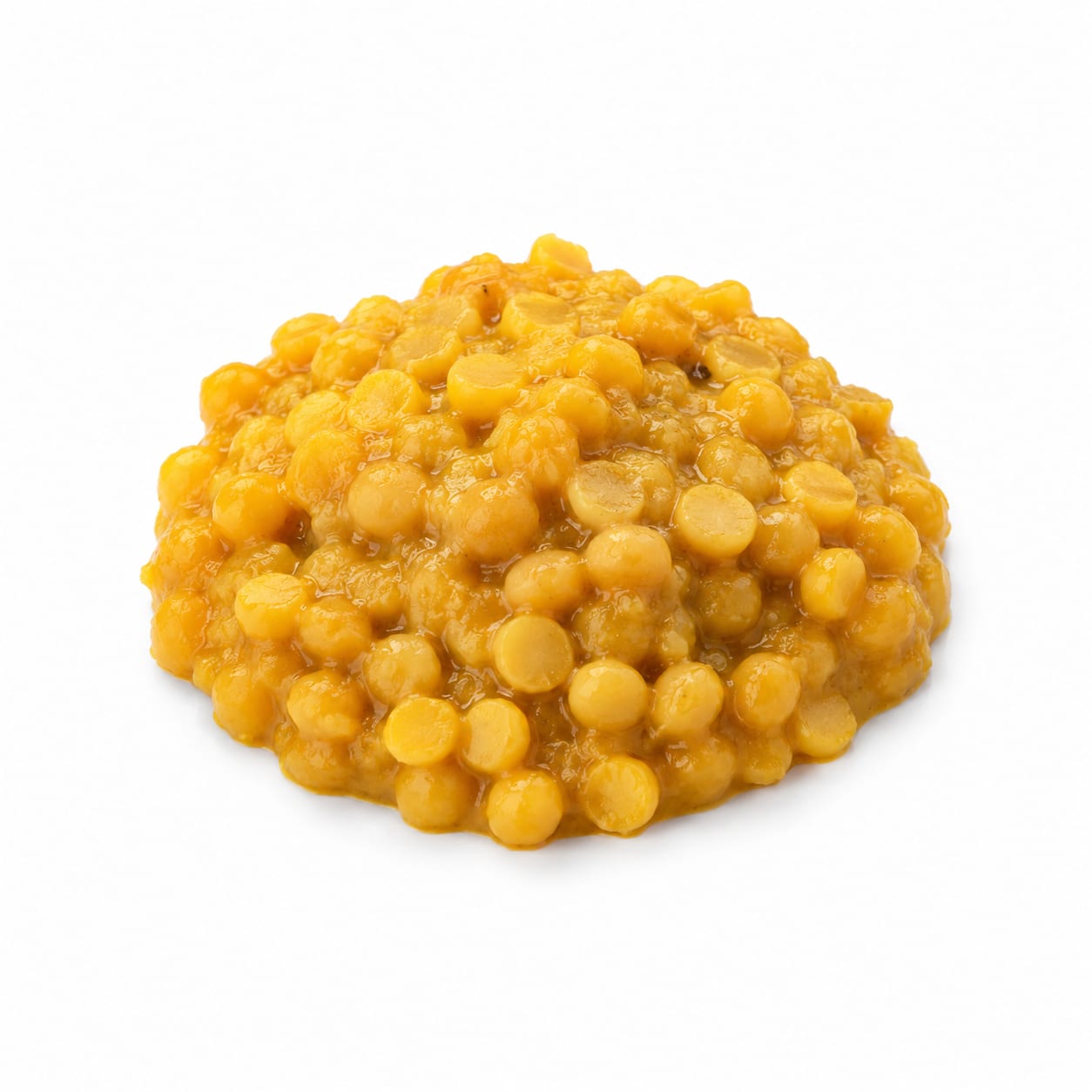
Yellow Pea
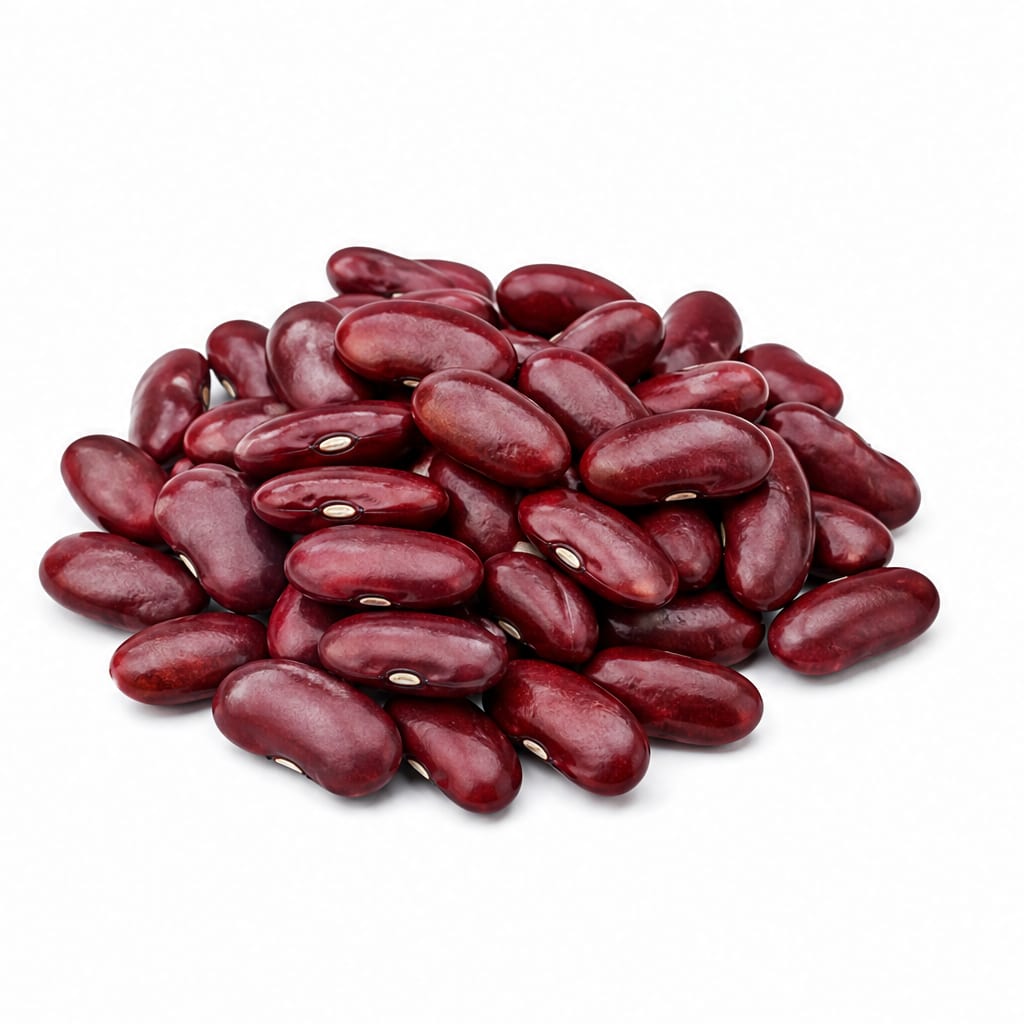
Kidney Beans
Kidney Beans edge ahead on micronutrients and fiber, but Yellow Peas win on safety, digestibility, and convenience. Your choice depends on what matters more at dinner tonight.
Kidney Beans score slightly higher due to superior micronutrient density and fiber, but the gap narrows significantly when factoring in safety risks and digestibility. Yellow Peas are the safer, easier everyday choice even if they sacrifice some nutritional depth.
Kidney Beans give you more iron, folate, and resistant starch, but they demand careful cooking and can be tougher on digestion. Yellow Peas are gentler, faster to prepare, and safer, but slightly less nutrient-dense.
At a glance
Executive summary
Overall
It depends
Healthier
Kidney Beans
More practical
Yellow Pea
Daily use
Yellow Pea
Key comparison lenses
plant protein source selection
Both are top plant protein options and users are likely deciding which legume best meets their protein needs
digestive tolerance and gut comfort
Legumes are notorious for causing bloating and gas, so digestibility is a major real-world concern
safety and preparation requirements
Kidney beans carry a unique toxin risk if undercooked, which is a critical practical differentiator
blood sugar management
Both are low-glycemic staples, but users with diabetes or insulin resistance need to know which stabilizes blood sugar better
micronutrient density for plant-based diets
People relying on legumes for minerals like iron and folate need to know which delivers more
Best choice for
Yellow Pea
- People with sensitive digestion who want a gentler legume
- Busy cooks who want faster prep without safety worries
- Anyone meal-prepping soups and stews for the week
- Those new to eating legumes regularly
- Plant-based eaters prioritizing easy protein over micronutrients
Kidney Beans
- Plant-based eaters who need maximum iron and folate
- People managing blood sugar who benefit from resistant starch
- Chili and salad lovers who want a hearty, satisfying bean
- Anyone wanting the most filling option per serving
- Those comfortable with proper soaking and cooking techniques
Least suitable for
Yellow Pea
- Anyone needing peak iron intake from plant sources
- People who find pea soup boring and want more culinary variety
- Those seeking the highest antioxidant content from legumes
Kidney Beans
- Impatient cooks who skip soaking steps
- People with IBS or severe bloating sensitivity
- Children or elderly who might not chew thoroughly enough
- Anyone using slow cookers at low heat for bean preparation
Deep comparison
Dimension by dimension
Each lens scores both foods and breaks down who each option suits.
- Dimension 1 · Priority 95Yellow Pea
Protein Content and Quality
Yellow Pea · 82Kidney Beans · 76Yellow Peas deliver slightly more protein per calorie, making them a more efficient protein source for plant-based eaters watching their intake.
Tradeoff
Kidney Beans still provide solid protein but come with more calories per gram of protein. Yellow Peas are leaner but lack some essential amino acids that Kidney Beans complement better when paired with grains.
Why it matters
If you are tracking protein macros or trying to maximize protein while keeping calories low, Yellow Peas have a meaningful edge.
Real-world impact
A cup of Yellow Peas gives you roughly 2-3 more grams of protein for fewer calories than the same amount of Kidney Beans. That adds up over a week of meals.
Yellow Pea
- Lean bulking phases where calorie efficiency matters
- Plant-based athletes tracking protein per calorie
- Smaller appetites who need protein density without volume
Better for
- Meals not paired with grains where amino acid balance is weaker
Worse for
Kidney Beans
- Meals paired with rice where amino acid complementarity shines
- Recovery meals where total calorie intake is welcome
Better for
- Cutting phases where extra calories from carbs and fat reduce protein efficiency
Worse for
- Dimension 2 · Priority 90Kidney Beans
Fiber and Digestive Health
Yellow Pea · 72Kidney Beans · 85Kidney Beans pack significantly more fiber, especially resistant starch that feeds gut bacteria and steadies blood sugar.
Tradeoff
More fiber means better long-term gut health but also more gas and bloating, especially if your body is not used to high-fiber legumes. Yellow Peas are gentler on the stomach while still providing decent fiber.
Why it matters
If you are ramping up fiber intake, Kidney Beans accelerate gut health benefits but can cause real discomfort during the adjustment period.
Real-world impact
Kidney Beans can make you feel very full for hours, which is great for weight management but uncomfortable if you eat a large portion before physical activity.
Yellow Pea
- People with IBS or sensitive digestion
- Anyone transitioning to a high-fiber diet who needs a gentler start
- Light lunches before afternoon activity
Better for
- Those who specifically need resistant starch for gut bacteria feeding
Worse for
Kidney Beans
- Gut microbiome optimization with resistant starch
- Weight management through prolonged fullness
- Constipation relief for those who tolerate high fiber well
Better for
- Social situations where bloating and gas are problematic
- Post-workout meals where you need lighter digestion
Worse for
- Dimension 3 · Priority 85Kidney Beans
Micronutrient Density
Yellow Pea · 65Kidney Beans · 84Kidney Beans are clearly superior in iron, folate, potassium, and magnesium. They are one of the most nutrient-dense legumes available.
Tradeoff
You get more vitamins and minerals per serving with Kidney Beans, but the phytic acid in both legumes can reduce mineral absorption. Soaking and cooking properly helps mitigate this for both.
Why it matters
For plant-based eaters not taking supplements, Kidney Beans are a meaningful source of iron and folate that Yellow Peas simply cannot match.
Real-world impact
A single cup of Kidney Beans provides about 20% more iron and nearly double the folate of Yellow Peas. Over months, this difference matters for energy and blood health.
Yellow Pea
- Those already supplementing iron and folate who do not need food sources as much
Better for
- Plant-based dieters who depend on legumes as a primary iron source
Worse for
Kidney Beans
- Pregnant women needing folate from food sources
- Plant-based eaters at risk of iron deficiency
- Anyone not taking a multivitamin who relies on food for minerals
Better for
- Those with iron overload conditions who should limit high-iron foods
Worse for
- Dimension 4 · Priority 82Kidney Beans
Blood Sugar Stability
Yellow Pea · 74Kidney Beans · 81Both are low-glycemic, but Kidney Beans have more resistant starch and fiber, which slows glucose absorption more effectively.
Tradeoff
Kidney Beans provide steadier blood sugar over a longer period, but Yellow Peas still perform well and are less likely to cause the heavy sluggish feeling that very high-fiber meals can bring.
Why it matters
For anyone with prediabetes or diabetes, the extra resistant starch in Kidney Beans offers a measurable advantage in post-meal glucose control.
Real-world impact
After a Kidney Bean meal, your blood sugar rises more slowly and stays flatter for longer. With Yellow Peas, the curve is slightly steeper but still far better than grains or potatoes.
Yellow Pea
- Lighter meals where you want steady energy without feeling weighed down
- Pre-exercise meals where too much resistant starch can cause discomfort
Better for
- Those who need maximum glycemic control from every meal
Worse for
Kidney Beans
- Diabetes management where every point of glycemic control counts
- Evening meals where prolonged satiety prevents late-night snacking
Better for
- Pre-workout fueling where digestive comfort matters more than glucose curve optimization
Worse for
- Dimension 5 · Priority 88Yellow Pea
Safety and Preparation Requirements
Yellow Pea · 92Kidney Beans · 58Yellow Peas are straightforward to cook safely. Kidney Beans contain phytohaemagglutinin, a natural toxin that can cause severe illness if beans are not cooked thoroughly at high enough heat.
Tradeoff
Kidney Beans require soaking and a full boil to neutralize their toxin. Slow cookers alone are not safe for Kidney Beans. Yellow Peas have no such risk and are more forgiving to prepare.
Why it matters
This is the single biggest practical difference. Undercooked Kidney Beans can cause vomiting and abdominal pain within hours. It is a real risk, not a theoretical one.
Real-world impact
If you toss Kidney Beans into a slow cooker on low without pre-boiling, you could get genuinely sick. Yellow Peas have no such danger and can be cooked almost any way without worry.
Yellow Pea
- Beginner cooks unfamiliar with legume safety
- Slow cooker and Instant Pot users who want dump-and-go meals
- Meal prepping in bulk where cooking vigilance may slip
- Households with children who might undercook or snack on raw beans
Better for
- No meaningful safety downside compared to Kidney Beans
Worse for
Kidney Beans
- Experienced cooks who always soak and boil properly
- Recipes where the firm texture of properly cooked Kidney Beans is essential
Better for
- Anyone using low-heat cooking methods exclusively
- Busy households where preparation shortcuts are common
- Potluck or buffet settings where you cannot verify cooking methods
Worse for
- Dimension 6 · Priority 72It depends
Culinary Versatility and Satisfaction
Yellow Pea · 75Kidney Beans · 78Kidney Beans hold their shape and texture better in dishes like chili and salads. Yellow Peas break down beautifully into soups and dips but lack the firm bite many people enjoy.
Tradeoff
Yellow Peas excel in comfort food applications like soups and curries where creaminess is desired. Kidney Beans shine where you want distinct, satisfying chunks that make a meal feel substantial.
Why it matters
The food you enjoy eating consistently is the food that will actually improve your health. Texture preference is not trivial.
Real-world impact
If you love thick, hearty chili with firm beans, Kidney Beans deliver satisfaction that split pea soup cannot replicate. But if you find comfort in a warm bowl of pea soup on a cold night, Yellow Peas win that moment entirely.
Yellow Pea
- Comforting soups and stews with creamy texture
- Dips and spreads where smoothness is desired
- Cold-weather meals that feel nourishing and warming
Better for
- Any dish where you want beans to stay intact and chewable
Worse for
Kidney Beans
- Chili, salads, and grain bowls where texture matters
- BBQ and picnic dishes where beans need to hold together
- Meals where visual appeal of distinct bean shapes adds satisfaction
Better for
- Creamy soups and purées where firm beans are the wrong texture
Worse for
Timeline
Health impact over time
Short-term
Hours to days
Yellow Pea
- Gentle on digestion with less bloating than most legumes
- Provides steady energy without heaviness or sluggishness
- Unlikely to cause GI distress even in larger portions
Kidney Beans
- Very filling, which helps with portion control but can feel heavy
- May cause significant gas and bloating if you are not used to high fiber
- Risk of nausea and vomiting if undercooked due to phytohaemagglutinin toxin
Long-term
Months to years
Yellow Pea
- Consistent protein intake supports muscle maintenance with low calorie cost
- Moderate fiber contributes to regular digestion without overwhelming the system
- Lower iron intake may require attention if Yellow Peas are your primary legume
Kidney Beans
- Superior iron and folate intake supports blood health and energy over time
- High resistant starch feeds beneficial gut bacteria and may improve metabolic health
- Consistent high fiber intake reduces cardiovascular disease risk meaningfully
Risk profile
Safety & processing
Both Yellow Peas and Kidney Beans are whole, minimally processed foods in their dried form. Canned versions may contain added sodium, so rinsing is recommended. Neither carries concerns about artificial additives when bought dried or low-sodium canned.
Yellow Pea
Minimal toxin risk
lowYellow Peas have no significant natural toxins. They are safe to cook by any method including slow cookers and low-heat simmering.
Kidney Beans
Phytohaemagglutinin poisoning from undercooking
highRaw or undercooked Kidney Beans contain a lectin that can cause severe nausea, vomiting, and abdominal pain within 1-3 hours. Just 4-5 raw beans can trigger symptoms. Always soak for at least 5 hours and boil vigorously for at least 10 minutes before reducing heat.
Canned bean sodium content
mediumCanned Kidney Beans often contain 400-600mg sodium per serving. Rinsing removes about 40% but not all. Choose low-sodium or no-salt-added versions when possible.
Who wins for whom
Audience fit
Same foods, different winners depending on your goal.
children
Yellow PeaYellow Peas are safer to prepare, easier to digest, and can be blended into familiar soups. Kidney Beans carry a toxin risk if a child eats undercooked portions.
daily consumption
Yellow PeaThe combination of easier digestion, faster cooking, and zero safety concerns makes Yellow Peas more sustainable as an everyday staple.
diabetes
Kidney BeansThe higher resistant starch and fiber content in Kidney Beans produces a flatter, more sustained blood sugar response that is better for glycemic control.
elderly
Yellow PeaGentler digestion and no toxin risk make Yellow Peas a safer choice for older adults who may have reduced stomach acid or less consistent cooking habits.
muscle gain
Yellow PeaYellow Peas offer slightly more protein per calorie, making them a more efficient choice when you are tracking macros for lean muscle growth.
weight loss
Kidney BeansKidney Beans provide more fiber and resistant starch per serving, keeping you fuller for longer and reducing the urge to snack between meals.
Your move
Decision guide
Choose Yellow Pea
- You want a low-stress legume you can cook any way without safety worries
- Your digestion is sensitive and you want to avoid bloating and gas
- You meal-prep soups and stews and want something that freezes and reheats well
- You are feeding children or elderly family members who need gentler foods
- You use a slow cooker regularly and want dump-and-go convenience
Choose Kidney Beans
- You need maximum iron and folate from plant sources
- You are managing blood sugar and want the most glycemic-stable legume
- You love the firm, satisfying texture of beans in chili and salads
- You are an experienced cook who always soaks and boils beans properly
- You want the most filling option to support weight management
Either works if
- You are simply trying to eat more legumes and both are available
- You rotate between soups and chili depending on the season
- You are plant-based and already supplement iron and B vitamins
Avoid both if
- You have a diagnosed legume allergy
- You are in an acute flare of IBS or SIBO and need a low-FODMAP period
- You are on a very low-carb or ketogenic diet where legume carbs do not fit your macros
Final recommendation
Keep both in your pantry. Use Yellow Peas for easy weeknight soups and gentle digestion days. Use Kidney Beans for weekend chili, meal-prep salads, and days when you want maximum fullness and nutrient density. If you must pick one for daily use, Yellow Peas are the safer, more forgiving choice. If you are confident in your cooking and prioritize micronutrients, Kidney Beans give you more per bite.
Practical
Consumer tips
- 1
Always soak Kidney Beans for at least 5 hours and boil hard for 10 minutes before simmering. Never cook them from dry in a slow cooker on low.
- 2
Rinse canned Kidney Beans thoroughly to remove about 40% of the added sodium.
- 3
Yellow Split Peas cook in about 30-45 minutes without soaking, making them one of the fastest dried legumes to prepare.
- 4
If bloating is a concern with either legume, start with small portions of Yellow Peas and gradually increase over two weeks to let your gut adapt.
- 5
Pair either legume with a vitamin C source like bell peppers or tomatoes to boost iron absorption by 2-3x.
- 6
Freeze cooked Yellow Pea soup in individual portions for quick lunches that reheat in minutes.
- 7
For the best of both worlds, mix Yellow Peas and Kidney Beans in a hearty vegetable soup where their textures complement each other.