
Nutrition comparison
Yellow Peas vs Green Peas: Nutrition, Protein, and Health Comparison
Compare yellow peas and green peas side by side. Discover which has more protein, better vitamins, lower glycemic index, and which fits your health goals best.
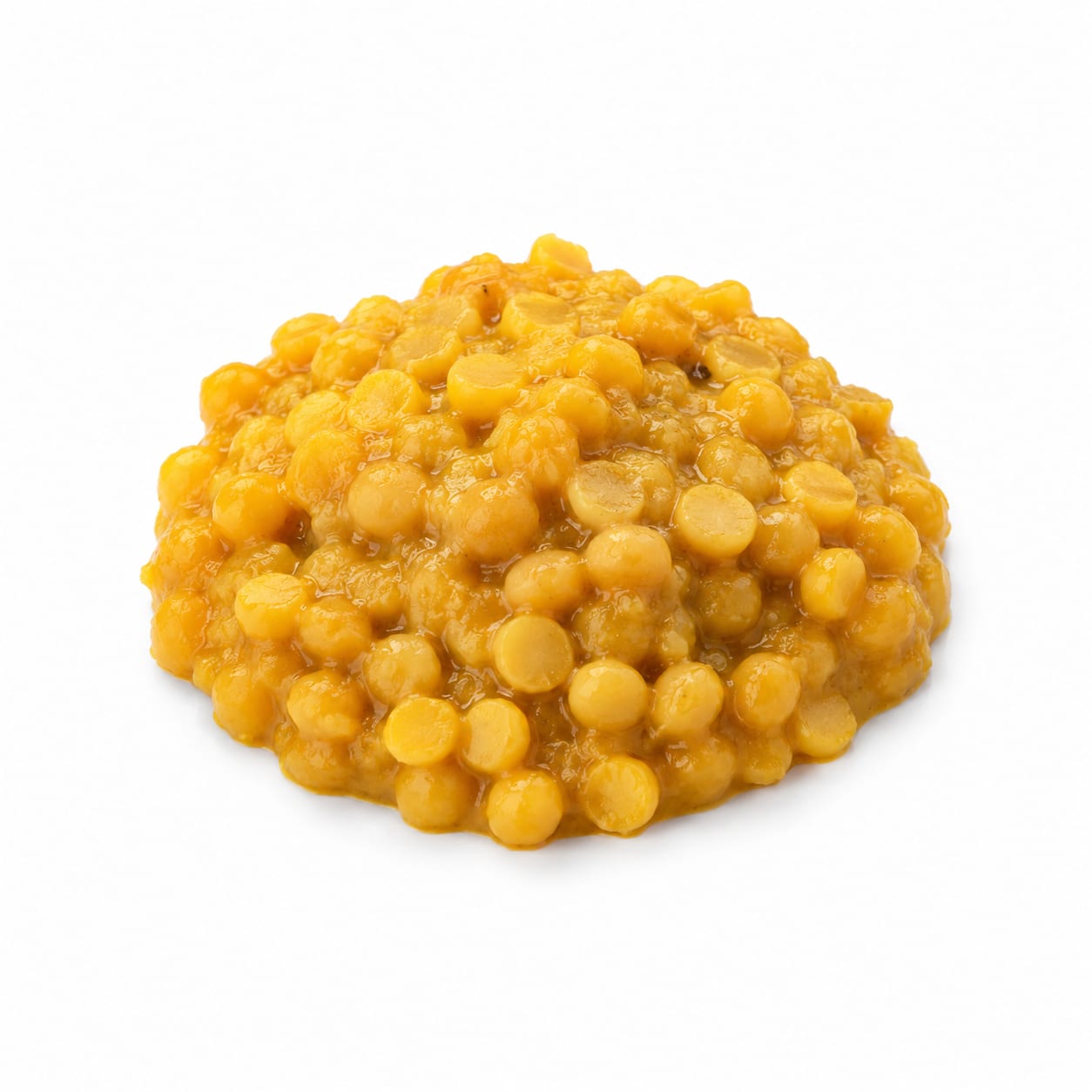
Yellow Pea
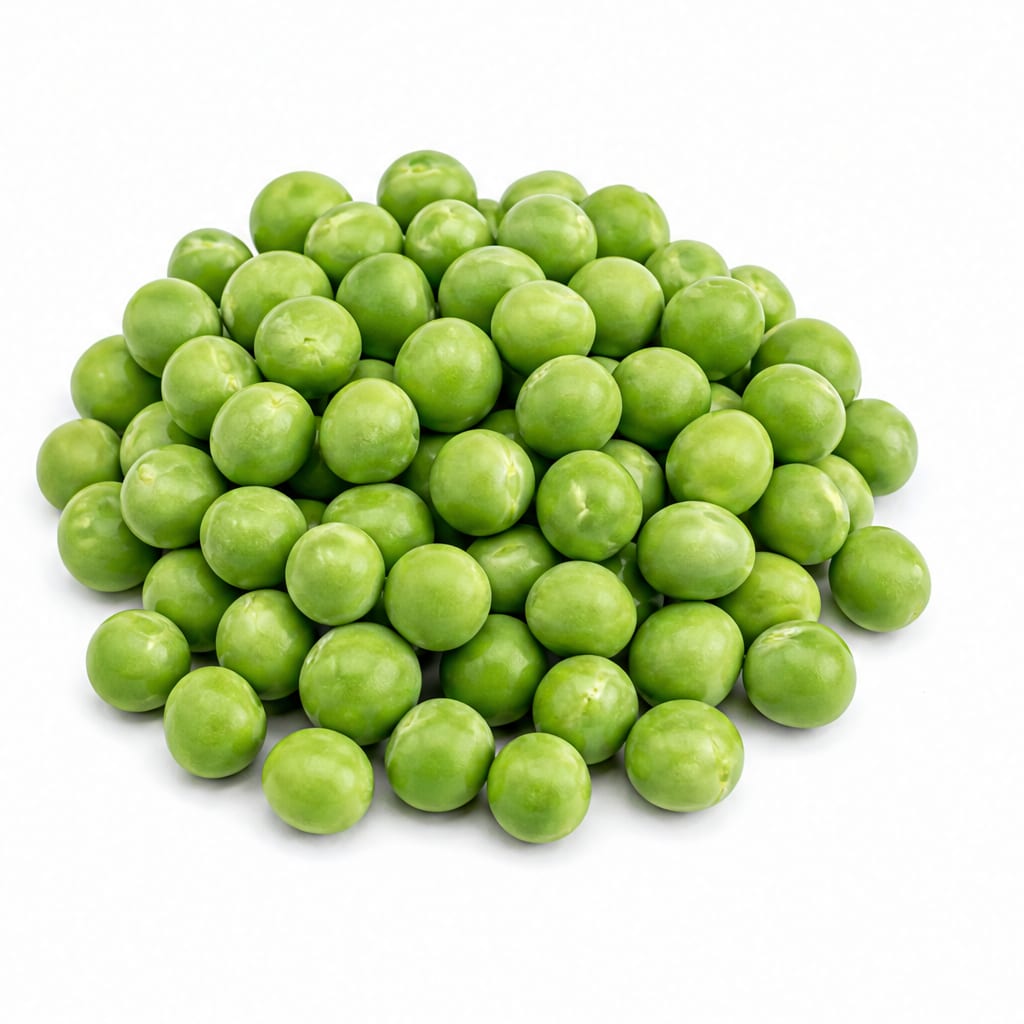
Green Peas
Green peas win on vitamins and freshness; yellow peas win on protein density, satiety, and blood sugar stability.
Green peas score slightly higher due to superior micronutrient density, antioxidant content, and everyday convenience. Yellow peas remain excellent for protein concentration and blood sugar management but are less versatile for daily vegetable intake.
You choose between vibrant micronutrients and antioxidant power in green peas versus more concentrated protein, fiber, and steadier energy from yellow peas.
At a glance
Executive summary
Overall
It depends
Healthier
It depends
More practical
Green Peas
Daily use
Green Peas
Key comparison lenses
nutrient density and vitamin content
Green peas are significantly richer in vitamins C, K, and antioxidants due to their fresh/frozen state and chlorophyll content
protein and satiety comparison
Yellow peas are more concentrated in protein and fiber per serving, making them more filling and popular for plant-based protein
blood sugar and glycemic impact
Yellow peas contain more resistant starch and have a lower glycemic index, which matters for diabetes and energy stability
culinary versatility and convenience
Green peas are ready-to-eat from frozen while yellow peas require longer cooking, affecting daily practicality
cost and caloric efficiency
Yellow peas are typically cheaper per gram of protein and calorie, relevant for budget-conscious meal planning
Best choice for
Yellow Pea
- Plant-based protein seekers wanting affordable, concentrated protein
- People managing blood sugar who need low-glycemic, high-fiber meals
- Bulk meal preppers looking for shelf-stable, cost-effective legumes
- Athletes needing sustained energy and muscle-supporting amino acids
Green Peas
- Anyone prioritizing vitamin C, vitamin K, and antioxidant intake
- Families wanting a quick, kid-friendly vegetable side dish
- People seeking lower-calorie volume eating with high nutrient density
- Those wanting anti-inflammatory benefits from lutein and chlorophyll
Least suitable for
Yellow Pea
- Quick weeknight dinners when you lack 45-60 minutes for cooking
- People sensitive to concentrated legumes who experience bloating easily
- Anyone wanting a fresh, light vegetable texture in their meal
Green Peas
- High-protein dieters who need concentrated protein per calorie
- Budget-limited shoppers needing maximum nutrition per dollar spent
- Long-term storage or emergency food supplies due to perishability
Deep comparison
Dimension by dimension
Each lens scores both foods and breaks down who each option suits.
- Dimension 1 · Priority 92Green Peas
Vitamin and Antioxidant Density
Yellow Pea · 45Green Peas · 90Green peas deliver significantly more vitamin C, vitamin K, lutein, and chlorophyll-related antioxidants than yellow peas.
Tradeoff
Yellow peas lose most heat-sensitive vitamins during drying but retain minerals and protein; green peas preserve their full micronutrient spectrum.
Why it matters
Vitamin C and K support immune function, bone health, and blood clotting. Lutein protects eye health. These are nutrients many people under-consume.
Real-world impact
A cup of green peas covers over half your daily vitamin C needs. Yellow peas provide almost none of this vitamin.
Yellow Pea
- Mineral intake, especially iron and manganese
Better for
- Vitamin C is nearly absent in dried yellow peas
- Lower overall antioxidant diversity
Worse for
Green Peas
- Immune support from vitamin C
- Eye health from lutein and zeaxanthin
- Bone health from vitamin K
- Anti-inflammatory benefits from chlorophyll
Better for
- Slightly lower iron concentration per cooked cup compared to yellow split peas
Worse for
- Dimension 2 · Priority 88Yellow Pea
Protein Content and Satiety
Yellow Pea · 88Green Peas · 62Yellow peas deliver roughly 50% more protein per cooked serving than green peas, making them significantly more filling.
Tradeoff
You get more sustained fullness from yellow peas but sacrifice the lighter, fresher eating experience of green peas.
Why it matters
Higher protein per calorie helps with muscle maintenance, appetite control, and reducing between-meal snacking.
Real-world impact
A bowl of yellow pea soup keeps you full for hours. Green peas as a side dish are satisfying but won't carry a meal alone.
Yellow Pea
- Post-workout recovery meals
- Appetite control during weight loss
- Plant-based meal anchoring as a primary protein source
Better for
- Can feel heavy if you want a light meal
Worse for
Green Peas
- Lighter meals where you want protein without heaviness
- Balancing a plate that already has a protein source
Better for
- Insufficient as a standalone protein source for most meals
Worse for
- Dimension 3 · Priority 85Yellow Pea
Blood Sugar Stability
Yellow Pea · 85Green Peas · 68Yellow peas have a lower glycemic index and more resistant starch, leading to steadier blood sugar after eating.
Tradeoff
Green peas are still low-glycemic compared to most foods but cause a slightly faster blood sugar rise than yellow peas.
Why it matters
Steadier blood sugar means fewer energy crashes, reduced cravings, and better long-term metabolic health.
Real-world impact
After yellow pea soup, you feel energized for hours without a crash. Green peas are still safe but less dramatic in their stabilizing effect.
Yellow Pea
- People with diabetes or insulin resistance
- Afternoon energy crash prevention
- Sustained energy for long workdays
Better for
- Not ideal right before intense exercise when you need quick energy
Worse for
Green Peas
- Pre-workout fuel when you want slightly faster-available energy
Better for
- Slightly less protective for those with blood sugar concerns
Worse for
- Dimension 4 · Priority 82Yellow Pea
Fiber Quality and Digestive Health
Yellow Pea · 86Green Peas · 72Yellow peas provide more total fiber and resistant starch per serving, supporting gut bacteria diversity and digestive regularity.
Tradeoff
Higher fiber concentration in yellow peas can cause more bloating and gas if your digestive system is not accustomed to legumes.
Why it matters
Resistant starch feeds beneficial gut bacteria, producing short-chain fatty acids that protect colon health and reduce inflammation.
Real-world impact
Regular yellow pea consumption improves digestion over time but may cause discomfort during the first week of adjustment.
Yellow Pea
- Gut microbiome support from resistant starch
- Cholesterol reduction through soluble fiber
- Digestive regularity for those already adapted to legumes
Better for
- Higher likelihood of gas and bloating, especially initially
Worse for
Green Peas
- Easier digestion for sensitive stomachs
- Gentler introduction to legume fiber
Better for
- Less resistant starch means fewer prebiotic benefits per serving
Worse for
- Dimension 5 · Priority 80Green Peas
Convenience and Everyday Practicality
Yellow Pea · 45Green Peas · 88Green peas are ready in minutes from frozen, while yellow peas require 45-60 minutes of cooking even after soaking.
Tradeoff
Yellow peas reward patience with more concentrated nutrition, but green peas fit effortlessly into busy weeknights.
Why it matters
The best healthy food is the one you actually prepare. Convenience often determines whether a food becomes a habit or stays in the pantry.
Real-world impact
Frozen green peas can be tossed into any dish in 3 minutes. Yellow peas require planning ahead or using a pressure cooker.
Yellow Pea
- Batch cooking and meal prep sessions
- Slow cooker or pressure cooker recipes
- Shelf-stable emergency pantry supplies
Better for
- Impractical for spontaneous cooking
- Requires advance planning or soaking
Worse for
Green Peas
- Last-minute dinner additions
- Quick lunch upgrades
- Families needing fast vegetable sides kids will eat
Better for
- Freezer space required
- Less shelf-stable long-term
Worse for
- Dimension 6 · Priority 75Yellow Pea
Cost Efficiency and Accessibility
Yellow Pea · 90Green Peas · 70Yellow peas are one of the cheapest protein sources available, costing significantly less per gram of protein than green peas.
Tradeoff
Green peas cost more per serving but require no preparation time, which has its own value.
Why it matters
For budget-limited households, cost per nutrient determines whether healthy eating is sustainable long-term.
Real-world impact
A bag of yellow split peas can provide protein for a family for days at very low cost. Green peas are affordable but less economical per protein gram.
Yellow Pea
- Budget-conscious households
- Bulk buying and long-term storage
- Maximum nutrition per dollar spent
Better for
- Requires more cooking energy and time investment
Worse for
Green Peas
- When time is more valuable than money saved
- Smaller households wanting variety without bulk storage
Better for
- Higher cost per gram of protein
Worse for
Timeline
Health impact over time
Short-term
Hours to days
Yellow Pea
- Provides sustained energy without blood sugar spikes
- Can cause bloating and gas if digestive system is unaccustomed to high legume fiber
- Highly filling, which reduces snacking between meals
Green Peas
- Quick nutrient boost with noticeable vitamin C contribution to immune function
- Gentle on digestion with lower bloating risk than yellow peas
- Light enough to eat as a snack without feeling heavy
Long-term
Months to years
Yellow Pea
- Regular consumption supports gut microbiome diversity through resistant starch
- Consistent blood sugar management reduces diabetes risk over time
- Affordable protein source makes sustainable healthy eating more achievable long-term
Green Peas
- Ongoing antioxidant intake from lutein and chlorophyll supports eye and cellular health
- Vitamin K contribution strengthens bone density over years of consumption
- Anti-inflammatory compounds may reduce chronic disease risk with regular intake
Risk profile
Safety & processing
Both yellow peas and green peas are whole, minimally processed foods. Dried yellow peas are simply dehydrated, while frozen green peas are flash-frozen at peak freshness. Neither typically contains additives when purchased as basic whole foods.
Yellow Pea
Mycotoxin contamination from improper storage
lowDried yellow peas can develop mold toxins if stored in humid conditions. Proper dry storage eliminates this risk.
Anti-nutrient compounds
lowPhytic acid and lectins are present but significantly reduced by soaking and cooking. These compounds are not harmful for most people when peas are properly prepared.
Green Peas
Pesticide residue on non-organic fresh peas
mediumFresh green peas can carry pesticide residues. Frozen peas typically have lower residues due to processing washes. Choosing organic or frozen reduces this concern.
Sodium in canned varieties
mediumCanned green peas often contain added sodium. Frozen or fresh peas avoid this issue entirely.
Who wins for whom
Audience fit
Same foods, different winners depending on your goal.
children
Green PeasGreen peas are sweeter, brighter, quicker to prepare, and easier for kids to accept as a vegetable. Their texture is more appealing to young palates.
daily consumption
Green PeasGreen peas are easier to incorporate daily due to quick preparation, lighter feel, and broader vitamin coverage for ongoing nutritional insurance.
diabetes
Yellow PeaLower glycemic index and more resistant starch provide steadier blood sugar control, reducing insulin demand after meals.
elderly
Green PeasGreen peas are gentler on digestion, require less chewing when cooked, and provide vitamin K for bone health which is critical for older adults.
muscle gain
Yellow PeaHigher protein concentration per serving makes yellow peas more effective for supporting muscle repair and growth, especially in plant-based diets.
weight loss
Yellow PeaYellow peas provide more protein and fiber per calorie, creating stronger satiety that reduces overall food intake throughout the day.
Your move
Decision guide
Choose Yellow Pea
- You want maximum protein and fiber from a budget-friendly plant source
- You are managing blood sugar, insulin resistance, or diabetes
- You batch cook and want shelf-stable ingredients for meal prep
- You follow a plant-based diet and need concentrated protein anchors for meals
Choose Green Peas
- You want a quick, versatile vegetable that cooks in minutes
- Vitamin C, vitamin K, and antioxidant intake are priorities
- You need a kid-friendly vegetable that requires no soaking or long cooking
- You prefer lighter meals that do not feel heavy or dense
Either works if
- You want affordable, whole-food legume nutrition in general
- You are building a balanced diet and can rotate both for variety
- You have no specific health condition requiring one over the other
Avoid both if
- You have a diagnosed legume allergy or pea protein sensitivity
- You experience severe digestive distress from all legumes despite gradual introduction
- You are on a very low-fiber diet for a specific medical condition
Final recommendation
Keep both in your kitchen. Use green peas for quick everyday meals and vitamin boosts. Use yellow peas for batch-cooked soups, stews, and protein-focused meals. Together they cover nearly everything you need from legumes: convenience, concentration, vitamins, and sustained energy.
Practical
Consumer tips
- 1
Soak yellow peas for 6-8 hours or overnight to reduce cooking time and improve digestibility
- 2
Add a pinch of baking soda to yellow pea cooking water to further reduce gas-causing compounds
- 3
Buy frozen green peas over canned to avoid excess sodium and preserve vitamin C
- 4
Choose organic green peas when buying fresh to reduce pesticide exposure, or simply buy frozen which typically tests lower for residues
- 5
Introduce yellow peas gradually if you are not used to high-fiber legumes to minimize bloating
- 6
A pressure cooker cuts yellow pea cooking time from 60 minutes to about 15 minutes
- 7
Toss frozen green peas into pasta, rice, or stir-fries in the last 2 minutes of cooking for an instant nutrient upgrade
- 8
Yellow pea flour is an excellent high-protein alternative for baking and thickening sauces