
Nutrition comparison
Yellow Peas vs Edamame: Which Plant Protein Is Better for You?
Compare Yellow Peas and Edamame on protein quality, fiber, cost, convenience, and health benefits. Find out which legume fits your diet, budget, and lifestyle best.
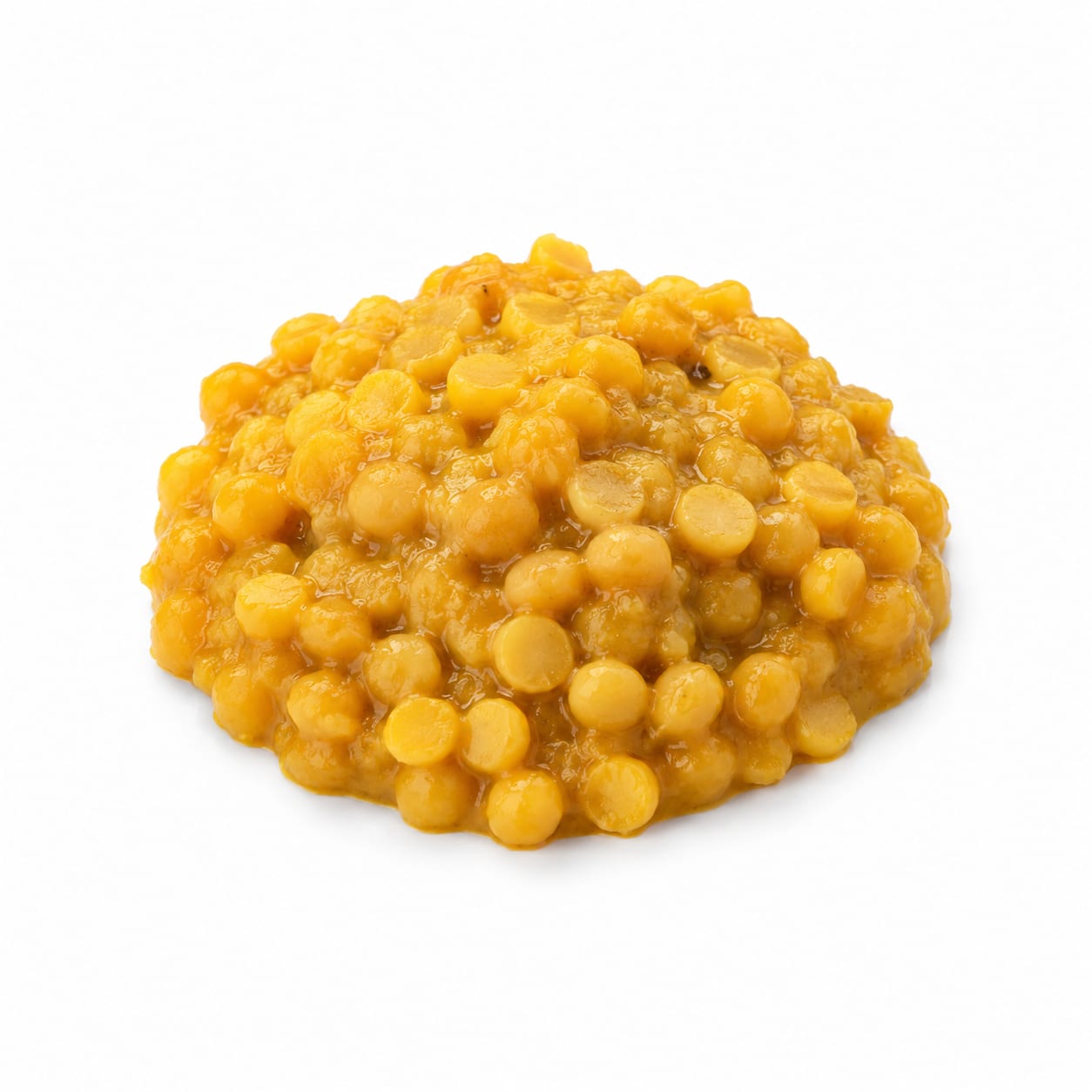
Yellow Pea
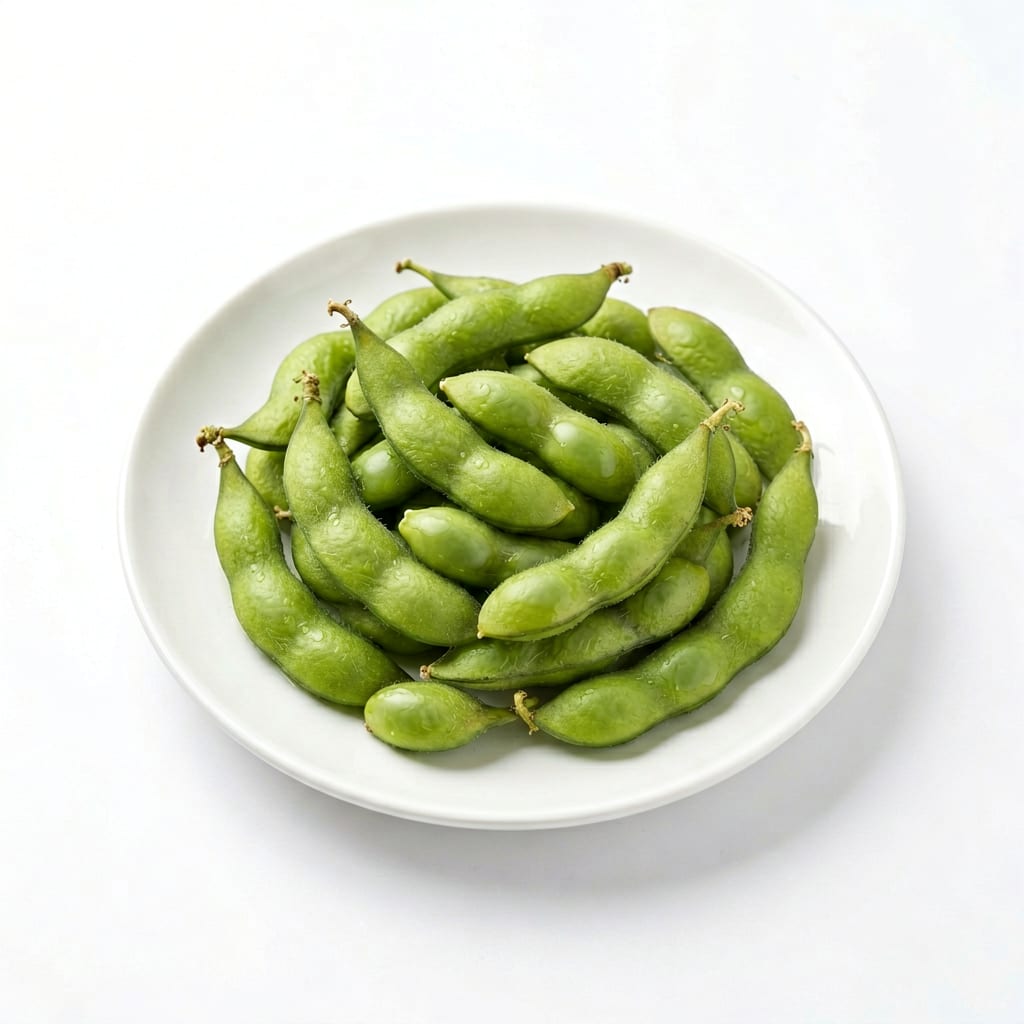
Edamame
Edamame delivers complete protein and healthy fats in a convenient package, while Yellow Peas offer unmatched fiber, resistant starch, and affordability for sustained energy.
Edamame scores higher due to complete protein, healthy fats, and convenience. Yellow Peas remain excellent for fiber, gut health, and affordability but lose points on amino acid completeness and prep time.
Protein quality and convenience versus fiber power and cost savings
At a glance
Executive summary
Overall
It depends
Healthier
Edamame
More practical
Edamame
Daily use
It depends
Key comparison lenses
plant protein quality comparison
Both are top plant protein sources but differ dramatically in amino acid completeness and protein density
soy vs non-soy legume decision
Soy allergy, GMO concerns, and phytoestrogen debates make this a common either-or choice
blood sugar and fiber benefits
Resistant starch and fiber content differ significantly, affecting satiety and glucose response
meal prep and convenience practicality
Yellow Peas require long cooking while edamame can be eaten from frozen in minutes
cost and accessibility for regular consumption
Yellow Peas are among the cheapest protein sources available; edamame is relatively expensive
Best choice for
Yellow Pea
- People avoiding soy due to allergy or preference
- Budget-conscious meal preppers feeding a family
- Anyone managing blood sugar with high-fiber foods
- Those wanting maximum resistant starch for gut health
- Long-duration endurance athletes needing slow-release carbs
Edamame
- Anyone needing a complete protein from plants
- Busy people who want ready-in-minutes nutrition
- Those seeking omega-3 fats from whole foods
- Post-workout recovery snackers
- People who find dry legumes inconvenient to cook
Least suitable for
Yellow Pea
- Anyone with a busy schedule who cannot prep legumes
- People who need quick post-workout protein
- Those who find high-fiber meals cause bloating
- Anyone seeking a grab-and-go snack
Edamame
- People with soy allergies
- Those avoiding GMO crops unless organic is sourced
- Anyone concerned about phytoestrogen effects
- Budget-limited households needing cheap protein
Deep comparison
Dimension by dimension
Each lens scores both foods and breaks down who each option suits.
- Dimension 1 · Priority 95Edamame
Protein Quality and Density
Yellow Pea · 62Edamame · 91Edamame provides all nine essential amino acids in meaningful amounts. Yellow Peas are low in methionine and cysteine, making their protein incomplete.
Tradeoff
You get more total protein per calorie from edamame, but Yellow Peas paired with grains like rice close the amino acid gap affordably.
Why it matters
Incomplete protein means your body cannot fully use it for muscle repair and enzyme production without complementary foods.
Real-world impact
A bowl of edamame after a workout supports recovery on its own. Yellow Pea soup needs rice or seeds alongside to match that benefit.
Yellow Pea
- Paired with grains for cheap complete protein meals
- Large-batch meal prep where protein completeness is solved by the full recipe
Better for
- Eating alone as your sole protein source
- Quick muscle recovery without complementary foods
Worse for
Edamame
- Standalone protein snacks
- Post-workout recovery without meal planning
- Vegans needing reliable complete protein sources
Better for
- Soy-allergic individuals
- Those avoiding all soy for hormonal concerns
Worse for
- Dimension 2 · Priority 88Yellow Pea
Fiber and Gut Health
Yellow Pea · 92Edamame · 74Yellow Peas are a fiber powerhouse with significantly more total fiber and resistant starch that feeds beneficial gut bacteria.
Tradeoff
More fiber means better long-term gut health but can cause bloating if you increase intake too quickly.
Why it matters
Resistant starch acts like soluble fiber, producing short-chain fatty acids that protect your colon and improve insulin sensitivity.
Real-world impact
Regular Yellow Pea consumption keeps you fuller for hours and supports smoother digestion over time. Edamame is decent but not in the same league for fiber.
Yellow Pea
- Feeding beneficial gut bacteria daily
- Managing blood sugar through high-fiber meals
- Reducing snacking between meals via sustained fullness
Better for
- Sudden large servings causing gas and bloating
- People with IBS who are sensitive to fermentable fibers
Worse for
Edamame
- Moderate fiber without heavy bloating risk
- Gentle introduction to legume fiber for beginners
Better for
- Maximizing gut microbiome diversity
- Achieving very high daily fiber targets efficiently
Worse for
- Dimension 3 · Priority 82Edamame
Convenience and Practicality
Yellow Pea · 45Edamame · 88Frozen edamame steams in 3-5 minutes. Dried Yellow Peas need 30-90 minutes of cooking even after soaking.
Tradeoff
Convenience comes at higher cost per serving. Yellow Peas reward patience with massive batch-cooking efficiency.
Why it matters
The food you can actually prepare on a tired Tuesday matters more than the theoretically superior one that sits in your pantry.
Real-world impact
Edamame is a realistic weeknight option. Yellow Peas require planning ahead or a pressure cooker to fit into busy lives.
Yellow Pea
- Weekend meal prep in large batches
- Slow cooker recipes that cook while you work
- Budget cooking for families with time to plan
Better for
- Spontaneous meals with no prep time
- Anyone without a pressure cooker or planning habit
Worse for
Edamame
- Last-minute side dishes
- Quick protein additions to any meal
- Office or dorm-friendly snacking
Better for
- Feeding large groups affordably
- Long-term daily consumption on a tight budget
Worse for
- Dimension 4 · Priority 78Edamame
Fat Profile and Heart Health
Yellow Pea · 48Edamame · 86Edamame provides heart-healthy polyunsaturated fats including alpha-linolenic acid, an omega-3. Yellow Peas are nearly fat-free.
Tradeoff
Low fat makes Yellow Peas versatile in recipes but means you miss the cardiovascular benefits of plant omega-3s.
Why it matters
Omega-3 from whole foods supports heart rhythm, reduces inflammation, and improves lipid profiles without supplements.
Real-world impact
A cup of edamame gives you meaningful omega-3s alongside protein. Yellow Peas need added healthy fats like olive oil to match the heart benefit.
Yellow Pea
- Low-fat diet followers
- Recipes where added fats are controlled separately
Better for
- Relying on peas alone for heart-healthy fats
- Low overall dietary fat intake without other sources
Worse for
Edamame
- Cardiovascular risk reduction through diet
- Getting omega-3s without fish or supplements
- Anti-inflammatory eating patterns
Better for
- Very low-fat diet protocols
- Calorie-dense meal plans where fat content must be limited
Worse for
- Dimension 5 · Priority 75Yellow Pea
Cost and Accessibility
Yellow Pea · 96Edamame · 55Yellow Peas are one of the cheapest protein sources on earth. Edamame costs 3-5 times more per gram of protein.
Tradeoff
Savings come with time costs for cooking. Edamame charges a premium for convenience and perishability.
Why it matters
The best food for your health is the one you can afford to eat consistently. Cost determines long-term sustainability.
Real-world impact
A family of four can eat Yellow Peas daily for dollars per week. The same frequency with edamame strains most grocery budgets.
Yellow Pea
- Families on tight food budgets
- Bulk buying and long-term storage
- Developing countries and food security programs
Better for
- None for cost specifically
Worse for
Edamame
- Smaller households with higher food budgets
- Convenience worth paying for in time-scarce lives
Better for
- Daily consumption at scale becomes expensive
- Budget-limited households needing cheap protein
Worse for
- Dimension 6 · Priority 72Yellow Pea
Allergen and Sensitivity Risk
Yellow Pea · 88Edamame · 58Soy is a top 9 allergen. Yellow Peas are rarely allergenic and are often used as a soy alternative in allergy-friendly products.
Tradeoff
Pea protein isolates can sometimes trigger reactions in legume-sensitive individuals, but whole Yellow Peas are generally well tolerated.
Why it matters
Soy allergy affects roughly 0.5% of the population and can be severe. Cross-contamination in processing facilities adds risk.
Real-world impact
If you or your child has a soy allergy, Yellow Peas are a safe and nutritious alternative. Edamame is off the table entirely.
Yellow Pea
- Soy-allergic individuals
- Families managing multiple food allergies
- School lunch environments where soy is restricted
Better for
- Rare cases of pea-specific legume allergy
Worse for
Edamame
- People without soy sensitivity who enjoy soy products
- Those seeking isoflavone benefits from whole soy
Better for
- Soy-allergic individuals must avoid completely
- Concerns about GMO soy unless organic is verified
Worse for
Timeline
Health impact over time
Short-term
Hours to days
Yellow Pea
- Sustained energy from slow-digesting complex carbs and resistant starch
- Potential bloating and gas if you eat a large portion without gradual adjustment
- Very stable blood sugar with minimal spikes after meals
Edamame
- Quick satisfying protein hit that curbs hunger fast
- Mild phytoestrogen effects that may influence how you feel within hours
- Easy digestion for most people with less gas than dried legumes
Long-term
Months to years
Yellow Pea
- Improved gut microbiome diversity from consistent resistant starch intake
- Better insulin sensitivity with regular consumption
- Lower food costs enabling sustained healthy eating habits long-term
- Possible nutrient gaps if not paired with complementary proteins regularly
Edamame
- Cardiovascular benefits from regular omega-3 and isoflavone intake
- Potential bone density support from soy isoflavones in postmenopausal women
- Possible hormonal effects from chronic high soy consumption that remain debated
- Convenience may support more consistent healthy eating patterns
Risk profile
Safety & processing
Both foods are whole, minimally processed legumes in their natural form. Frozen edamame may contain added salt in some brands, so check labels. Dried Yellow Peas are typically sold with no additives whatsoever.
Yellow Pea
Antinutrient content
lowPhytic acid and lectins are present but significantly reduced by soaking and cooking. Proper preparation eliminates practical concern.
Pesticide residue on conventional crops
lowDried peas have low pesticide residue scores from EWG. Thick skins and drying process reduce surface contamination.
Edamame
GMO contamination in conventional edamame
mediumMost US soy is genetically modified. Choose organic edamame to avoid GMO exposure unless the brand explicitly verifies non-GMO sourcing.
Soy allergen cross-contamination
mediumSoy is a major allergen. Processing facilities often handle multiple soy products, increasing cross-contamination risk for highly sensitive individuals.
Added sodium in frozen preparations
lowSome frozen edamame brands add salt during processing. Check nutrition labels if watching sodium intake.
Who wins for whom
Audience fit
Same foods, different winners depending on your goal.
children
EdamameFun to eat, mild flavor, complete protein for growth, and easy to prepare. Soy allergy is the main reason to choose Yellow Peas instead.
daily consumption
It dependsYellow Peas win on cost and fiber for daily use. Edamame wins on convenience and protein quality. Budget and schedule determine the real answer.
diabetes
Yellow PeaMore resistant starch and fiber create a lower glycemic response and improve insulin sensitivity over time with regular consumption.
elderly
EdamameSofter texture, easier digestion, complete protein to prevent age-related muscle loss, and vitamin K for bone health.
muscle gain
EdamameComplete protein with higher leucine content supports muscle protein synthesis directly without needing complementary foods.
weight loss
Yellow PeaLower calorie density and higher fiber keep you fuller longer on fewer calories. The resistant starch reduces digestible calorie absorption.
Your move
Decision guide
Choose Yellow Pea
- You are avoiding soy for any reason including allergy, preference, or phytoestrogen concerns
- Cost is a primary factor and you need affordable daily protein
- You want maximum gut health benefits from resistant starch and fiber
- You enjoy batch cooking soups, stews, and dal on weekends
- You are managing blood sugar and want the lowest glycemic legume option
Choose Edamame
- You need a complete plant protein without meal planning or food combining
- Convenience matters more than cost in your weekly routine
- You want omega-3 fats from a whole food source
- You are looking for a satisfying snack that requires zero cooking skill
- You are an athlete or active person needing efficient post-workout protein
Either works if
- You simply want more legumes in your diet and enjoy both
- You rotate between them for nutrient diversity across the week
- You cook Yellow Peas on weekends and keep edamame for busy weeknights
Avoid both if
- You have a severe legume allergy that crosses multiple legume types
- You are on a very low-fiber diet for a medical procedure or condition
- You experience significant digestive distress from all legumes even with gradual introduction
Final recommendation
Keep both in your rotation. Cook a large batch of Yellow Peas on Sunday for soups and bowls throughout the week. Stock frozen edamame for nights when cooking feels impossible. This combination gives you the fiber and affordability of Yellow Peas alongside the complete protein and convenience of edamame. If you must choose one, pick based on your biggest constraint: budget points to Yellow Peas, convenience and protein quality point to edamame.
Practical
Consumer tips
- 1
Buy dried Yellow Peas in bulk and cook in a pressure cooker to cut prep time from 90 minutes to 15
- 2
Choose organic edamame to avoid GMO soy unless the brand is explicitly verified non-GMO
- 3
Soak Yellow Peas overnight and discard the water to reduce gas-causing compounds significantly
- 4
Check frozen edamame labels for added sodium, especially if you have blood pressure concerns
- 5
Pair Yellow Pea dishes with a grain like quinoa or brown rice to create a complete amino acid profile
- 6
Introduce either legume gradually over two weeks to let your gut adjust and minimize bloating
- 7
Season Yellow Peas with cumin, ginger, or fennel seeds, which are traditional carminatives that reduce gas