
Nutrition comparison
Yellow Peas vs Chickpeas: Which Legume Is Better for Protein, Digestion, and Daily Use?
Compare yellow peas and chickpeas on protein, blood sugar, digestion, and versatility. Find out which legume fits your health goals and cooking style best.
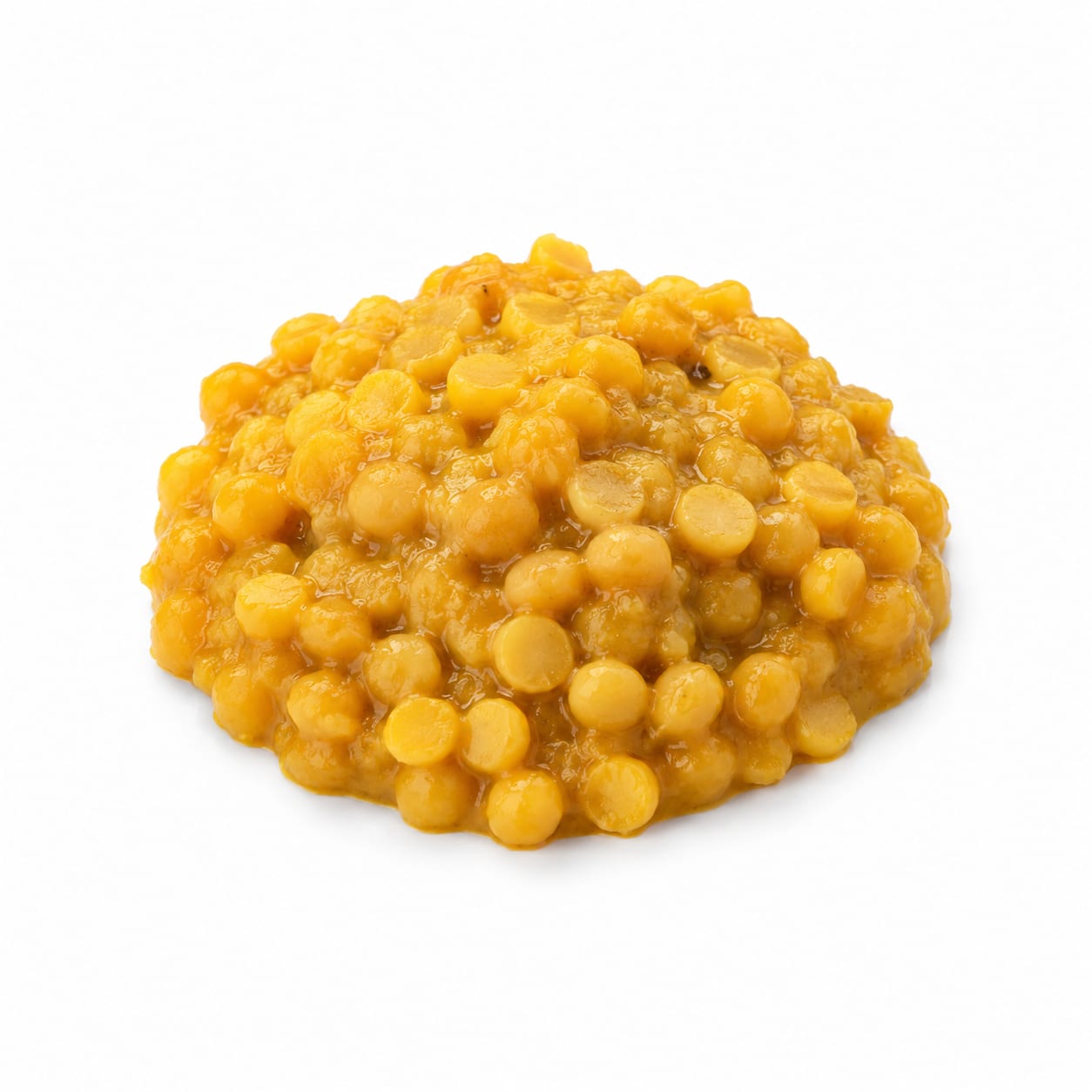
Yellow Pea
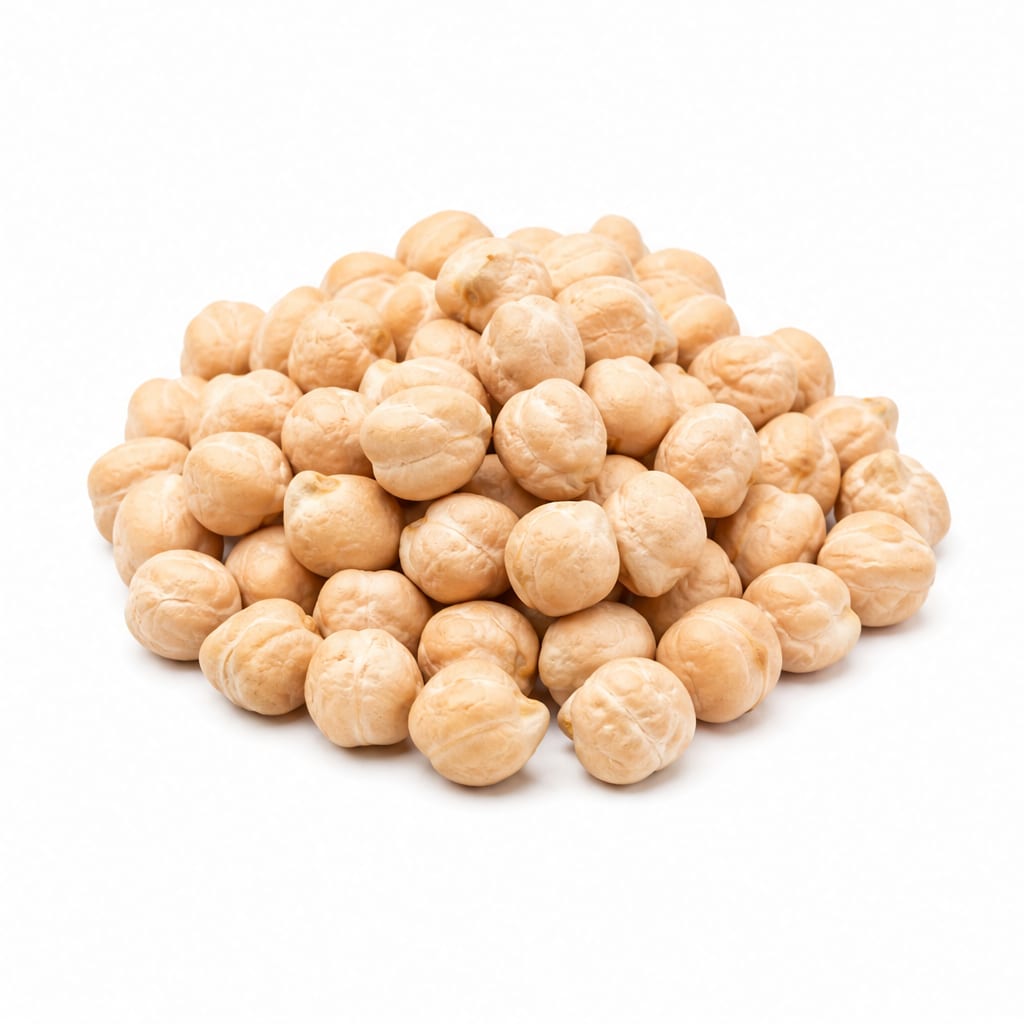
Chickpeas
Yellow peas win on protein density and blood sugar stability; chickpeas win on versatility, taste, and everyday practicality.
Chickpeas edge ahead overall because their culinary versatility and ease of daily use outweigh yellow peas' nutritional advantages. A food only helps if you actually eat it consistently.
Yellow peas deliver more protein per calorie with steadier energy, but chickpeas are far easier to cook with, find recipes for, and actually enjoy eating regularly.
At a glance
Executive summary
Overall
It depends
Healthier
Yellow Pea
More practical
Chickpeas
Daily use
Chickpeas
Key comparison lenses
protein source comparison
Both are top plant protein options, and users are likely deciding which legume better meets their protein needs
digestive tolerance
Legumes are notorious for causing bloating, and tolerance differences between these two significantly impact daily enjoyment
meal versatility
Chickpeas dominate global cuisines while yellow peas are more niche, affecting how easily users can incorporate each into meals
blood sugar management
Both are low-glycemic but differ meaningfully in how steadily they release energy
weight management
Calorie density and satiety profiles differ enough to matter for anyone tracking intake
Best choice for
Yellow Pea
- Athletes and bodybuilders seeking maximum plant protein per calorie
- People managing diabetes who need the slowest possible carb release
- Those on tight budgets needing affordable protein density
- Anyone already comfortable cooking split pea dishes
Chickpeas
- Home cooks wanting a versatile legume for salads, curries, and dips
- People new to plant-based eating who need approachable recipes
- Meal preppers who want one legume that works across many cuisines
- Families needing a kid-friendly protein option
Least suitable for
Yellow Pea
- People prone to boredom with repetitive meals
- Anyone seeking quick cooking legumes without soaking
- Those who dislike earthy, mild flavors
Chickpeas
- People strictly minimizing calorie intake while maximizing protein
- Those with severe chickpea-specific intolerances or allergies
- Anyone needing the absolute lowest glycemic load
Deep comparison
Dimension by dimension
Each lens scores both foods and breaks down who each option suits.
- Dimension 1 · Priority 92Yellow Pea
protein_density
Yellow Pea · 88Chickpeas · 72Yellow peas pack noticeably more protein per calorie than chickpeas, making them more efficient for hitting protein targets.
Tradeoff
You gain protein efficiency with yellow peas but sacrifice the richer, creamier mouthfeel that makes chickpeas satisfying to eat.
Why it matters
If you are plant-based and struggling to reach 100g+ protein daily, every gram per calorie counts significantly.
Real-world impact
A bowl of yellow pea soup gets you closer to your protein goal faster than the same-sized bowl of chickpea curry.
Yellow Pea
- Lean bulking phases where protein per calorie matters
- Plant-based athletes tracking macros closely
Better for
- Recipes where protein density makes the dish feel heavy
Worse for
Chickpeas
- Meals where protein is already covered by other sources
- Casual eaters not tracking macros
Better for
- High-protein diets where chickpeas alone fall short
Worse for
- Dimension 2 · Priority 78Yellow Pea
blood_sugar_stability
Yellow Pea · 86Chickpeas · 74Yellow peas have a lower glycemic index and release glucose more slowly, giving steadier energy with less crash risk.
Tradeoff
Chickpeas still beat most carb sources handily, but their slightly faster digestion means a marginally quicker energy rise and fall.
Why it matters
For prediabetics or anyone fighting afternoon energy crashes, this difference compounds over weeks and months.
Real-world impact
A yellow pea lunch keeps you focused longer before hunger returns; chickpeas may leave you reaching for a snack 30 minutes sooner.
Yellow Pea
- Diabetics needing the gentlest blood sugar response
- Intermittent fasters breaking a fast slowly
Better for
- Post-workout recovery where faster carb availability helps
Worse for
Chickpeas
- Pre-workout meals where slightly faster energy release is welcome
Better for
- Late-night eating where slower digestion is preferable
Worse for
- Dimension 3 · Priority 85Chickpeas
culinary_versatility
Yellow Pea · 52Chickpeas · 93Chickpeas are one of the most versatile legumes on earth — roasted, mashed, stewed, or blended. Yellow peas are largely limited to soups and dal.
Tradeoff
You give up nutritional efficiency with chickpeas but gain a world of recipe possibilities that keep meals interesting long-term.
Why it matters
Dietary variety is the single biggest predictor of long-term adherence. Boring meals lead to abandoned plans.
Real-world impact
Chickpeas become hummus, falafel, salad toppings, curry bases, and roasted snacks. Yellow peas become soup. That simplicity gap matters on day 14 of a meal plan.
Yellow Pea
- Comforting one-pot soup meals in cold weather
Better for
- Anyone who needs recipe variety to stay on track
Worse for
Chickpeas
- Meal prepping diverse weekly menus
- Entertaining guests with crowd-pleasing dishes
- Building a sustainable long-term plant-based diet
Better for
- Minimalist cooks who just want one simple preparation
Worse for
- Dimension 4 · Priority 80Yellow Pea
satiety_and_fullness
Yellow Pea · 84Chickpeas · 78Yellow peas' higher protein and resistant starch content creates a slightly longer-lasting fullness effect compared to chickpeas.
Tradeoff
Chickpeas feel more immediately satisfying due to their creamier texture and fat content, but the fullness fades a bit sooner.
Why it matters
The difference between staying full for 3 hours versus 4 hours determines whether you snack between meals.
Real-world impact
After a yellow pea bowl, you are more likely to make it to your next meal without raiding the pantry.
Yellow Pea
- Weight loss phases where controlling hunger is critical
- Long work shifts without meal breaks
Better for
- Light eaters who find heavy protein meals uncomfortable
Worse for
Chickpeas
- Meals where immediate satisfaction and enjoyment matter more than duration
Better for
- Chronic snackers who need maximum satiety per meal
Worse for
- Dimension 5 · Priority 82Yellow Pea
digestive_tolerance
Yellow Pea · 76Chickpeas · 64Yellow peas, especially split and hulled, tend to produce less bloating and gas than chickpeas for most people.
Tradeoff
Chickpeas are more likely to cause gassiness and digestive discomfort, especially when not cooked thoroughly or when introduced suddenly.
Why it matters
If legumes make you bloated, you will avoid them — making the healthier choice irrelevant if you cannot tolerate it.
Real-world impact
Yellow pea soup is less likely to leave you uncomfortably gassy after lunch than a chickpea salad, especially if your gut is still adapting to fiber.
Yellow Pea
- People with sensitive digestion or IBS tendencies
- Anyone newly increasing fiber intake
Better for
- Rare individuals with pea-specific sensitivities
Worse for
Chickpeas
- Those with well-adapted gut microbiomes from regular legume consumption
Better for
- Office workers who cannot afford post-lunch bloating
- Date nights where gas is socially costly
Worse for
- Dimension 6 · Priority 72Chickpeas
nutrient_breadth
Yellow Pea · 70Chickpeas · 82Chickpeas offer a wider micronutrient profile including more folate, iron, and manganese, while yellow peas excel mainly in protein and a few minerals.
Tradeoff
Yellow peas are deeper in a few nutrients; chickpeas are broader across more nutrients.
Why it matters
Broad micronutrient coverage supports overall health without needing as many supplemental foods.
Real-world impact
Regular chickpea consumption subtly supports energy production, blood health, and bone strength across more systems than yellow peas alone.
Yellow Pea
- Targeted iron supplementation through food
- Diets already rich in varied micronutrients from other sources
Better for
- Anyone relying on one legume as a nutritional cornerstone
Worse for
Chickpeas
- Plant-based diets needing broad nutrient coverage from fewer foods
- Pregnant women needing folate
Better for
- Targeted nutrition plans focused on specific deficiencies
Worse for
- Dimension 7 · Priority 70Yellow Pea
affordability_and_access
Yellow Pea · 88Chickpeas · 74Dried yellow peas are among the cheapest protein sources available, often costing less per gram of protein than chickpeas.
Tradeoff
Chickpeas are still affordable but carry a slight premium, especially in canned or specialty forms.
Why it matters
For budget-conscious households, the cost difference per serving adds up meaningfully over a year.
Real-world impact
Feeding a family of four on yellow pea soup costs noticeably less per protein gram than chickpea-based meals.
Yellow Pea
- Students and low-income households maximizing nutrition per dollar
- Bulk meal preppers cooking for large groups
Better for
- Areas where yellow peas are not stocked in local stores
Worse for
Chickpeas
- Shoppers who value convenience over marginal cost savings
Better for
- Tight grocery budgets where every cent per protein gram counts
Worse for
Timeline
Health impact over time
Short-term
Hours to days
Yellow Pea
- Steady energy with minimal blood sugar spikes after meals
- Moderate bloating potential, less than most legumes
- High satiety that reduces between-meal snacking urges
Chickpeas
- Slightly faster energy onset that may trigger mild cravings sooner
- More noticeable gas and bloating, especially with sudden portion increases
- Immediate satisfaction from creamy texture that feels rewarding to eat
Long-term
Months to years
Yellow Pea
- Consistent intake supports stable blood sugar management over months
- High protein intake aids muscle maintenance during aging or calorie deficits
- Limited recipe variety may lead to diet fatigue and reduced adherence
Chickpeas
- Broad micronutrient intake supports cardiovascular and metabolic health long-term
- Regular consumption builds a diverse gut microbiome adapted to fiber
- Versatility encourages sustained legume consumption across years
Risk profile
Safety & processing
Both yellow peas and chickpeas are whole, minimally processed foods in their dried form. Canned chickpeas may contain added sodium, so check labels or rinse thoroughly before eating.
Yellow Pea
Pesticide residue on conventionally grown peas
lowPeas are not among the highest pesticide crops, but conventional farming uses some fungicides. Organic options are widely available.
Undercooked hardness causing digestive discomfort
lowSplit yellow peas cook faster than whole chickpeas and rarely remain dangerously undercooked, but insufficient cooking can cause stomach upset.
Chickpeas
Sodium in canned chickpeas
mediumCanned chickpeas often contain 300-500mg sodium per serving. Rinsing removes about 40%, but sodium-conscious individuals should cook from dried.
BPA exposure from can linings
lowSome canned chickpeas use BPA-lined cans. Look for BPA-free brands or cook from dried to eliminate this concern.
Lectin content in undercooked chickpeas
mediumRaw or undercooked chickpeas contain lectins that can cause nausea and vomiting. Always cook thoroughly, especially when starting from dried.
Who wins for whom
Audience fit
Same foods, different winners depending on your goal.
children
ChickpeasChickpeas' milder, creamier taste and fun forms like hummus and roasted snacks are far more kid-appealing than pea soup.
daily consumption
ChickpeasRecipe variety keeps daily chickpea consumption interesting and sustainable long-term, while yellow peas risk monotony.
diabetes
Yellow PeaLower glycemic index and slower glucose release make yellow peas gentler on blood sugar regulation.
elderly
ChickpeasChickpeas' broader micronutrient profile, especially folate and manganese, supports aging bodies, and softer textures when cooked are easier to chew.
muscle gain
Yellow PeaMore protein per serving supports muscle protein synthesis more efficiently, though both should be paired with grains for complete amino acids.
weight loss
Yellow PeaHigher protein per calorie and longer satiety make yellow peas slightly more effective for controlling total intake without hunger.
Your move
Decision guide
Choose Yellow Pea
- You prioritize protein intake and blood sugar stability above all else
- You are comfortable eating similar meals repeatedly without boredom
- You want the most affordable protein source available
- You have digestive sensitivity to chickpeas specifically
- You are managing diabetes or insulin resistance
Choose Chickpeas
- You value recipe variety and culinary enjoyment in your diet
- You are new to plant-based eating and need approachable, familiar foods
- You cook for a family with diverse taste preferences
- You want one versatile legume that works across many cuisines
- You are building long-term dietary habits you can actually sustain
Either works if
- You already eat a diverse diet and just want to add another legume
- You are meeting protein needs from multiple sources already
- You rotate legumes weekly for gut microbiome diversity
Avoid both if
- You have a diagnosed legume allergy
- You are on a strict low-FODMAP elimination phase under medical supervision
- You experience severe GI distress from all legumes despite gradual introduction
Final recommendation
Eat both. Use yellow peas when you need maximum protein efficiency and blood sugar control — think post-workout bowls or hearty winter soups. Use chickpeas for everything else: salads, curries, hummus, and roasted snacks. The real winner is a pantry stocked with both, rotated based on what your body and schedule need that day.
Practical
Consumer tips
- 1
Start with small portions of either legume and increase gradually over two weeks to let your gut adapt and minimize bloating
- 2
Rinse canned chickpeas thoroughly to remove about 40% of added sodium
- 3
Soak dried chickpeas for 8-12 hours and cook until completely soft to eliminate lectin risks
- 4
Pair either legume with a grain like rice or quinoa to get complete protein in one meal
- 5
Add yellow peas to stews where their texture disappears into the broth — this solves the versatility problem
- 6
Roast chickpeas with olive oil and spices for a crunchy snack that replaces chips with far more nutrition
- 7
If chickpeas cause bloating, try yellow pea soup first — the split form is gentler on digestion
- 8
Buy dried versions of both for the best value and lowest sodium; batch-cook and freeze portions for convenience