
Nutrition comparison
Yellow Pea vs Quinoa: Protein, Fiber, and Cost Comparison
Yellow Pea vs Quinoa: Which is healthier? Compare protein quality, fiber, blood sugar impact, and cost to find out which plant-based staple is right for you.
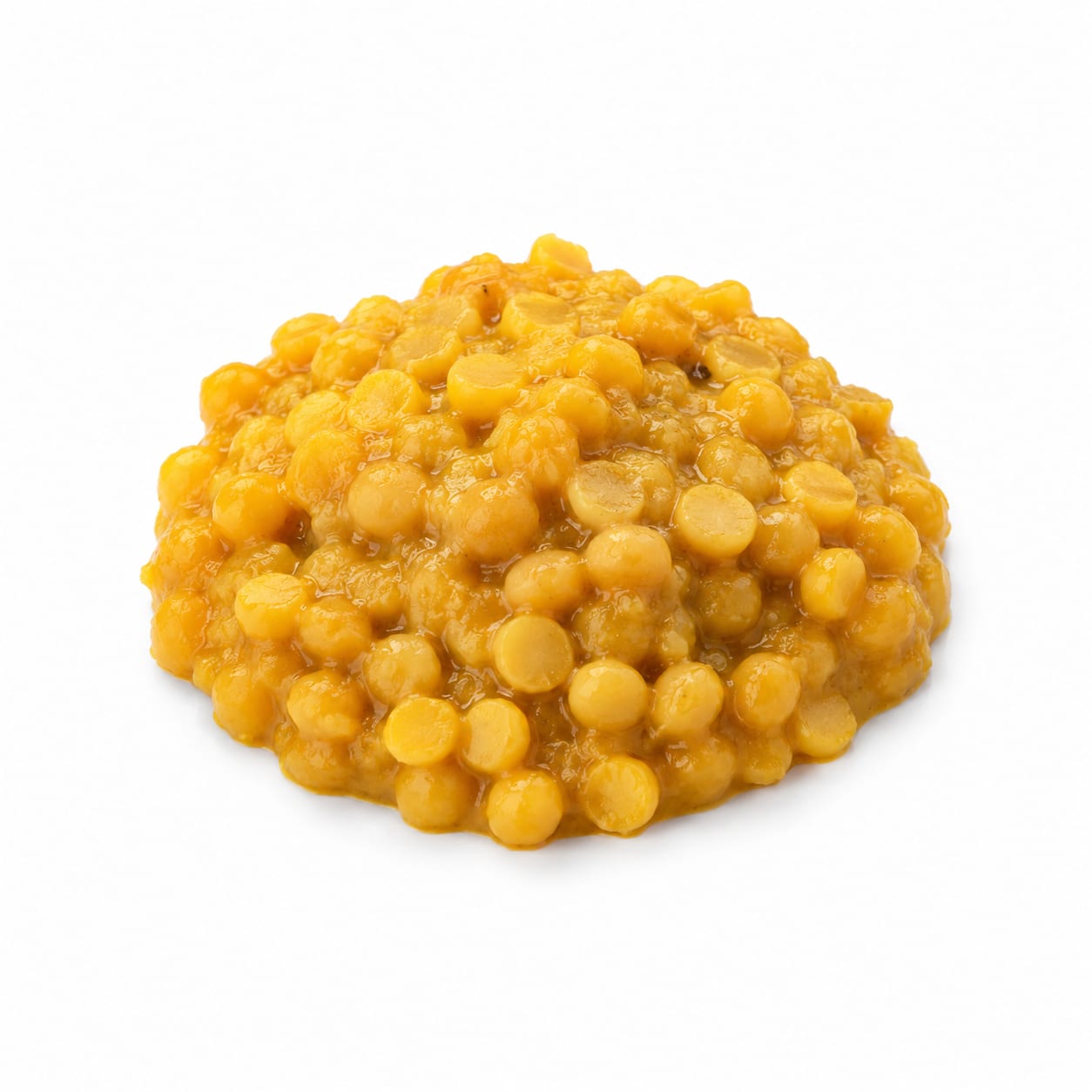
Yellow Pea
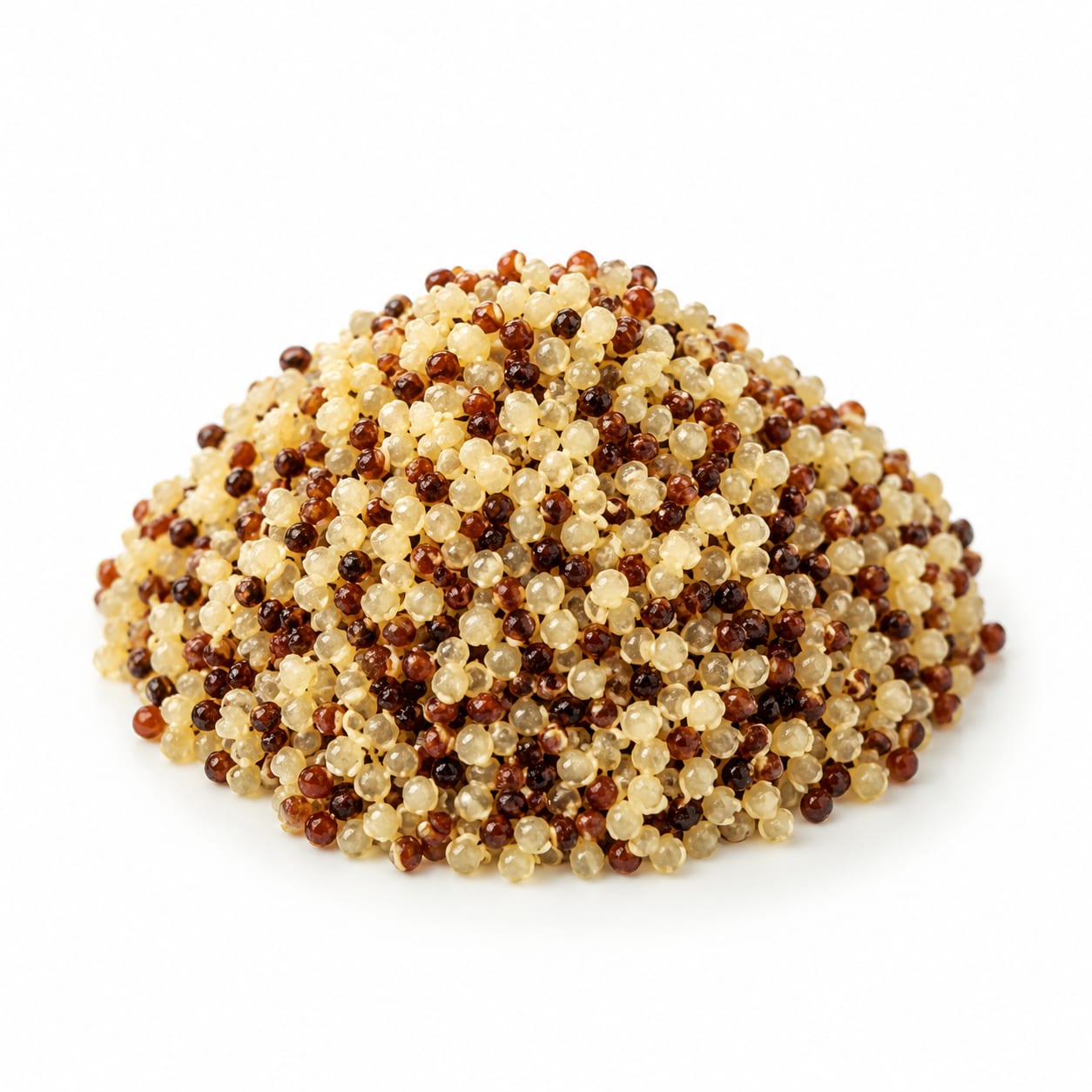
Quinoa
Yellow Pea delivers more protein and fiber for less money, while Quinoa offers a complete amino acid profile and richer micronutrients.
Yellow Pea edges out Quinoa slightly due to its superior protein-to-calorie ratio, higher fiber, and vastly lower cost, though Quinoa's complete amino acid profile keeps it highly competitive.
Sheer protein quantity and low cost (Yellow Pea) versus complete protein and superior mineral density (Quinoa).
At a glance
Executive summary
Overall
It depends
Healthier
It depends
More practical
Yellow Pea
Daily use
Yellow Pea
Key comparison lenses
Plant-based protein quality and quantity
Yellow Pea offers significantly more protein per serving, while Quinoa provides a complete amino acid profile, making this the core tradeoff.
Blood sugar management and satiety
Legumes and pseudo-cereals affect blood sugar differently; Yellow Pea's higher fiber content offers steadier energy.
Budget and everyday practicality
Yellow Pea is a fraction of the cost of Quinoa, making daily sustainability a key factor for many households.
Micronutrient density
Quinoa is renowned for its mineral and B-vitamin content, while Yellow Pea provides strong folate and manganese levels.
Best choice for
Yellow Pea
- Budget-conscious meal preppers
- Those managing blood sugar or insulin resistance
- People seeking high satiety and gut-supporting fiber
Quinoa
- Vegans needing a complete protein source
- Individuals looking to increase magnesium and iron intake
- Those wanting a lighter, fluffier carb alternative to rice
Least suitable for
Yellow Pea
- People severely sensitive to legumes or prone to bloating
- Those needing a quick-cooking weeknight side dish
Quinoa
- Strict budget shoppers
- People sensitive to saponins or who skip rinsing grains
Deep comparison
Dimension by dimension
Each lens scores both foods and breaks down who each option suits.
- Dimension 1 · Priority 95Yellow Pea
Protein Power
Yellow Pea · 88Quinoa · 75Yellow Pea packs nearly double the protein per cooked cup compared to Quinoa, making it a muscle-building powerhouse.
Tradeoff
Yellow Pea lacks the amino acid methionine, while Quinoa contains all nine essential amino acids in adequate amounts.
Why it matters
If you rely heavily on plant foods for protein, total volume matters, but completeness determines how well your body uses it.
Real-world impact
Eating Yellow Pea with a grain like rice creates a complete protein profile that rivals Quinoa at a fraction of the cost.
Yellow Pea
- Maximizing total daily protein intake
- Bodybuilders needing higher protein volume
Better for
- Standalone protein source for strict vegans
Worse for
Quinoa
- Simplified meal prep without combining proteins
- Vegans avoiding meal-planning math
Better for
- High-protein diets requiring large protein per serving
Worse for
- Dimension 2 · Priority 88Yellow Pea
Blood Sugar & Satiety
Yellow Pea · 90Quinoa · 78Yellow Pea digests slowly due to its dense fiber and starch structure, keeping blood sugar remarkably stable.
Tradeoff
Quinoa provides quicker energy which is great for active days, but it raises blood sugar slightly more than Yellow Pea.
Why it matters
Steadier blood sugar means fewer afternoon energy crashes and less cravings between meals.
Real-world impact
A Yellow Pea lunch will keep you full until dinner, whereas Quinoa might leave you reaching for a snack by 3 PM.
Yellow Pea
- Preventing afternoon energy crashes
- Managing insulin resistance or prediabetes
Better for
- Pre-workout fueling when you need quick energy
Worse for
Quinoa
- Pre-workout or post-workout carb replenishment
- Lighter meals that won't feel heavy in the stomach
Better for
- Strict blood sugar management without added fat or fiber
Worse for
- Dimension 3 · Priority 75Quinoa
Micronutrient Density
Yellow Pea · 72Quinoa · 88Quinoa is a standout source of magnesium, iron, zinc, and B-vitamins, filling common nutritional gaps.
Tradeoff
Yellow Pea offers excellent folate and manganese, but falls short on the broad mineral spectrum that Quinoa covers.
Why it matters
Magnesium and iron deficiencies are incredibly common, and Quinoa makes a serious dent in daily requirements.
Real-world impact
Regularly eating Quinoa can help with muscle cramps and fatigue thanks to its magnesium and iron content.
Yellow Pea
- Pregnant women needing high folate
Better for
- Correcting broad mineral deficiencies
Worse for
Quinoa
- Combating fatigue and low iron
- Supporting muscle recovery with magnesium
Better for
- Those strictly needing high folate from food sources
Worse for
- Dimension 4 · Priority 82Yellow Pea
Budget & Accessibility
Yellow Pea · 95Quinoa · 55Yellow Pea is one of the cheapest protein sources available, whereas Quinoa remains a premium-priced pantry staple.
Tradeoff
You pay a premium for Quinoa's complete protein and culinary versatility, while Yellow Pea offers unbeatable nutritional ROI.
Why it matters
The best food for your health is the one you can afford to eat consistently.
Real-world impact
Feeding a family of four with Yellow Pea costs dollars per week, while Quinoa can easily double or triple the grocery bill.
Yellow Pea
- Large families on a budget
- Bulk meal preppers
Better for
- Dishes where a fluffy grain texture is expected
Worse for
Quinoa
- Special occasion meals where texture matters
- Those with flexible grocery budgets
Better for
- Cost-conscious daily eating
Worse for
Timeline
Health impact over time
Short-term
Hours to days
Yellow Pea
- Highly filling, reduces urge to snack
- Can cause bloating or gas if you aren't used to high-fiber legumes
Quinoa
- Provides a comfortable, lighter fullness
- Unrinsed Quinoa can taste bitter and cause mild stomach upset
Long-term
Months to years
Yellow Pea
- Supports healthy cholesterol levels via soluble fiber
- Excellent for weight maintenance due to high satiety
Quinoa
- Improved mineral status, particularly magnesium for heart health
- Reduced inflammation due to diverse phytonutrient profile
Risk profile
Safety & processing
Both whole Yellow Peas and whole Quinoa are single-ingredient, minimally processed foods straight from the farm.
Yellow Pea
Lectins and phytic acid
lowRaw Yellow Peas contain lectins that are neutralized by proper cooking; phytic acid can slightly reduce mineral absorption.
Quinoa
Saponin residue
mediumQuinoa naturally coats itself in bitter saponins which can cause digestive irritation if the grains are not thoroughly rinsed before cooking.
Who wins for whom
Audience fit
Same foods, different winners depending on your goal.
children
QuinoaQuinoa has a softer, fluffier texture and milder flavor that kids accept more easily, plus it provides complete nutrition for growing bodies.
daily consumption
Yellow PeaYellow Pea is far more affordable for daily use and offers a robust fiber and protein baseline that benefits almost any diet.
diabetes
Yellow PeaThe dense fiber and resistant starch in Yellow Pea result in a lower glycemic response, keeping blood sugar steadier than Quinoa.
elderly
QuinoaQuinoa is easier to chew and digest, and its rich magnesium and iron content supports bone and blood health in aging adults.
muscle gain
Yellow PeaYellow Pea provides substantially more total protein per serving, which is the primary driver for muscle growth, even though it must be paired with a grain.
weight loss
Yellow PeaYellow Pea's higher fiber and protein content per calorie creates a stronger feeling of fullness, naturally reducing overall food intake.
Your move
Decision guide
Choose Yellow Pea
- You are on a tight grocery budget but need high protein
- You struggle with blood sugar spikes or afternoon crashes
- You want to maximize fiber intake for gut health
Choose Quinoa
- You eat a strictly vegan diet and want a no-fuss complete protein
- You need a quick-cooking, lighter carbohydrate base for meals
- You are looking to boost your iron and magnesium levels
Either works if
- You are building a grain-and-legume bowl and want variety
- You are rotating plant-based protein sources throughout the week
Avoid both if
- You have a severe sensitivity to all legumes and pseudo-cereals
Final recommendation
Keep both in your pantry, but lean on Yellow Pea for everyday budget-friendly fuel and Quinoa for lighter, nutrient-dense meals. Pairing Yellow Pea with a simple grain actually mimics Quinoa's complete protein at a much lower cost.
Practical
Consumer tips
- 1
Always rinse Quinoa under cold water for 30 seconds to remove bitter saponins.
- 2
Cook Yellow Pea with a piece of kombu seaweed to help break down gas-causing compounds.
- 3
Combine leftover Yellow Pea with Quinoa for a meal that has high total protein, complete amino acids, and excellent fiber.