
Nutrition comparison
Yellow Pea vs Pea Protein Powder: Which Is Better for You?
Comparing yellow peas and pea protein powder for protein, fiber, satiety, and convenience. Learn when to choose whole food nutrition and when a protein supplement makes more sense.
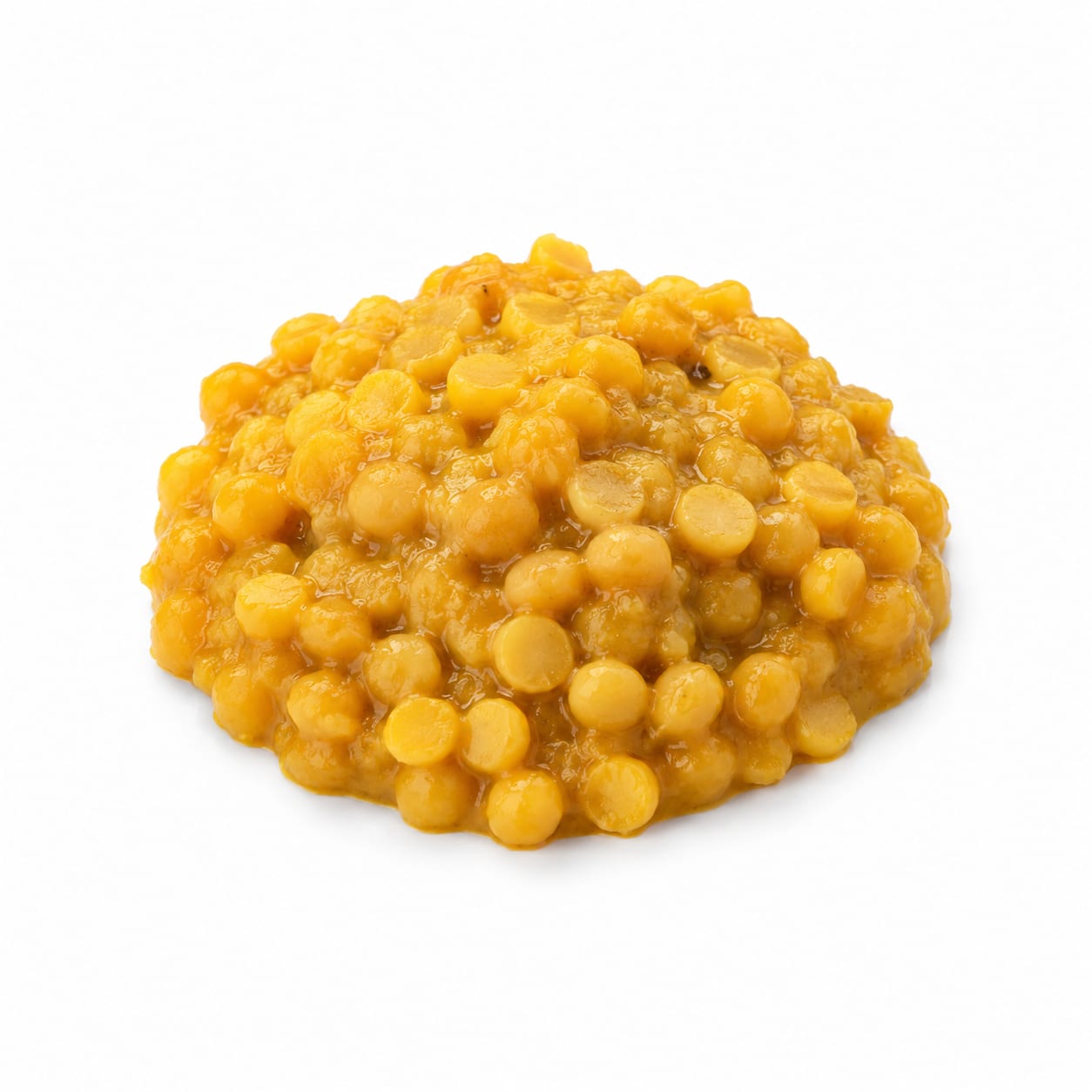
Yellow Pea
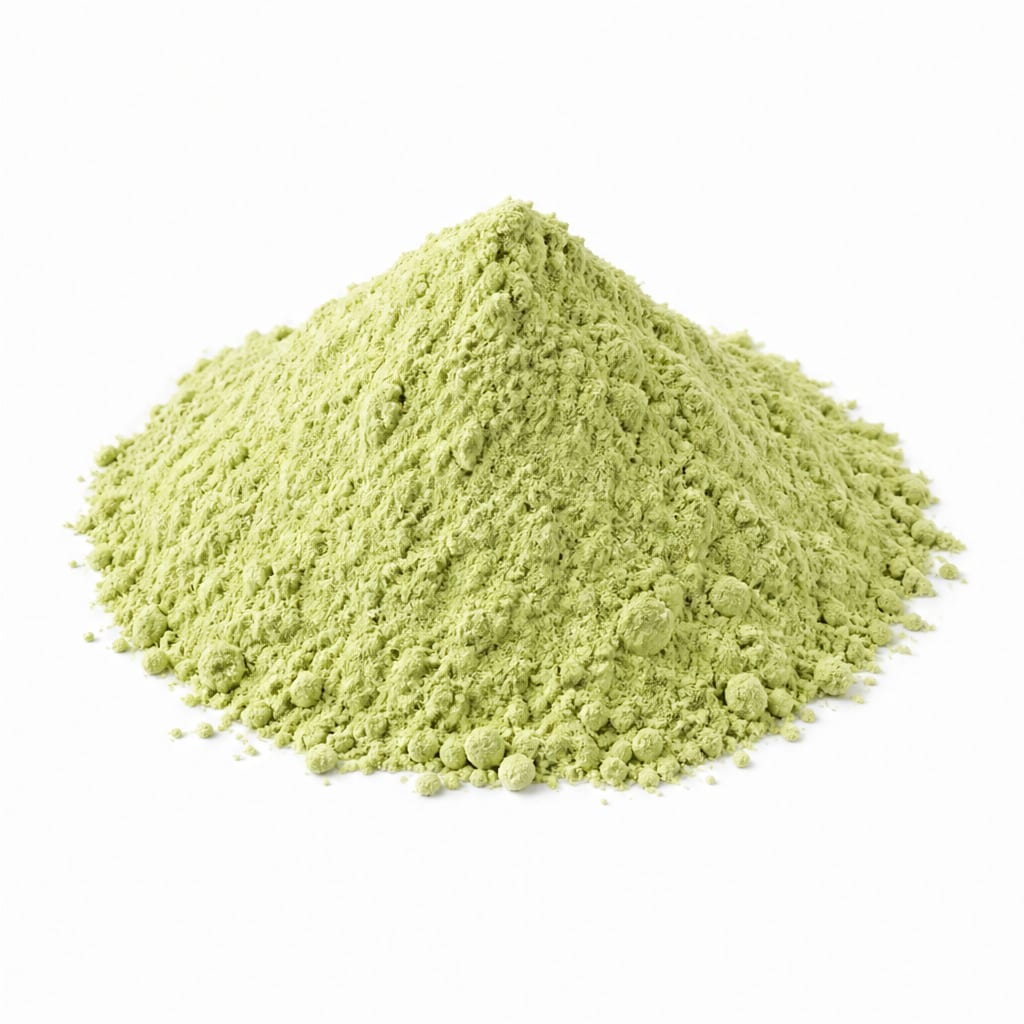
Pea Protein Powder
Yellow peas nourish you completely; pea protein powder fuels you efficiently. One is a meal, the other is a tool.
Yellow peas score higher for overall health due to fiber, micronutrients, and satiety, but pea protein powder earns strong marks for protein density and convenience. The gap is modest because each excels in different contexts.
You trade fiber, micronutrients, and satiety for protein density and convenience when choosing pea protein powder over whole yellow peas.
At a glance
Executive summary
Overall
It depends
Healthier
Yellow Pea
More practical
Pea Protein Powder
Daily use
Yellow Pea
Key comparison lenses
whole food vs extracted protein
This is the core tension: eating the complete legume versus consuming its isolated protein component
protein density tradeoff
Users comparing these two are almost certainly evaluating protein per calorie and whether the convenience of powder justifies losing fiber and micronutrients
satiety and fullness
Whole yellow peas keep you full far longer than protein powder, which matters enormously for weight management and daily satisfaction
processing concerns
Pea protein powder is an extracted, processed product while yellow peas are a minimally processed whole food with no additives
practical meal integration
Protein powder is quick and convenient post-workout; yellow peas require cooking but work beautifully in soups, stews, and bowls
Best choice for
Yellow Pea
- People prioritizing gut health and digestion
- Anyone seeking long-lasting fullness between meals
- Budget-conscious eaters wanting complete nutrition
- Those avoiding processed or extracted foods
- Home cooks making soups, stews, curries, and grain bowls
Pea Protein Powder
- Athletes needing fast protein after workouts
- People struggling to hit daily protein targets
- Anyone who needs portable, no-cook protein
- Smoothie drinkers wanting plant-based protein boost
- Those with calorie budgets who need high protein per gram
Least suitable for
Yellow Pea
- Post-workout recovery when rapid protein delivery matters
- Anyone needing grab-and-go nutrition without cooking
- People with very high protein needs and tight calorie limits
Pea Protein Powder
- Anyone seeking whole-food satiety and digestive regularity
- People sensitive to processed ingredients or additives
- Those who find protein shakes unsatisfying and end up snacking
Deep comparison
Dimension by dimension
Each lens scores both foods and breaks down who each option suits.
- Dimension 1 · Priority 95Pea Protein Powder
Protein Density
Yellow Pea · 55Pea Protein Powder · 92Pea protein powder delivers roughly 24g protein per 120-calorie scoop, while yellow peas provide about 16g protein per 350-calorie cooked cup.
Tradeoff
You get far more protein per calorie from the powder, but you lose the fiber and micronutrients that come packaged with whole pea protein.
Why it matters
If you are tracking macros or have high protein needs, the density difference is significant and practical.
Real-world impact
Hitting 120g of daily protein from yellow peas alone would require roughly 7 cups and 2,400 calories. Pea protein powder gets you there far more efficiently.
Yellow Pea
- Balanced protein with slow digestion from fiber
- Protein absorbed gradually for steadier amino acid availability
Better for
- Anyone needing concentrated protein without excess calories
Worse for
Pea Protein Powder
- Post-workout muscle recovery
- High protein intake within calorie limits
- Quick protein without bulk or heaviness
Better for
- Those who find isolated protein less satisfying and end up overeating later
Worse for
- Dimension 2 · Priority 90Yellow Pea
Fiber and Digestive Health
Yellow Pea · 94Pea Protein Powder · 18A cup of cooked yellow peas provides around 16g of fiber. Most pea protein powder contains 1-2g per serving because fiber is stripped during extraction.
Tradeoff
The very process that concentrates protein in pea protein powder removes nearly all the fiber that makes yellow peas a gut-health powerhouse.
Why it matters
Fiber feeds gut bacteria, stabilizes blood sugar, lowers cholesterol, and keeps you regular. Most people already fall short on fiber intake.
Real-world impact
Replacing yellow peas with pea protein powder at every meal could leave you constipated, hungrier between meals, and missing out on prebiotic benefits.
Yellow Pea
- Gut microbiome diversity
- Regular digestion and bowel habits
- Blood sugar stability after meals
- Cholesterol management
Better for
- People who need low-residue diets temporarily
Worse for
Pea Protein Powder
- Those on low-fiber diets for specific digestive conditions like IBS flares
Better for
- Anyone already struggling to meet daily fiber needs
- People prone to constipation on high-protein diets
Worse for
- Dimension 3 · Priority 88Yellow Pea
Satiety and Fullness
Yellow Pea · 90Pea Protein Powder · 52Yellow peas keep you full for hours thanks to their fiber-protein-starch combination. Pea protein powder mixed in water leaves most people hungry again within 90 minutes.
Tradeoff
Convenience and speed of protein powder come at the cost of lasting satisfaction.
Why it matters
Satiety determines whether you stick to your eating plan or find yourself snacking an hour later.
Real-world impact
A bowl of yellow pea soup at lunch can carry you to dinner. A protein shake at noon often has you reaching for something else by 2pm.
Yellow Pea
- Weight management through natural portion control
- Long stretches between meals without hunger
- Emotional eaters who need meals to feel complete
Better for
- Athletes who need fast-digesting protein close to exercise
Worse for
Pea Protein Powder
- Light pre-workout fuel when you want protein without feeling full
Better for
- Anyone using shakes as meal replacements who ends up overeating later
Worse for
- Dimension 4 · Priority 82Yellow Pea
Micronutrient Completeness
Yellow Pea · 85Pea Protein Powder · 30Yellow peas deliver folate, iron, magnesium, potassium, zinc, and B vitamins. Pea protein powder retains some iron but loses most other micronutrients during processing.
Tradeoff
Isolating protein means discarding the vitamin and mineral package that makes yellow peas nutritionally valuable beyond protein.
Why it matters
Relying on protein powder instead of whole legumes can create subtle nutrient gaps over time.
Real-world impact
Someone replacing daily legumes with protein shakes may gradually develop low folate, magnesium, or potassium intake without realizing it.
Yellow Pea
- Overall diet quality and nutrient adequacy
- Pregnant women needing folate
- Anyone not taking a multivitamin
Better for
- Situations where you specifically want concentrated iron without bulk
Worse for
Pea Protein Powder
- Iron supplementation needs in some cases
Better for
- Long-term daily use as a primary protein source without dietary diversity
Worse for
- Dimension 5 · Priority 78Pea Protein Powder
Convenience and Practicality
Yellow Pea · 40Pea Protein Powder · 93Pea protein powder requires no cooking, mixes in seconds, and travels easily. Yellow peas need soaking or long simmering and kitchen prep.
Tradeoff
Real food demands real time. Powder meets you where you are, even if that means sacrificing nutritional completeness.
Why it matters
The best nutrition plan is the one you actually follow. Convenience often determines consistency.
Real-world impact
After a gym session at 6am, a scoop of pea protein in a shaker bottle wins. On a Sunday afternoon with time to cook, yellow pea dal is the better choice.
Yellow Pea
- Meal prep and batch cooking
- Family dinners and shared meals
Better for
- Time-pressed individuals who skip cooking altogether
Worse for
Pea Protein Powder
- Busy mornings and post-workout windows
- Travel, office, and on-the-go nutrition
- Anyone without reliable cooking access
Better for
- Weekend cooks who enjoy preparing real meals
Worse for
- Dimension 6 · Priority 75Yellow Pea
Blood Sugar Stability
Yellow Pea · 86Pea Protein Powder · 58Yellow peas have a low glycemic index thanks to fiber and resistant starch that slow glucose absorption. Pea protein powder alone has minimal carbs but provides less sustained energy.
Tradeoff
Whole peas give you a slow, steady energy release. Protein powder avoids blood sugar spikes but also avoids the sustained fuel that complex carbohydrates provide.
Why it matters
Steady blood sugar means fewer energy crashes, better focus, and less craving throughout the day.
Real-world impact
A yellow pea bowl at lunch delivers calm, focused energy for hours. A protein shake alone may leave you feeling flat and reaching for carbs.
Yellow Pea
- People with diabetes or insulin resistance
- Anyone prone to afternoon energy crashes
- Endurance athletes needing sustained fuel
Better for
- Those strictly limiting carbohydrate intake
Worse for
Pea Protein Powder
- Very low-carb or keto dieters who want protein without carbs
Better for
- Active people who need both protein and carbs for recovery
Worse for
- Dimension 7 · Priority 65Yellow Pea
Cost Effectiveness
Yellow Pea · 92Pea Protein Powder · 55Dried yellow peas cost roughly $1.50-2.50 per pound and yield many servings. Pea protein powder typically runs $20-35 per tub for about 25-30 servings.
Tradeoff
Whole peas are one of the cheapest protein sources available. The convenience of powder carries a significant price premium.
Why it matters
For families or anyone on a tight grocery budget, this cost difference adds up fast over months.
Real-world impact
Feeding a family of four with yellow pea soup costs a few dollars. Protein powder for daily shakes can run $40-60 monthly per person.
Yellow Pea
- Budget-conscious households
- Bulk meal preppers
- Families cooking at home
Better for
- People who value time savings over cost savings
Worse for
Pea Protein Powder
- Those who would otherwise skip protein entirely due to time constraints
Better for
- Large households where powder costs become unsustainable
Worse for
Timeline
Health impact over time
Short-term
Hours to days
Yellow Pea
- Steady energy without blood sugar spikes
- Comfortable fullness that reduces snacking
- Promotes regular digestion within hours of eating
- May cause mild bloating if you are not used to high-fiber legumes
Pea Protein Powder
- Quick protein availability for muscles post-workout
- Light feeling in the stomach, which may feel unsatisfying
- Minimal digestive effort required
- Some brands cause bloating or gas due to residual oligosaccharides
Long-term
Months to years
Yellow Pea
- Improved gut microbiome diversity from consistent fiber intake
- Better cholesterol and heart health markers
- Stable blood sugar regulation over years
- Sustained healthy weight through natural appetite regulation
Pea Protein Powder
- Supports muscle maintenance when used consistently
- Possible nutrient gaps if used as a primary protein source without dietary variety
- Potential reliance on processed nutrition over whole foods
- Convenient protein access may improve overall diet quality for those who would otherwise under-eat protein
Risk profile
Safety & processing
Yellow peas are simply dried legumes with nothing added or removed. Pea protein powder undergoes significant extraction and isolation, and many brands include thickeners, sweeteners, flavorings, and emulsifiers like sunflower lecithin.
Yellow Pea
Pesticide residue on conventionally grown peas
lowPeas are not among the highest pesticide crops, but choosing organic reduces exposure further.
Anti-nutrients like phytic acid and lectins
lowSoaking and cooking significantly reduce these compounds. They are rarely a problem for healthy adults.
Pea Protein Powder
Heavy metal contamination from processing
mediumSome pea protein powders have tested positive for lead and cadmium. Quality varies significantly by brand and sourcing.
Additives and artificial sweeteners in flavored varieties
mediumMany flavored powders contain sucralose, stevia, natural flavors, and gums that may cause digestive upset in sensitive individuals.
Protein spiking or inaccurate label claims
lowLess common with pea protein than whey, but some brands have been found to overstate protein content through testing.
Who wins for whom
Audience fit
Same foods, different winners depending on your goal.
children
Yellow PeaWhole yellow peas provide balanced nutrition for growing bodies. Protein powder is generally unnecessary for children and introduces processed ingredients early.
daily consumption
Yellow PeaYellow peas are a sustainable, whole-food daily staple. Pea protein powder works well daily too, but is best as a supplement rather than a primary protein source.
diabetes
Yellow PeaThe fiber-rich, low-glycemic profile of yellow peas supports stable blood sugar far better than isolated protein powder alone.
elderly
It dependsYellow peas offer fiber and micronutrients important for aging bodies, but pea protein powder can help older adults who struggle to chew or eat enough protein from food alone.
muscle gain
Pea Protein PowderPea protein powder delivers concentrated, fast-digesting protein when timing matters most, especially post-workout when whole food feels too heavy.
weight loss
Yellow PeaYellow peas provide lasting fullness from fiber and protein, making it easier to eat less overall. Protein powder can help but often leaves people hungry again quickly.
Your move
Decision guide
Choose Yellow Pea
- You want a satisfying, fiber-rich food that keeps you full for hours
- You are cooking meals at home and enjoy soups, stews, curries, or grain bowls
- Budget matters and you want the most nutrition per dollar
- You are cautious about ultra-processed foods and prefer eating close to nature
- Gut health and digestive regularity are priorities for you
Choose Pea Protein Powder
- You need fast, convenient protein after workouts without cooking
- You are struggling to hit protein targets within a calorie limit
- You want portable nutrition for travel, office, or busy mornings
- You already eat plenty of whole foods and need a protein supplement to fill gaps
- You prefer smoothies and shakes as a meal or snack format
Either works if
- You want plant-based protein and are flexible on format
- You rotate between whole foods and supplements depending on the day
- You value both nutrition and convenience at different times
Avoid both if
- You have a diagnosed pea or legume allergy
- You experience significant digestive distress from both options despite preparation adjustments
Final recommendation
Use both strategically. Build meals around yellow peas for their fiber, micronutrients, and satisfying fullness. Add pea protein powder when convenience or protein density matters most, like after workouts or on rushed mornings. Think of yellow peas as your nutritional foundation and pea protein powder as your targeted tool.
Practical
Consumer tips
- 1
Choose unsweetened, unflavored pea protein powder to avoid artificial sweeteners and unnecessary additives
- 2
Soak dried yellow peas for 6-8 hours before cooking to reduce cooking time and improve digestibility
- 3
If pea protein powder causes bloating, try a smaller serving or switch brands, as processing quality varies widely
- 4
Look for third-party tested pea protein powders to minimize heavy metal contamination risk
- 5
Combine yellow peas with grains like rice to get a complete amino acid profile in one meal
- 6
Add yellow peas to soups and stews in bulk batches, then freeze portions for quick meals later
- 7
Blend pea protein powder into oatmeal or pancake batter instead of drinking it alone for better satiety