
Nutrition comparison
Yellow Pea vs Brown Rice: Protein, Blood Sugar, and Safety Compared
Yellow Pea delivers 4x more protein than Brown Rice with better blood sugar control and no arsenic risk. See which staple is better for your goals.
Overall winner · Yellow Pea
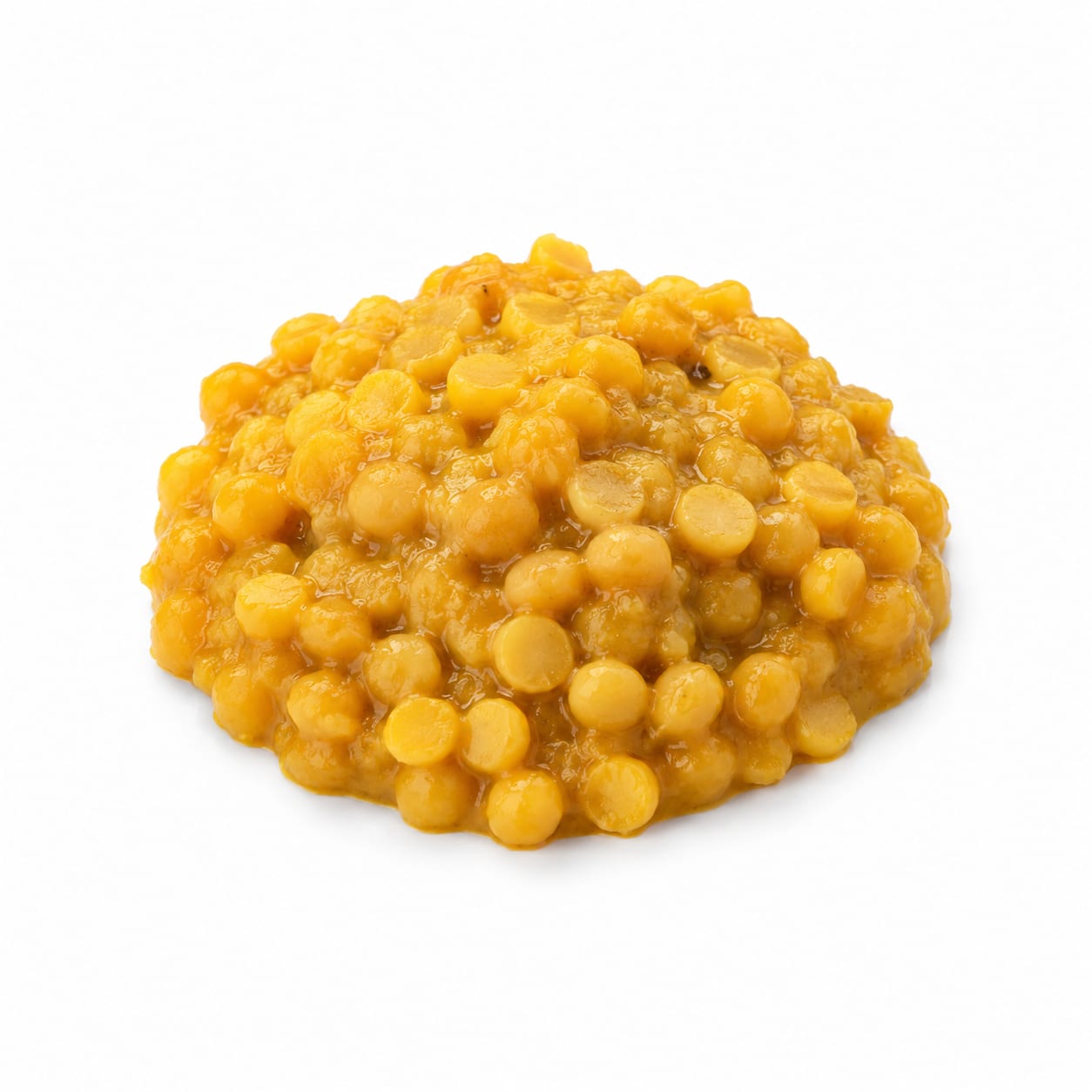
Yellow Pea
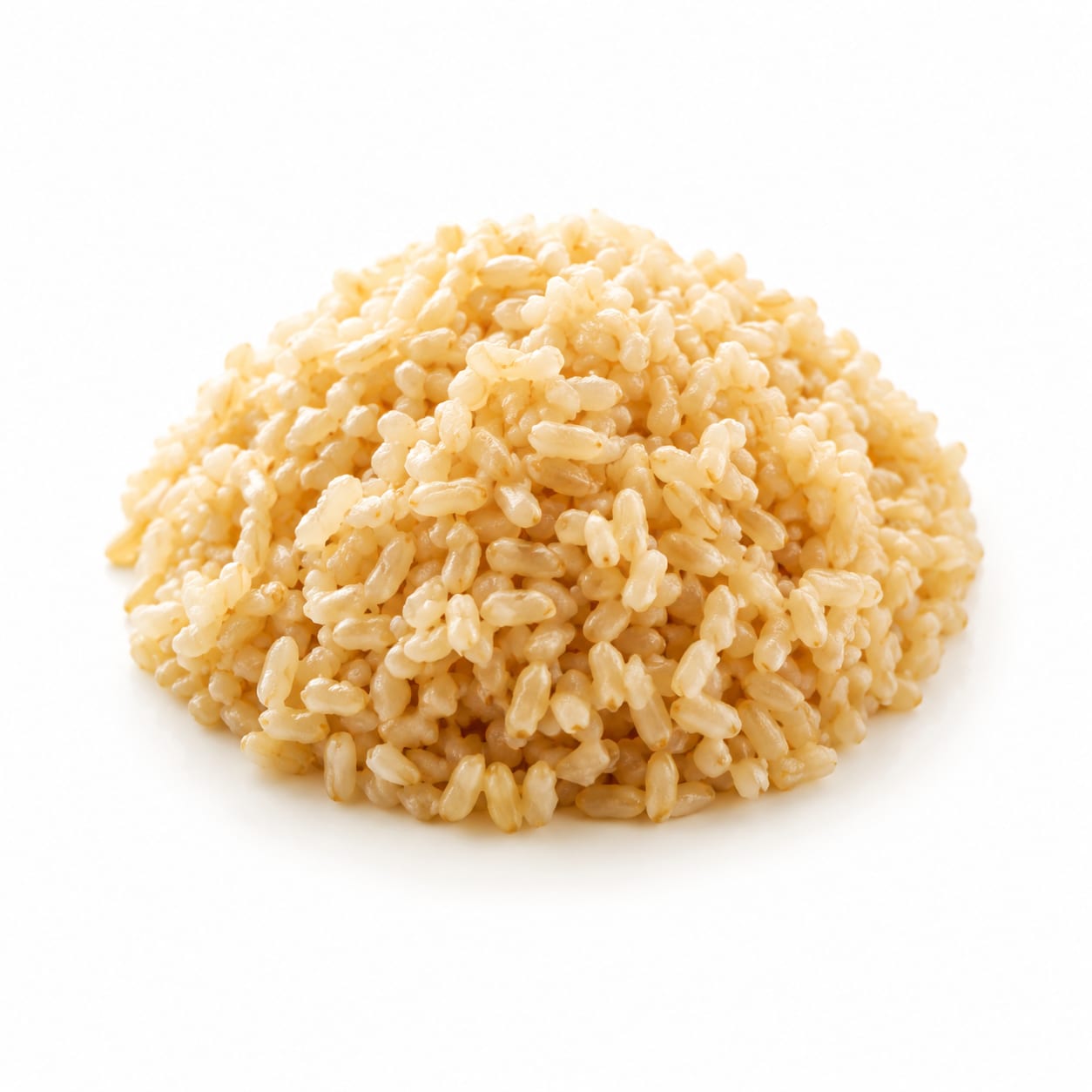
Brown Rice
Yellow Pea delivers far more protein and fiber with better blood sugar control, while Brown Rice offers easier digestion and broader meal compatibility.
Yellow Pea scores notably higher due to its superior protein, fiber, and mineral density. Brown Rice remains valuable as a gentle, versatile carb but falls behind on nutritional impact per calorie.
Protein and satiety power versus digestive comfort and kitchen convenience.
At a glance
Executive summary
Overall
Yellow Pea
Healthier
Yellow Pea
More practical
Brown Rice
Daily use
It depends
Key comparison lenses
plant-based protein source selection
Yellow Pea dramatically outperforms Brown Rice in protein, making this the central decision driver for most users
blood sugar and energy stability
Both are carb-rich staples but differ significantly in how they affect blood sugar due to protein and fiber gaps
digestive comfort and tolerance
Yellow Pea causes more bloating and gas for some people, while Brown Rice is gentler on the stomach
heavy metal and contamination safety
Brown Rice carries meaningful arsenic concerns that Yellow Pea avoids entirely
meal versatility and cultural familiarity
Brown Rice is a universal staple that pairs with almost anything; Yellow Pea requires more recipe creativity
Best choice for
Yellow Pea
- Athletes and anyone building muscle on a plant-based diet
- People managing blood sugar or insulin resistance
- Those seeking high satiety to reduce overeating
- Anyone needing more iron and folate from plant sources
Brown Rice
- People with sensitive digestion or IBS triggers
- Those needing a gentle, bland carb after illness
- Anyone wanting a familiar staple that pairs with everything
- Endurance athletes needing simple carb fuel before events
Least suitable for
Yellow Pea
- People prone to bloating and gas from legumes
- Those wanting a neutral-tasting carb base for meals
- Anyone unfamiliar with cooking dried legumes
Brown Rice
- People concerned about arsenic exposure from regular rice consumption
- Those needing high protein intake without supplements
- Anyone managing diabetes who struggles with portion control
Deep comparison
Dimension by dimension
Each lens scores both foods and breaks down who each option suits.
- Dimension 1 · Priority 96Yellow Pea
Protein Content and Quality
Yellow Pea · 88Brown Rice · 32Yellow Pea contains roughly 4-5 times more protein than Brown Rice per serving, making it one of the best plant protein sources available.
Tradeoff
You gain serious protein power with Yellow Pea but lose the light, neutral carb experience that Brown Rice provides.
Why it matters
Protein drives fullness, muscle maintenance, and metabolic health. Most plant-based eaters struggle to get enough, and this gap is massive.
Real-world impact
A single cup of cooked Yellow Pea delivers about 16g of protein versus roughly 5g from Brown Rice — that is the difference between a satisfying meal and needing a protein side.
Yellow Pea
- Muscle recovery after workouts
- Staying full between meals without snacking
- Plant-based meal planning that actually meets protein targets
Better for
- Meals where you already have a rich protein source and want a light carb base
Worse for
Brown Rice
- Light pre-workout meals where heavy protein feels uncomfortable
- Situations where protein comes from other dish components
Better for
- Meals relying on the grain as the primary protein contributor
Worse for
- Dimension 2 · Priority 90Yellow Pea
Blood Sugar Stability
Yellow Pea · 82Brown Rice · 58Yellow Pea has a lower glycemic index and more fiber-protein synergy to slow glucose absorption compared to Brown Rice.
Tradeoff
Yellow Pea keeps energy steadier but feels heavier; Brown Rice gives quicker energy but risks earlier crashes.
Why it matters
Stable blood sugar means fewer cravings, better focus, and lower long-term disease risk.
Real-world impact
After a Brown Rice bowl, you may feel hungry again in 2 hours. After Yellow Pea, you are more likely to feel satisfied for 3-4 hours.
Yellow Pea
- Managing prediabetes or insulin resistance
- Avoiding afternoon energy crashes
- Reducing sugar cravings between meals
Better for
- Right before a race when you want fast-digesting fuel
Worse for
Brown Rice
- Quick carb replenishment after intense endurance exercise
- Days when you need faster-available energy
Better for
- Sedentary days when excess carbs convert to stored fat more easily
Worse for
- Dimension 3 · Priority 84Brown Rice
Digestive Tolerance
Yellow Pea · 48Brown Rice · 82Brown Rice is gentle and well-tolerated by most people, while Yellow Pea commonly causes gas and bloating.
Tradeoff
Brown Rice is easier on your stomach but nutritionally weaker; Yellow Pea is nutritionally stronger but tougher to digest.
Why it matters
If a food causes discomfort, you will not keep eating it regardless of its nutritional profile.
Real-world impact
A big portion of Yellow Pea can leave you bloated and uncomfortable for hours, especially if your body is not used to high-fiber legumes.
Yellow Pea
- People with healthy, fiber-adapted digestive systems
- Anyone who gradually builds legume tolerance over weeks
Better for
- First dates, travel days, or any situation where bloating is socially uncomfortable
Worse for
Brown Rice
- Recovering from stomach illness when you need bland foods
- IBS or sensitive digestion days
- Introductory plant-based meals before adapting to legumes
Better for
- Long-term gut health optimization when you need more diverse fiber
Worse for
- Dimension 4 · Priority 80Yellow Pea
Contamination and Safety
Yellow Pea · 85Brown Rice · 55Brown Rice is a known accumulator of inorganic arsenic, while Yellow Pea carries minimal heavy metal risk.
Tradeoff
Yellow Pea is safer for daily long-term consumption, but Brown Rice from low-arsenic regions and proper cooking can reduce risk.
Why it matters
Chronic arsenic exposure is linked to cancer, heart disease, and developmental issues — especially concerning for children and pregnant women.
Real-world impact
Eating Brown Rice daily for years can meaningfully increase arsenic intake. Rotating in Yellow Pea reduces this cumulative exposure significantly.
Yellow Pea
- Daily staple eaters who rely on grains or legumes at most meals
- Families with children and pregnant women
- Long-term health optimization over decades
Better for
- Pesticide exposure in conventionally grown peas — still lower risk than rice arsenic
Worse for
Brown Rice
- Occasional consumption where arsenic accumulation is minimal
- Using sourced rice from low-arsenic regions like California
Better for
- Daily consumption patterns, especially with rice from high-arsenic regions like the southern US
Worse for
- Dimension 5 · Priority 75Yellow Pea
Mineral Density
Yellow Pea · 80Brown Rice · 65Yellow Pea provides more iron, folate, potassium, and zinc, while Brown Rice offers more manganese and selenium.
Tradeoff
Yellow Pea covers more minerals that people commonly lack, but Brown Rice contributes selenium which is harder to get from plants.
Why it matters
Iron and folate deficiencies are widespread, especially among women and plant-based eaters.
Real-world impact
Regular Yellow Pea intake can meaningfully move the needle on iron and folate status, while Brown Rice helps fill selenium gaps in plant-based diets.
Yellow Pea
- Women of reproductive age needing iron and folate
- Plant-based eaters at risk for zinc deficiency
- People who do not take a multivitamin
Better for
- Selenium-deficient diets with no other selenium sources
Worse for
Brown Rice
- Those relying on plant foods for selenium intake
- Anyone already meeting iron needs through other sources
Better for
- Diets already low in iron where every source matters
Worse for
- Dimension 6 · Priority 70Brown Rice
Meal Versatility and Convenience
Yellow Pea · 55Brown Rice · 85Brown Rice is a universal base that works with nearly every cuisine, while Yellow Pea has a more distinct flavor and limited recipe range.
Tradeoff
Brown Rice fits seamlessly into daily cooking routines; Yellow Pea requires more effort but rewards with nutrition.
Why it matters
The healthiest food only works if you actually cook and eat it regularly without friction.
Real-world impact
You can throw Brown Rice under any stir-fry, curry, or bowl. Yellow Pea works well in soups, stews, and dips but feels out of place in many standard meal formats.
Yellow Pea
- Hearty soups and stews where peas add substance
- Hummus-style dips and spreads
- Meal prep batches of protein-rich bowls
Better for
- Any meal where you want a neutral carb that does not change the flavor profile
Worse for
Brown Rice
- Quick weeknight stir-fries and curries
- Meal bases that need to disappear into the background
- Cuisines where rice is culturally expected and satisfying
Better for
- Meals where you want the base to carry significant protein
Worse for
Timeline
Health impact over time
Short-term
Hours to days
Yellow Pea
- Strong satiety that reduces between-meal snacking
- Possible bloating and gas within hours of eating
- Steady energy without the carb crash
Brown Rice
- Comforting, light fullness that feels clean
- Faster energy availability for active periods
- Possible mild hunger return within 2-3 hours
Long-term
Months to years
Yellow Pea
- Better muscle preservation with aging due to higher protein intake
- Improved blood sugar regulation reducing diabetes risk
- Enhanced iron and folate status supporting energy and cellular health
- Adapted gut microbiome from consistent diverse fiber intake
Brown Rice
- Potential arsenic accumulation with daily consumption over years
- Selenium support for thyroid and immune function
- Moderate fiber contribution to digestive regularity
- Risk of insufficient protein if relied on as a dietary staple
Risk profile
Safety & processing
Both Yellow Pea and Brown Rice are whole, minimally processed foods when purchased as dried staples. Neither typically contains additives, preservatives, or artificial ingredients in their basic form.
Yellow Pea
Pesticide residues in conventional farming
lowPeas are not on the high-pesticide lists, but conventional crops still carry trace residues. Choosing organic reduces this further.
Antinutrient compounds
lowPhytic acid and lectins are present but significantly reduced by soaking and cooking. These are not dangerous at normal consumption levels.
Brown Rice
Inorganic arsenic accumulation
mediumBrown Rice absorbs more arsenic than most grains because it is grown in flooded paddies. Regular daily consumption compounds exposure over time, with links to cancer and cardiovascular risk.
Mold and mycotoxin contamination in storage
lowImproperly stored rice can develop mold. Keeping rice dry and using it within reasonable timeframes prevents this.
Who wins for whom
Audience fit
Same foods, different winners depending on your goal.
children
It dependsBrown Rice is easier for kids to eat and digest, but the arsenic concern is more serious for developing bodies. Rotating both is the safest approach.
daily consumption
Yellow PeaLower contamination risk and higher nutritional value make Yellow Pea safer and more beneficial as a daily staple, assuming digestion tolerates it.
diabetes
Yellow PeaLower glycemic impact combined with protein-fiber synergy makes Yellow Pea significantly better for glucose control.
elderly
It dependsYellow Pea helps preserve muscle and manage blood sugar, but Brown Rice is easier to chew and digest for those with dental or gastrointestinal issues.
muscle gain
Yellow PeaYellow Pea provides substantially more protein per serving and is a staple in plant-based muscle-building diets for this reason.
weight loss
Yellow PeaHigher protein and fiber create stronger satiety, making it easier to eat fewer calories overall without feeling deprived.
Your move
Decision guide
Choose Yellow Pea
- You are plant-based and need serious protein from whole foods
- Blood sugar management is a priority for you
- You want a filling staple that reduces snacking urges
- Arsenic exposure from daily rice concerns you
- You are building muscle or recovering from injury
Choose Brown Rice
- Your digestion is sensitive and legumes cause discomfort
- You want a neutral carb base that works with any cuisine
- You need gentle calories after illness or during recovery
- You eat rice occasionally, not daily, so arsenic risk is minimal
- You are an endurance athlete needing simple pre-event fuel
Either works if
- You rotate staples throughout the week for nutritional diversity
- You are generally healthy and eat a varied diet overall
- You cook both into soups or bowls with other protein sources
Avoid both if
- You have a specific allergy to legumes or rice
- You are on a very low-carb or ketogenic diet
- Your doctor has advised limiting both due to kidney issues requiring protein or potassium restriction
Final recommendation
Make Yellow Pea your primary staple if you tolerate it well — the protein, fiber, and safety advantages are substantial. Keep Brown Rice as a rotating option for digestive rest days and meal variety. If you eat rice more than twice weekly, source it from low-arsenic regions like California or India and rinse thoroughly before cooking.
Practical
Consumer tips
- 1
Soak Yellow Pea for 8-12 hours and discard the water to reduce gas-causing compounds and improve digestibility
- 2
Rinse Brown Rice thoroughly and cook in excess water that you drain off — this can reduce arsenic by up to 60%
- 3
If Yellow Pea causes bloating, start with small portions and increase gradually over 2-3 weeks to adapt your gut
- 4
Buy Brown Rice from California, India, or Pakistan rather than the southern US or Texas for lower arsenic levels
- 5
Combine both in a single meal — Yellow Pea and Brown Rice together create a more complete amino acid profile
- 6
Pressure cooking Yellow Pea reduces cooking time dramatically and further breaks down antinutrients
- 7
Freeze cooked Yellow Pea in portions for easy meal prep — it reheats better than most legumes