
Nutrition comparison
Yellow Pea vs Black Beans: Nutrition, Digestion & Health Benefits
Compare yellow peas and black beans to find the best plant-based protein for your diet. Learn which is better for digestion, iron levels, and overall health.
Overall winner · Black Beans
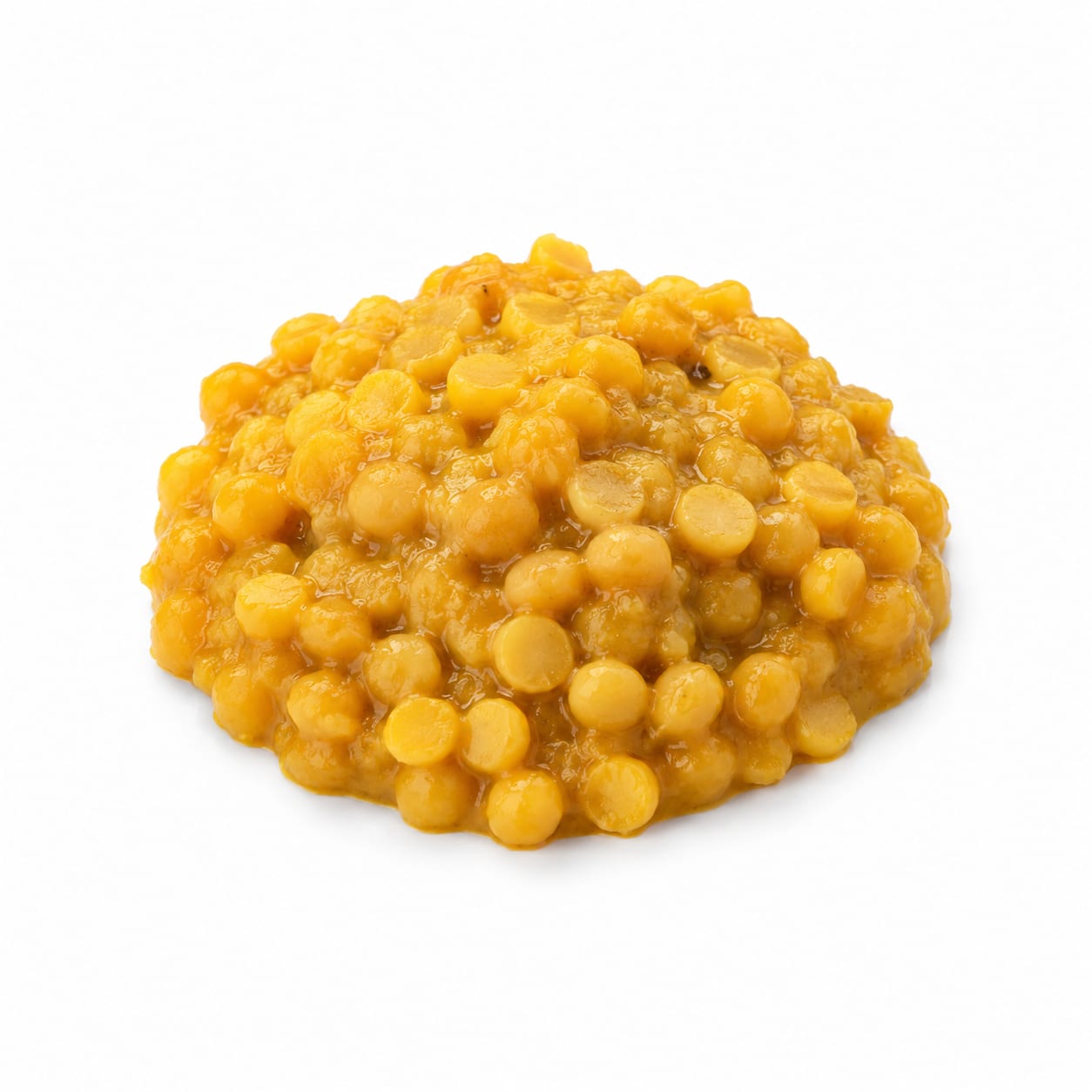
Yellow Pea
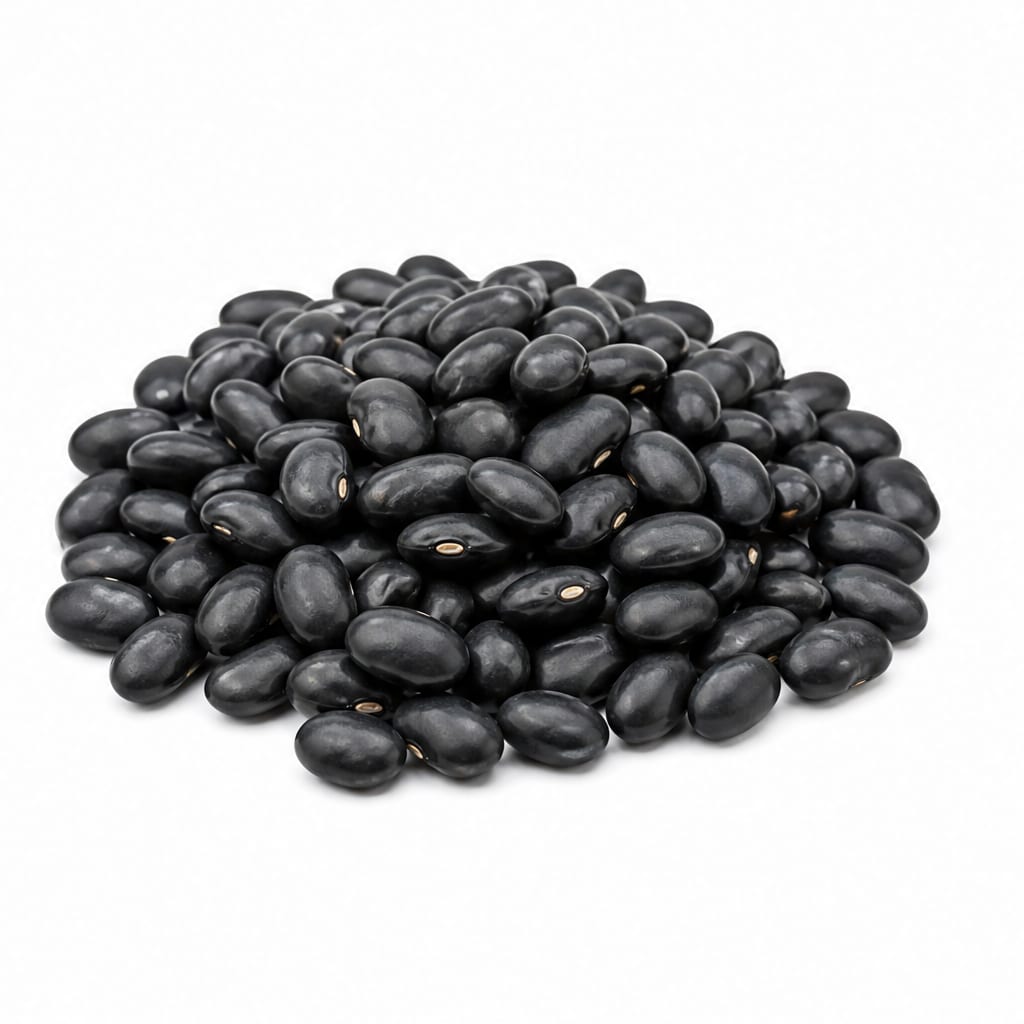
Black Beans
Black beans edge out yellow peas with higher protein, fiber, and a massive antioxidant boost, though yellow peas are gentler on digestion and cook faster.
Black beans score higher due to superior micronutrient density, antioxidant content, and slightly better protein per calorie. Yellow peas remain a strong, easily digestible alternative.
More micronutrients and antioxidants in black beans versus easier digestion and faster cooking with yellow peas.
At a glance
Executive summary
Overall
Black Beans
Healthier
Black Beans
More practical
Yellow Pea
Daily use
Black Beans
Key comparison lenses
Plant-based protein quality and quantity
Both are staple vegan proteins, but their amino acid profiles and protein density differ slightly.
Digestive tolerance and gas production
Legumes are infamous for causing bloating; yellow peas are often easier on the gut than whole black beans.
Micronutrient and antioxidant density
Black beans are uniquely rich in anthocyanins and iron, while yellow peas offer different mineral benefits.
Meal prep convenience and cooking time
Split yellow peas cook much faster than whole black beans, impacting weeknight dinner decisions.
Best choice for
Yellow Pea
- People with sensitive stomachs or IBS
- Quick weeknight soups and stews
- Those who dislike the earthy taste of darker beans
Black Beans
- Athletes needing iron and protein
- Anyone looking to boost antioxidant intake
- Latin American and Caribbean cuisine lovers
Least suitable for
Yellow Pea
- Those needing a massive iron boost
- People seeking high antioxidant density
Black Beans
- People prone to severe bloating from high-fiber legumes
- Last-minute cooking without a pressure cooker
Deep comparison
Dimension by dimension
Each lens scores both foods and breaks down who each option suits.
- Dimension 1 · Priority 92Black Beans
Protein & Satiety
Yellow Pea · 75Black Beans · 85Black beans offer slightly more protein and fiber per serving, making them more filling and better for keeping hunger at bay.
Tradeoff
You get a stronger satiety hit with black beans, but the denser fiber can feel heavy if you eat a large portion.
Why it matters
Staying full longer helps control snacking and makes it easier to maintain a healthy weight without counting calories.
Real-world impact
A black bean bowl will likely keep you full from lunch until dinner, while a yellow pea soup might have you reaching for a snack an hour earlier.
Yellow Pea
- Lighter meals before a workout
Better for
- Heavy lifters needing high protein density
Worse for
Black Beans
- Post-workout recovery
- Long stretches between meals
Better for
- Eating right before a run or intense activity
Worse for
- Dimension 2 · Priority 85Black Beans
Antioxidant & Micronutrient Density
Yellow Pea · 60Black Beans · 92The dark skin of black beans is packed with anthocyanins, and they deliver far more iron and folate than yellow peas.
Tradeoff
You gain significant cellular protection and blood-building nutrients with black beans, but miss out on the milder flavor of yellow peas.
Why it matters
Antioxidants fight daily cellular wear and tear, while iron is critical for energy and avoiding fatigue, especially in plant-based diets.
Real-world impact
Eating black beans regularly can help prevent the afternoon energy slump often linked to low iron, whereas yellow peas contribute less to these specific reserves.
Yellow Pea
- Those who get enough iron from other sources
Better for
- Relying on it as a primary iron source
Worse for
Black Beans
- Women prone to iron deficiency
- Vegans needing nutrient-dense calories
Better for
- People with iron overload conditions
Worse for
- Dimension 3 · Priority 88Yellow Pea
Digestive Tolerance
Yellow Pea · 85Black Beans · 65Yellow peas, especially when split and cooked until soft, are much gentler on the digestive tract and produce less gas.
Tradeoff
You avoid bloating with yellow peas, but sacrifice some of the robust fiber benefits that whole black beans provide.
Why it matters
Chronic bloating can make healthy eating feel miserable, leading people to abandon legumes entirely.
Real-world impact
Yellow pea soup is a comforting, safe meal for a sensitive stomach, while a big portion of black beans might require a few hours of recovery time.
Yellow Pea
- People with IBS or sensitive guts
- Introducing legumes to children
Better for
- Situations where maximum fiber is the goal
Worse for
Black Beans
- Those needing to increase dietary fiber aggressively
Better for
- First dates or tight-quarters office lunches
Worse for
- Dimension 4 · Priority 80It depends
Blood Sugar Stability
Yellow Pea · 82Black Beans · 84Both are exceptional choices for steady blood sugar, offering slow-digesting carbs and high fiber.
Tradeoff
Black beans have a slight edge due to higher total fiber, but yellow peas are equally effective in practical, day-to-day glucose management.
Why it matters
Avoiding blood sugar spikes prevents the crash that leads to sugar cravings and fatigue.
Real-world impact
Swapping white rice or pasta for either of these legumes will result in noticeably steadier energy throughout the afternoon.
Yellow Pea
- Easier digestion of blood-sugar-stabilizing meals
Better for
Black Beans
- Maximum fiber to slow glucose absorption
Better for
- Dimension 5 · Priority 75Yellow Pea
Culinary Convenience
Yellow Pea · 88Black Beans · 70Split yellow peas cook quickly without soaking, while whole black beans require long cooking times or overnight soaking.
Tradeoff
Yellow peas save you time on busy weeknights, but black beans offer a firmer texture that holds up better in salads and bowls.
Why it matters
If a healthy food takes too long to cook, people often opt for processed convenience foods instead.
Real-world impact
You can decide to make yellow pea soup 45 minutes before dinner; black beans require planning ahead or using a pressure cooker.
Yellow Pea
- Spontaneous weeknight cooking
- Thick, creamy soups and dips
Better for
- Recipes requiring firm, distinct beans
Worse for
Black Beans
- Meal prep on Sundays
- Dishes where the bean needs to hold its shape
Better for
- Last-minute dinner emergencies
Worse for
Timeline
Health impact over time
Short-term
Hours to days
Yellow Pea
- Easier digestion with less bloating and gas
- A lighter, less heavy post-meal feeling
Black Beans
- Highly filling, which may cause temporary bloating if unaccustomed
- Sustained energy for several hours without a crash
Long-term
Months to years
Yellow Pea
- Consistent, gentle fiber intake supporting heart health
- Easier long-term adherence for people with sensitive digestive systems
Black Beans
- Superior iron stores and blood health
- Stronger cellular defense against oxidative stress from anthocyanins
Risk profile
Safety & processing
Both yellow peas and black beans are whole-food staples sold in their natural state, whether dried or canned. The only concern is the BPA lining in some cans and added sodium, which can be avoided by choosing dried or BPA-free no-salt-added canned versions.
Yellow Pea
Minimal contamination risk
lowYellow peas are very safe. Even if slightly undercooked, they do not contain the toxic lectins found in some other beans.
Black Beans
Undercooked toxin exposure
mediumLike all kidney-bean relatives, undercooked black beans contain phytohaemagglutinin, which can cause nausea and vomiting. Always boil thoroughly.
Who wins for whom
Audience fit
Same foods, different winners depending on your goal.
children
Yellow PeaYellow peas are milder in flavor, cook into creamy textures kids prefer, and are much easier on a child's developing digestive system.
daily consumption
Black BeansThe higher micronutrient and antioxidant profile of black beans makes them a more robust daily staple for long-term health, provided your gut tolerates them.
diabetes
It dependsBoth have an incredibly low glycemic load and high fiber, making them equally excellent for stabilizing blood sugar.
elderly
Yellow PeaYellow peas are gentler on the digestive tract, which often becomes more sensitive with age, while still providing excellent nutrition.
muscle gain
Black BeansBlack beans provide a slightly higher protein density and significantly more iron, which is crucial for oxygen delivery to working muscles.
weight loss
Black BeansBlack beans offer more fiber and protein per calorie, keeping you fuller for longer and reducing the urge to overeat.
Your move
Decision guide
Choose Yellow Pea
- You struggle with bloating or gas from other beans
- You want a quick-cooking legume for spontaneous weeknight dinners
- You prefer a milder, sweeter flavor that blends into creamy soups
Choose Black Beans
- You need a plant-based iron and folate boost
- You want maximum antioxidant protection from your carbs
- You are meal-prepping and have time to soak or pressure-cook
Either works if
- You want a high-fiber carbohydrate to replace refined grains
- You need affordable, shelf-stable plant protein
- You are building a healthy grain bowl and want a satisfying base
Avoid both if
- You are following a strict very-low-carb or ketogenic diet
- You have a diagnosed severe legume allergy
Final recommendation
Keep both in your pantry. Use yellow peas for comforting, easy-to-digest meals when you are short on time or feeling sensitive, and rely on black beans for nutrient-dense, antioxidant-rich meal prep when you have the time to cook them properly.
Practical
Consumer tips
- 1
Soak black beans overnight and rinse well to drastically reduce gas-causing oligosaccharides and cooking time.
- 2
Split yellow peas do not require soaking and cook in under 45 minutes, making them perfect for last-minute meals.
- 3
Add a strip of kombu seaweed while cooking either legume to help break down tough fibers and improve digestibility.
- 4
Pair both with a vitamin C source like bell peppers, tomatoes, or a squeeze of lemon to dramatically boost iron absorption.