
Nutrition comparison
Whole Milk vs Unsweetened Soy Milk: Which Is Healthier?
Compare Whole Milk and Unsweetened Soy Milk on calories, protein, heart health, digestion, and naturalness. Find out which milk is better for your goals.
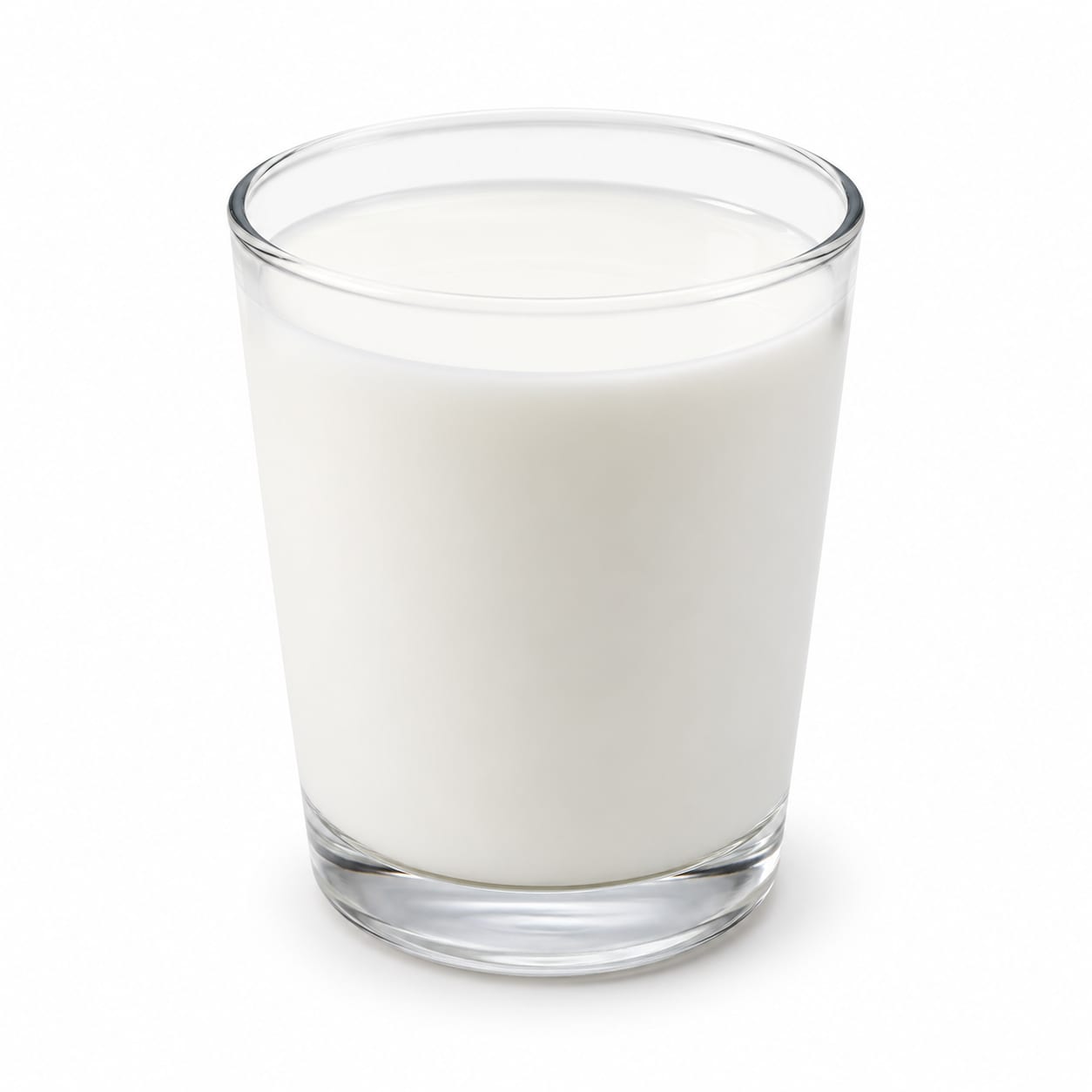
Whole Milk
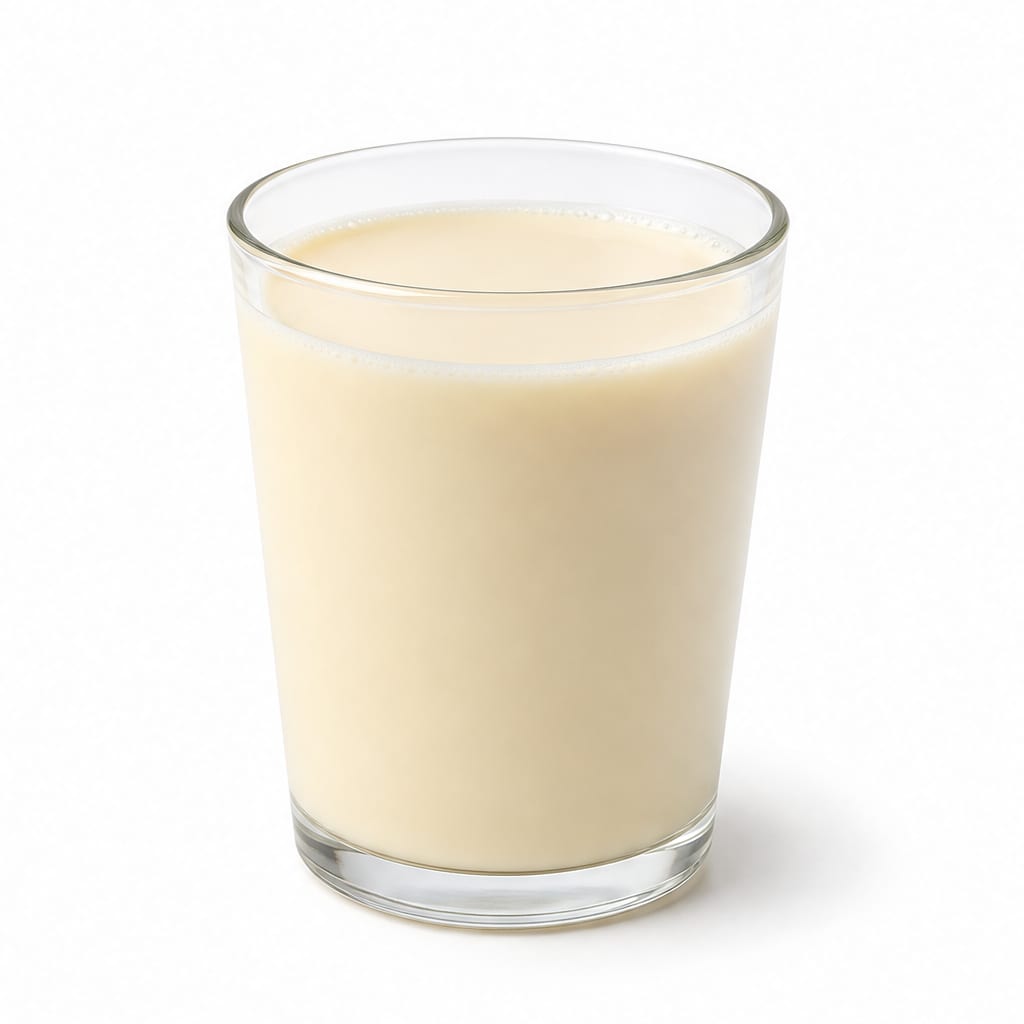
Unsweetened Soy Milk
Whole Milk wins on naturalness and protein quality; Unsweetened Soy Milk wins on heart health and calorie control. Your best pick depends on what you're optimizing for.
Unsweetened Soy Milk scores higher overall due to its heart-healthier fat profile and lower calorie density, which benefits more people long-term. Whole Milk remains strong for naturalness and protein quality but loses ground on saturated fat content.
Saturated fat and calories in Whole Milk versus added processing and lower protein quality in Unsweetened Soy Milk.
At a glance
Executive summary
Overall
It depends
Healthier
Unsweetened Soy Milk
More practical
It depends
Daily use
Unsweetened Soy Milk
Key comparison lenses
dairy vs plant milk for daily use
Most users choosing between these are deciding what to pour on cereal or coffee every day
heart health and saturated fat concern
Whole Milk's saturated fat is the primary health tradeoff users worry about
lactose tolerance and digestive comfort
Dairy digestion issues are the most common reason people switch to soy milk
protein quality comparison
Both are relatively high-protein milks but from different sources with different amino acid profiles
naturalness and processing level
Soy milk requires more processing, which matters to clean-label consumers
Best choice for
Whole Milk
- Children who need calorie-dense nutrition for growth
- People prioritizing minimally processed whole foods
- Those seeking the most bioavailable calcium and complete protein
- Anyone wanting richer flavor and creamier texture without additives
Unsweetened Soy Milk
- People managing cholesterol or heart disease risk
- Anyone lactose intolerant or dairy-sensitive
- Those watching calories for weight management
- Vegans and people avoiding animal products
Least suitable for
Whole Milk
- People with lactose intolerance or dairy allergies
- Anyone strictly managing saturated fat intake
- Vegans and those avoiding animal products
- People counting calories closely
Unsweetened Soy Milk
- People with soy allergies
- Those avoiding processed foods entirely
- Anyone concerned about phytoestrogen exposure
- Consumers wanting the most natural option
Deep comparison
Dimension by dimension
Each lens scores both foods and breaks down who each option suits.
- Dimension 1 · Priority 92Unsweetened Soy Milk
Heart Health and Fat Profile
Whole Milk · 45Unsweetened Soy Milk · 85Unsweetened Soy Milk has no saturated fat and provides heart-friendly polyunsaturated fats. Whole Milk delivers 4.5g of saturated fat per cup, which raises LDL cholesterol over time.
Tradeoff
Whole Milk tastes richer and creamier, but that creaminess comes from saturated fat that most adults should limit.
Why it matters
Heart disease remains the leading cause of death globally, and saturated fat intake is a modifiable risk factor.
Real-world impact
Swapping Whole Milk for Unsweetened Soy Milk daily could reduce saturated fat intake by over 30g per week — a meaningful shift for cardiovascular health.
Whole Milk
- People who are underweight and need calorie-dense fat sources
Better for
- People on doctor-advised low-saturated-fat diets
Worse for
Unsweetened Soy Milk
- Anyone with elevated cholesterol
- People with family history of heart disease
- Those following heart-healthy eating patterns
Better for
- Those who need calorie-dense nutrition after illness or weight loss
Worse for
- Dimension 2 · Priority 80Whole Milk
Protein Quality and Content
Whole Milk · 88Unsweetened Soy Milk · 68Whole Milk provides about 8g of complete protein with higher biological value. Unsweetened Soy Milk has around 7g of protein but with a slightly lower amino acid score and less leucine for muscle building.
Tradeoff
Whole Milk's protein is more efficiently used by the body, but soy protein is still solid and comes without saturated fat.
Why it matters
Protein quality affects muscle maintenance, satiety, and recovery — especially important as people age.
Real-world impact
After a workout, Whole Milk supports slightly better muscle protein synthesis, but the difference is modest for most people.
Whole Milk
- Athletes optimizing post-workout recovery
- Older adults fighting muscle loss
- Children needing growth-supporting protein
Better for
- People avoiding dairy protein due to allergy or inflammation concerns
Worse for
Unsweetened Soy Milk
- People who want adequate protein without saturated fat
- Vegans needing a plant-based protein source
Better for
- Competitive athletes chasing every marginal protein quality gain
Worse for
- Dimension 3 · Priority 85Unsweetened Soy Milk
Calorie Density and Weight Management
Whole Milk · 50Unsweetened Soy Milk · 82Unsweetened Soy Milk has roughly 80 calories per cup versus Whole Milk's 150. That 70-calorie difference per cup adds up fast with daily consumption.
Tradeoff
Whole Milk is more filling per cup, but Unsweetened Soy Milk lets you save calories easily without sacrificing volume.
Why it matters
A daily 70-calorie saving translates to about 7 pounds of potential weight difference per year if nothing else changes.
Real-world impact
If you drink two cups a day, switching to Unsweetened Soy Milk saves you nearly 1000 calories per week — equivalent to a full day of eating.
Whole Milk
- People trying to gain weight healthily
- Those who find low-calorie drinks unsatisfying
Better for
- People struggling with portion control or weight gain
Worse for
Unsweetened Soy Milk
- Anyone actively losing weight
- People who drink multiple glasses of milk daily
- Those who want to save calories for actual food
Better for
- Underweight individuals needing calorie density
Worse for
- Dimension 4 · Priority 78Unsweetened Soy Milk
Digestive Tolerance
Whole Milk · 42Unsweetened Soy Milk · 88Roughly 65% of the global population has some degree of lactose malabsorption. Unsweetened Soy Milk contains zero lactose and is naturally gentle on digestion.
Tradeoff
Whole Milk can cause bloating, gas, and discomfort for lactose-sensitive people, while soy milk rarely causes digestive issues unless you have a soy allergy.
Why it matters
Digestive discomfort affects daily quality of life and can discourage consistent healthy eating habits.
Real-world impact
If you feel bloated or gassy after cereal with Whole Milk, switching to Unsweetened Soy Milk could eliminate that within days.
Whole Milk
- People with confirmed lactose tolerance who digest dairy well
Better for
- Lactose-intolerant individuals
- People with dairy-sensitive IBS
Worse for
Unsweetened Soy Milk
- Anyone experiencing bloating after dairy
- People with diagnosed lactose intolerance
- Those with irritable bowel syndrome triggered by dairy
Better for
- People with soy allergies or sensitivities
Worse for
- Dimension 5 · Priority 74Whole Milk
Bone Health and Calcium Bioavailability
Whole Milk · 82Unsweetened Soy Milk · 65Whole Milk contains naturally occurring calcium that is highly bioavailable. Unsweetened Soy Milk is fortified with calcium, which may settle at the bottom of the carton and is slightly less well absorbed.
Tradeoff
Natural calcium in Whole Milk is absorbed more reliably, but fortified soy milk still provides adequate calcium if you shake the carton.
Why it matters
Calcium absorption matters more than calcium content on the label — what you absorb is what you actually get.
Real-world impact
If you forget to shake your soy milk, your last few glasses may have significantly less calcium than the label promises.
Whole Milk
- Postmenopausal women at risk for osteoporosis
- Children building peak bone mass
- Anyone relying on milk as a primary calcium source
Better for
- Those who avoid dairy entirely for other health reasons
Worse for
Unsweetened Soy Milk
- People who supplement calcium separately and do not rely on milk alone
Better for
- People who do not shake fortified milk before pouring
- Those relying solely on soy milk for calcium without other sources
Worse for
- Dimension 6 · Priority 68Whole Milk
Processing and Naturalness
Whole Milk · 85Unsweetened Soy Milk · 50Whole Milk is pasteurized but otherwise minimally processed. Unsweetened Soy Milk requires soaking, grinding, filtering, and fortification with vitamins and minerals.
Tradeoff
Soy milk is more processed but avoids animal saturated fat. Whole Milk is closer to its natural state but comes from an animal with its own risk profile.
Why it matters
People seeking clean-label, whole-food diets generally prefer foods with fewer steps between farm and table.
Real-world impact
If you read ingredient lists, Whole Milk has one ingredient. Unsweetened Soy Milk typically has seven or more, including thickeners and fortificants.
Whole Milk
- Clean-label and whole-food advocates
- People avoiding thickeners like carrageenan or gums
- Those who prefer short ingredient lists
Better for
- Those concerned about antibiotic or hormone residues in dairy
Worse for
Unsweetened Soy Milk
- People who prioritize avoiding animal products over minimal processing
Better for
- Anyone strictly avoiding processed or fortified foods
Worse for
Timeline
Health impact over time
Short-term
Hours to days
Whole Milk
- Provides immediate satiety from fat and protein content
- May trigger bloating or gas in lactose-sensitive individuals within 30 minutes
- Delivers quick energy from natural sugars and fats
Unsweetened Soy Milk
- Light on the stomach with minimal digestive discomfort for most people
- Lower calorie load means less post-meal fullness
- Fortified nutrients may not be absorbed as efficiently in a single serving
Long-term
Months to years
Whole Milk
- Regular saturated fat intake may elevate LDL cholesterol over years
- Consistent calcium intake supports bone density when consumed long-term
- Some studies link full-fat dairy to lower diabetes risk, but evidence is mixed
Unsweetened Soy Milk
- Replacing saturated fat with unsaturated fat supports cardiovascular health over time
- Soy phytoestrogens may offer mild benefits for menopausal symptoms with regular consumption
- Fortified calcium may be less consistently absorbed, potentially affecting bone health if soy milk is the sole calcium source
Risk profile
Safety & processing
Whole Milk is essentially one ingredient — milk — with minimal processing beyond pasteurization. Unsweetened Soy Milk requires multiple processing steps and typically contains thickeners, stabilizers, and added vitamins and minerals to match dairy's nutritional profile.
Whole Milk
Antibiotic residue exposure
lowRegulated testing exists in most countries, but trace residues remain a concern for some consumers choosing conventional dairy.
Hormone exposure
mediumConventional dairy may contain naturally occurring bovine hormones and, in some countries, rbGH used to increase milk production.
Foodborne illness from raw or improperly handled milk
lowPasteurization eliminates most pathogens, but post-pasteurization contamination is still possible if refrigeration fails.
Unsweetened Soy Milk
Soy allergen exposure
mediumSoy is one of the top eight allergens. Reactions can range from mild hives to anaphylaxis in sensitive individuals.
Pesticide residue on conventionally grown soybeans
mediumSoy is a heavily sprayed crop. Choosing organic Unsweetened Soy Milk significantly reduces this concern.
Additive sensitivities
lowCarrageenan and some gums used as thickeners may cause digestive irritation in sensitive people.
Who wins for whom
Audience fit
Same foods, different winners depending on your goal.
children
Whole MilkWhole Milk provides calorie density, bioavailable calcium, and complete protein that growing bodies need. Soy milk is acceptable but requires more dietary planning.
daily consumption
Unsweetened Soy MilkLower calories, zero saturated fat, and easier digestion make Unsweetened Soy Milk the safer daily habit for most adults.
diabetes
Unsweetened Soy MilkUnsweetened Soy Milk has slightly fewer carbs and no saturated fat, which is better for insulin sensitivity and blood sugar management.
elderly
Unsweetened Soy MilkOlder adults benefit from lower saturated fat for heart health and easier digestion, while still getting adequate protein and calcium from fortified soy milk.
muscle gain
Whole MilkWhole Milk provides slightly more bioavailable protein with higher leucine content, plus calories needed for muscle building.
weight loss
Unsweetened Soy MilkSeventy fewer calories per cup makes Unsweetened Soy Milk an easy swap that saves hundreds of calories per week without reducing portion size.
Your move
Decision guide
Choose Whole Milk
- You digest dairy well and prioritize whole, minimally processed foods
- You are a child, teenager, or athlete needing calorie density and top-tier protein
- You want the richest flavor and creamiest texture for coffee or cooking
- You are underweight or recovering from illness and need nutrient density
Choose Unsweetened Soy Milk
- You are lactose intolerant or dairy-sensitive
- You are managing cholesterol, heart disease risk, or calorie intake
- You follow a vegan or plant-based diet
- You drink multiple glasses of milk daily and want a lighter option
Either works if
- You only use small amounts in coffee or recipes where the differences are negligible
- You get calcium and protein from other reliable sources throughout the day
- You rotate between both for variety without relying on either exclusively
Avoid both if
- You have both dairy and soy allergies
- You are strictly avoiding all processed foods and conventional dairy
- You prefer other milk alternatives like oat or almond for taste reasons
Final recommendation
For most adults, Unsweetened Soy Milk is the smarter daily choice — fewer calories, zero saturated fat, and easier digestion add up to a better long-term habit. Choose Whole Milk if you are an athlete, a growing child, or someone who prioritizes naturalness over heart-health optimization. Neither is perfect, and rotating both is a perfectly reasonable strategy.
Practical
Consumer tips
- 1
Shake Unsweetened Soy Milk vigorously before each pour — added calcium settles at the bottom and you may miss it otherwise.
- 2
Choose organic soy milk to minimize pesticide exposure from conventionally grown soybeans.
- 3
If switching from Whole Milk to Unsweetened Soy Milk, give it two weeks — taste preferences adjust surprisingly fast.
- 4
Watch for added sugars in flavored soy milks — the unsweetened version is the one that competes favorably with Whole Milk.
- 5
Whole Milk from grass-fed cows offers a better omega-3 profile and is worth the premium if dairy is your daily drink.
- 6
If you have a soy allergy but want a plant-based alternative, consider oat milk or pea milk instead of defaulting back to Whole Milk.