
Nutrition comparison
Whole Milk vs Unsweetened Almond Milk: Nutrition, Calories, and Which Is Better for You
Compare Whole Milk and Unsweetened Almond Milk side by side — calories, protein, satiety, heart health, and real-world tradeoffs to help you choose the right milk for your goals.
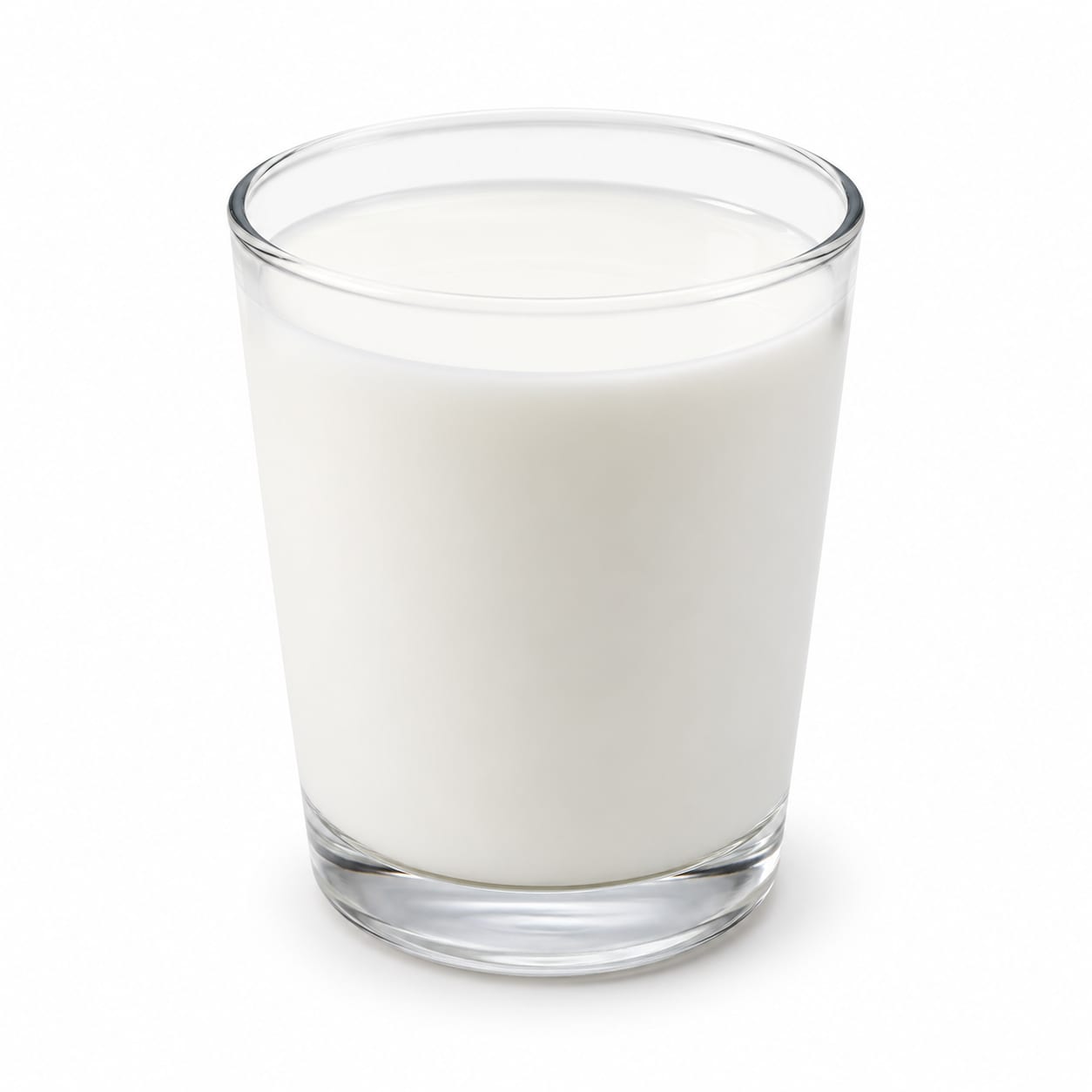
Whole Milk
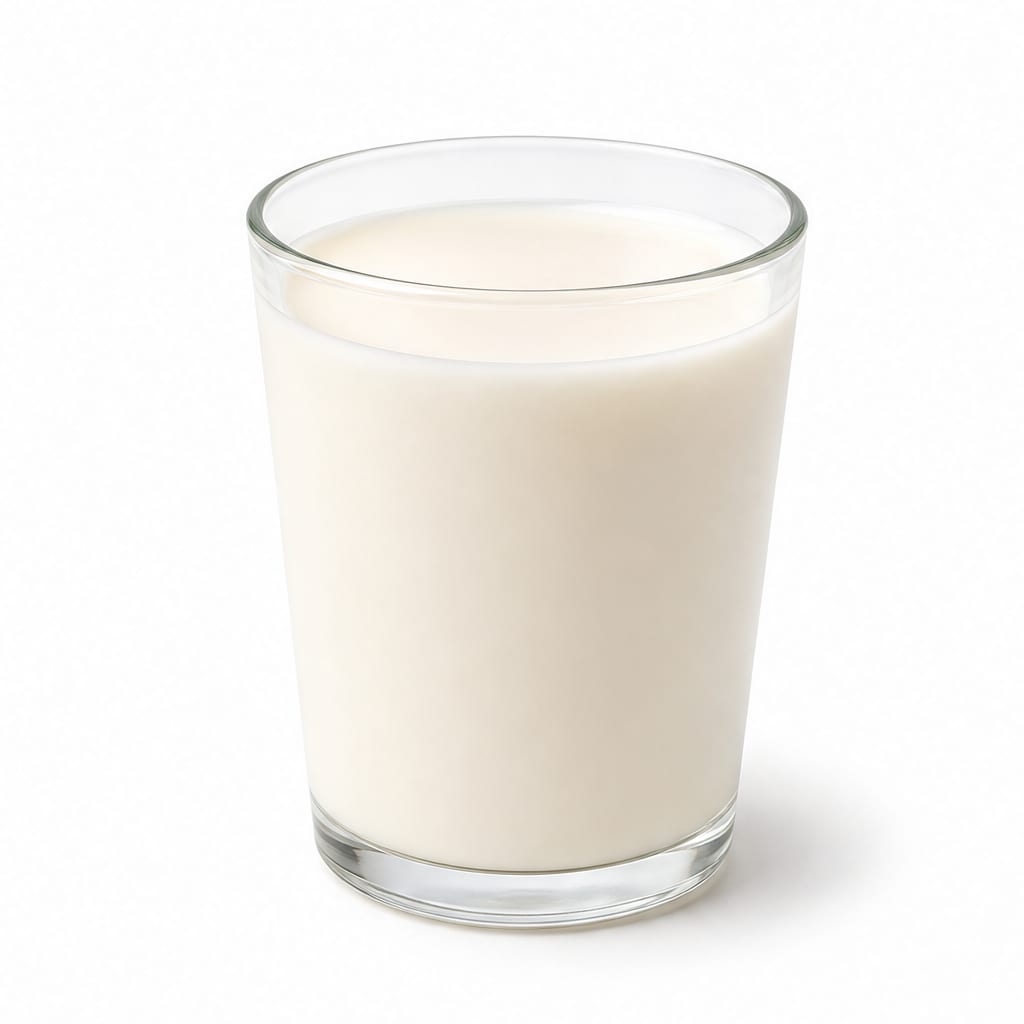
Unsweetened Almond Milk
Whole Milk is real nutrition in a glass — filling, protein-rich, and naturally complete. Unsweetened Almond Milk is a near-zero-calorie liquid that avoids saturated fat but delivers almost no nourishment.
Whole Milk scores higher for nutritional completeness and satiety but loses ground on calories and saturated fat. Unsweetened Almond Milk wins on calorie control and heart health but scores lower because it provides minimal actual nutrition. The gap reflects that Whole Milk is a food while Unsweetened Almond Milk is closer to a flavored beverage.
Substance vs lightness: Whole Milk fills you up and feeds your body, but costs calories and saturated fat. Unsweetened Almond Milk saves calories and avoids dairy issues, but leaves you hungry and undernourished if relied on as a milk replacement.
At a glance
Executive summary
Overall
It depends
Healthier
It depends
More practical
Unsweetened Almond Milk
Daily use
It depends
Key comparison lenses
weight management and calorie control
The calorie gap between these two is massive — roughly 150 vs 30-40 calories per cup — making this the primary decision driver for most users
satiety and nutritional completeness
Whole Milk delivers real protein and fat that keep you full, while Unsweetened Almond Milk is essentially flavored water with minimal nutrition
heart health and saturated fat concerns
Whole Milk contains significant saturated fat, which is a legitimate concern for cardiovascular health; Unsweetened Almond Milk has virtually none
dairy tolerance and digestive comfort
Lactose intolerance and dairy sensitivity are extremely common, making Unsweetened Almond Milk a necessary alternative for many people
processing and additive exposure
Unsweetened Almond Milk requires emulsifiers and fortification, while Whole Milk is a single-ingredient whole food
Best choice for
Whole Milk
- Growing children who need calories, protein, and fat for development
- Active adults needing satiety and natural nutrition from whole foods
- Older adults at risk of muscle loss who benefit from complete protein
- People trying to gain weight or maintain weight healthily
- Anyone wanting a single-ingredient, minimally processed beverage
Unsweetened Almond Milk
- People with lactose intolerance or dairy sensitivity
- Anyone cutting calories for weight loss who wants milk flavor without the cost
- Those managing heart disease risk who need to limit saturated fat
- Vegans and people avoiding animal products
- Intermittent fasters wanting a near-zero-calorie creamer alternative
Least suitable for
Whole Milk
- People with lactose intolerance or dairy allergies
- Anyone strictly limiting saturated fat for heart health
- Those on aggressive calorie-restricted diets
- Vegans and dairy-free lifestyles
Unsweetened Almond Milk
- Children who need protein and calories for growth
- Anyone relying on milk as a nutritional staple rather than a flavoring
- People concerned about emulsifiers and processed food additives
- Those who find low-calorie drinks unsatisfying and end up overeating later
Deep comparison
Dimension by dimension
Each lens scores both foods and breaks down who each option suits.
- Dimension 1 · Priority 95Whole Milk
satiety and fullness
Whole Milk · 88Unsweetened Almond Milk · 18Whole Milk keeps you full for hours thanks to its protein and fat. Unsweetened Almond Milk passes through you like water because it essentially is water with a hint of almonds.
Tradeoff
You drink Whole Milk and feel satisfied. You drink Unsweetened Almond Milk and feel thirsty again in 20 minutes.
Why it matters
Low-satiety drinks often lead to more snacking later, which can cancel out the calories you saved.
Real-world impact
A morning smoothie with Whole Milk can hold you until lunch. The same smoothie with Unsweetened Almond Milk leaves you hunting for snacks by 10:30 AM.
Whole Milk
- Breakfast that needs to last until lunch
- Post-workout recovery when you need real fuel
- Anyone who tends to overeat when unsatisfied
Better for
- Moments when you want something light before a big meal
Worse for
Unsweetened Almond Milk
- Light evening drink when you want flavor without feeling stuffed
- Situations where you are eating a full meal alongside the drink
Better for
- Any situation where the drink is your only nutrition source
Worse for
- Dimension 2 · Priority 92Unsweetened Almond Milk
calorie efficiency and weight management
Whole Milk · 35Unsweetened Almond Milk · 90Unsweetened Almond Milk delivers milk-like flavor at roughly one-quarter the calories. Whole Milk costs about 150 calories per cup, which adds up fast if you drink multiple glasses or use it in coffee, oatmeal, and smoothies daily.
Tradeoff
Saving calories feels smart, but if those saved calories get replaced by extra snacking from low satiety, the benefit disappears.
Why it matters
A daily latte switch from Whole Milk to Unsweetened Almond Milk saves about 100 calories — meaningful for weight loss if the rest of your diet stays controlled.
Real-world impact
Three daily servings of Whole Milk add 450 calories. The same amount of Unsweetened Almond Milk adds about 100. That difference can determine whether you slowly gain or slowly lose weight.
Whole Milk
- Athletes who need the calories and are not trying to lose weight
- Underweight individuals who benefit from easy calorie intake
Better for
- Sedentary people who do not need the extra calories
- Anyone struggling with portion control across the day
Worse for
Unsweetened Almond Milk
- Calorie counters trying to create a sustainable deficit
- People who consume multiple milk servings per day
- Anyone who drinks milk primarily for taste rather than nutrition
Better for
- Dieters who compensate by eating more later because the drink was unsatisfying
Worse for
- Dimension 3 · Priority 90Whole Milk
protein and nutritional completeness
Whole Milk · 85Unsweetened Almond Milk · 12Whole Milk provides 8 grams of complete protein per cup along with naturally occurring calcium, vitamin D, B12, potassium, and phosphorus. Unsweetened Almond Milk provides about 1 gram of low-quality protein and must be fortified to offer any meaningful vitamins or minerals.
Tradeoff
Whole Milk is a genuine food group contributor. Unsweetened Almond Milk is nutritionally negligible and should never be relied on as a protein or calcium source without supplementation.
Why it matters
If you replace all dairy with Unsweetened Almond Milk without adjusting the rest of your diet, you risk protein and calcium shortfalls over time.
Real-world impact
A child who switches from Whole Milk to Unsweetened Almond Milk without dietary compensation loses a major protein and calcium source during critical growth years.
Whole Milk
- Growing children and teenagers
- Older adults preventing muscle loss
- Anyone using milk as a meaningful protein source
- People who eat simply and need each food to pull nutritional weight
Better for
- People who mistakenly believe milk alone provides all needed nutrition
Worse for
Unsweetened Almond Milk
- Those who already get plenty of protein from other sources
- Anyone using it as a minor recipe ingredient rather than a nutrition source
Better for
- Anyone who assumes all milks are nutritionally equivalent
- Vegans who do not carefully plan protein and calcium from other sources
Worse for
- Dimension 4 · Priority 85Unsweetened Almond Milk
heart health and saturated fat
Whole Milk · 38Unsweetened Almond Milk · 88Whole Milk contains about 4.5 grams of saturated fat per cup, which raises LDL cholesterol. Unsweetened Almond Milk has virtually no saturated fat and contains mostly monounsaturated fat from almonds, which is heart-friendlier.
Tradeoff
Choosing Unsweetened Almond Milk protects your heart from saturated fat, but you lose the cardio-protective benefits of adequate protein and the satiety that prevents overeating other junk food.
Why it matters
For people with high cholesterol or family history of heart disease, the saturated fat in Whole Milk is a legitimate daily concern.
Real-world impact
Two glasses of Whole Milk per day delivers nearly half the American Heart Association's recommended saturated fat limit for an entire day.
Whole Milk
- People with no heart disease risk factors who tolerate saturated fat well
- Those whose overall diet is already very low in saturated fat
Better for
- People already exceeding saturated fat limits from cheese, butter, and meat
Worse for
Unsweetened Almond Milk
- Anyone with elevated LDL cholesterol
- People with family history of heart disease
- Those following heart-healthy eating patterns like Mediterranean or DASH
Better for
- Those who assume heart health is only about avoiding fat, ignoring overall diet quality
Worse for
- Dimension 5 · Priority 80Unsweetened Almond Milk
digestive tolerance and allergy risk
Whole Milk · 30Unsweetened Almond Milk · 85Roughly 65% of the global population has some degree of lactose malabsorption. Whole Milk causes bloating, gas, and discomfort for millions. Unsweetened Almond Milk is naturally lactose-free and well-tolerated by nearly everyone, though tree nut allergies are a separate concern.
Tradeoff
Unsweetened Almond Milk solves digestive distress for most dairy-sensitive people, but introduces a rare but serious allergen for those with nut allergies.
Why it matters
Digestive discomfort is not just unpleasant — it damages quality of life and can cause people to avoid nutritious foods entirely.
Real-world impact
Someone with lactose intolerance who drinks Whole Milk experiences bloating and irregularity. Switching to Unsweetened Almond Milk eliminates the problem immediately.
Whole Milk
- People with confirmed lactose tolerance and no dairy sensitivity
- Those with nut allergies who cannot safely consume almond products
Better for
- Anyone who experiences gas, bloating, or stomach pain after dairy
Worse for
Unsweetened Almond Milk
- Anyone with lactose intolerance or dairy sensitivity
- People with irritable bowel syndrome who react to dairy
- Those who feel generally better avoiding dairy products
Better for
- People with tree nut allergies — almond milk is obviously unsafe
Worse for
- Dimension 6 · Priority 72Whole Milk
processing and additive exposure
Whole Milk · 82Unsweetened Almond Milk · 35Whole Milk is a single-ingredient food — just pasteurized milk. Unsweetened Almond Milk requires industrial processing to extract, blend, and stabilize almond particles in water, typically using emulsifiers like sunflower lecithin or gums like gellan and carrageenan.
Tradeoff
You gain dairy-free convenience with Unsweetened Almond Milk, but you consume a more processed product with additives your grandmother would not recognize.
Why it matters
Emerging research suggests some emulsifiers may disrupt gut lining integrity. The risk is small but worth noting for daily consumers.
Real-world impact
Reading the ingredient list: Whole Milk says 'milk.' Unsweetened Almond Milk says 'filtered water, almonds, sunflower lecithin, gellan gum, natural flavor.' That gap tells the story.
Whole Milk
- Minimalists who want whole, recognizable foods
- People concerned about gut health and emulsifier exposure
- Anyone following a clean-eating approach
Better for
- People who assume all dairy is highly processed — it is actually one of the least processed foods available
Worse for
Unsweetened Almond Milk
- Those who prioritize avoiding dairy over avoiding additives
- People who use small amounts occasionally rather than drinking it daily
Better for
- Anyone who assumes plant-based automatically means less processed
Worse for
Timeline
Health impact over time
Short-term
Hours to days
Whole Milk
- Provides immediate satiety and sustained energy from protein and fat
- Can cause bloating and digestive discomfort in lactose-intolerant individuals
- Contributes to feeling full enough to skip unnecessary snacking
Unsweetened Almond Milk
- Feels light and refreshing without digestive burden
- Leaves you hungry again quickly due to minimal protein and fat
- Virtually no blood sugar impact, which is both a benefit and a sign of negligible energy contribution
Long-term
Months to years
Whole Milk
- Supports bone density through natural calcium, vitamin D, and phosphorus synergy
- Daily saturated fat intake may raise LDL cholesterol over years
- Consistent protein intake supports muscle maintenance, especially important after age 40
- Possible association with increased acne in susceptible individuals due to dairy hormones
Unsweetened Almond Milk
- Low saturated fat intake supports cardiovascular health long-term
- Risk of calcium and protein deficiency if not compensated through other foods or supplements
- Fortified nutrients may be less bioavailable than naturally occurring ones in dairy
- Minimal caloric contribution makes sustained weight management easier when the rest of diet is controlled
Risk profile
Safety & processing
Whole Milk is about as close to nature as a commercial beverage gets — just pasteurized milk. Unsweetened Almond Milk is an industrially created product that requires emulsifiers, stabilizers, and fortification to approximate the experience of milk. The additive levels are generally recognized as safe, but daily consumers should be aware they are drinking a processed food, not a whole food.
Whole Milk
lactose intolerance reactions
mediumAffects the majority of the global population to some degree, causing bloating, gas, and diarrhea in susceptible individuals
dairy allergy
highTrue milk allergy can cause severe reactions including anaphylaxis, especially in young children
antibiotic and hormone residues
lowConventional dairy may contain trace antibiotic residues and synthetic hormones; organic options eliminate this concern
spoilage and foodborne illness
lowPasteurization makes this rare, but improper storage can lead to bacterial growth
Unsweetened Almond Milk
tree nut allergy
highAlmond milk is unsafe for anyone with tree nut allergies and can cause severe anaphylactic reactions
emulsifier gut disruption
lowCarrageenan and some gums may irritate the gut lining in sensitive individuals with daily consumption over long periods
incomplete fortification
mediumCalcium and vitamin fortification can settle at the bottom of the carton, delivering less than expected if not shaken well
ultra-processing concerns
lowNot a whole food; daily reliance on processed beverages has uncertain long-term health implications
Who wins for whom
Audience fit
Same foods, different winners depending on your goal.
children
Whole MilkGrowing children need the calories, protein, fat, and naturally bioavailable calcium in Whole Milk. Unsweetened Almond Milk does not provide adequate nutrition for development unless the rest of the diet is very carefully planned.
daily consumption
It dependsIf you need nutrition and tolerate dairy, Whole Milk is the better daily staple. If you are cutting calories, avoiding saturated fat, or lactose-intolerant, Unsweetened Almond Milk is the sustainable daily choice.
diabetes
Unsweetened Almond MilkBoth are low in sugar, but Unsweetened Almond Milk has zero sugar and fewer calories. Whole Milk contains lactose sugar which causes a small insulin response that some diabetics prefer to avoid.
elderly
It dependsWhole Milk helps prevent sarcopenia and bone loss with its protein and calcium. But Unsweetened Almond Milk is better for elderly individuals with heart disease or lactose intolerance. It depends on the specific health priority.
muscle gain
Whole MilkWhole Milk provides complete protein and calories that support muscle recovery and growth. Unsweetened Almond Milk contributes almost nothing toward muscle-building needs.
weight loss
Unsweetened Almond MilkAt roughly 30-40 calories per cup versus 150, Unsweetened Almond Milk creates an easy calorie deficit — as long as you do not compensate by eating more later from low satiety.
Your move
Decision guide
Choose Whole Milk
- You tolerate dairy well and want a filling, nutritionally complete beverage
- You are feeding children who need protein, fat, and calcium for growth
- You are active and need the calories and protein for recovery
- You prioritize whole, minimally processed foods in your diet
- You struggle with hunger and need drinks that actually satisfy
Choose Unsweetened Almond Milk
- You are lactose-intolerant or dairy-sensitive and want a comfortable alternative
- You are cutting calories and every saved calorie counts toward your deficit
- You have high cholesterol or heart disease risk and need to limit saturated fat
- You are vegan or avoiding animal products for ethical reasons
- You want a light liquid for smoothies, coffee, or cereal without the caloric cost
Either works if
- You use milk only in small amounts as a recipe ingredient where nutrition matters less
- You rotate between both depending on the meal context — Whole Milk for protein-rich breakfasts, Unsweetened Almond Milk for light evening drinks
- You have no specific health restrictions and simply prefer based on taste
Avoid both if
- You have both dairy allergy and tree nut allergy — neither is safe for you
- You are looking for a high-protein beverage and want something better than either option — consider a protein shake instead
Final recommendation
Think of Whole Milk as food and Unsweetened Almond Milk as a low-calorie flavoring liquid. If you need nourishment, satiety, and real nutrition, Whole Milk delivers. If you need to save calories, avoid dairy, or protect your heart, Unsweetened Almond Milk is the practical choice. The worst mistake is treating them as nutritionally interchangeable — they are not. Pick based on what your body actually needs from that glass.
Practical
Consumer tips
- 1
Shake Unsweetened Almond Milk vigorously before pouring — added calcium settles at the bottom and you may be getting less than the label promises
- 2
If switching from Whole Milk to Unsweetened Almond Milk, audit your overall protein and calcium intake to avoid silent shortfalls over months
- 3
Choose organic Whole Milk if you are concerned about antibiotic and hormone residues in conventional dairy
- 4
Read Unsweetened Almond Milk labels carefully — some brands sneak in added sugars or use carrageenan, which may irritate sensitive guts
- 5
Try Whole Milk in your morning coffee and Unsweetened Almond Milk in your afternoon smoothie — you do not have to pick just one
- 6
For children under two, pediatricians consistently recommend Whole Milk over any plant milk unless there is a diagnosed allergy
- 7
If Unsweetened Almond Milk leaves you hungry, try adding a scoop of protein powder to close the satiety gap