
Nutrition comparison
Whole Milk vs Rice Milk: Nutrition, Protein, and Sugar Compared
Comparing Whole Milk and Rice Milk? Discover the key differences in protein, sugar, processing, and which is better for your dietary needs.
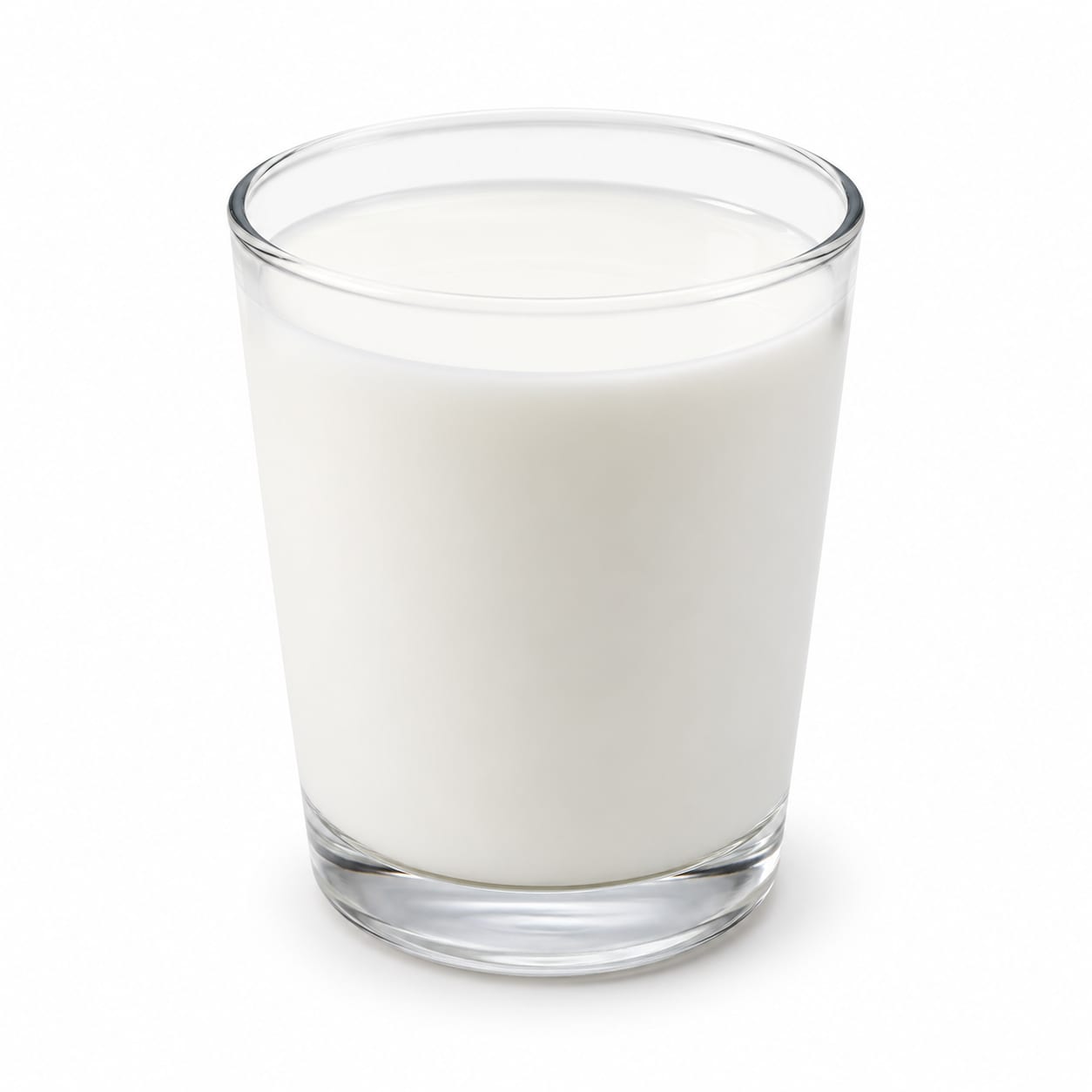
Whole Milk
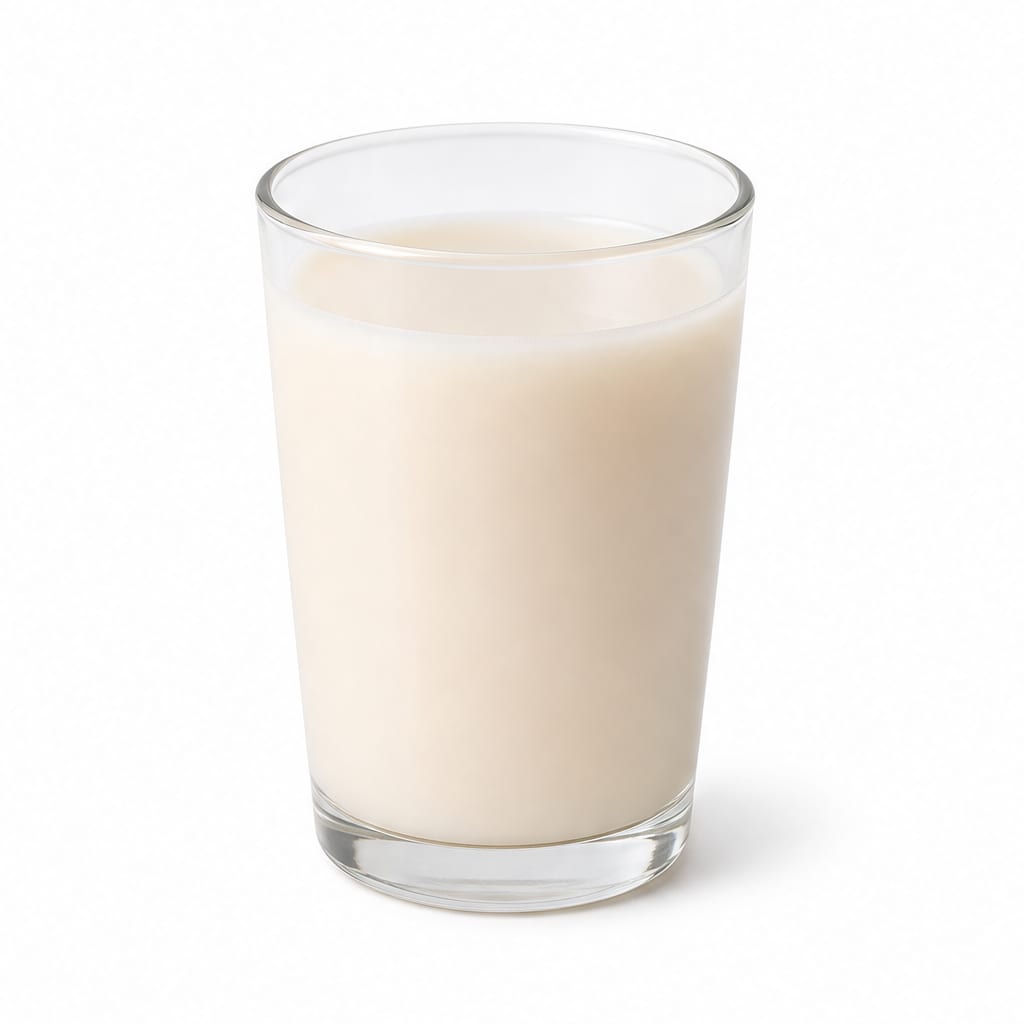
Rice Milk
Whole Milk is a nutrient-dense, filling food, while Rice Milk is a highly processed, low-protein substitute that only wins for severe allergies.
Whole Milk scores significantly higher due to its natural protein, satiety, and lower sugar impact. Rice Milk scores lower because it is essentially carbohydrate water with added thickeners and offers almost zero protein.
You trade protein, satiety, and naturalness for a dairy-free, allergy-friendly but carb-heavy beverage.
At a glance
Executive summary
Overall
It depends
Healthier
Whole Milk
More practical
It depends
Daily use
Whole Milk
Key comparison lenses
Dairy vs Plant-based Alternative
The core decision usually stems from avoiding dairy or transitioning to a vegan lifestyle.
Protein and Satiety Comparison
Whole Milk is known for protein, while Rice Milk is notoriously lacking, impacting fullness.
Blood Sugar Impact
Rice Milk is high in carbohydrates and can spike blood sugar, whereas Whole Milk has a lower glycemic index.
Allergy and Digestive Tolerance
Rice Milk is a top choice for multiple allergies, while Whole Milk poses issues for the lactose intolerant.
Processing and Naturalness
Whole Milk is a single-ingredient food; Rice Milk is highly processed with additives and fortification.
Best choice for
Whole Milk
- Muscle maintenance and growth
- Keeping hunger at bay between meals
- Maximizing nutrient density from whole foods
Rice Milk
- Strict vegans
- People with dairy, soy, and nut allergies
- Those who need a light cooking or baking liquid
Least suitable for
Whole Milk
- Lactose intolerant individuals
- Vegans
- People avoiding saturated fat
Rice Milk
- Diabetics and insulin-resistant individuals
- Those relying on milk for protein
- Clean-eating advocates avoiding additives
Deep comparison
Dimension by dimension
Each lens scores both foods and breaks down who each option suits.
- Dimension 1 · Priority 95Whole Milk
Protein & Satiety
Whole Milk · 90Rice Milk · 10Whole Milk provides 8 grams of high-quality protein per cup, keeping you full. Rice Milk offers virtually zero protein, leaving you hungry soon after.
Tradeoff
You gain digestive comfort with Rice Milk if lactose-intolerant, but sacrifice the muscle-supporting and hunger-curbing benefits of Whole Milk's protein.
Why it matters
Protein is essential for staying full and maintaining muscle. A protein-free milk often leads to overeating later in the day.
Real-world impact
Drinking Whole Milk with breakfast can easily keep you full until lunch. Rice Milk digests rapidly, often leading to a mid-morning energy crash and cravings.
Whole Milk
- Athletes needing recovery
- People trying to stay full between meals
Better for
- People avoiding all animal products
Worse for
Rice Milk
- Those who want a light beverage without macronutrients
Better for
- Anyone relying on milk for daily protein intake
Worse for
- Dimension 2 · Priority 90Whole Milk
Blood Sugar Stability
Whole Milk · 75Rice Milk · 25Rice Milk is essentially rice water; it spikes blood sugar rapidly due to high carbs and no protein. Whole Milk has a much lower glycemic impact.
Tradeoff
Choosing Rice Milk for heart health reasons (zero saturated fat) can unexpectedly wreck your blood sugar stability.
Why it matters
Frequent blood sugar spikes lead to energy crashes, cravings, and long-term metabolic issues.
Real-world impact
A cup of Rice Milk can cause a quick energy surge followed by a steep crash, leaving you tired and reaching for snacks. Whole Milk provides steady, lasting energy.
Whole Milk
- Pre-diabetics
- People avoiding afternoon energy crashes
Better for
- People who experience mucus or inflammation from dairy
Worse for
Rice Milk
- Those who strictly pair it with high-fat, high-protein meals to blunt the spike
Better for
- Diabetics
- People with insulin resistance
Worse for
- Dimension 3 · Priority 85Rice Milk
Allergen & Digestive Tolerance
Whole Milk · 40Rice Milk · 95Rice Milk is naturally free of dairy, lactose, soy, and nuts, making it the ultimate safe choice for allergies. Whole Milk triggers digestive distress for lactose-intolerant individuals.
Tradeoff
Whole Milk causes bloating and gas for the lactose intolerant, while Rice Milk digests effortlessly but offers no nutritional substance.
Why it matters
Digestive discomfort can ruin your day, and severe allergies can be life-threatening.
Real-world impact
If you are lactose intolerant, Whole Milk guarantees bloating and stomach upset. Rice Milk goes down easy and causes zero digestive friction.
Whole Milk
- Those with robust digestion and no dairy sensitivity
Better for
- Anyone with lactose intolerance or a dairy allergy
Worse for
Rice Milk
- People with IBS or lactose intolerance
- Those with multiple food allergies
Better for
- People with severe grain or rice sensitivities
Worse for
- Dimension 4 · Priority 80Whole Milk
Processing & Additives
Whole Milk · 85Rice Milk · 25Whole Milk is a single-ingredient, minimally processed food. Rice Milk is ultra-processed, requiring added oils, thickeners like carrageenan, and synthetic vitamins.
Tradeoff
You avoid dairy with Rice Milk, but you introduce industrial additives and seed oils that Whole Milk naturally lacks.
Why it matters
Ultra-processed foods often disrupt gut health and contain additives that may cause low-grade inflammation.
Real-world impact
Whole Milk is simply poured from the carton. Rice Milk requires reading labels to avoid undesirable thickeners and added vegetable oils.
Whole Milk
- Fans of whole, single-ingredient foods
- People avoiding seed oils and thickeners
Better for
- People who believe all dairy is inherently inflammatory
Worse for
Rice Milk
- Those who prioritize avoiding dairy over avoiding additives
Better for
- Clean-eating advocates
- Those sensitive to carrageenan or gums
Worse for
- Dimension 5 · Priority 75Whole Milk
Bone Health & Nutrient Density
Whole Milk · 85Rice Milk · 55Whole Milk delivers highly bioavailable calcium, phosphorus, and vitamin D naturally. Rice Milk is fortified, meaning nutrients are added back synthetically and may not absorb as well.
Tradeoff
Rice Milk can match Whole Milk's calcium on a nutrition label, but the synthetic fortification is less reliable for actual bone support.
Why it matters
Naturally occurring nutrients often come with the necessary cofactors for proper absorption that synthetic vitamins lack.
Real-world impact
Drinking Whole Milk supports bone density naturally. Rice Milk requires your body to process synthetic vitamins, which often pass through without full absorption.
Whole Milk
- Growing teenagers
- Older adults needing highly absorbable calcium
Better for
- People who avoid dairy for philosophical reasons
Worse for
Rice Milk
- Vegans who supplement separately and just need a liquid base
Better for
- Children who need reliable, bioavailable nutrition for growth
Worse for
Timeline
Health impact over time
Short-term
Hours to days
Whole Milk
- Provides lasting fullness and steady energy
- Can cause bloating, gas, or cramping if you lack lactase enzymes
Rice Milk
- Light on the stomach and easy to digest
- May cause a quick energy crash from rapid sugar absorption
Long-term
Months to years
Whole Milk
- Supports muscle maintenance and bone density with complete protein
- High saturated fat intake may concern those with existing heart disease risk
Rice Milk
- Eliminates dairy-related inflammation for sensitive individuals
- Long-term low protein and high sugar intake may reduce muscle mass and metabolic health
Risk profile
Safety & processing
Whole Milk is a whole food with one ingredient. Rice Milk is a manufactured product requiring thickeners, oils, and fortification to vaguely mimic milk.
Whole Milk
Lactose Intolerance
mediumAffects a large portion of the global population, causing digestive distress and discomfort.
Hormone and Antibiotic Residues
lowPrimarily a concern with conventional farming; organic or grass-fed options minimize this risk.
Rice Milk
Arsenic Exposure
mediumRice naturally accumulates arsenic from soil and water, which can concentrate in rice milk.
Added Sugars
mediumMany commercial rice milks contain added sugars to improve the naturally bland taste.
Thickener Sensitivities
lowCarrageenan and other gums used for texture can cause gut irritation in sensitive individuals.
Who wins for whom
Audience fit
Same foods, different winners depending on your goal.
children
Whole MilkWhole Milk provides essential fat and bioavailable protein for growth, unless a dairy allergy exists.
daily consumption
Whole MilkWhole Milk is nutritionally superior for daily use, though Rice Milk is necessary for dairy-free diets.
diabetes
Whole MilkWhole Milk stabilizes blood sugar with its fat and protein content; Rice Milk spikes it.
elderly
Whole MilkWhole Milk helps prevent muscle wasting and bone density loss, unless lactose intolerant.
muscle gain
Whole MilkWhole Milk contains complete protein essential for muscle repair; Rice Milk has none.
weight loss
Whole MilkWhole Milk keeps you full longer due to protein and fat, reducing overall calorie intake later in the day.
Your move
Decision guide
Choose Whole Milk
- You tolerate dairy well and want a filling, nutrient-dense beverage
- You need high-quality protein for muscle or satiety
- You prefer single-ingredient, minimally processed foods
Choose Rice Milk
- You are strictly vegan or lactose intolerant
- You have multiple food allergies including soy and nuts
- You need a very low-fat liquid base for smoothies or recipes
Either works if
- You only need a splash for coffee and the nutritional differences are negligible
- You rotate between dairy and plant-based milks for variety
Avoid both if
- You want a low-calorie, low-sugar milk alternative (try unsweetened almond or flax milk)
Final recommendation
Choose Whole Milk if your body tolerates it, as it offers far superior nutrition, satiety, and blood sugar stability. Opt for Rice Milk only if you have multiple food allergies or are strictly vegan, but be mindful of its high sugar and zero protein content.
Practical
Consumer tips
- 1
If choosing Rice Milk, always opt for unsweetened varieties to avoid excessive sugar and blood sugar crashes.
- 2
Select organic Whole Milk to minimize exposure to synthetic hormones and pesticides.
- 3
Do not rely on Rice Milk as a nutritional substitute for Whole Milk for children without consulting a pediatrician, as it lacks essential fats and protein.
- 4
Watch out for carrageenan in Rice Milk ingredient lists if you have a sensitive gut or digestive issues.