
Nutrition comparison
Whole Milk vs Oat Milk: Nutrition, Blood Sugar, and Health Compared
Discover the nutritional differences between Whole Milk and Oat Milk. Compare protein, blood sugar impact, processing, and which is healthier for your diet.
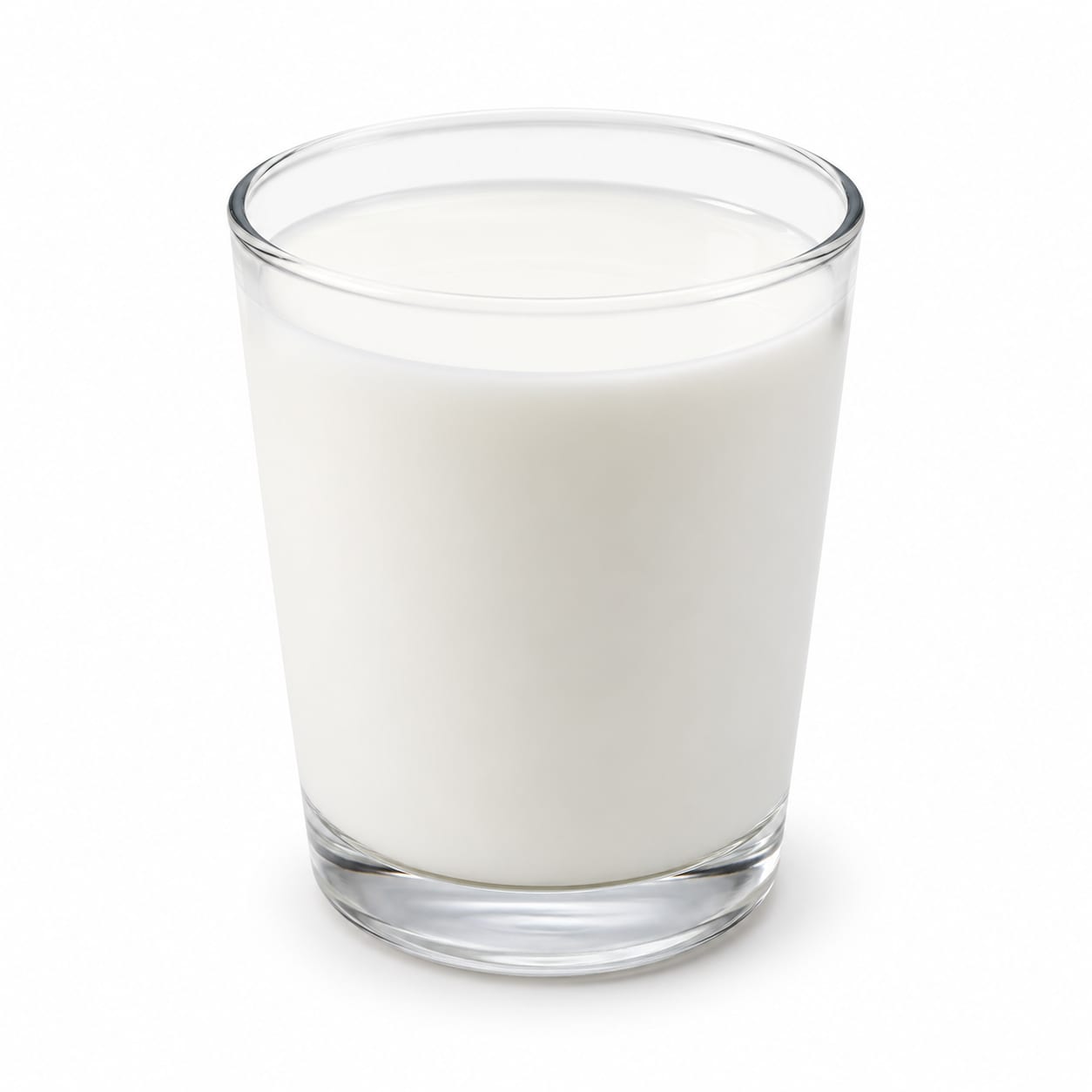
Whole Milk
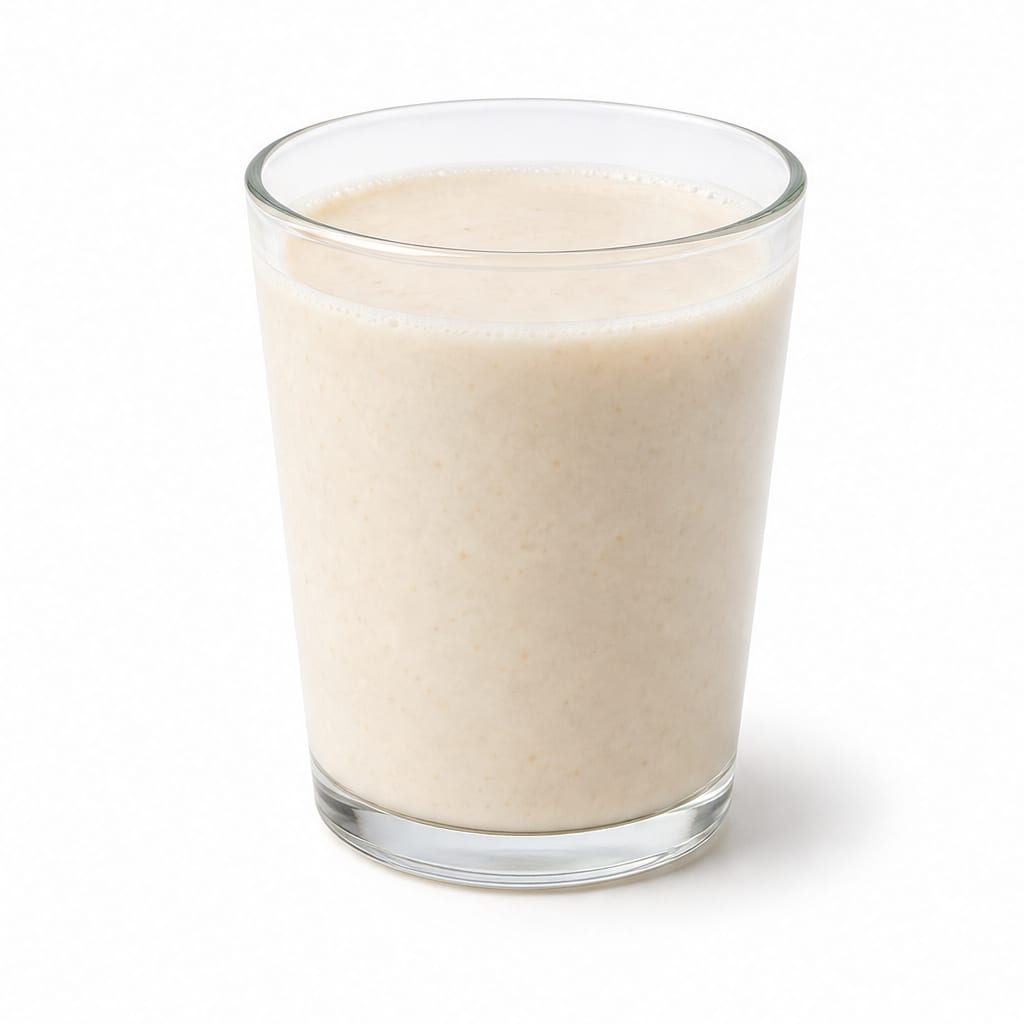
Oat Milk
Whole Milk offers superior protein, satiety, and natural nutrition with minimal processing, while Oat Milk provides a lactose-free, plant-based alternative but often comes with added sugars, oils, and blood sugar spikes.
Whole Milk scores higher due to its natural state, superior protein, and steadier blood sugar response. Oat Milk remains relevant for specific dietary restrictions but loses points for ultra-processing, added oils, and high glycemic impact.
Natural nutrient density and fullness versus dairy-free convenience and lower saturated fat, at the cost of ultra-processing and blood sugar impact.
At a glance
Executive summary
Overall
It depends
Healthier
It depends
More practical
Oat Milk
Daily use
Whole Milk
Key comparison lenses
Dairy vs Plant-Based Nutritional Completeness
Whole Milk is a naturally complete food, while Oat Milk is an ultra-processed substitute requiring fortification to mimic nutritional value.
Blood Sugar Impact
Oat milk naturally contains maltose during enzymatic processing, giving it a surprisingly high glycemic index compared to low-GI Whole Milk.
Ultra-Processing and Additives
Commercial Oat Milk typically contains seed oils, emulsifiers, and gums, whereas Whole Milk is a single-ingredient whole food.
Digestive Tolerance and Allergies
Lactose intolerance and dairy allergies drive the need for Oat Milk, despite its nutritional tradeoffs.
Best choice for
Whole Milk
- Children needing bioavailable growth nutrients
- Athletes seeking muscle recovery and complete protein
- People prioritizing whole, minimally processed foods
- Those wanting steady energy without blood sugar crashes
Oat Milk
- Vegans and strict plant-based eaters
- Lactose-intolerant individuals
- Those with dairy allergies
- People strictly limiting saturated fat intake
Least suitable for
Whole Milk
- Lactose-intolerant individuals
- Vegans
- People with dairy allergies
- Those strictly managing LDL cholesterol
Oat Milk
- Diabetics and insulin-resistant individuals
- Clean-eating purists avoiding ultra-processed foods
- Those needing high-quality protein for satiety or muscle
- People sensitive to seed oils or emulsifiers
Deep comparison
Dimension by dimension
Each lens scores both foods and breaks down who each option suits.
- Dimension 1 · Priority 90Whole Milk
Satiety & Fullness
Whole Milk · 85Oat Milk · 40Whole Milk keeps you full much longer thanks to its natural protein and fat content, whereas Oat Milk is mostly carbohydrate water with added oils.
Tradeoff
Choosing Oat Milk means sacrificing the natural satiety of dairy protein, often leading to hunger sooner.
Why it matters
Better satiety means fewer cravings and easier portion control throughout the day.
Real-world impact
A Whole Milk latte holds you over until lunch; an Oat Milk latte might leave you reaching for a snack by 10 AM.
Whole Milk
- Busy professionals skipping lunch
- Anyone trying to reduce overall snacking
Better for
- People who want a very light, thin mouthfeel
Worse for
Oat Milk
- Those who prefer light, low-protein beverages
Better for
- Using it as a meal replacement or post-workout recovery
Worse for
- Dimension 2 · Priority 95Whole Milk
Blood Sugar Stability
Whole Milk · 80Oat Milk · 35Oat milk naturally contains maltose during enzymatic breakdown, giving it a surprisingly high glycemic index, while Whole Milk has a low GI.
Tradeoff
You avoid dairy but risk a blood sugar roller coaster, especially if drinking Oat Milk on an empty stomach.
Why it matters
Frequent blood sugar spikes lead to energy crashes, brain fog, and increased cravings.
Real-world impact
Starting your morning with Oat Milk in coffee can trigger an energy crash that Whole Milk would prevent.
Whole Milk
- Diabetics
- People with insulin resistance
- Those prone to afternoon energy crashes
Better for
- Sedentary individuals overconsuming calories
Worse for
Oat Milk
- Those who pair it with high-fat, high-fiber meals to blunt the spike
Better for
- Anyone drinking it alone before a mentally demanding workday
Worse for
- Dimension 3 · Priority 85Whole Milk
Processing & Additives
Whole Milk · 95Oat Milk · 25Whole Milk is a single-ingredient whole food. Commercial Oat Milk typically contains seed oils, emulsifiers, and synthetic vitamins.
Tradeoff
Oat Milk trades natural simplicity for shelf stability and texture, introducing ultra-processing.
Why it matters
Emulsifiers and ultra-processed foods can disrupt gut health and increase inflammatory markers over time.
Real-world impact
Reading the ingredient list on Oat Milk reveals a science project, while Whole Milk is just milk.
Whole Milk
- Clean-eating advocates
- People with sensitive digestion triggered by gums or emulsifiers
Better for
- People who dislike the short shelf life of fresh dairy
Worse for
Oat Milk
- Those who prioritize convenience and shelf stability over purity
Better for
- Anyone actively healing gut issues or avoiding seed oils
Worse for
- Dimension 4 · Priority 75It depends
Heart Health & Fats
Whole Milk · 60Oat Milk · 55Whole Milk has saturated fat, which raises LDL cholesterol, while Oat Milk contains beta-glucans and unsaturated fats but often includes inflammatory seed oils like rapeseed oil.
Tradeoff
Avoiding saturated fat in dairy might lead to consuming refined seed oils in plant milk.
Why it matters
The type of fat consumed impacts long-term cardiovascular inflammation and cholesterol levels.
Real-world impact
If you have high cholesterol, neither is perfect—Whole Milk has sat fat, but Oat Milk's added oils aren't heart-healthy either.
Whole Milk
- Those on low-carb diets who tolerate saturated fat well
Better for
- People with genetically high LDL cholesterol
Worse for
Oat Milk
- People who strictly avoid saturated fat for heart health
Better for
- Those avoiding omega-6 heavy seed oils and industrial fats
Worse for
- Dimension 5 · Priority 80Whole Milk
Nutrient Bioavailability
Whole Milk · 90Oat Milk · 45Whole Milk provides naturally occurring, highly bioavailable calcium, B12, and protein. Oat Milk relies on synthetic fortification that the body absorbs less efficiently.
Tradeoff
Fortified nutrients look good on a label but don't always translate to better cellular uptake.
Why it matters
You are what you absorb, not just what you consume.
Real-world impact
Drinking Whole Milk gives your body ready-to-use calcium for bones, whereas Oat Milk's added calcium might pass through unused.
Whole Milk
- Children and elderly needing reliable bone support
- Pregnant women needing highly absorbable B12
Better for
- People who overconsume dairy at the expense of food variety
Worse for
Oat Milk
- Those who supplement separately and just want a liquid base
Better for
- Anyone relying on it as a primary calcium or protein source
Worse for
Timeline
Health impact over time
Short-term
Hours to days
Whole Milk
- Immediate and lasting satiety
- Steady, crash-free energy
- Potential bloating or GI distress if lactose intolerant
Oat Milk
- Quick energy from carbohydrates
- Possible blood sugar spike and subsequent crash
- Easy digestion for dairy-sensitive stomachs
Long-term
Months to years
Whole Milk
- Stronger bone density from bioavailable calcium and vitamin D
- Better muscle maintenance from complete protein
- Potential LDL cholesterol increase from saturated fat
Oat Milk
- Lower saturated fat intake
- Possible gut irritation from daily emulsifier consumption
- Risk of metabolic issues from hidden maltose and added sugars
Risk profile
Safety & processing
Whole Milk is a single-ingredient whole food. Oat Milk is an ultra-processed beverage requiring water extraction, enzymatic treatment, added seed oils, and stabilizers to mimic the texture of dairy.
Whole Milk
Antibiotic and hormone residue
mediumConventional dairy may contain trace hormones or antibiotics; choose organic or grass-fed to mitigate this risk.
Foodborne illness
lowPasteurization makes this rare, but unpasteurized raw milk carries severe bacterial risk.
Oat Milk
Glyphosate residue
mediumConventional oats are heavily sprayed with glyphosate; opt for organic Oat Milk to avoid this herbicide.
Emulsifier gut damage
mediumAdditives like carrageenan or gums can irritate the gut lining and disrupt the microbiome over time.
Who wins for whom
Audience fit
Same foods, different winners depending on your goal.
children
Whole MilkGrowing bodies need the bioavailable fats, protein, and calcium naturally found in whole dairy for brain and bone development.
daily consumption
Whole MilkIf tolerated, Whole Milk is a natural, whole food. Oat Milk's daily use introduces daily ultra-processing, seed oils, and additives.
diabetes
Whole MilkWhole Milk has a low glycemic index. Oat Milk's maltose content causes rapid blood sugar spikes, making it risky for blood sugar management.
elderly
Whole MilkCritical for preventing sarcopenia and osteoporosis due to highly absorbable protein and calcium, assuming no lactose intolerance.
muscle gain
Whole MilkWhole Milk contains complete, high-quality protein essential for muscle repair, while Oat Milk has minimal incomplete protein.
weight loss
Whole MilkHigher protein and fat content keeps hunger at bay, reducing overall calorie intake compared to the carb-heavy, less satisfying Oat Milk.
Your move
Decision guide
Choose Whole Milk
- You tolerate lactose well and want a whole food
- You need high-quality protein for muscle or satiety
- You want stable blood sugar and lasting energy
- You are feeding children who need developmental nutrients
Choose Oat Milk
- You are vegan or lactose intolerant
- You have a dairy allergy
- You are strictly avoiding saturated fat on doctor's orders
- You prefer the taste and texture in coffee and have no blood sugar issues
Either works if
- You just need a liquid base for a protein smoothie with other nutrient sources
- You rotate between dairy and plant-based options for variety
Avoid both if
- You have a severe dairy allergy AND celiac disease or gluten intolerance
- You are strictly controlling both saturated fat AND refined carbohydrate intake
Final recommendation
If your body handles dairy well, Whole Milk is the nutritionally superior and more natural choice. Choose Oat Milk only if you have dietary restrictions, and opt for an organic, unsweetened brand with minimal additives to reduce the health tradeoffs.
Practical
Consumer tips
- 1
Always choose unsweetened Oat Milk to avoid making the blood sugar impact even worse.
- 2
Look for organic Oat Milk to avoid glyphosate contamination from conventional oats.
- 3
Check Oat Milk labels for rapeseed/canola oil and emulsifiers like carrageenan; simpler ingredient lists are better.
- 4
If you choose Whole Milk, grass-fed options provide a better omega-3 to omega-6 ratio and more vitamins.
- 5
If you are slightly lactose intolerant, try A2 Whole Milk, which many find easier to digest.