
Nutrition comparison
Whole Milk vs Greek Yogurt: Nutrition, Protein & Health Comparison
Which is healthier: Whole Milk or Greek Yogurt? Compare protein, probiotics, lactose, and weight loss benefits to see which dairy is right for your goals.
Overall winner · Greek Yogurt
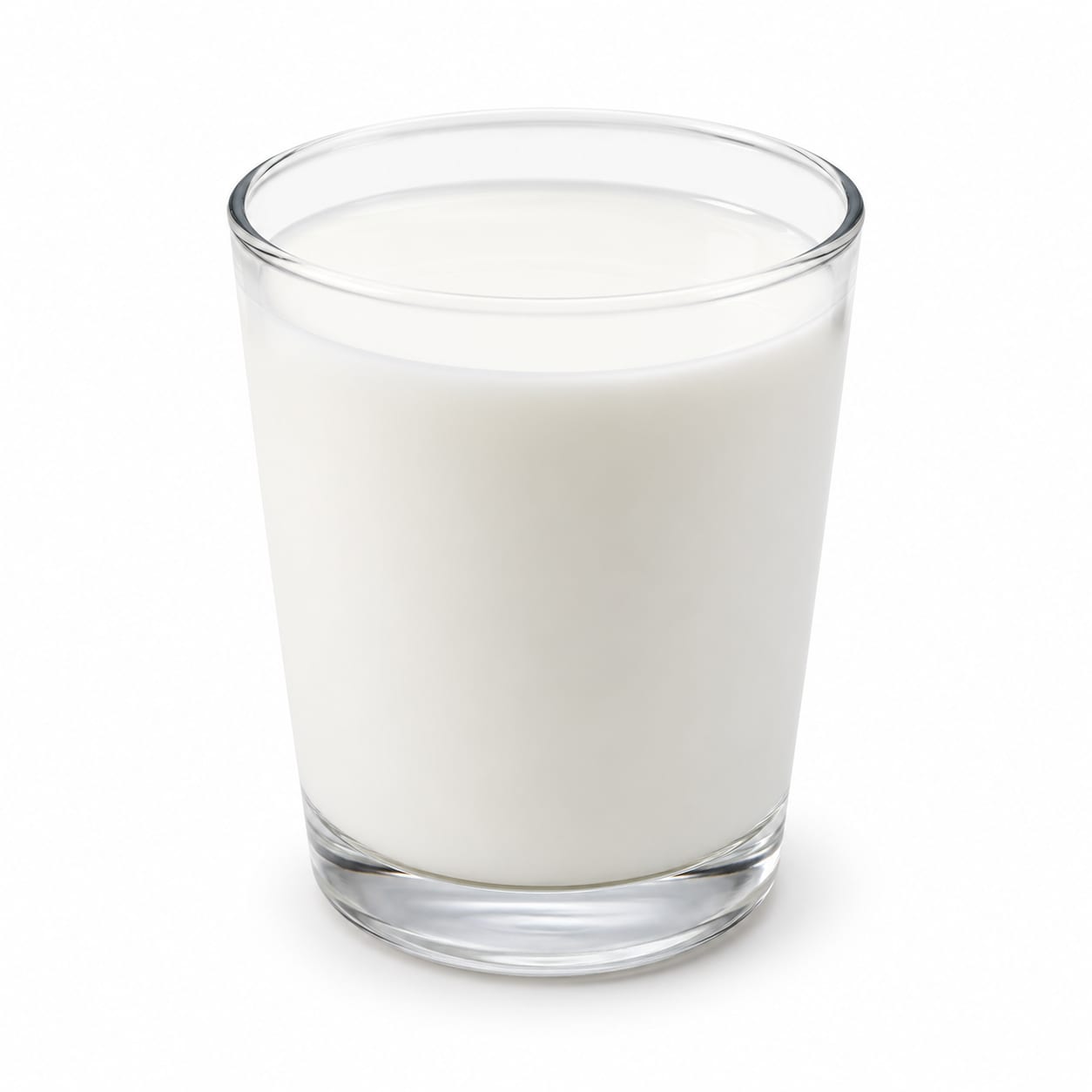
Whole Milk

Greek Yogurt
Greek Yogurt dominates for protein, satiety, and gut health, while Whole Milk offers superior drinkable convenience and cooking versatility.
Greek Yogurt scores higher due to its superior protein density, probiotic content, and lower sugar, making it a more functional daily health food. Whole Milk remains highly relevant for cooking and hydration but falls behind on satiety and metabolic benefits.
You trade the drinkable convenience and culinary utility of Whole Milk for the massive protein boost and probiotic benefits of Greek Yogurt.
At a glance
Executive summary
Overall
Greek Yogurt
Healthier
Greek Yogurt
More practical
Whole Milk
Daily use
Greek Yogurt
Key comparison lenses
Protein and Satiety Comparison
Greek Yogurt is famously high in protein compared to Whole Milk, drastically affecting fullness and muscle maintenance.
Gut Health and Digestion
Greek Yogurt provides probiotics and has less lactose, making it a completely different experience for digestive health than Whole Milk.
Weight Management and Caloric Density
Liquid calories from Whole Milk are easy to overconsume, while Greek Yogurt provides a thick, highly satiating snack for the same or fewer calories.
Culinary Versatility
Whole Milk is a staple liquid for cooking, baking, and beverages, whereas Greek Yogurt serves as a thicker base or standalone snack.
Best choice for
Whole Milk
- People needing easy drinkable calories
- Coffee drinkers and latte makers
- Baking and cooking recipes requiring liquid fat
- Children who need extra energy for growth
Greek Yogurt
- High-protein snackers
- People with mild lactose sensitivity
- Those focused on weight loss or maintenance
- Anyone wanting to improve gut health
Least suitable for
Whole Milk
- Strict low-carb dieters
- People with lactose intolerance
- Those trying to strictly limit liquid calories
Greek Yogurt
- People with severe dairy allergies
- Recipes requiring a pourable liquid fat
- Those on tight grocery budgets
Deep comparison
Dimension by dimension
Each lens scores both foods and breaks down who each option suits.
- Dimension 1 · Priority 95Greek Yogurt
Protein & Satiety
Whole Milk · 40Greek Yogurt · 95Greek Yogurt packs roughly triple the protein of Whole Milk, making it far more filling and useful for muscle maintenance.
Tradeoff
Whole Milk is quick to drink but leaves you hungry sooner, whereas Greek Yogurt takes time to eat but staves off hunger for hours.
Why it matters
Higher protein intake regulates appetite hormones and prevents energy crashes between meals.
Real-world impact
A Greek Yogurt snack at 3 PM will easily carry you to dinner; a glass of Whole Milk will likely leave you reaching for more food an hour later.
Whole Milk
- Post-workout hydration with moderate protein
- Quick calories when you have no appetite
Better for
- Managing midday hunger
- High-protein dietary goals
Worse for
Greek Yogurt
- Sustained energy between meals
- Muscle recovery and growth
- Preventing late-night snacking
Better for
- Quick hydration during sports
Worse for
- Dimension 2 · Priority 90Greek Yogurt
Gut Health & Probiotics
Whole Milk · 15Greek Yogurt · 90Greek Yogurt is rich in live active cultures that support digestion, while Whole Milk is completely devoid of probiotics.
Tradeoff
You must choose a fermented dairy to get gut benefits, meaning standard liquid milk cannot serve this purpose.
Why it matters
A healthy gut microbiome improves immunity, mood, and nutrient absorption over time.
Real-world impact
Eating Greek Yogurt regularly can lead to smoother digestion and less bloating, whereas Whole Milk offers no such digestive advantage.
Whole Milk
- Individuals avoiding fermented foods
Better for
- Improving digestive regularity
Worse for
Greek Yogurt
- Recovering gut flora after antibiotics
- Managing mild constipation
- Daily microbiome support
Better for
- Situations requiring sterile or unfermented ingredients
Worse for
- Dimension 3 · Priority 85Greek Yogurt
Digestive Tolerance & Lactose
Whole Milk · 35Greek Yogurt · 80The straining process removes much of the lactose from Greek Yogurt, making it easier to tolerate than Whole Milk.
Tradeoff
If you are highly lactose intolerant, neither is perfect, but Greek Yogurt is often manageable while Whole Milk is a guaranteed trigger.
Why it matters
Lactose malabsorption causes bloating, gas, and discomfort that can derail your day.
Real-world impact
Someone who feels bloated after a bowl of cereal with Whole Milk might handle a bowl of the same cereal with Greek Yogurt perfectly fine.
Whole Milk
- Those with zero lactose issues
Better for
- Preventing dairy-induced bloating
Worse for
Greek Yogurt
- People with mild to moderate lactose sensitivity
- Those wanting dairy benefits without the gas
Better for
- Those with severe dairy intolerance
Worse for
- Dimension 4 · Priority 75Whole Milk
Versatility & Convenience
Whole Milk · 90Greek Yogurt · 65Whole Milk is an essential pourable ingredient for drinks, cereals, and baking, while Greek Yogurt is thicker and more limited in use.
Tradeoff
Whole Milk seamlessly blends into coffee and recipes, whereas Greek Yogurt often requires thinning or recipe adjustments.
Why it matters
If a food is hard to use, you eat it less often, reducing its health benefits.
Real-world impact
Making a morning latte or whipping up pancakes is effortless with Whole Milk; substituting Greek Yogurt requires extra steps and changes the texture.
Whole Milk
- Creamy soups and sauces
- Baking custards and cakes
- Smoothies and protein shakes
Better for
- Creating thick, spoonable snacks
Worse for
Greek Yogurt
- Thick dips and dressings
- Creamy parfaits
- Sour cream substitutes
Better for
- Mixing into hot coffee
- Thin batters
Worse for
- Dimension 5 · Priority 70It depends
Bone Support & Micronutrients
Whole Milk · 85Greek Yogurt · 80Whole Milk is typically fortified with Vitamin D and retains more calcium, while Greek Yogurt loses some calcium during straining but still offers a solid profile.
Tradeoff
Whole Milk provides slightly better calcium absorption due to higher Vitamin D content, but Greek Yogurt still supports bones adequately alongside its other perks.
Why it matters
Adequate Vitamin D and calcium are essential for preventing osteoporosis later in life.
Real-world impact
A glass of Whole Milk covers a larger chunk of your daily Vitamin D needs than a serving of Greek Yogurt, which matters during winter months.
Whole Milk
- Maximizing Vitamin D intake
- Boosting calcium absorption
Better for
- Those relying solely on dairy for probiotics
Worse for
Greek Yogurt
- Getting a balanced mineral profile with high protein
Better for
- Meeting high Vitamin D demands through food alone
Worse for
Timeline
Health impact over time
Short-term
Hours to days
Whole Milk
- Quick hydration and energy from natural sugars
- Can trigger bloating or gas in sensitive individuals
- Satisfies thirst immediately
Greek Yogurt
- Highly filling, reduces the urge to snack
- Easier on the stomach due to lower lactose
- Provides a steady, crash-free energy source
Long-term
Months to years
Whole Milk
- Supports bone density if fortified with Vitamin D
- Excess consumption can contribute to weight gain due to liquid calories
- May worsen chronic lactose-related inflammation
Greek Yogurt
- Improved gut microbiome diversity from regular probiotic intake
- Better weight management due to high satiety
- Sustained muscle mass support from dense protein
Risk profile
Safety & processing
Both are minimally processed whole foods. Whole Milk is simply pasteurized and homogenized, while Greek Yogurt adds a fermentation and straining step. Watch out for added sugars or thickeners in lower-quality Greek Yogurt brands.
Whole Milk
Lactose intolerance symptoms
mediumWhole Milk contains high levels of lactose, leading to gastrointestinal distress for a large portion of the global population.
Spoilage and bacterial growth
mediumAs a fresh liquid, Whole Milk spoils quickly at room temperature and can harbor harmful bacteria if left out.
Greek Yogurt
Added sugars in flavored varieties
highFlavored Greek Yogurt can contain as much sugar as a candy bar, completely negating its health benefits.
Thickeners and fillers
lowSome commercial brands use cornstarch or gums to mimic the thickness of authentic strained yogurt, reducing protein quality.
Who wins for whom
Audience fit
Same foods, different winners depending on your goal.
children
Whole MilkWhole Milk provides essential fats and drinkable calories that growing children easily consume and absorb for development.
daily consumption
Greek YogurtThe combination of high protein, probiotics, and lower sugar makes Greek Yogurt a more functional and health-promoting daily staple.
diabetes
Greek YogurtGreek Yogurt has significantly fewer carbohydrates and sugar, leading to much steadier blood sugar levels.
elderly
Greek YogurtOlder adults need higher protein to prevent muscle wasting and probiotics for declining gut health, both of which Greek Yogurt provides effectively.
muscle gain
Greek YogurtWith up to 20 grams of protein per cup, Greek Yogurt offers the essential amino acids needed for muscle repair far more efficiently than Whole Milk.
weight loss
Greek YogurtGreek Yogurt provides massive satiety per calorie, making it far easier to stick to a calorie deficit without feeling deprived.
Your move
Decision guide
Choose Whole Milk
- You need a versatile liquid for cooking, baking, or coffee
- You are trying to gain weight and need easy, drinkable calories
- You have no lactose issues and want a simple, hydrating beverage
Choose Greek Yogurt
- You want a high-protein snack that keeps you full for hours
- You are focused on weight loss or metabolic health
- You want to improve your digestion and gut health
- You have mild lactose sensitivity but still want dairy
Either works if
- You are simply looking to increase your calcium intake
- You want a base for a fruit and granola breakfast
Avoid both if
- You have a severe dairy allergy
- You are strictly vegan
Final recommendation
Make plain Greek Yogurt your go-to dairy for eating and snacking due to its unmatched protein and probiotic profile. Keep Whole Milk on hand strictly for cooking, baking, and coffee where its liquid form is necessary. Always choose plain Greek Yogurt over flavored versions to avoid hidden sugars.
Practical
Consumer tips
- 1
Buy plain, unsweetened Greek Yogurt and add your own fruit or honey to control sugar intake.
- 2
Use Greek Yogurt as a 1:1 substitute for sour cream in dips and tacos for a protein upgrade.
- 3
If Whole Milk upsets your stomach, try using lactose-free milk instead of regular milk.
- 4
Check the ingredient list on Greek Yogurt to ensure it only contains milk and live cultures, avoiding brands with gums or cornstarch.
- 5
Warm Whole Milk with a touch of honey and cinnamon is a comforting, sleep-friendly nighttime drink.