
Nutrition comparison
Whole Milk vs Coconut Milk Beverage: Nutrition, Protein, and Satiety Compared
Whole Milk delivers protein and natural nutrition while Coconut Milk Beverage offers fewer calories and dairy-free convenience. Learn which is better for your goals.
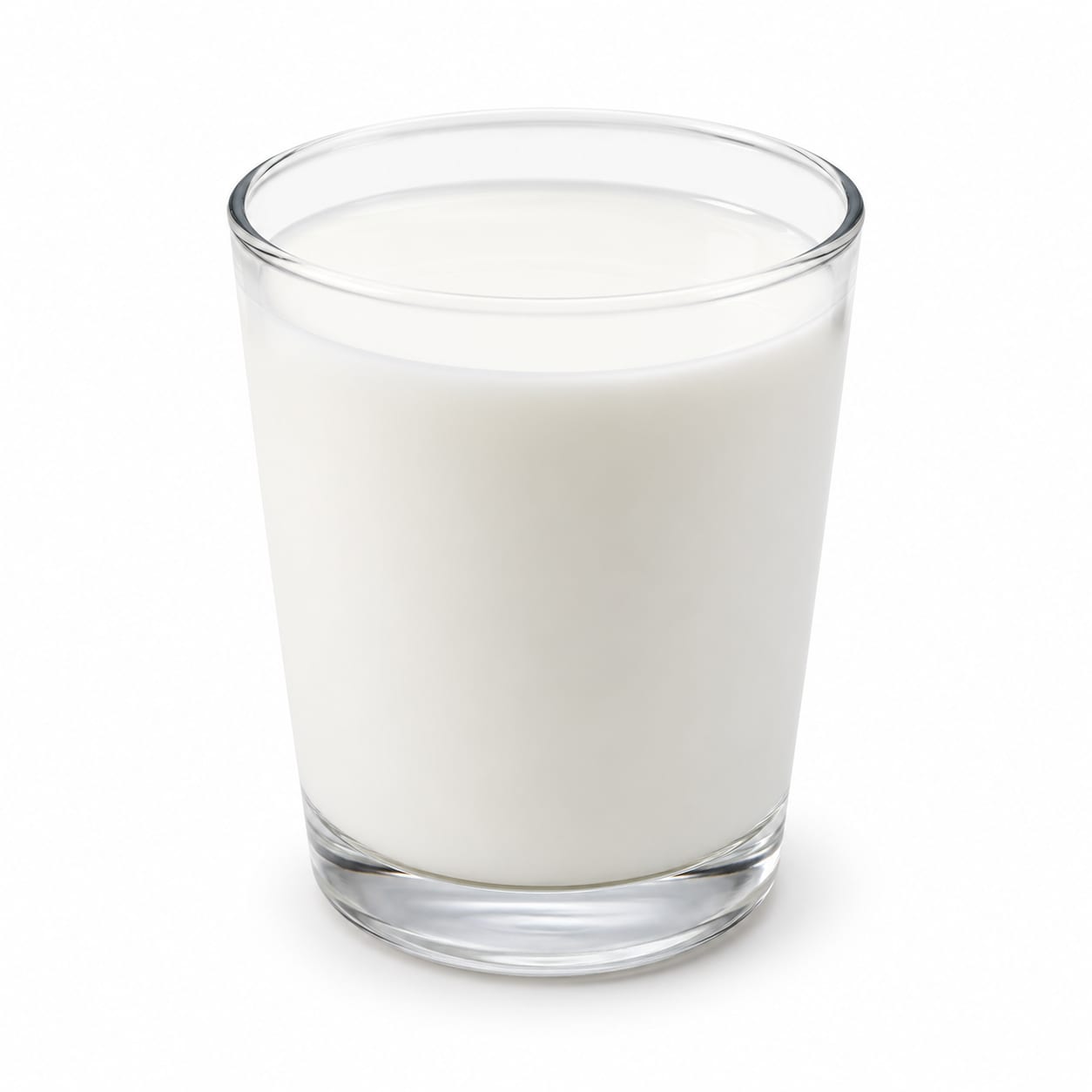
Whole Milk
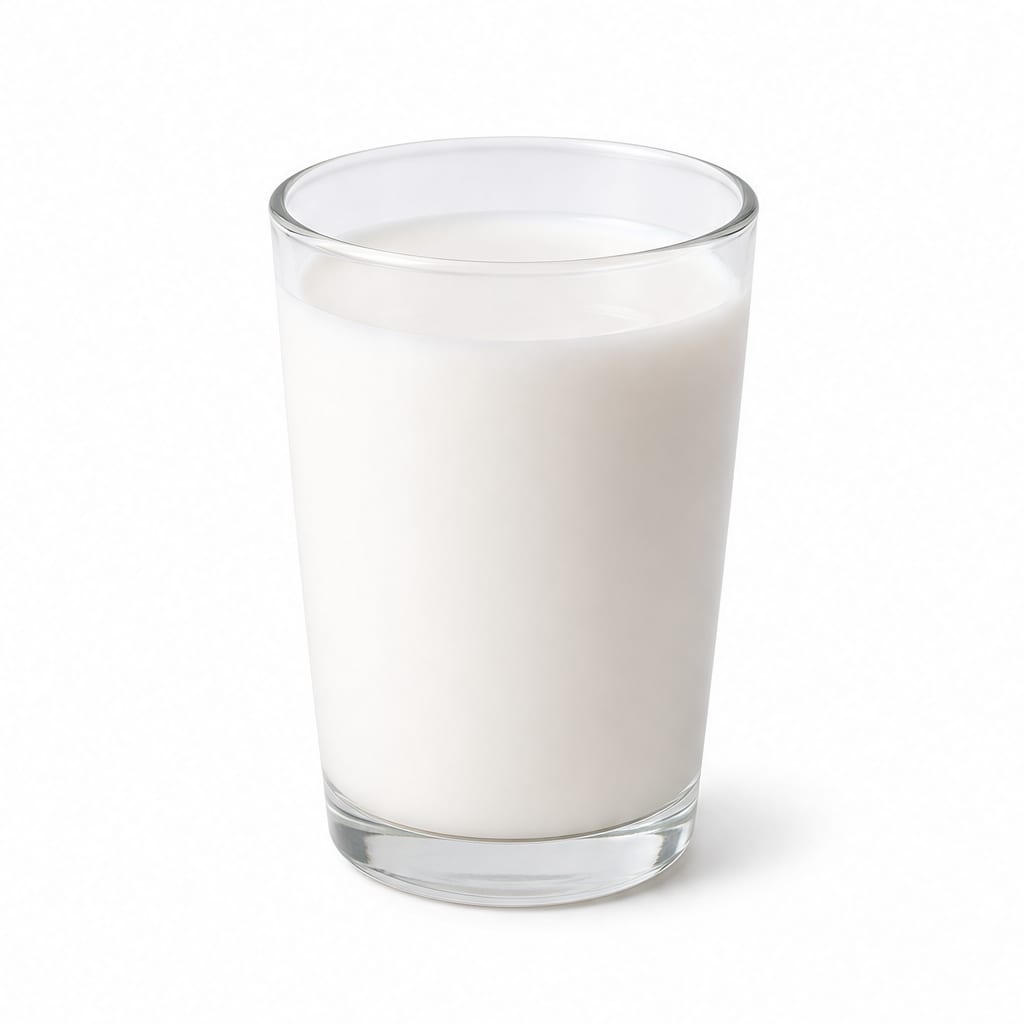
Coconut Milk Beverage
Whole Milk wins on nutrition and satiety; Coconut Milk Beverage wins for dairy-free diets and lower calories. The protein gap is the dealbreaker for many.
Whole Milk scores higher due to superior protein content, natural nutrition, and better satiety. Coconut Milk Beverage scores lower primarily because it lacks protein and relies on fortification and additives to approximate milk's nutritional profile.
You trade complete protein and natural nutrition in Whole Milk for fewer calories and dairy-free convenience in Coconut Milk Beverage, but you also trade natural simplicity for additives and fortification.
At a glance
Executive summary
Overall
It depends
Healthier
Whole Milk
More practical
It depends
Daily use
Whole Milk
Key comparison lenses
dairy vs plant-based milk decision
Users are typically deciding whether to switch from dairy to a plant-based alternative and want to understand what they lose or gain nutritionally
protein and satiety comparison
Whole Milk provides significant protein while coconut milk beverage is nearly protein-free, a critical tradeoff for meals and smoothies
calorie and weight management
Coconut milk beverage is often chosen as a lower-calorie option, but the satiety difference changes the real-world math
digestive tolerance and allergens
Lactose intolerance and dairy avoidance are primary drivers for choosing coconut milk beverage
processing and additive concerns
Coconut milk beverage typically contains emulsifiers and fortification while whole milk is naturally occurring with minimal processing
Best choice for
Whole Milk
- Children who need growth-supporting protein and calcium
- Active adults wanting satiating nutrition
- Anyone prioritizing bone health naturally
- People seeking minimally processed foods
- Smoothie makers wanting protein without powder
Coconut Milk Beverage
- People with lactose intolerance or dairy allergy
- Vegans avoiding all animal products
- Calorie-conscious individuals who control portions
- Those with dairy-related skin or digestive issues
- Anyone wanting a light coffee creamer alternative
Least suitable for
Whole Milk
- Lactose-intolerant individuals
- Vegans and strict plant-based eaters
- People with dairy allergy or sensitivity
- Those avoiding saturated fat on medical advice
Coconut Milk Beverage
- Children needing protein for growth
- Anyone relying on milk as a protein source
- People avoiding emulsifiers and additives
- Those seeking natural unfortified foods
Deep comparison
Dimension by dimension
Each lens scores both foods and breaks down who each option suits.
- Dimension 1 · Priority 95Whole Milk
Protein Quality and Quantity
Whole Milk · 90Coconut Milk Beverage · 10Whole Milk provides 8g of complete protein per cup with all essential amino acids. Coconut Milk Beverage provides near zero protein, making it nutritionally hollow for muscle maintenance or growth.
Tradeoff
Choosing Coconut Milk Beverage means you must find protein elsewhere in your diet, which many people forget to do.
Why it matters
Protein from beverages is one of the easiest ways to meet daily needs. Losing that convenience forces dietary restructuring.
Real-world impact
A smoothie with Whole Milk sustains you for hours. The same smoothie with Coconut Milk Beverage leaves you hungry again by mid-morning.
Whole Milk
- Post-workout recovery
- Growing children
- Older adults preventing muscle loss
- Breakfast that actually holds you
Better for
- Anyone avoiding animal protein entirely
Worse for
Coconut Milk Beverage
- Protein is irrelevant to your dietary strategy
- You supplement protein separately already
Better for
- Anyone counting on their milk for protein
- Kids who drink milk as a protein source
- Elderly adults needing easy protein
Worse for
- Dimension 2 · Priority 90Whole Milk
Satiety and Fullness
Whole Milk · 85Coconut Milk Beverage · 35Whole Milk's protein and fat combination creates lasting fullness. Coconut Milk Beverage's low protein and thin consistency does little to satisfy hunger.
Tradeoff
The lower calories in Coconut Milk Beverage sound appealing, but you may eat more overall because you feel less full.
Why it matters
Satiety determines whether a food actually helps you eat less or just leaves a gap you fill with snacking.
Real-world impact
That 80-calorie cup of Coconut Milk Beverage can lead to a 200-calorie snack an hour later because you still feel hungry.
Whole Milk
- Weight management through natural portion control
- Busy mornings when lunch is far away
- Replacing a meal component effectively
Better for
- People who find dairy heavy or bloating
Worse for
Coconut Milk Beverage
- Light use in coffee or tea where satiety doesn't matter
- When you want a beverage, not a food
Better for
- Anyone using milk to tide them over between meals
- Smoothies meant to replace breakfast
Worse for
- Dimension 3 · Priority 85Coconut Milk Beverage
Calorie Density and Weight Management
Whole Milk · 45Coconut Milk Beverage · 80Coconut Milk Beverage typically contains 40-80 calories per cup versus 150 in Whole Milk. For pure calorie cutting, it wins easily.
Tradeoff
Fewer calories only help if they don't trigger compensatory eating. Whole Milk's calories come with satiety; Coconut Milk Beverage's don't.
Why it matters
Calorie-per-cup comparisons miss the behavioral reality of how foods affect subsequent eating.
Real-world impact
Swapping Whole Milk for Coconut Milk Beverage saves 70-110 calories per cup, but only if you don't eat more later to compensate.
Whole Milk
- People who find that satisfying foods naturally reduce overeating
- Those who prefer fewer but more filling meals
Better for
- Strict calorie counters on low budgets
- People who drink multiple glasses daily
Worse for
Coconut Milk Beverage
- Careful calorie trackers who manage total intake precisely
- Coffee and tea drinkers using small amounts
- Light cereal eaters who use modest portions
Better for
- Emotional eaters who need foods that truly satisfy
- People who graze when underfed
Worse for
- Dimension 4 · Priority 80Whole Milk
Processing and Additives
Whole Milk · 85Coconut Milk Beverage · 35Whole Milk is pasteurized but otherwise natural. Coconut Milk Beverage typically contains emulsifiers, stabilizers, fortified vitamins, and sometimes added sugars.
Tradeoff
Going plant-based often means accepting more processing, not less. The ingredient list tells the story.
Why it matters
Emulsifiers like carrageenan and gums may affect gut health. Fortified nutrients may not absorb as well as naturally occurring ones.
Real-world impact
Whole Milk has one ingredient. Coconut Milk Beverage often has seven to twelve, including things you would never add at home.
Whole Milk
- Clean-eating advocates
- People with sensitive digestion affected by gums
- Anyone avoiding ultra-processed foods
Better for
- People concerned about dairy farming practices
Worse for
Coconut Milk Beverage
- People who tolerate additives well
- Those who prioritize dairy-free over minimally processed
Better for
- Anyone with gut sensitivity to emulsifiers
- People following whole-foods-only philosophies
- Those who read ingredient labels carefully
Worse for
- Dimension 5 · Priority 80Coconut Milk Beverage
Digestive Tolerance
Whole Milk · 40Coconut Milk Beverage · 85Coconut Milk Beverage is naturally lactose-free and dairy-free, making it safe for the majority of the global population with some degree of lactose intolerance.
Tradeoff
Whole Milk causes bloating, gas, or worse for lactose-intolerant people. But for those who tolerate it, dairy supports a healthy gut microbiome.
Why it matters
Roughly 65% of the global population has reduced ability to digest lactose after infancy. This is not a niche concern.
Real-world impact
For lactose-intolerant people, Whole Milk means bloating, cramps, or bathroom urgency. Coconut Milk Beverage simply doesn't trigger these issues.
Whole Milk
- People with confirmed lactose tolerance
- Those whose gut microbiomes handle dairy well
Better for
- Anyone with lactose intolerance or dairy sensitivity
- People with dairy-linked skin issues
Worse for
Coconut Milk Beverage
- Lactose-intolerant individuals
- People with dairy-related IBS symptoms
- Anyone who experiences bloating from dairy
- Vegans and plant-based eaters
Better for
- People sensitive to coconut or tree nuts
- Those who react to emulsifiers like guar gum
Worse for
- Dimension 6 · Priority 75Whole Milk
Bone Health Support
Whole Milk · 85Coconut Milk Beverage · 55Whole Milk provides naturally occurring calcium, phosphorus, and vitamin D in bioavailable forms. Coconut Milk Beverage relies on fortification to match calcium levels, and absorption may differ.
Tradeoff
Fortified calcium looks similar on a label but may not be absorbed or utilized as effectively as naturally occurring calcium paired with milk's other bone-supporting nutrients.
Why it matters
Bone health is a long-game concern. Small differences in calcium bioavailability compound over decades.
Real-world impact
A lifetime of Whole Milk provides a well-studied bone-health track record. Coconut Milk Beverage's fortification benefits have less longitudinal evidence.
Whole Milk
- Post-menopausal women concerned about osteoporosis
- Growing children building bone density
- Anyone not taking calcium supplements
Better for
- People avoiding dairy for any reason
Worse for
Coconut Milk Beverage
- People who supplement calcium separately
- Those who eat other calcium-rich foods regularly
Better for
- Anyone relying solely on milk for calcium
- Older adults at high fracture risk
Worse for
- Dimension 7 · Priority 70It depends
Heart Health and Fat Profile
Whole Milk · 55Coconut Milk Beverage · 55Both contain saturated fat, but from different sources. Whole Milk's saturated fat comes with a complex food matrix. Coconut Milk Beverage's saturated fat is primarily lauric acid, which may affect cholesterol differently.
Tradeoff
Neither is a heart-health hero. Whole Milk raises LDL but also HDL. Coconut fat raises both too, but with less protein benefit to offset the saturated fat intake.
Why it matters
If you're watching heart health, both require moderation. The difference is that Whole Milk at least delivers protein and nutrients alongside its fat.
Real-world impact
For heart-conscious people, both are occasional foods rather than free-flowing beverages. The key is what else you eat with them.
Whole Milk
- People whose overall diet is low in saturated fat
- Those who benefit from the full nutritional package
Better for
- People on strict low-saturated-fat diets
- Those with high LDL cholesterol
Worse for
Coconut Milk Beverage
- People who use very small amounts in beverages
- Those replacing heavier coconut cream or canned coconut milk
Better for
- People assuming plant-based automatically means heart-healthy
- Those who drink large quantities daily
Worse for
Timeline
Health impact over time
Short-term
Hours to days
Whole Milk
- Provides immediate satiety from protein and fat
- May cause bloating or gas in lactose-intolerant individuals
- Steadier blood sugar response due to protein and fat slowing lactose absorption
- Can feel heavy if consumed in large amounts
Coconut Milk Beverage
- Light feeling in the stomach, minimal fullness
- No digestive distress for lactose-sensitive people
- May cause mild gut irritation from emulsifiers in sensitive individuals
- Unsweetened versions have minimal blood sugar impact
Long-term
Months to years
Whole Milk
- Consistent protein intake supports muscle maintenance with aging
- Naturally occurring calcium and vitamin D support bone density
- Saturated fat intake requires moderation for heart health
- Dairy consumption is associated with both benefits and risks depending on quantity
Coconut Milk Beverage
- Protein gap must be addressed through other foods or risk muscle loss over time
- Fortified nutrients may not fully replicate dairy's bone-health benefits
- Lower calorie intake supports weight management if overall diet is controlled
- Emulsifier exposure from daily consumption has unclear long-term gut health effects
Risk profile
Safety & processing
Whole Milk is pasteurized and homogenized but remains fundamentally a single-ingredient whole food. Coconut Milk Beverage is a manufactured product requiring water dilution, emulsifiers, stabilizers, salt, sweeteners, and synthetic vitamin fortification to approximate milk's nutritional profile.
Whole Milk
Lactose intolerance reactions
mediumAffects roughly 65% of the global population to some degree, causing bloating, gas, cramps, or diarrhea.
Dairy allergy
highTrue milk allergy affects about 2-3% of children and can cause severe reactions including anaphylaxis.
Antibiotic and hormone residues
lowRegulated in most countries, but concerns persist about trace hormones and antibiotic residues in conventional dairy.
Spoilage and bacterial contamination
mediumFresh milk spoils quickly without refrigeration and can harbor bacteria if not handled properly.
Coconut Milk Beverage
Emulsifier sensitivity
mediumCarrageenan, guar gum, and other stabilizers can cause digestive discomfort in sensitive individuals.
Coconut allergy
lowCoconut allergy is rare but possible. The FDA classifies coconut as a tree nut for labeling, though most tree-nut-allergic people tolerate it.
Fortification inconsistency
lowAdded vitamins may settle or degrade, meaning actual nutrient levels may not match label claims.
Added sugars in some varieties
mediumSweetened versions can contain 5-12g of added sugar per cup, which is easy to overlook.
Who wins for whom
Audience fit
Same foods, different winners depending on your goal.
children
Whole MilkGrowing children need protein, bioavailable calcium, and vitamin D that Whole Milk naturally provides. Coconut Milk Beverage's lack of protein makes it a poor primary beverage for development unless carefully supplemented.
daily consumption
Whole MilkFor people who tolerate dairy, Whole Milk's complete nutrition and minimal processing make it a better daily staple. Coconut Milk Beverage works as a daily choice primarily for those who cannot or choose not to consume dairy.
diabetes
Coconut Milk BeverageUnsweetened Coconut Milk Beverage has nearly zero carbs and won't spike blood sugar. Whole Milk contains 12g of lactose sugar per cup, which requires insulin response, though its protein and fat moderate the spike.
elderly
Whole MilkOlder adults need protein to prevent sarcopenia and calcium for bone density. Whole Milk delivers both naturally. Coconut Milk Beverage's protein gap is a significant disadvantage for aging populations.
muscle gain
Whole MilkWhole Milk provides 8g of complete protein per cup with high bioavailability. Coconut Milk Beverage provides essentially zero protein, making it useless for muscle-building goals.
weight loss
It dependsCoconut Milk Beverage has fewer calories per cup, but Whole Milk's protein and satiety may prevent compensatory snacking. The winner depends on whether you track calories precisely or rely on natural fullness cues.
Your move
Decision guide
Choose Whole Milk
- You tolerate dairy without digestive issues
- You want protein from your milk without supplements
- You are feeding children who need growth-supporting nutrition
- You prefer foods with short, recognizable ingredient lists
- You use milk as a meaningful part of meals, not just a splash
Choose Coconut Milk Beverage
- You are lactose-intolerant or dairy-sensitive
- You are vegan or avoiding animal products
- You want fewer calories and control your food intake carefully
- You only use milk in small amounts for coffee or cereal
- You experience skin or digestive issues linked to dairy
Either works if
- You use such small amounts that nutritional differences are negligible
- You rotate between dairy and plant-based milks for variety
- You supplement protein and calcium separately regardless of milk choice
Avoid both if
- You have severe allergies to both dairy and coconut
- You are on a strict low-saturated-fat diet and prefer oat or almond milk instead
- You have gut issues triggered by both dairy proteins and emulsifiers
Final recommendation
If you tolerate dairy, Whole Milk is the nutritionally superior choice for daily use because its protein, natural calcium, and satiety benefits are hard to replicate. Choose Coconut Milk Beverage when dairy is off the table, but compensate by adding protein elsewhere and selecting unsweetened varieties with minimal additives.
Practical
Consumer tips
- 1
Read Coconut Milk Beverage labels carefully: unsweetened versions save you from hidden added sugars, and some brands use fewer additives than others.
- 2
If switching from Whole Milk to Coconut Milk Beverage, add a protein source like Greek yogurt, protein powder, or nuts to smoothies to match the satiety you're losing.
- 3
Canned coconut milk and Coconut Milk Beverage are completely different products. The beverage is diluted and fortified; the canned version is far richer and higher in calories.
- 4
Whole Milk from grass-fed cows offers a better fat profile with more omega-3s and conjugated linoleic acid if you can find and afford it.
- 5
If you are lactose-intolerant but want dairy's nutrition, consider lactose-free Whole Milk instead of Coconut Milk Beverage. You keep the protein and lose the digestive issues.
- 6
Fortified calcium in plant milks can settle at the bottom of the carton. Shake well or you may get less calcium than the label promises.
- 7
For children under two, Whole Milk is strongly recommended over any plant-based beverage unless there is a medical reason to avoid dairy.