
Nutrition comparison
White Beans vs Red Kidney Beans: Nutrition, Safety, and Digestion
Comparing white beans and red kidney beans? Discover which is safer to cook, easier to digest, and better for your health goals.
Overall winner · White Bean
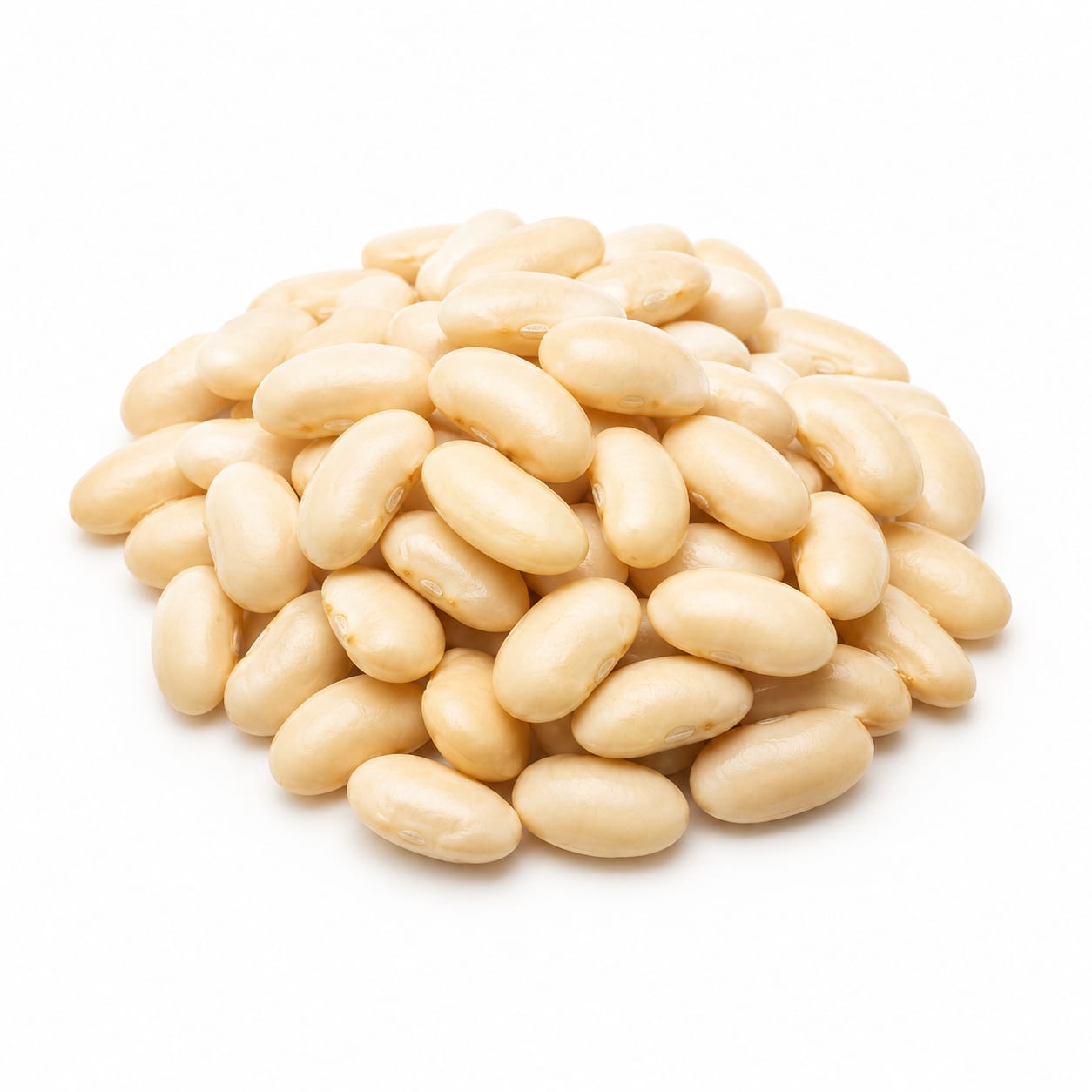
White Bean
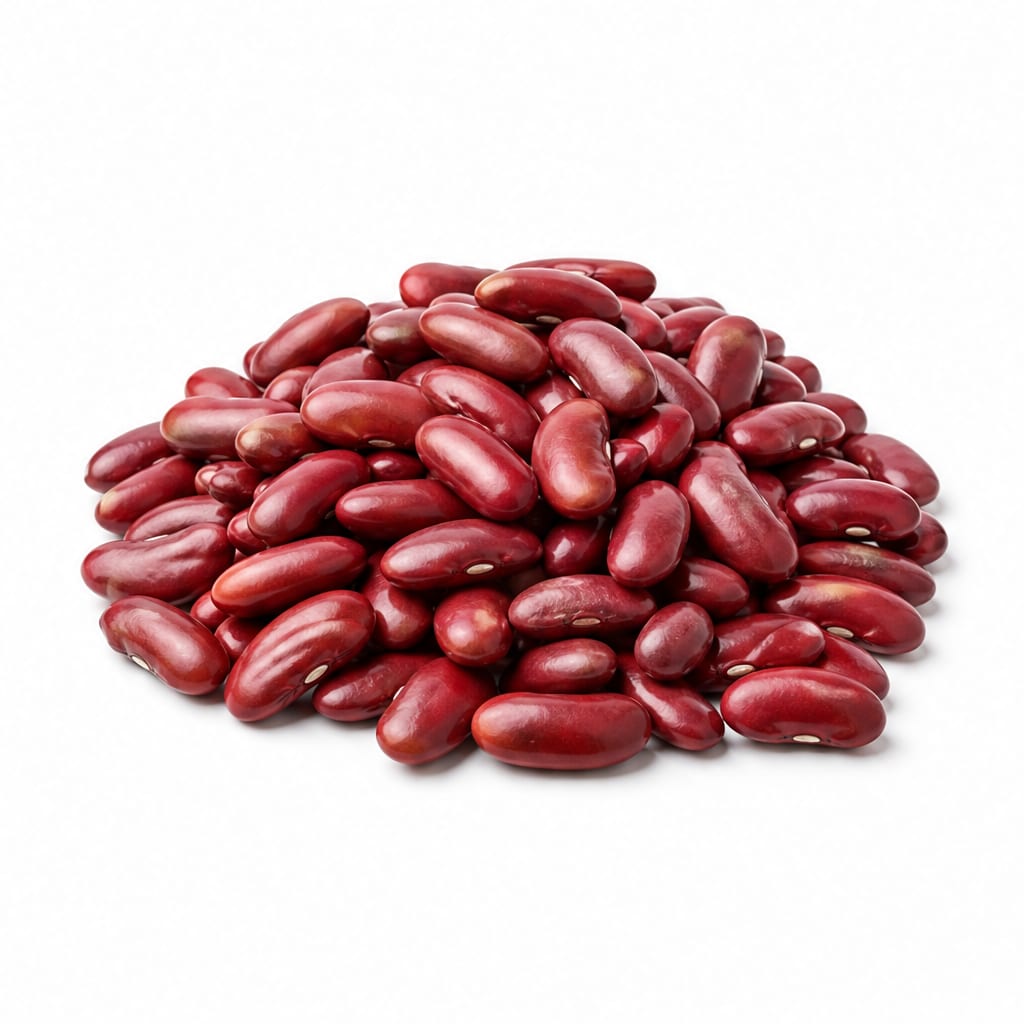
Red kidney beans
White beans edge out red kidney beans for daily eating due to easier digestion and lower toxin risk, though red kidney beans offer more antioxidants.
White beans score slightly higher due to lower safety risks and better digestive tolerance, though both are highly nutritious.
Creamier, safer, and easier to digest white beans versus firmer, more antioxidant-rich red kidney beans that require careful cooking.
At a glance
Executive summary
Overall
White Bean
Healthier
White Bean
More practical
White Bean
Daily use
White Bean
Key comparison lenses
Food safety and cooking method risks
Red kidney beans contain a natural toxin that requires specific boiling to neutralize, making safety a primary concern.
Digestive tolerance and gas production
Bean choice heavily impacts stomach comfort, and white beans are typically easier on the gut.
Culinary texture and recipe fit
White beans break down for creamy bases, while red kidney beans hold firm for chunky dishes.
Antioxidant and micronutrient differences
The color difference reflects distinct antioxidant profiles that influence long-term health benefits.
Best choice for
White Bean
- People with sensitive digestion
- Anyone meal-prepping in a slow cooker
- Those wanting a creamy soup base
Red kidney beans
- Chili lovers needing structural integrity
- Those seeking maximum antioxidant intake
- Salads requiring a firm, meaty bite
Least suitable for
White Bean
- Dishes needing the bean to hold a very firm shape
- People looking for deep robust bean flavor
Red kidney beans
- Slow cooker recipes without pre-boiling
- People prone to bloating and gas
Deep comparison
Dimension by dimension
Each lens scores both foods and breaks down who each option suits.
- Dimension 1 · Priority 85White Bean
Fiber & Fullness
White Bean · 88Red kidney beans · 85White beans offer slightly more fiber and folate, while red kidney beans provide a bit more iron.
Tradeoff
Marginal micronutrient differences; white beans keep you slightly more regular, red kidney beans support blood health a touch more.
Why it matters
Both are fiber powerhouses, but small differences add up over daily consumption.
Real-world impact
A bowl of white beans will keep you full slightly longer and support smoother digestion.
White Bean
- Staying regular
- Curbing afternoon cravings
Better for
- Those who want slightly more iron per bite
Worse for
Red kidney beans
- Boosting iron intake
- Hearty stews
Better for
- Maximizing fiber per serving
Worse for
- Dimension 2 · Priority 95White Bean
Cooking Safety & Peace of Mind
White Bean · 95Red kidney beans · 60Red kidney beans contain high levels of phytohaemagglutinin, a toxin that causes severe illness if not boiled vigorously.
Tradeoff
White beans are much safer to cook in a slow cooker, while red kidney beans must be pre-boiled for at least 10 minutes.
Why it matters
Undercooked red kidney beans in a slow cooker can cause extreme nausea and vomiting.
Real-world impact
If you love dump-and-go slow cooker meals, white beans are the stress-free choice.
White Bean
- Dump-and-go slow cooker meals
- Stress-free weeknight cooking
Better for
- Dishes needing a very firm bean that never breaks down
Worse for
Red kidney beans
- Traditional chili recipes
- Meaty textured salads
Better for
- Quick soaking and slow cooking without boiling
Worse for
- Dimension 3 · Priority 80Red kidney beans
Antioxidant Protection
White Bean · 70Red kidney beans · 90The dark red skin of kidney beans is packed with anthocyanins, offering more antioxidant power than pale white beans.
Tradeoff
You get more cellular protection from red kidney beans, but you must cook them properly to unlock it safely.
Why it matters
Antioxidants fight daily wear and tear on your cells from stress and pollution.
Real-world impact
Eating red kidney beans a few times a week gives your body a stronger defense boost.
White Bean
- Milder, comforting meals
Better for
- Maximizing free-radical defense
Worse for
Red kidney beans
- Fighting cellular aging
- Adding color to your plate
Better for
- Those who want a neutral, creamy base
Worse for
- Dimension 4 · Priority 90White Bean
Digestive Comfort
White Bean · 85Red kidney beans · 70White beans tend to be gentler on the stomach and produce less gas than the tougher-skinned red kidney beans.
Tradeoff
A creamier, easier-to-digest meal with white beans versus a denser, potentially more bloating meal with red kidney beans.
Why it matters
Digestive discomfort can ruin an otherwise healthy meal.
Real-world impact
White beans are less likely to leave you feeling bloated or gassy after lunch.
White Bean
- Sensitive stomachs
- Post-workout meals that won't bloat
Better for
- Those who tolerate all beans equally
Worse for
Red kidney beans
- Robust, heavy meals
Better for
- Prone to gas and bloating
Worse for
Timeline
Health impact over time
Short-term
Hours to days
White Bean
- Steady energy without bloating
- Safe even if slightly undercooked
Red kidney beans
- Risk of nausea and vomiting if undercooked
- More likely to cause gassiness
Long-term
Months to years
White Bean
- Excellent heart health from consistent fiber
- Reliable digestive regularity
Red kidney beans
- Stronger cellular defense from antioxidants
- Good iron stores for sustained energy
Risk profile
Safety & processing
Both are whole, natural foods whether bought dried or canned. Just watch for sodium in canned versions.
White Bean
Mild lectin content
lowContains lectins but at levels easily neutralized by normal cooking, unlike red kidney beans.
Red kidney beans
Phytohaemagglutinin poisoning
highRaw or undercooked red kidney beans contain high levels of this toxin. Slow cookers do not reach high enough temps to destroy it; must be boiled for 10 mins first.
Who wins for whom
Audience fit
Same foods, different winners depending on your goal.
children
White BeanMilder flavor and zero risk of toxin poisoning from slow cooking make white beans safer and more kid-friendly.
daily consumption
White BeanGentler on the gut and safer to cook in bulk without strict boiling protocols.
diabetes
White BeanThe marginally higher fiber in white beans helps stabilize blood sugar a bit more effectively.
elderly
White BeanEasier to digest and safer to prepare, which is crucial for aging digestive systems.
muscle gain
It dependsBoth offer nearly identical protein content; mix them up for variety.
weight loss
White BeanSlightly higher fiber makes white beans a touch more filling and better for appetite control.
Your move
Decision guide
Choose White Bean
- You use a slow cooker frequently
- You have a sensitive stomach or IBS
- You want a neutral, creamy base for soups and dips
Choose Red kidney beans
- You're making a robust chili
- You want to maximize antioxidant intake
- You prefer a firm, meaty bean texture
Either works if
- You need a high-protein plant side dish
- You're building a grain bowl
- You're rinsing canned beans for a quick salad
Avoid both if
- You have a severe legume allergy
- You are currently on a strict low-FODMAP elimination phase
Final recommendation
Keep both in your pantry, but lean on white beans for everyday cooking and digestive comfort. Save red kidney beans for chili nights, and always boil them hard first.
Practical
Consumer tips
- 1
If using dried red kidney beans, soak them for at least 5 hours, drain, and boil vigorously for 10 minutes before simmering or slow cooking.
- 2
Rinsing canned beans removes up to 40% of the sodium and helps reduce gas-causing compounds.
- 3
White beans blend beautifully into a creamy pasta sauce for hidden nutrition.
- 4
Don't put raw or soaked red kidney beans directly into a slow cooker; the temperature isn't high enough to destroy the toxins.