
Nutrition comparison
White Beans vs Pinto Beans: Nutrition, Fiber, and Flavor Comparison
White beans deliver more fiber, iron, and calcium per calorie, while pinto beans offer richer flavor and culinary versatility. Discover which bean fits your health goals and cooking style.
Overall winner · White Bean
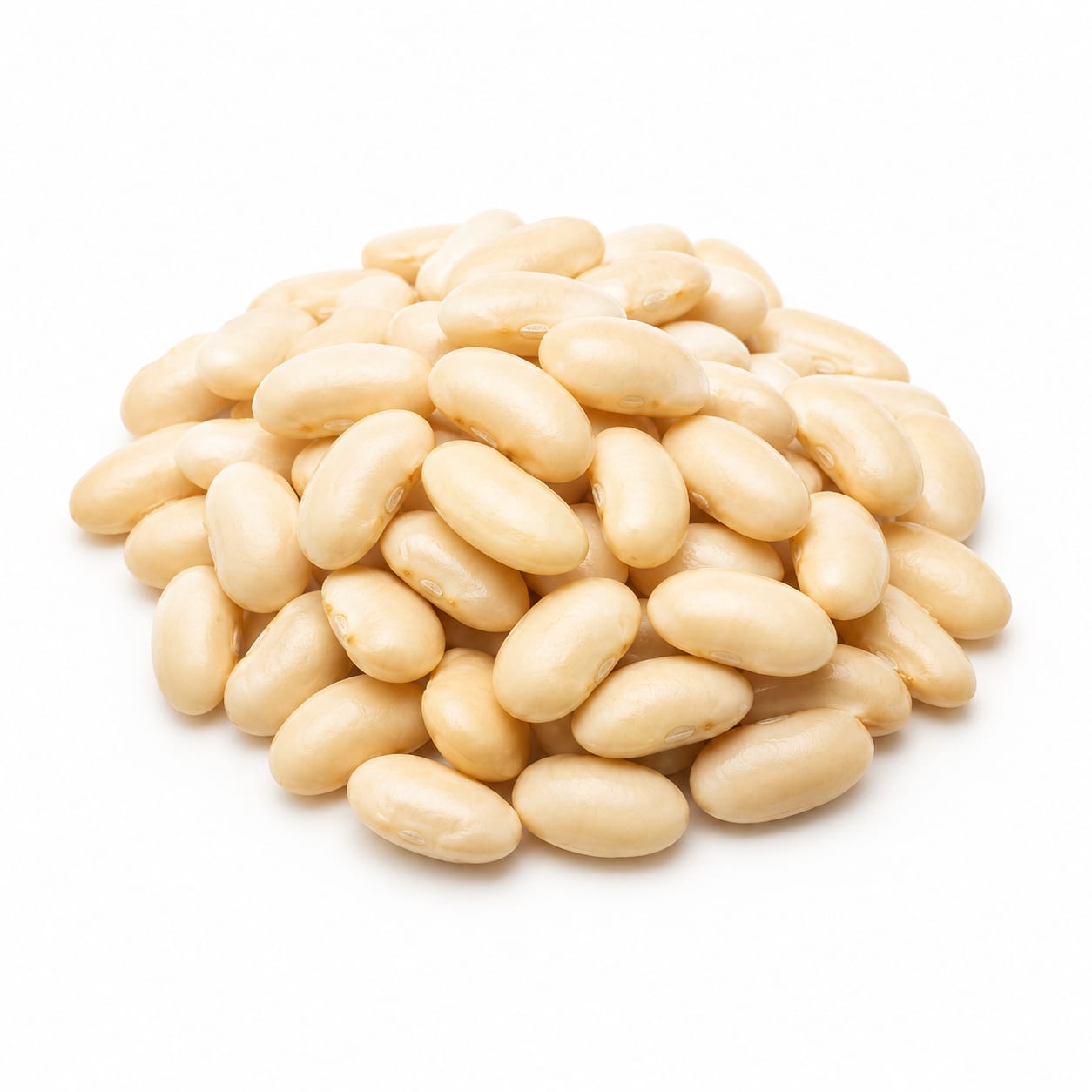
White Bean
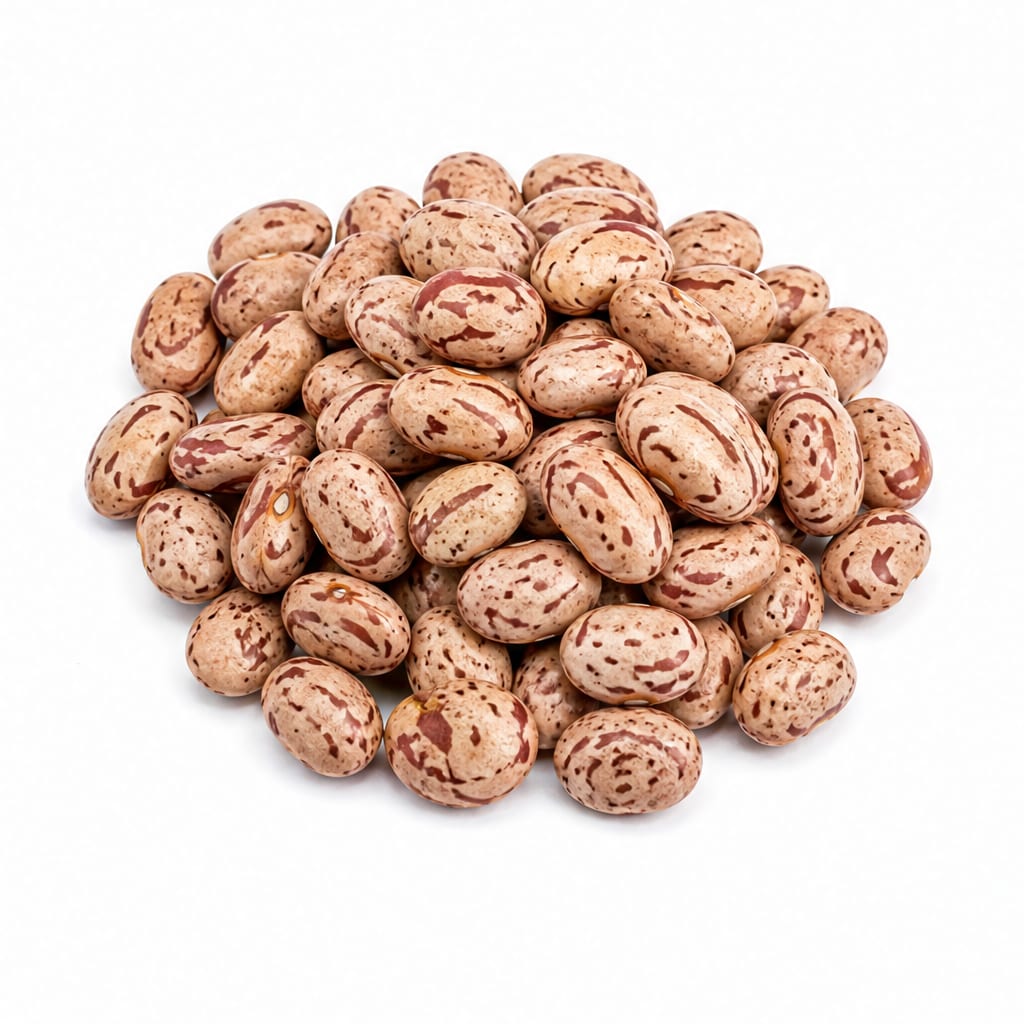
Pinto beans
White beans narrowly win on nutrition density, delivering more fiber, iron, calcium, and potassium per calorie, while pinto beans offer richer flavor and cultural versatility that makes them easier to enjoy regularly.
White beans score higher due to superior fiber, iron, calcium, and potassium content per calorie. Pinto beans remain strong nutritionally but trail slightly in mineral density. The gap is modest because both are excellent legume choices with far more similarities than differences.
White beans give you more micronutrients and fiber per bite, but pinto beans are more flavorful and versatile in everyday cooking, making them the one you will actually want to eat often.
At a glance
Executive summary
Overall
White Bean
Healthier
White Bean
More practical
Pinto beans
Daily use
It depends
Key comparison lenses
fiber and digestive health comparison
Both are fiber powerhouses but white beans deliver significantly more soluble fiber, making gut health a key differentiator
mineral density and micronutrient advantage
White beans contain notably more iron, calcium, potassium, and magnesium, which matters for bone health and energy
blood sugar management
Both have low glycemic loads but white beans edge ahead with more fiber and resistant starch for steadier glucose
culinary versatility and meal fit
Pinto beans dominate in Latin and comfort cooking while white beans suit Mediterranean and soup applications differently
weight management and satiety
Higher fiber and slightly fewer calories give white beans a subtle edge for feeling full longer on less food
Best choice for
White Bean
- Maximizing fiber and mineral intake per calorie
- Blood sugar management and insulin sensitivity
- Bone health support through higher calcium
- Iron-deficiency anemia concerns
- Heart-protective diets emphasizing potassium
Pinto beans
- Latin and Mexican cuisine integration
- Refried bean and dip preparations
- Comfort food meals that keep you satisfied
- Households wanting more flavorful bean options
- Gradual transition into eating more legumes
Least suitable for
White Bean
- Quick Latin-inspired weeknight meals where pinto flavor is expected
- People who find mild beans unappealing and struggle to eat them
- Refried bean recipes requiring creamy breakdown
Pinto beans
- Strict mineral-density optimization
- Maximum fiber-per-calorie goals
- Iron-deficient individuals needing every advantage
Deep comparison
Dimension by dimension
Each lens scores both foods and breaks down who each option suits.
- Dimension 1 · Priority 92White Bean
Fiber and Digestive Health
White Bean · 91Pinto beans · 78White beans deliver roughly 30% more fiber per serving, with a notably higher proportion of soluble fiber that feeds beneficial gut bacteria and supports cholesterol reduction.
Tradeoff
That extra fiber can mean more bloating if you are not used to it, while pinto beans are slightly gentler on digestion during the adjustment period.
Why it matters
Soluble fiber acts like a sponge for cholesterol and slows glucose absorption, making white beans a stronger gut-heart-blood sugar triple threat.
Real-world impact
A cup of white beans at lunch keeps you fuller through afternoon slump better than the same portion of pinto beans, and your microbiome thanks you more.
White Bean
- Cholesterol-lowering goals
- Gut microbiome diversity
- Maximum satiety per serving
Better for
- Prone to bloating or IBS flare-ups
Worse for
Pinto beans
- Sensitive digestion during fiber ramp-up
- Easier tolerance for bean beginners
Better for
- Need aggressive fiber targets for cholesterol management
Worse for
- Dimension 2 · Priority 88White Bean
Mineral Density
White Bean · 89Pinto beans · 68White beans are significantly richer in iron, calcium, potassium, and magnesium, making them one of the most mineral-dense legumes available.
Tradeoff
Pinto beans still provide decent minerals but cannot match white beans for bone-supporting calcium or energy-sustaining iron per serving.
Why it matters
Iron fights fatigue, calcium protects bones, and potassium balances sodium. These minerals are chronically underconsumed and white beans deliver them efficiently.
Real-world impact
Choosing white beans a few times per week can meaningfully move the needle on iron and calcium intake, especially for plant-based eaters who lack dairy and red meat.
White Bean
- Plant-based diets needing iron and calcium
- Women with higher iron requirements
- Bone health concerns in older adults
Better for
- Iron overload conditions like hemochromatosis
Worse for
Pinto beans
- Adequate mineral intake from other sources already
Better for
- Reliance on beans as a primary mineral source
Worse for
- Dimension 3 · Priority 85White Bean
Blood Sugar Stability
White Bean · 86Pinto beans · 80Both beans are low-glycemic champions, but white beans offer more resistant starch and soluble fiber, creating a slightly slower and steadier glucose release.
Tradeoff
The difference is modest. Both are excellent for blood sugar compared to nearly any other carb source. Pinto beans still outperform rice, bread, or potatoes by a wide margin.
Why it matters
Steadier blood sugar means fewer energy crashes, less cravings, and better long-term metabolic health without dramatic insulin spikes.
Real-world impact
Either bean with dinner beats pasta or rice for overnight blood sugar stability. The gap between them matters most for people actively managing diabetes or prediabetes.
White Bean
- Active diabetes or prediabetes management
- Maximum glucose stabilization
Better for
- Expecting dramatic differences from a small nutritional edge
Worse for
Pinto beans
- General healthy eating where either bean works well
Better for
- Tight glycemic control requirements
Worse for
- Dimension 4 · Priority 80Pinto beans
Flavor and Culinary Versatility
White Bean · 65Pinto beans · 88Pinto beans have a creamier, earthier flavor that blends beautifully into burritos, chili, dips, and refried beans. White beans are milder and better suited for soups and Mediterranean dishes.
Tradeoff
White beans can fade into the background of heavily spiced dishes, while pinto beans hold their own flavor and contribute richness that makes healthy eating more enjoyable.
Why it matters
The best bean for your health is the one you actually want to cook and eat regularly. Flavor drives consistency more than nutrient profiles.
Real-world impact
Pinto beans make taco Tuesday effortless and refried beans feel like comfort food, not a health chore. White beans shine in minestrone but require more recipe creativity.
White Bean
- Mediterranean and Italian soup recipes
- Dishes where beans should absorb surrounding flavors
- White bean hummus and dip variations
Better for
- Traditional Latin recipes expecting pinto flavor
Worse for
Pinto beans
- Mexican and Latin American meals
- Refried beans and burrito fillings
- Chili and hearty comfort food
Better for
- Delicate soups where earthy flavor overwhelms
Worse for
- Dimension 5 · Priority 78White Bean
Weight Management and Satiety
White Bean · 83Pinto beans · 76White beans provide slightly more fiber and protein per calorie, creating marginally better fullness. Pinto beans are slightly more calorie-dense but still very filling compared to most foods.
Tradeoff
The calorie difference is small enough that flavor preference and cooking enjoyment matter more for long-term weight management than the raw numbers.
Why it matters
Satiety per calorie determines whether you stay satisfied or reach for snacks later. Both beans excel here compared to grains or processed carbs.
Real-world impact
A white bean salad at noon might keep you full 30 minutes longer than pinto beans, but both crush a sandwich or wrap for lasting fullness.
White Bean
- Calorie-counting approaches
- Maximum fullness per calorie consumed
Better for
- Bored with bland preparations leading to overeating elsewhere
Worse for
Pinto beans
- Flavor satisfaction preventing later cravings
- Comfort food replacements that feel indulgent
Better for
- Strict calorie budgets needing maximum efficiency
Worse for
- Dimension 6 · Priority 72White Bean
Protein Quality
White Bean · 77Pinto beans · 73White beans offer slightly more protein per serving, though both provide similar amino acid profiles typical of legumes, requiring grain pairing for completeness.
Tradeoff
Neither bean is a complete protein, so the small white bean advantage only matters if beans are your primary protein source and every gram counts.
Why it matters
For plant-based eaters, protein density per calorie matters. White beans deliver marginally more building blocks for muscle and repair.
Real-world impact
The protein gap is roughly 1-2 grams per cup. Noticeable over a week if beans are your main protein, negligible if you eat varied protein sources.
White Bean
- Plant-based diets maximizing protein per meal
- Athletes tracking protein intake closely
Better for
- Expecting complete protein without grain pairing
Worse for
Pinto beans
- Varied diets where protein comes from multiple sources
Better for
- Relying heavily on beans as a primary protein source
Worse for
Timeline
Health impact over time
Short-term
Hours to days
White Bean
- High fiber may cause bloating or gas if intake increases suddenly
- Steady energy without sugar crash after meals
- Noticeable fullness that reduces between-meal snacking
Pinto beans
- Slightly easier digestive tolerance when adjusting to beans
- Comforting, satisfying meals that reduce cravings for processed food
- Stable energy with minimal blood sugar fluctuation
Long-term
Months to years
White Bean
- Greater cumulative fiber intake supporting colon health and cholesterol reduction
- Higher mineral intake contributing to bone density and iron stores over years
- Consistent blood sugar management reducing diabetes risk
Pinto beans
- Sustainable healthy eating pattern driven by enjoyable flavor and recipe variety
- Solid fiber and protein intake supporting heart health and weight maintenance
- Cultural food traditions that make healthy eating feel natural rather than forced
Risk profile
Safety & processing
Both white beans and pinto beans are whole, minimally processed foods when purchased dried or canned with minimal ingredients. Watch for added sodium in canned versions of either bean. Choose no-salt-added or low-sodium cans, or cook from dried for maximum control.
White Bean
Sodium in canned varieties
mediumCanned white beans often contain 400-500mg sodium per serving. Rinsing removes about 40%, but choosing no-salt-added cans is more effective.
BPA exposure from can linings
lowSome canned beans use BPA-lined cans. Look for BPA-free labeled brands or cook from dried to avoid this entirely.
Phytic acid reducing mineral absorption
lowLike all legumes, white beans contain phytic acid that can reduce iron and zinc absorption. Soaking and cooking significantly reduces this effect.
Pinto beans
Sodium in canned varieties
mediumCanned pinto beans carry the same sodium concern as white beans. Refried pinto beans often have even more added salt and sometimes lard.
BPA exposure from can linings
lowSame can-lining concern as white beans. Dried pinto beans avoid this risk entirely.
Phytic acid reducing mineral absorption
lowPinto beans contain phytic acid similarly to white beans. Proper soaking and cooking mitigates most of the absorption interference.
Who wins for whom
Audience fit
Same foods, different winners depending on your goal.
children
Pinto beansPinto beans have a milder, creamier flavor that kids often accept more readily, especially as refried beans in burritos or quesadillas. Getting children to eat beans regularly matters more than marginal nutrient differences.
daily consumption
It dependsWhite beans win on nutrition metrics, but pinto beans win on enjoyment and recipe variety. The best choice for daily use is whichever you look forward to eating more often.
diabetes
White BeanHigher soluble fiber and resistant starch in white beans create slightly better glucose control. Both are excellent choices compared to other carbohydrate sources.
elderly
White BeanOlder adults benefit most from white beans' higher calcium for bone density, iron for energy, and fiber for digestive regularity. The mineral density advantage compounds with age.
muscle gain
White BeanWhite beans provide marginally more protein per serving, though both require pairing with grains for complete amino acids. The difference is small enough that either works in a varied diet.
weight loss
White BeanWhite beans offer more fiber and slightly fewer calories per serving, creating better satiety per calorie. However, pinto beans win if their flavor keeps you satisfied and prevents off-plan snacking.
Your move
Decision guide
Choose White Bean
- You want maximum fiber, iron, calcium, and potassium per calorie
- Blood sugar management or cholesterol reduction is a priority
- You eat Mediterranean-style meals, soups, and stews frequently
- You are plant-based and need efficient mineral delivery
- Bone health or iron levels are a specific concern
Choose Pinto beans
- You cook Mexican, Tex-Mex, or Latin American food regularly
- Flavor and enjoyment drive your healthy eating consistency
- You want refried beans or creamy dips that taste indulgent
- Family meals need kid-friendly bean options
- You find white beans too bland and end up not eating them
Either works if
- You rotate bean varieties weekly for nutrient diversity
- Both fit your meal prep rotation without conflict
- You are generally healthy and just want more legumes in your diet
- Cost and availability are similar in your area
Avoid both if
- You have severe legume allergies
- Your doctor has advised a low-fiber diet for digestive conditions
- You experience extreme bloating that does not improve with gradual introduction
Final recommendation
Keep both in your pantry. Use white beans when nutrition density is the priority, especially in soups and salads. Use pinto beans when flavor and comfort matter more, especially in Latin dishes. Rotating between them gives you the mineral edge of white beans and the culinary joy of pinto beans, which is the real winning strategy.
Practical
Consumer tips
- 1
Rinse canned beans thoroughly to remove about 40% of added sodium
- 2
Soak dried beans for 8-12 hours and discard soaking water to reduce gas-causing compounds and phytic acid
- 3
Start with small portions if you are new to eating beans regularly and increase gradually over two weeks
- 4
Pair either bean with a grain like rice or quinoa to create a complete protein profile
- 5
Choose no-salt-added canned varieties when available, or cook from dried for full sodium control
- 6
Add a piece of kombu seaweed while cooking dried beans to improve digestibility and reduce gas
- 7
Freeze cooked beans in portioned bags for quick meal prep that rivals canned convenience
- 8
Spice white beans generously with rosemary, garlic, or sage to compensate for their milder flavor