
Nutrition comparison
White Beans vs Green Peas: Nutrition, Satiety, and Health Comparison
Compare white beans vs green peas for protein, fiber, weight loss, and digestion. Find out which legume is better for your health goals.
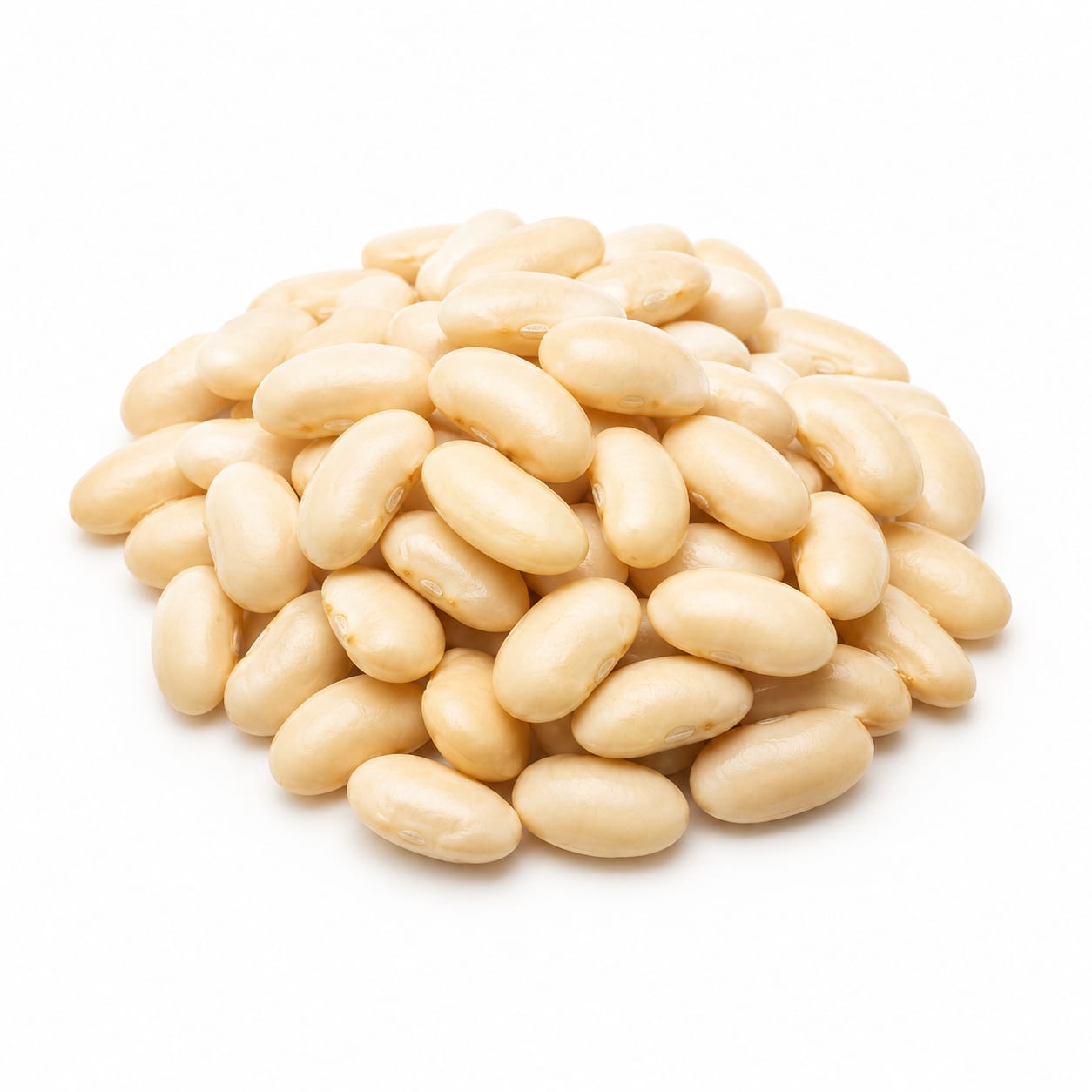
White Bean
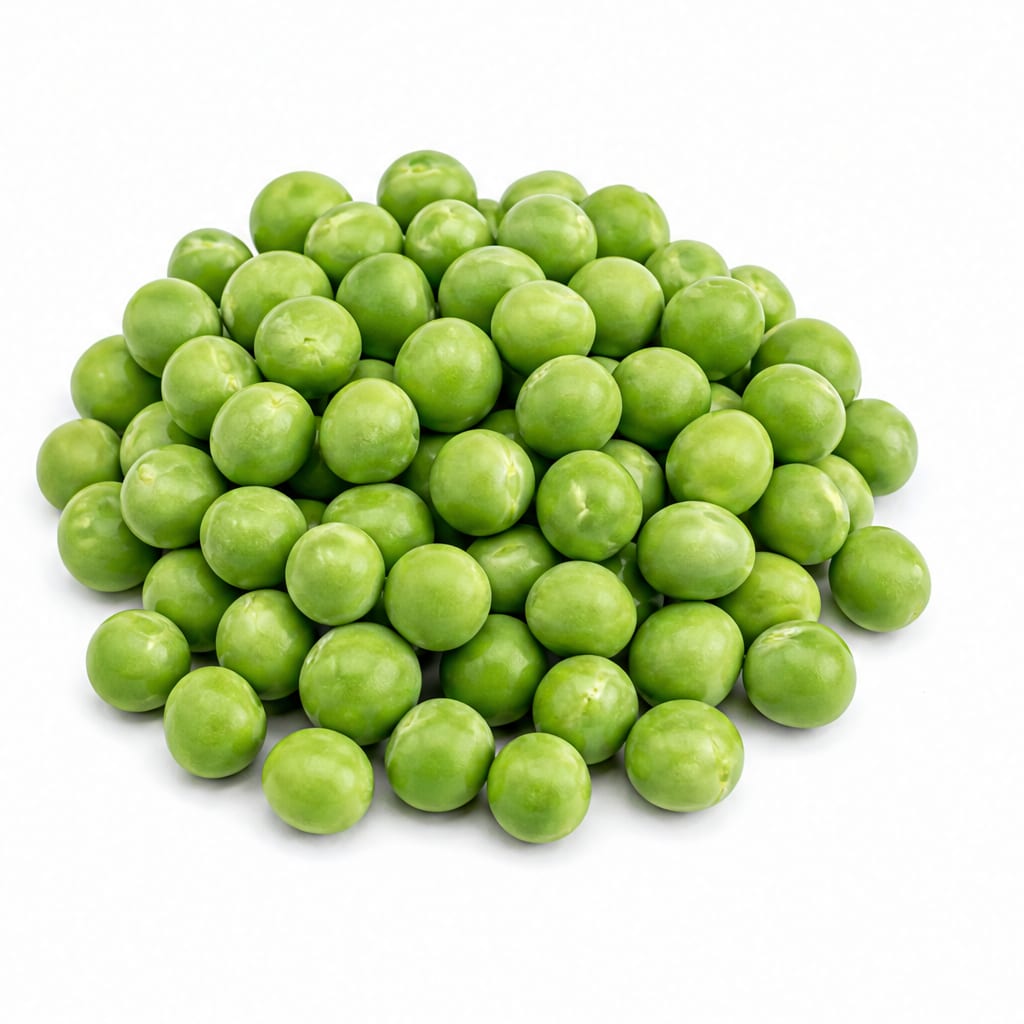
Green peas
White beans offer denser protein and steadier energy, while green peas provide lighter calories and more vibrant micronutrients.
Green peas edge ahead slightly for everyday versatility and easier digestion, but white beans win for pure satiety and mineral density.
Heavier, slower-burning fuel versus lighter, nutrient-packed volume.
At a glance
Executive summary
Overall
It depends
Healthier
It depends
More practical
Green peas
Daily use
Green peas
Key comparison lenses
Plant-based protein and fiber comparison
Both are staple legumes relied upon for meatless protein and digestion support
Weight management and calorie density
Users often choose between dense and light legumes when managing calorie intake
Blood sugar control
Carb quality and resistant starch levels differ significantly between these two
Digestive comfort and gas
Legumes are notorious for bloating, and tolerance varies by type
Best choice for
White Bean
- Slow-carb diets
- Heavy workout recovery
- Long-lasting fullness
Green peas
- Weight loss and volume eating
- Quick side dishes
- Boosting vitamin intake
Least suitable for
White Bean
- People prone to bloating
- Light meals right before exercise
Green peas
- High-calorie bulking diets
- Those needing very high protein per bite
Deep comparison
Dimension by dimension
Each lens scores both foods and breaks down who each option suits.
- Dimension 1 · Priority 92White Bean
Satiety & Fullness
White Bean · 92Green peas · 75White beans are significantly more filling per serving due to higher protein and resistant starch.
Tradeoff
You get longer-lasting energy with white beans, but they can feel heavy if you want a light meal.
Why it matters
Staying full longer helps control snacking and calorie intake throughout the day.
Real-world impact
A white bean lunch keeps you full until dinner, while a green pea lunch might leave you hunting for a snack by 3 PM.
White Bean
- Skipping afternoon cravings
- Sustained energy for physical labor
Better for
- Pre-workout meals where you need light digestion
Worse for
Green peas
- Lighter summer salads
- Avoiding food coma after lunch
Better for
- Times when you need a meal to hold you over for 6+ hours
Worse for
- Dimension 2 · Priority 88White Bean
Blood Sugar Stability
White Bean · 90Green peas · 78White beans have a lower glycemic index and more resistant starch, leading to a slower, steadier blood sugar response.
Tradeoff
Green peas have slightly more natural sugars, causing a quicker, though still modest, blood sugar rise.
Why it matters
Stable blood sugar prevents energy crashes and reduces diabetes risk.
Real-world impact
White beans give you calm, steady energy without the mid-afternoon crash.
White Bean
- Diabetics needing strict control
- Avoiding energy spikes and crashes
Better for
- Situations requiring immediate quick energy
Worse for
Green peas
- Post-workout recovery where a quicker carb is fine
Better for
- Those highly sensitive to blood sugar fluctuations
Worse for
- Dimension 3 · Priority 85Green peas
Micronutrient Density
White Bean · 75Green peas · 90Green peas are packed with Vitamin K, Vitamin C, and folate, while white beans lead mainly in iron and magnesium.
Tradeoff
White beans are better for minerals, but green peas offer a broader spectrum of vitamins.
Why it matters
Vitamins support immunity, skin health, and cellular repair.
Real-world impact
Adding green peas to your plate boosts your immune system and skin health more effectively than white beans.
White Bean
- Correcting iron deficiency
- Supporting muscle and nerve function
Better for
- Those needing a vitamin C boost
Worse for
Green peas
- Immune support
- Bone health via Vitamin K
Better for
- Those needing high iron intake
Worse for
- Dimension 4 · Priority 82Green peas
Calorie Efficiency & Volume Eating
White Bean · 65Green peas · 88Green peas provide more volume and nutrients for fewer calories, making them ideal for weight loss.
Tradeoff
White beans are more calorie-dense, which is great for bulking but requires portion control for cutting.
Why it matters
Eating larger volumes of low-calorie food helps you feel satisfied without overeating.
Real-world impact
You can eat a massive bowl of green peas for the same calories as a small scoop of white beans.
White Bean
- Bulking up on a plant-based diet
- Hikers needing calorie density
Better for
- Strict calorie-counting diets
Worse for
Green peas
- Cutting calories without going hungry
- Large, filling salads
Better for
- People who struggle to eat enough calories
Worse for
- Dimension 5 · Priority 78Green peas
Digestive Tolerance
White Bean · 60Green peas · 78Green peas are generally easier to digest and less likely to cause severe gas or bloating than white beans.
Tradeoff
White beans' high resistant starch feeds gut bacteria but produces gas during fermentation.
Why it matters
Digestive comfort affects daily mood and social confidence.
Real-world impact
White beans might make you gassy before a meeting, while green peas are usually safer for a workday lunch.
White Bean
- Building gut microbiome diversity via resistant starch
Better for
- IBS sufferers
- First dates
Worse for
Green peas
- Sensitive stomachs
- Eating before social events
Better for
- Those who need extreme fiber intake for severe constipation
Worse for
Timeline
Health impact over time
Short-term
Hours to days
White Bean
- High satiety
- Potential bloating or gas
- Steady energy
Green peas
- Lighter stomach feel
- Quick nutrient uptake
- Mild blood sugar rise
Long-term
Months to years
White Bean
- Improved iron stores
- Better blood sugar regulation
- Stronger gut microbiome
Green peas
- Enhanced immunity from vitamins
- Better bone density from Vitamin K
- Easier weight management
Risk profile
Safety & processing
Both are whole, natural foods. Canned white beans may have added sodium, while frozen green peas are typically additive-free.
White Bean
Sodium in canned varieties
mediumCanned white beans often contain high sodium; rinsing helps but does not remove it all.
Phytic acid
lowCan bind to minerals and reduce absorption, though soaking and cooking mitigates this.
Green peas
Pesticide residue
lowGreen peas can carry pesticide residues, though they rank relatively low compared to other produce.
Lectins
lowRaw peas contain lectins, but cooking neutralizes them completely.
Who wins for whom
Audience fit
Same foods, different winners depending on your goal.
children
Green peasGreen peas are sweeter, smaller, and easier for kids to chew and digest.
daily consumption
Green peasGreen peas are lighter on the digestive system and easier to incorporate into a wide variety of daily meals.
diabetes
White BeanThe resistant starch and lower glycemic index of white beans provide superior blood sugar control.
elderly
It dependsWhite beans help with iron and blood sugar, but green peas are easier to chew and digest if dental or digestive issues exist.
muscle gain
White BeanWhite beans provide more protein and calories per serving, supporting muscle repair and growth.
weight loss
Green peasGreen peas offer more volume per calorie, making it easier to stay in a deficit while feeling full.
Your move
Decision guide
Choose White Bean
- You need long-lasting energy and satiety
- You are focusing on muscle gain or a vegan bulk
- You want to stabilize blood sugar
- You need an iron boost
Choose Green peas
- You want to lose weight without feeling deprived
- You need a quick-cooking, versatile side
- You have a sensitive stomach
- You want a vitamin boost
Either works if
- You need plant-based fiber
- You are making a hearty soup or stew
- You want to support gut health
Avoid both if
- You have a severe legume allergy
- You are on a strict very-low-carb diet
Final recommendation
Let your goals decide: choose white beans when you need heavy-duty fuel and protein, and green peas when you want a lighter, nutrient-rich addition to your plate.
Practical
Consumer tips
- 1
Rinse canned white beans thoroughly to remove up to 40% of the sodium.
- 2
Frozen green peas are often more nutritious than fresh ones because they are flash-frozen at peak ripeness.
- 3
Soak dried white beans overnight and cook thoroughly to reduce gas-causing compounds.
- 4
Mix both in a salad for a balanced combo of protein, complex carbs, and fresh vitamins.