
Nutrition comparison
White Beans vs Chickpeas: Nutrition Comparison, Health Benefits, and Which to Choose
White Beans vs Chickpeas compared on fiber, iron, blood sugar impact, and versatility. Learn which legume is better for your health goals and how to use both effectively.
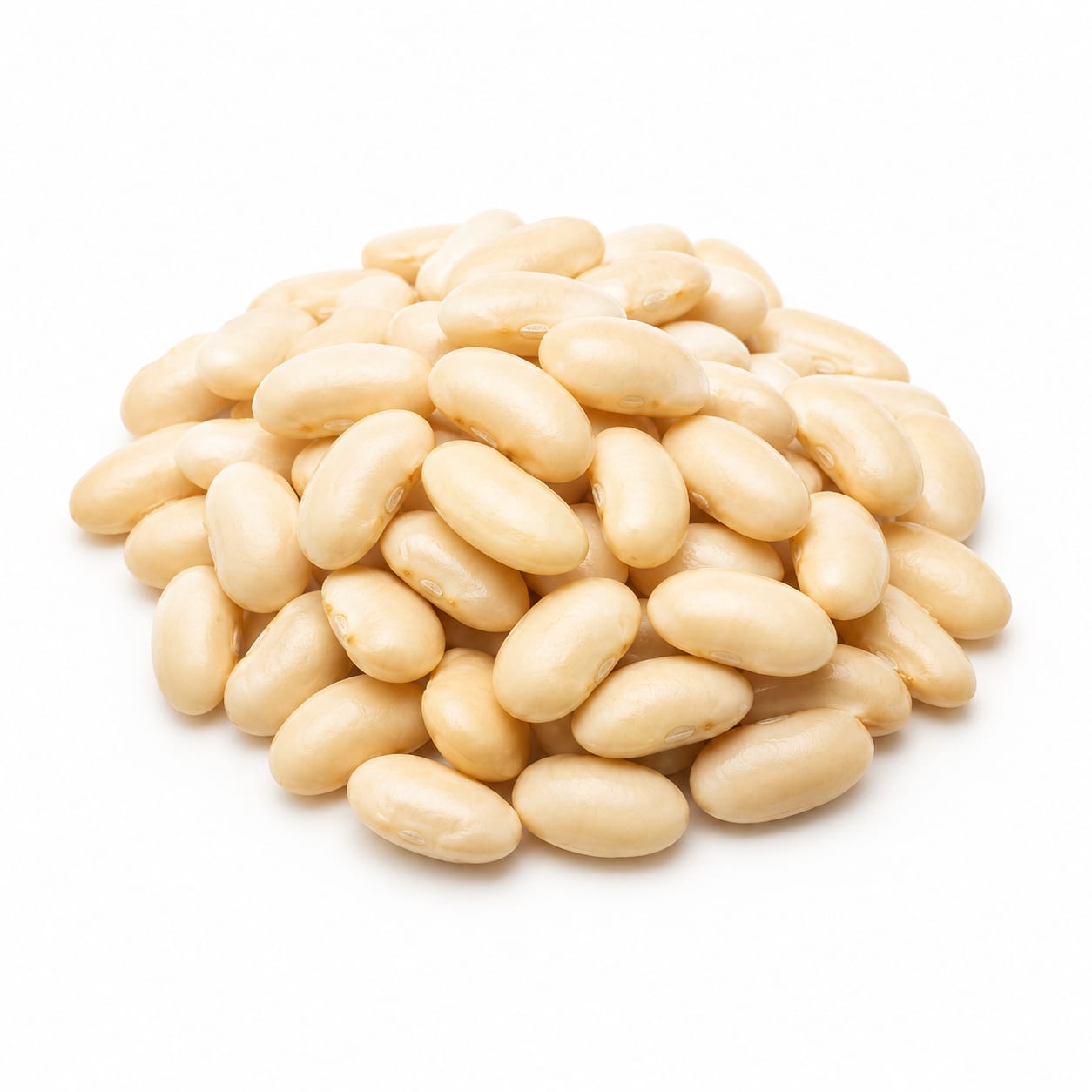
White Bean
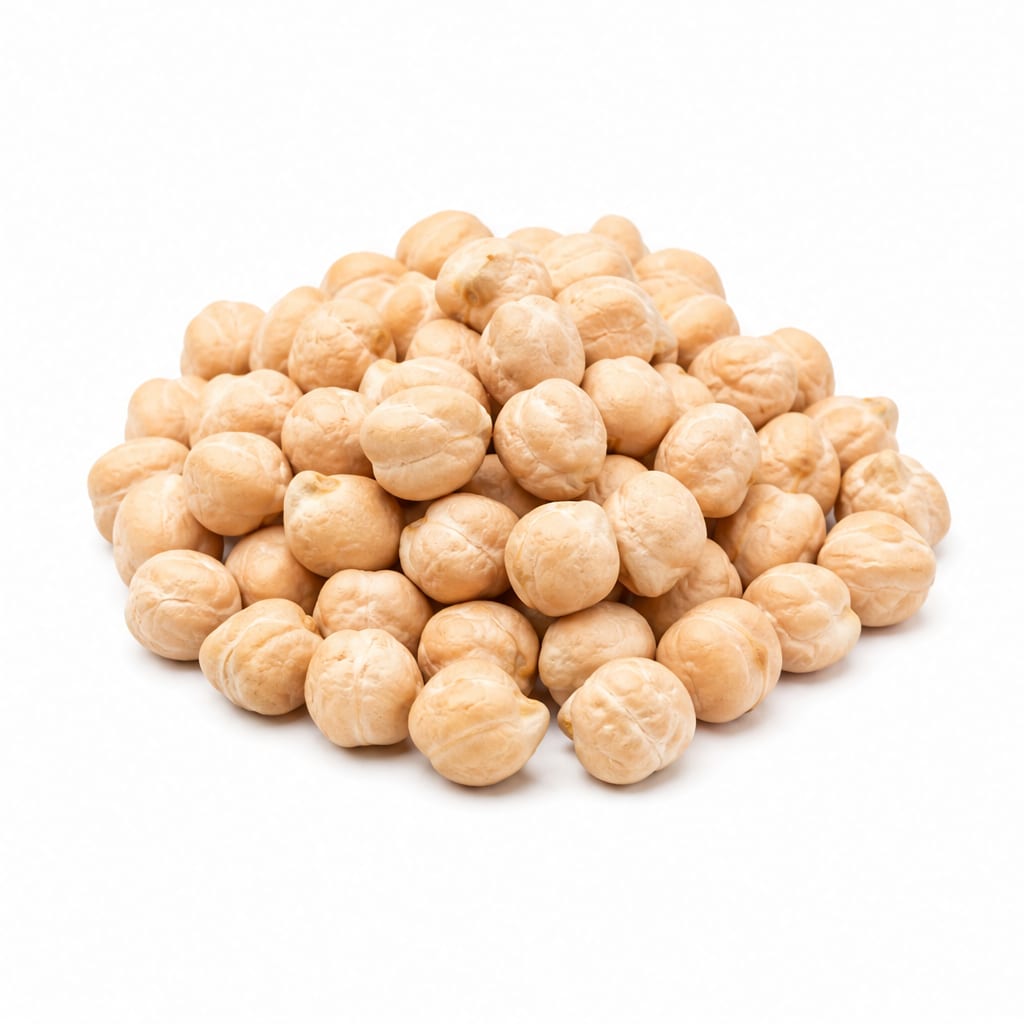
Chickpeas
White Beans win for fiber, iron, and blood sugar control. Chickpeas win for versatility, folate, and everyday meal variety.
White Beans score slightly higher on raw nutritional metrics, especially fiber and minerals. Chickpeas score nearly equal because their versatility and folate content make them easier to eat consistently, which matters more for long-term health than marginal nutrient advantages.
Maximum nutritional density versus culinary flexibility and enjoyment
At a glance
Executive summary
Overall
It depends
Healthier
White Bean
More practical
Chickpeas
Daily use
Chickpeas
Key comparison lenses
fiber and digestive health
White Beans are significantly higher in fiber, making gut health a central comparison point
blood sugar management
Both are low-glycemic but White Beans have a slight edge for glucose stability due to higher soluble fiber
meal versatility and recipe flexibility
Chickpeas dominate in culinary versatility from hummus to roasted snacks to curries
mineral density and micronutrition
White Beans lead in iron and potassium while Chickpeas offer more folate and manganese
weight management and satiety
Both are filling but differ in calorie density and how satisfying they feel in meals
Best choice for
White Bean
- People managing diabetes or insulin resistance
- Anyone needing more iron in their diet
- Those prioritizing digestive regularity
- Blood pressure management due to higher potassium
Chickpeas
- Meal preppers wanting ingredient flexibility
- Pregnant women needing folate
- People who get bored eating the same foods
- Anyone transitioning to plant-based eating who needs approachable recipes
Least suitable for
White Bean
- People sensitive to gas and bloating from very high fiber
- Those wanting quick snack options without cooking
Chickpeas
- People strictly monitoring calorie intake per serving
- Those who need maximum iron absorption per calorie
Deep comparison
Dimension by dimension
Each lens scores both foods and breaks down who each option suits.
- Dimension 1 · Priority 92White Bean
fiber and digestive health
White Bean · 91Chickpeas · 74White Beans deliver roughly 50% more fiber per serving, making them significantly better for gut health and regularity.
Tradeoff
That extra fiber can mean more bloating and gas if your body is not used to it, especially in the first weeks of eating them regularly.
Why it matters
Fiber is the nutrient most people consistently fail to get enough of, and the gap between these two is large enough to meaningfully affect digestion and satiety.
Real-world impact
A bowl of White Bean soup will keep you full longer and support smoother digestion compared to the same portion of Chickpeas.
White Bean
- Chronic constipation relief
- Gut microbiome feeding
- Sustained fullness between meals
Better for
- Sudden fiber increases causing gas and discomfort
Worse for
Chickpeas
- Gentler introduction to high-fiber eating
- Less bloating for sensitive stomachs
Better for
- Falling short of daily fiber targets if relied on as your primary legume
Worse for
- Dimension 2 · Priority 88White Bean
blood sugar stability
White Bean · 86Chickpeas · 78White Beans have a lower glycemic index and more soluble fiber, which slows glucose absorption more effectively.
Tradeoff
The difference is moderate and both are excellent choices compared to refined carbs. Chickpeas are still very blood-sugar friendly.
Why it matters
For anyone with diabetes, prediabetes, or energy crashes after meals, this is where White Beans genuinely outperform.
Real-world impact
Replacing a starch side dish with White Beans instead of Chickpeas gives you steadier energy for an extra hour or two after eating.
White Bean
- Type 2 diabetes meal planning
- Preventing afternoon energy crashes
- Insulin sensitivity support
Better for
- Overeating can still spike blood sugar despite the fiber advantage
Worse for
Chickpeas
- Still a strong choice for blood sugar compared to most carbs
Better for
- Slightly faster glucose rise, which matters for sensitive individuals
Worse for
- Dimension 3 · Priority 80White Bean
mineral density
White Bean · 85Chickpeas · 72White Beans provide significantly more iron and potassium per serving. Chickpeas offer more folate and manganese instead.
Tradeoff
If iron deficiency is your concern, White Beans are clearly superior. For pregnancy nutrition or DNA repair support, Chickpeas have the edge on folate.
Why it matters
Iron deficiency is the most common nutrient deficiency worldwide, and potassium is critical for blood pressure regulation.
Real-world impact
Eating White Beans regularly can meaningfully contribute to preventing iron-deficiency fatigue, especially for plant-based eaters.
White Bean
- Iron-deficiency anemia prevention
- Blood pressure management through potassium
- Plant-based iron sourcing
Better for
- Non-heme iron absorption is still lower than animal sources
Worse for
Chickpeas
- Prenatal nutrition and folate needs
- Bone health through manganese
- Cell repair and DNA synthesis support
Better for
- Less helpful for addressing iron deficiency directly
Worse for
- Dimension 4 · Priority 85Chickpeas
culinary versatility and enjoyment
White Bean · 62Chickpeas · 90Chickpeas are one of the most versatile legumes in the world, working in hummus, curries, salads, roasted snacks, and baking. White Beans are more limited.
Tradeoff
Nutritional superiority does not matter if you cannot find enjoyable ways to eat the food consistently.
Why it matters
The best healthy food is the one you actually want to eat. Chickpeas make that easier for most people across more cuisines and meal types.
Real-world impact
You can roast Chickpeas for a crunchy snack, blend them into hummus for a dip, or toss them in a salad. White Beans mostly shine in soups and stews.
White Bean
- Creamy soups and hearty stews
- Italian and Mediterranean comfort dishes
Better for
- Limited snack and dip options
- Fewer cuisines featuring them prominently
Worse for
Chickpeas
- Quick no-cook meal assembly
- Snack preparation like roasted Chickpeas
- Dips and spreads for social eating
- Middle Eastern, Indian, and global recipe variety
Better for
- Can feel repetitive if you only know one or two recipes
Worse for
- Dimension 5 · Priority 78White Bean
satiety and weight management
White Bean · 80Chickpeas · 73White Beans are slightly lower in calories and higher in fiber per serving, making them marginally more filling for fewer calories.
Tradeoff
The calorie difference is small per serving, and Chickpeas' healthy fat content contributes to satisfaction in a different way.
Why it matters
When cutting calories, every small advantage in fullness per calorie helps with adherence.
Real-world impact
A White Bean-based lunch might keep you from snacking an extra 30 minutes longer than a Chickpea-based one, but both are far more filling than refined carbs.
White Bean
- Calorie-conscious meal plans
- Maximum fullness per calorie eaten
- Volume eating strategies
Better for
- Less satisfying as a standalone snack without preparation
Worse for
Chickpeas
- Fat-based satiety from slightly higher healthy fat content
- More satisfying snack textures when roasted
Better for
- Slightly more calorie-dense, which adds up in large portions
Worse for
- Dimension 6 · Priority 75Chickpeas
digestive tolerance
White Bean · 65Chickpeas · 78Chickpeas are generally easier on the digestive system for people not accustomed to very high fiber intake.
Tradeoff
White Beans' higher fiber is a long-term benefit but a short-term discomfort for unadjusted digestive systems.
Why it matters
If eating a healthy food causes bloating and embarrassment, people stop eating it. Tolerance matters for consistency.
Real-world impact
Someone new to legumes will likely experience less gas starting with Chickpeas than jumping straight into White Bean dishes daily.
White Bean
- Long-term gut adaptation and microbiome benefits
Better for
- Notorious for causing gas if introduced too quickly
- Requires gradual ramp-up for new legume eaters
Worse for
Chickpeas
- Gentler transition into legume eating
- Less social discomfort from gas
- Better tolerated in larger portions initially
Better for
- Still causes gas for some people, just typically less
Worse for
Timeline
Health impact over time
Short-term
Hours to days
White Bean
- Noticeable fullness and delayed hunger after meals
- Potential gas and bloating if fiber intake increases suddenly
- Steadier energy without the crash that follows refined carbs
Chickpeas
- Comfortable satiety without extreme fullness
- Mild gas possible but generally better tolerated
- Satisfying texture that makes plant-based meals feel more complete
Long-term
Months to years
White Bean
- Improved cholesterol from high soluble fiber intake
- Better blood pressure regulation through potassium
- Reduced constipation and improved gut health
- Support for healthy iron status, especially important for menstruating women
Chickpeas
- Consistent folate intake supporting cell health and pregnancy
- Sustainable plant-based protein habit due to culinary enjoyment
- Long-term heart health from regular legume consumption
- Better dietary adherence because of recipe variety preventing burnout
Risk profile
Safety & processing
Both White Beans and Chickpeas are whole, minimally processed foods when bought dried or canned with minimal ingredients. Watch for added sodium in canned versions of either. Canned Chickpeas sometimes contain calcium chloride as a firming agent, which is harmless but worth noting if you prefer zero additives.
White Bean
Undercooked toxin exposure
mediumRaw or undercooked White Beans contain phytohaemagglutinin, a lectin that can cause nausea and vomiting. Always soak and cook thoroughly.
BPA from canned varieties
lowMost canned White Beans are in BPA-lined cans. Choose BPA-free or tetra-pack options if concerned.
Sodium in canned versions
mediumCanned White Beans can contain 400-500mg sodium per serving. Rinsing removes about 40% but not all.
Chickpeas
Undercooked hardness and digestibility
lowUndercooked Chickpeas are unpleasantly hard and harder to digest but do not carry the same lectin toxicity risk as White Beans.
BPA from canned varieties
lowSame BPA concern as other canned legumes. Look for BPA-free packaging.
Sodium in canned versions
mediumCanned Chickpeas often have similar sodium levels to other canned beans. Rinsing before use helps significantly.
Who wins for whom
Audience fit
Same foods, different winners depending on your goal.
children
ChickpeasChickpeas in hummus form are more kid-friendly, and the milder flavor is easier for children to accept.
daily consumption
ChickpeasRecipe variety prevents palate fatigue, making Chickpeas easier to eat daily without getting bored.
diabetes
White BeanLower glycemic index and higher soluble fiber give White Beans a meaningful advantage for glucose control.
elderly
White BeanHigher potassium supports blood pressure management, and more iron helps counter age-related anemia risk.
muscle gain
It dependsBoth provide similar protein content per serving. Chickpeas have marginally more calories to support a surplus, while White Beans offer more iron for oxygen delivery to working muscles.
weight loss
White BeanLower calorie density and higher fiber make White Beans slightly more effective for controlling hunger on a calorie deficit.
Your move
Decision guide
Choose White Bean
- You are managing diabetes, prediabetes, or insulin resistance
- Iron deficiency or low potassium is a known concern
- You want maximum fullness and digestive regularity
- You enjoy soups, stews, and creamy comfort dishes
Choose Chickpeas
- You want one legume that works across dozens of recipes
- You are pregnant or planning pregnancy and need folate
- You are new to plant-based eating and need approachable options
- You want a crunchy roasted snack or a quick hummus dip
Either works if
- You simply want more legumes in your diet regardless of type
- You are meal prepping and can use both across different dishes
- Your main goal is replacing refined carbs with whole-food alternatives
Avoid both if
- You have a diagnosed legume allergy
- You are in an acute IBS flare and your doctor has recommended a low-FODMAP elimination phase
Final recommendation
Keep both in your pantry. Use White Beans when nutritional density is the priority, especially for blood sugar and iron. Use Chickpeas when you need meal variety and enjoyment to stay consistent. The healthiest choice is the one you will actually eat regularly, and alternating between them gives you the broadest nutrient coverage.
Practical
Consumer tips
- 1
Rinse canned beans thoroughly to remove about 40% of the added sodium
- 2
Soak dried beans overnight and discard the soaking water to reduce gas-causing compounds
- 3
Start with small portions if you are new to legumes and increase gradually over two weeks
- 4
Pair either bean with vitamin C sources like tomatoes or bell peppers to boost iron absorption by up to 6 times
- 5
Cook White Beans thoroughly until completely soft to eliminate lectin toxicity risk
- 6
Roast canned Chickpeas with olive oil and spices at 400°F for 25 minutes for a satisfying crunchy snack
- 7
Blend White Beans into dips as a hummus alternative for a creamier, milder flavor profile
- 8
Buy dried beans in bulk for the most affordable protein source available in most grocery stores