
Nutrition comparison
White Beans vs Cannellini Beans: Nutrition, Fiber, and Cooking Differences
Cannellini beans vs white beans comparison covering fiber content, blood sugar impact, cooking texture, and cost. Find out which bean is better for your recipes and health goals.
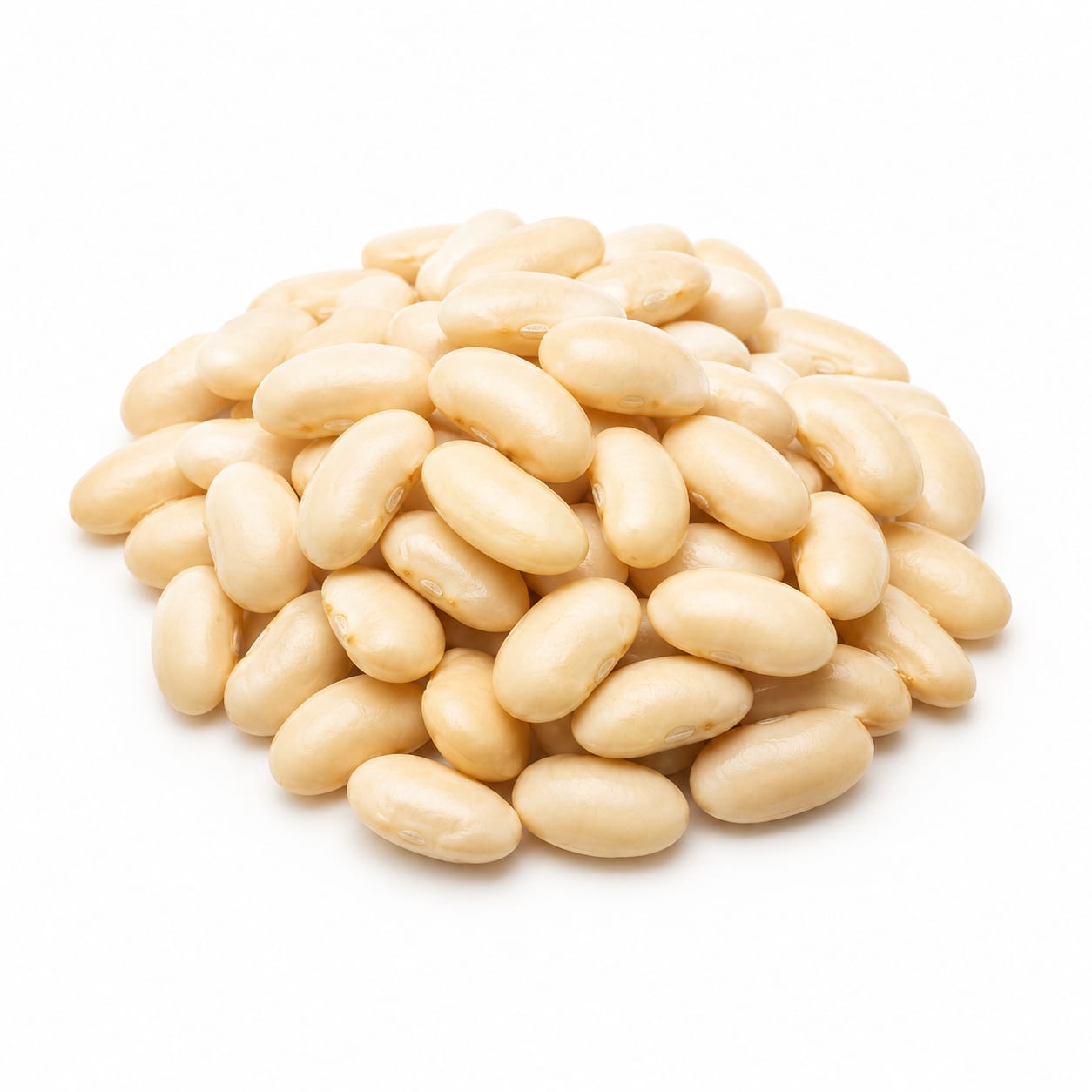
White Bean
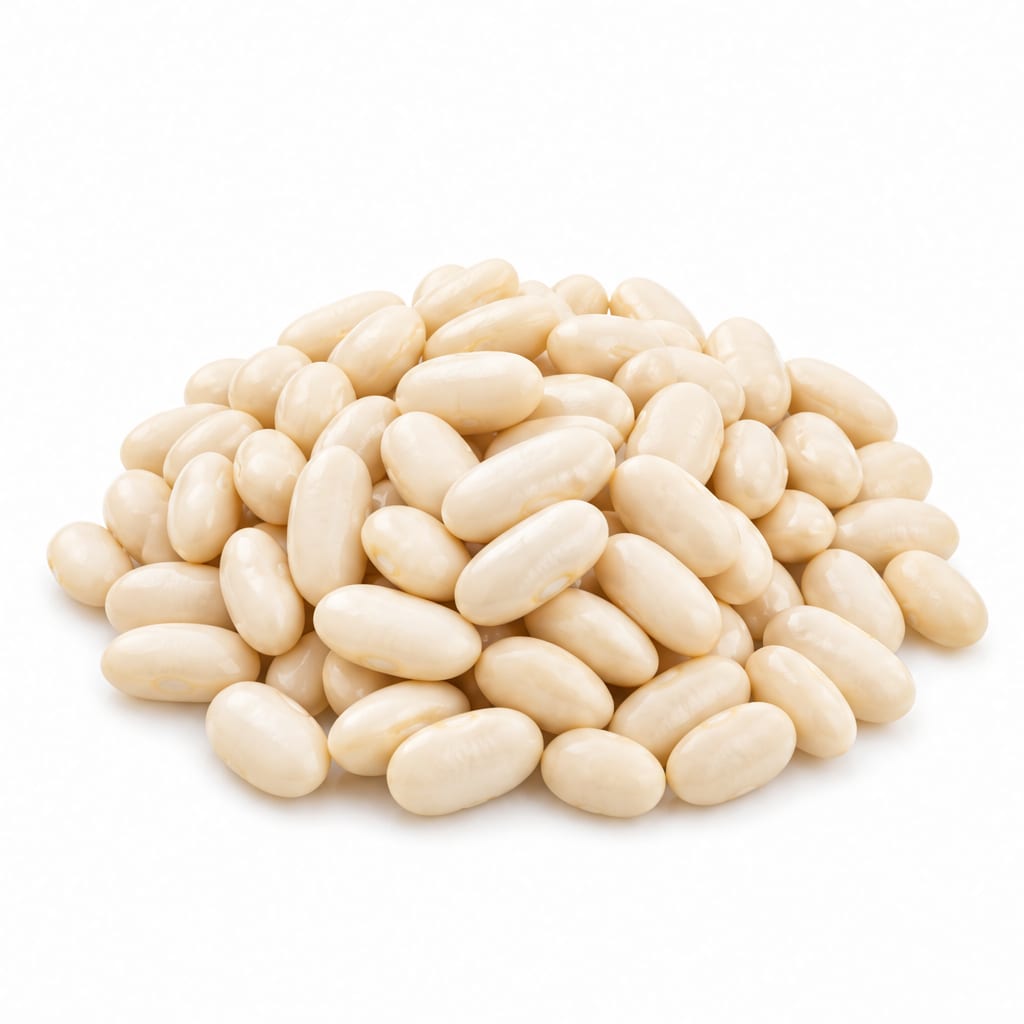
Cannellini Beans
Cannellini beans are a specific variety of white bean with a creamier texture and milder flavor, while generic white beans (typically navy beans) deliver more fiber and better thickening power at a lower price.
White beans edge ahead on fiber content, cost-effectiveness, and versatility for everyday cooking. Cannellini beans score slightly lower on raw nutrition metrics but win on culinary refinement and recipe-specific performance. The close scores reflect that these are nutritionally similar foods where context determines the better choice.
Creamier, more elegant texture and recipe specificity versus higher fiber, lower cost, and better soup-thickening ability.
At a glance
Executive summary
Overall
It depends
Healthier
White Bean
More practical
White Bean
Daily use
White Bean
Key comparison lenses
understanding nutritional differences between a general white bean category and a specific Italian variety
Cannellini beans are actually a type of white bean, so users are likely confused about whether paying more for a named variety offers any real advantage
choosing the best bean for specific recipes and cooking methods
These beans behave differently in the kitchen despite similar nutrition profiles
maximizing fiber and satiety for weight management or blood sugar control
Fiber content differs meaningfully between common white beans and cannellini, impacting fullness and glycemic response
digestive tolerance and gut comfort
Bean selection matters for people with sensitive digestion, and texture differences affect tolerability
Best choice for
White Bean
- Maximizing daily fiber intake on a budget
- Thickening soups, stews, and chili without cream or flour
- Blood sugar management requiring the highest fiber load
- Bulk meal prep where cost per serving matters
Cannellini Beans
- Italian recipes where authentic texture and flavor matter
- Salads and side dishes where beans should hold their shape beautifully
- Dips and spreads where a silky, creamy consistency is the goal
- Dishes where visual appeal of larger, plumper beans elevates presentation
Least suitable for
White Bean
- Recipes requiring beans to maintain a distinct, plump shape
- Elegant dinner presentations where small bean size looks less refined
- Italian dishes where authenticity of ingredient matters to the cook
Cannellini Beans
- Tight grocery budgets where paying a premium for a named variety feels wasteful
- Maximum fiber intake goals where every gram counts
- Soups where you want beans to break down and naturally thicken the broth
Deep comparison
Dimension by dimension
Each lens scores both foods and breaks down who each option suits.
- Dimension 1 · Priority 92White Bean
Fiber Content and Satiety
White Bean · 88Cannellini Beans · 72Common white beans (navy beans) deliver roughly 50% more fiber per cup than cannellini beans, making them significantly more filling.
Tradeoff
You get more satiety and blood sugar stabilization with white beans, but cannellini offer a smoother, less fibrous mouthfeel that some people find more pleasant to eat.
Why it matters
If you're eating beans partly for their fiber benefits, the difference between 19g and 12g per cup is substantial over daily meals.
Real-world impact
A lunch with white beans will likely keep you full an hour or two longer than the same portion of cannellini beans.
White Bean
- People tracking fiber goals
- Anyone managing hunger between meals
- Those using beans as a primary satiety tool
Better for
- Individuals gradually increasing fiber who find very high amounts uncomfortable
Worse for
Cannellini Beans
- People who find high-fiber foods texturally unpleasant
- Anyone prioritizing eating enjoyment over maximum fiber
Better for
- Anyone counting on beans to significantly reduce snacking urges
Worse for
- Dimension 2 · Priority 88Cannellini Beans
Culinary Texture and Recipe Performance
White Bean · 65Cannellini Beans · 90Cannellini beans are larger, creamier, and hold their shape better, making them superior for salads, sides, and dishes where bean integrity matters.
Tradeoff
White beans break down more easily, which is terrible for bean salads but perfect for naturally thickening soups without adding cream or starch.
Why it matters
The wrong bean can ruin a dish's texture, regardless of nutritional equivalence.
Real-world impact
Use cannellini in a minestrone and each spoonful has distinct, tender beans. Use white beans and they partially dissolve into a creamy broth.
White Bean
- Home cooks making rustic soups and stews
- Anyone wanting to thicken dishes without dairy or flour
- Casseroles where a creamy, integrated texture is desired
Better for
- Any dish where mushy beans would be disappointing
Worse for
Cannellini Beans
- Bean salads where visual appeal and bite matter
- Pasta e fagioli and other Italian classics
- Toasted bread toppings where whole, plump beans look appetizing
Better for
- Recipes where you want the beans to disappear into the sauce
Worse for
- Dimension 3 · Priority 78White Bean
Cost and Accessibility
White Bean · 90Cannellini Beans · 68Generic white beans are consistently cheaper and available in every grocery store, while cannellini beans often carry a premium price and may require a specialty aisle.
Tradeoff
You pay more for cannellini's refined texture and Italian branding, but the nutritional upgrade is minimal.
Why it matters
For families eating beans as a staple protein, the price difference compounds over weeks and months.
Real-world impact
A can of white beans might cost $0.89 while cannellini runs $1.49 to $2.29. Over 50 cans a year, that's $30-70 difference for essentially the same macronutrients.
White Bean
- Budget-conscious households
- Bulk cooking and meal preppers
- Anyone living far from well-stocked grocery stores
Better for
- No real downside beyond culinary limitations
Worse for
Cannellini Beans
- Cooks who value authentic ingredients for specific cuisines
- Special occasion meals where a dollar or two doesn't matter
Better for
- Large families who go through beans quickly
- Anyone trying to minimize grocery spending
Worse for
- Dimension 4 · Priority 82White Bean
Blood Sugar Stability
White Bean · 85Cannellini Beans · 74Higher fiber in white beans slows glucose absorption more effectively, giving them a slight edge for blood sugar management.
Tradeoff
Both are low-glycemic, high-fiber foods far superior to refined carbs, so the difference matters most for people actively managing diabetes or insulin resistance.
Why it matters
When every glucose spike matters, the extra 7 grams of fiber per cup in white beans provides meaningful additional slowing of sugar absorption.
Real-world impact
For most people, both beans will produce a steady, gentle blood sugar response. For someone with type 2 diabetes, white beans may produce a noticeably flatter curve.
White Bean
- People with diabetes or prediabetes
- Anyone monitoring post-meal glucose
- Those pairing beans with higher-glycemic foods who want maximum buffering
Better for
- No meaningful downside here
Worse for
Cannellini Beans
- People with normal blood sugar who don't need to optimize this dimension
Better for
- Diabetics who could benefit from every gram of additional fiber
Worse for
- Dimension 5 · Priority 75Cannellini Beans
Digestive Tolerance
White Bean · 62Cannellini Beans · 76Cannellini beans tend to be slightly easier on sensitive stomachs due to their lower fiber concentration and creamier, less dense texture.
Tradeoff
Easier digestion comes with less fiber benefit, so you're trading gut comfort for gut nourishment.
Why it matters
For people introducing beans into their diet or with irritable bowel syndrome, the difference in gas and bloating can determine whether they keep eating beans at all.
Real-world impact
Someone new to legumes might tolerate a cup of cannellini beans comfortably but experience bloating from the denser fiber load of white beans.
White Bean
- People with well-adapted gut microbiomes who handle high fiber easily
Better for
- Those unaccustomed to high-fiber foods
- People prone to bloating
Worse for
Cannellini Beans
- Beginners adding beans to their diet
- People with sensitive digestion or IBS
- Anyone who has avoided beans due to gas concerns
Better for
- No real digestive downside
Worse for
- Dimension 6 · Priority 68White Bean
Mineral Density
White Bean · 80Cannellini Beans · 73White beans (especially navy beans) offer more folate and slightly more magnesium per serving, while both deliver similar iron and potassium.
Tradeoff
The mineral advantage is real but modest, unlikely to make a practical difference unless beans are a primary mineral source in your diet.
Why it matters
For plant-based eaters relying heavily on beans, small mineral differences accumulate across frequent meals.
Real-world impact
If you eat beans daily, the extra folate in white beans contributes meaningfully to your intake over a month. For occasional eaters, it's negligible.
White Bean
- Pregnant women needing extra folate
- Plant-based eaters who depend on beans for minerals
Better for
- No real downside
Worse for
Cannellini Beans
- People getting adequate minerals from varied diets
Better for
- Those relying on beans as a primary folate source
Worse for
Timeline
Health impact over time
Short-term
Hours to days
White Bean
- Higher fiber provides stronger immediate satiety and longer-lasting fullness
- May cause more gas and bloating in people unaccustomed to high fiber intake
- Slower digestion delivers steadier energy over 3-4 hours post-meal
Cannellini Beans
- Creamier texture feels lighter in the stomach immediately after eating
- Gentler on digestion for sensitive systems or bean newcomers
- Satiety is solid but fades slightly sooner than with higher-fiber white beans
Long-term
Months to years
White Bean
- Superior fiber intake supports more consistent gut microbiome diversity over time
- Higher folate intake benefits cardiovascular and cellular health with regular consumption
- Better blood sugar stabilization reduces long-term metabolic disease risk
Cannellini Beans
- Easier digestion may help people sustain bean consumption as a long-term habit
- Still provides excellent heart health benefits from fiber, potassium, and plant protein
- Culinary satisfaction from better texture may improve diet adherence for picky eaters
Risk profile
Safety & processing
Both are whole, minimally processed foods. Canned versions may contain added salt, but rinsing removes most of it. Dried versions of both are as natural as food gets. Neither carries meaningful processing concerns.
White Bean
Sodium in canned varieties
mediumCanned white beans often contain 400-500mg sodium per serving. Rinsing reduces this by roughly 40%, but salt-sensitive individuals should check labels or choose no-salt-added versions.
Phytohaemagglutinin toxicity from undercooking
lowRaw or undercooked white beans contain lectins that can cause nausea and vomiting. This is eliminated by proper cooking, especially with canned beans which are fully cooked.
Cannellini Beans
Sodium in canned varieties
mediumSame concern as white beans. Canned cannellini often have similar sodium levels. Rinsing or choosing low-sodium versions mitigates this.
Phytohaemagglutinin toxicity from undercooking
lowCannellini beans carry the same lectin risk as other white beans when undercooked. Canned versions are safe; dried beans must be properly soaked and boiled.
Who wins for whom
Audience fit
Same foods, different winners depending on your goal.
children
Cannellini BeansCannellini beans' creamier, milder texture is more appealing to kids. Their larger size is easier for small fingers to pick up, and the gentler flavor is less likely to trigger rejection.
daily consumption
White BeanBetter fiber, more folate, lower cost, and wider availability make white beans the more practical daily staple for most people.
diabetes
White BeanThe additional fiber meaningfully slows glucose absorption, producing a flatter blood sugar curve. Both are excellent choices, but white beans have a measurable edge.
elderly
Cannellini BeansSofter, creamier texture is easier to chew and swallow. Lower fiber concentration reduces bloating risk for slower digestive systems.
muscle gain
It dependsBoth provide similar protein content per serving. Neither is a standout protein source, so choose based on recipe context and personal preference.
weight loss
White BeanHigher fiber per calorie means stronger satiety signals and less temptation to overeat. The difference is modest but consistent.
Your move
Decision guide
Choose White Bean
- You want maximum fiber and satiety per dollar spent
- You regularly make soups, stews, or chili where beans can thicken the broth
- You're managing blood sugar and every gram of fiber counts
- Budget is a factor in your grocery decisions
- You eat beans almost daily and want the most nutritional bang for your buck
Choose Cannellini Beans
- You're cooking Italian recipes where authenticity and texture matter
- You want beans that hold their shape in salads or side dishes
- You're new to eating beans and need something gentler on digestion
- You're making dips or spreads where silky creaminess is the goal
- Visual presentation of the dish matters to you
Either works if
- You're adding beans to a dish where they'll be blended or mashed anyway
- You're eating beans only occasionally and the nutritional difference is negligible
- You can find both at similar prices and have no strong recipe requirements
- You're rotating bean varieties for gut microbiome diversity
Avoid both if
- You have a diagnosed legume allergy
- You're in an acute IBS flare and your doctor has recommended temporary fiber restriction
- You're on a very low-fiber diet for a medical procedure
Final recommendation
Keep both in your pantry. Use white beans as your everyday workhorse for soups, stews, and meal prep where nutrition and cost matter most. Reach for cannellini beans when the dish calls for creamy elegance or Italian authenticity. If you must choose only one, white beans give you more fiber and better value for daily eating, while cannellini beans make the experience of eating beans more enjoyable for texture-sensitive people.
Practical
Consumer tips
- 1
Rinsing canned beans removes approximately 40% of the sodium and reduces the starchy liquid that can cause digestive discomfort
- 2
If switching from cannellini to white beans for the fiber benefit, increase your water intake to help your digestive system adjust
- 3
Buy dried beans when possible: they're dramatically cheaper, allow you to control sodium completely, and have a fresher flavor
- 4
Cannellini beans are worth the premium for specific recipes like bruschetta, Tuscan white bean dip, or minestrone where their texture shines
- 5
If you find white beans too dense or filling, try mixing half white beans and half cannellini in soups for a balance of thickening power and creamy texture
- 6
No-salt-added canned beans are widely available and eliminate the sodium concern entirely without much extra cost