
Nutrition comparison
White Beans vs Black Beans: Nutrition, Antioxidants, and Which Is Healthier
Compare white beans and black beans side by side. Learn which bean wins for antioxidants, blood sugar, iron, and daily health. Practical tradeoffs explained.
Overall winner · Black Beans
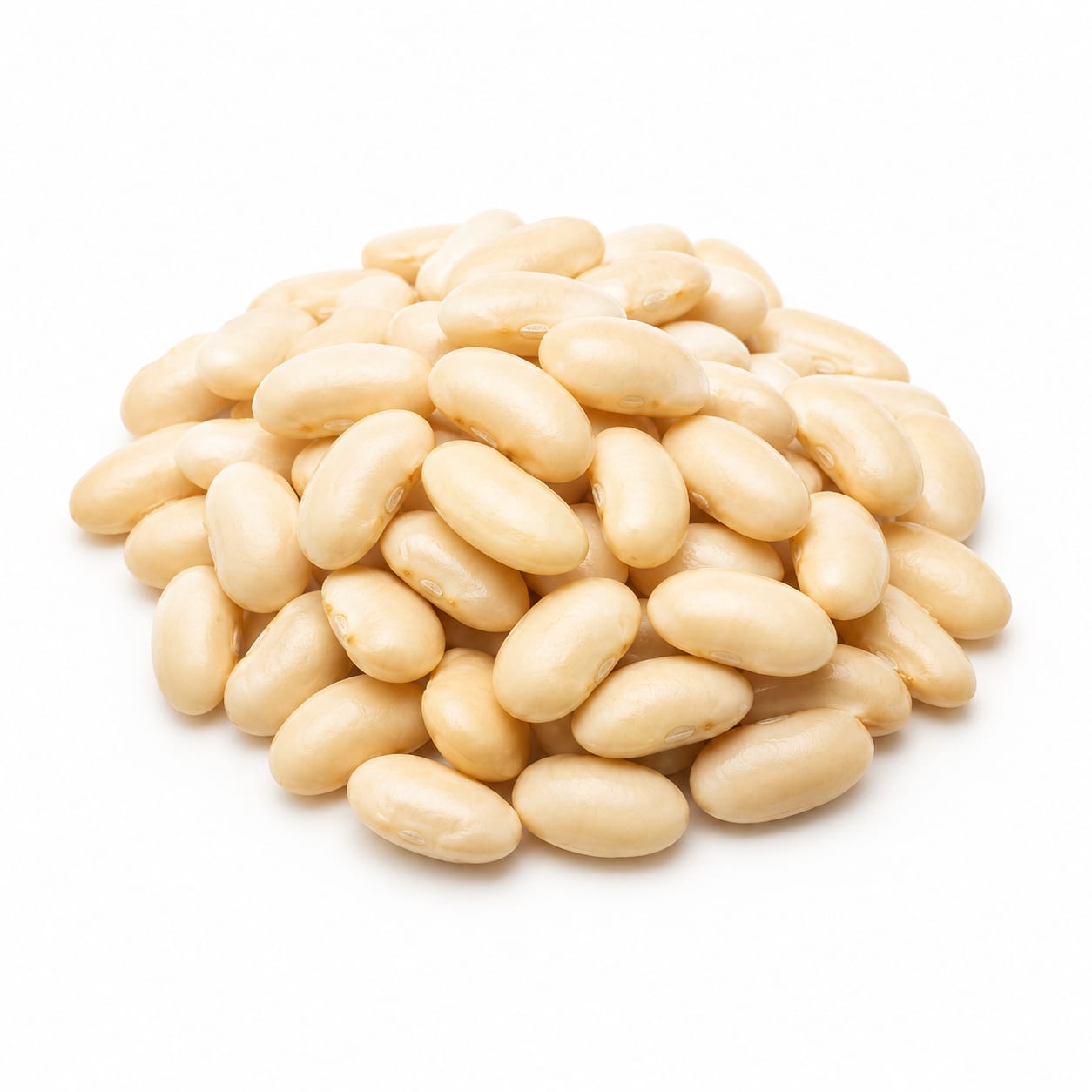
White Bean
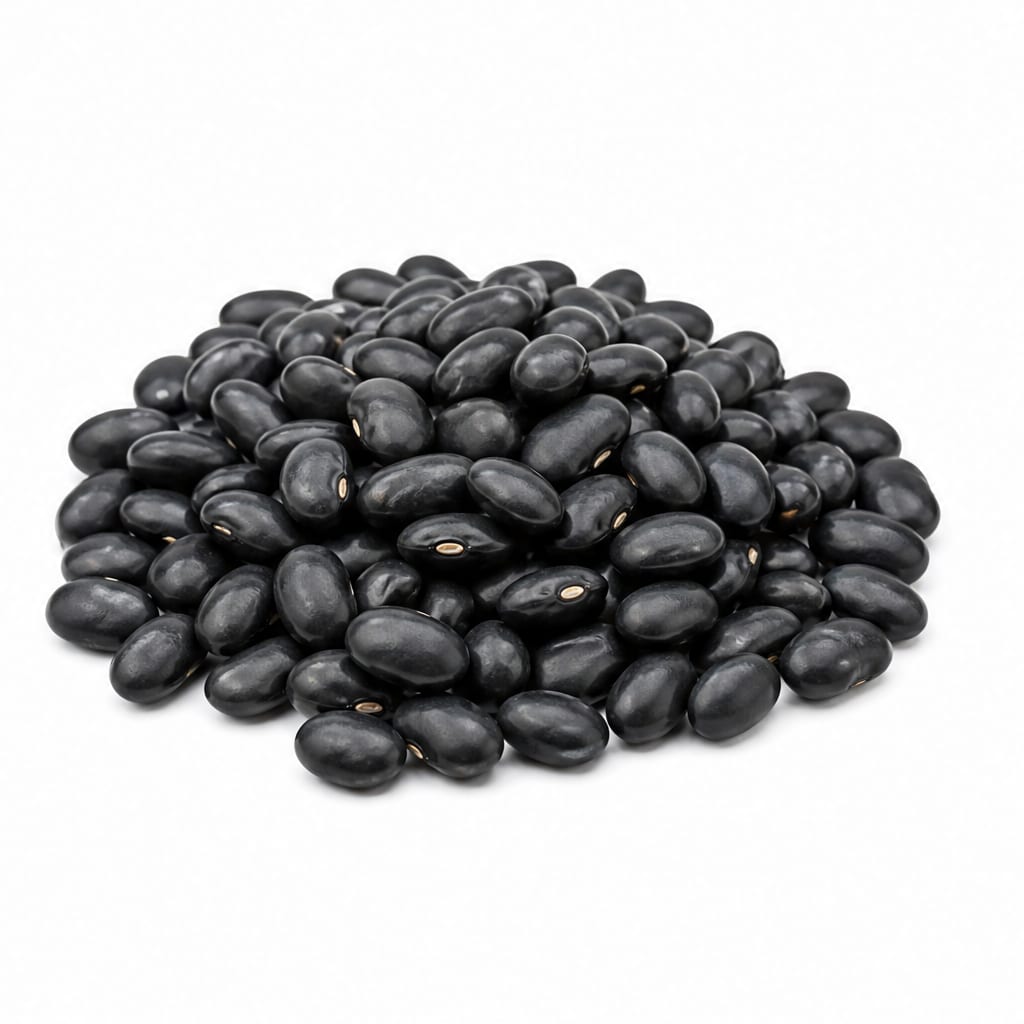
Black Beans
Black beans win narrowly thanks to their antioxidant edge and slightly better blood sugar profile, but white beans are a mineral-dense alternative that excels in different ways.
Black beans score higher due to their unique antioxidant content and slightly better fiber and blood sugar metrics. White beans remain nutritionally strong, especially for minerals, but lack the protective phytonutrients that give black beans their edge.
You choose between the deep antioxidant protection of black beans or the higher mineral payload and creamier versatility of white beans.
At a glance
Executive summary
Overall
Black Beans
Healthier
Black Beans
More practical
It depends
Daily use
Black Beans
Key comparison lenses
antioxidant and anti inflammatory superiority
Black beans contain anthocyanins from their dark pigment, which white beans lack entirely. This is the single biggest nutritional difference between the two.
blood sugar management
Both are low-glycemic, but black beans have a slight edge due to higher soluble fiber and antioxidant compounds that support insulin sensitivity.
mineral density for energy and bone health
White beans tend to deliver more potassium, iron, and folate per serving, making them a quiet powerhouse for energy and recovery.
digestive tolerance and gas concerns
Beans are notorious for causing bloating. Users want to know if one is gentler on digestion.
culinary versatility and meal integration
White beans blend smoothly into soups and dips, while black beans hold their shape in bowls and salads. Practical choice depends on cooking style.
Best choice for
White Bean
- People needing more iron, potassium, or folate in their diet
- Those who prefer creamy textures in soups, stews, and dips
- Anyone looking for a milder bean flavor that absorbs seasoning easily
- Older adults needing extra calcium and bone-supporting minerals
Black Beans
- People prioritizing antioxidant and anti-inflammatory benefits
- Those managing blood sugar or insulin resistance
- Anyone building grain bowls, salads, or Latin-inspired dishes
- People wanting slightly more fiber per serving
Least suitable for
White Bean
- People specifically seeking high anthocyanin intake from their beans
- Those who find light-colored beans less visually appealing in mixed dishes
Black Beans
- People with severe digestive sensitivity who need the gentlest bean option
- Those who dislike the earthy flavor profile of darker beans
Deep comparison
Dimension by dimension
Each lens scores both foods and breaks down who each option suits.
- Dimension 1 · Priority 92Black Beans
antioxidant_and_anti_inflammatory_power
White Bean · 40Black Beans · 90Black beans are loaded with anthocyanins, the same compounds found in blueberries. White beans have almost none.
Tradeoff
White beans offer solid mineral nutrition but miss the deep anti-inflammatory shield that dark-pigmented beans provide.
Why it matters
Chronic inflammation drives aging, joint pain, and disease risk. Anthocyanins are one of the easiest dietary ways to push back against that.
Real-world impact
Eating black beans regularly may show up as less joint stiffness, better recovery after exercise, and lower long-term disease risk.
White Bean
- People relying on beans as their primary antioxidant source
Worse for
Black Beans
- People with inflammatory conditions like arthritis
- Anyone eating a standard low-antioxidant diet
- Older adults concerned about cognitive decline
Better for
- Dimension 2 · Priority 88Black Beans
blood_sugar_stability
White Bean · 72Black Beans · 82Both beans are excellent for blood sugar, but black beans have slightly more soluble fiber and antioxidants that support insulin sensitivity.
Tradeoff
The difference is small. White beans still outperform most carb sources by a wide margin.
Why it matters
Even small improvements in blood sugar stability mean fewer afternoon energy crashes and less craving-driven snacking.
Real-world impact
A lunch with black beans may keep you slightly more even-keeled through the afternoon compared to white beans, though both are strong choices.
White Bean
Black Beans
- People with prediabetes or type 2 diabetes
- Those who experience energy crashes after meals
- Anyone following a low-glycemic eating approach
Better for
- Dimension 3 · Priority 80White Bean
mineral_density
White Bean · 85Black Beans · 70White beans deliver more potassium, iron, folate, and calcium per serving than black beans.
Tradeoff
You gain measurable mineral advantages with white beans but sacrifice the antioxidant benefits of black beans.
Why it matters
Potassium supports blood pressure and muscle cramps. Iron fights fatigue. Folate supports cell repair. These minerals have immediate, noticeable effects.
Real-world impact
If you feel sluggish, cramp easily, or eat mostly plant-based, white beans can meaningfully move the needle on your mineral intake.
White Bean
- Plant-based eaters needing more iron
- Active people prone to muscle cramps
- Women of childbearing age needing folate
- Older adults concerned about calcium intake
Better for
Black Beans
- People relying on beans as a primary iron source
Worse for
- Dimension 4 · Priority 78Black Beans
fiber_and_satiety
White Bean · 73Black Beans · 80Black beans edge ahead with slightly more total fiber per serving, keeping you fuller a bit longer.
Tradeoff
The fiber gap is modest. Both beans are far more filling than grains or starches.
Why it matters
More fiber means steadier digestion, less between-meal hunger, and better gut health over time.
Real-world impact
A black bean bowl may keep you satisfied an extra 30-60 minutes compared to the same portion of white beans, though both beat rice or pasta easily.
White Bean
Black Beans
- People trying to eat less between meals
- Anyone building gut-healthy eating habits
Better for
- Dimension 5 · Priority 75White Bean
digestive_tolerance
White Bean · 68Black Beans · 60White beans are slightly easier to digest for some people, likely due to lower levels of certain oligosaccharides and tannins.
Tradeoff
Neither bean is truly gentle. Both require gradual introduction if you are not used to eating legumes regularly.
Why it matters
Gas and bloating are the top reason people abandon beans. Even a small tolerance difference can determine whether someone keeps eating them.
Real-world impact
If beans normally make you uncomfortably bloated, white beans may be a slightly gentler starting point before working up to black beans.
White Bean
- People with sensitive digestion
- Those new to eating beans regularly
- Anyone who has abandoned beans due to gas
Better for
Black Beans
- People with irritable bowel syndrome or severe bean intolerance
Worse for
- Dimension 6 · Priority 70It depends
culinary_versatility
White Bean · 78Black Beans · 78White beans blend and mash beautifully for creamy dishes. Black beans hold their shape and add visual contrast to bowls and salads.
Tradeoff
Each shines in different kitchens. White beans feel at home in Italian and French cooking. Black beans dominate in Latin and Caribbean cuisine.
Why it matters
The best bean nutritionally is the one you actually enjoy eating and cook with often.
Real-world impact
If you love smooth soups and dips, white beans disappear into them perfectly. If you build grain bowls or tacos weekly, black beans are the natural fit.
White Bean
- Creamy soup lovers
- People making dips like hummus or bean spreads
- Home cooks wanting a neutral-flavored bean base
Better for
- Those wanting a bean that holds firm in salads
Worse for
Black Beans
- Salad and bowl builders
- Fans of Latin and Caribbean flavors
- People who like visible texture contrast in meals
Better for
- Those wanting a bean that blends smoothly into soups
Worse for
Timeline
Health impact over time
Short-term
Hours to days
White Bean
- Provides steady energy without blood sugar spikes
- May cause mild bloating or gas if you are not accustomed to high-fiber foods
- The high potassium content can help reduce next-day muscle cramps after exercise
Black Beans
- Delivers sustained fullness that reduces between-meal snacking
- Can cause similar gas and bloating, sometimes slightly more than white beans
- The antioxidant load may subtly reduce post-exercise soreness over days
Long-term
Months to years
White Bean
- Consistent intake supports healthy blood pressure through high potassium
- Iron and folate contributions help prevent anemia over time
- Regular consumption supports bone density via calcium and magnesium
Black Beans
- Anthocyanin intake is linked to lower risk of heart disease and certain cancers
- Better long-term blood sugar regulation reduces diabetes risk
- Anti-inflammatory compounds support brain health and healthy aging
Risk profile
Safety & processing
Both white beans and black beans are whole, minimally processed foods when bought dried or canned with simple ingredients. Watch for added sodium in canned versions of either variety.
White Bean
Sodium in canned varieties
mediumCanned white beans often contain 400-600mg of sodium per serving. Rinsing helps but does not eliminate it entirely.
Phytohaemagglutinin toxicity from undercooking
lowRaw or undercooked white beans contain a lectin that can cause nausea and vomiting. Thorough cooking eliminates this risk completely.
Black Beans
Sodium in canned varieties
mediumSimilar sodium concerns as canned white beans. Always check labels and rinse before using.
Phytohaemagglutinin toxicity from undercooking
lowBlack beans contain lower levels of this lectin than white beans, but proper cooking is still essential.
Who wins for whom
Audience fit
Same foods, different winners depending on your goal.
children
White BeanWhite beans have a milder flavor and creamier texture that kids often accept more easily, plus higher folate supports growth.
daily consumption
Black BeansThe antioxidant and blood sugar advantages of black beans compound meaningfully with daily intake, making them the slightly better everyday choice.
diabetes
Black BeansBlack beans have a slight edge in fiber content and anthocyanins, both of which improve insulin sensitivity and glycemic response.
elderly
It dependsWhite beans support bone density and are easier to chew and digest. Black beans offer stronger anti-inflammatory and cognitive protection. Both have merit depending on priority.
muscle gain
White BeanWhite beans offer more iron and potassium per serving, both critical for oxygen delivery and muscle recovery during training.
weight loss
Black BeansBlack beans provide slightly more fiber and antioxidants per calorie, supporting better satiety and metabolic health during calorie restriction.
Your move
Decision guide
Choose White Bean
- You need more iron, potassium, or folate in your diet
- You prefer creamy soups, stews, and blended dips
- You or your family find the milder flavor more approachable
- You have a sensitive digestive system and need a gentler bean
Choose Black Beans
- You want maximum antioxidant and anti-inflammatory protection
- You are managing blood sugar, insulin resistance, or diabetes
- You regularly build grain bowls, salads, or Latin-inspired meals
- You want slightly more fiber to stay full longer between meals
Either works if
- You are simply trying to eat more legumes for general health
- You rotate between different bean varieties weekly anyway
- Your recipe works well with either bean type
Avoid both if
- You have a diagnosed legume allergy
- You are in an acute flare of severe IBS and your doctor has advised a low-FODMAP elimination phase
Final recommendation
Eat both. The best approach is rotating white beans and black beans throughout the week. You get the mineral density and creamy versatility of white beans alongside the antioxidant power and blood sugar benefits of black beans. If you must pick one for daily use, black beans give you slightly more long-term protective value.
Practical
Consumer tips
- 1
Always rinse canned beans thoroughly to remove roughly 30-40% of the added sodium
- 2
Soak dried beans for 8-12 hours and discard the soaking water to significantly reduce gas-causing compounds
- 3
Start with small portions if you are new to eating beans regularly and increase gradually over two weeks
- 4
Pair beans with vitamin C-rich foods like tomatoes or bell peppers to dramatically boost iron absorption
- 5
Buy low-sodium or no-salt-added canned varieties when available to skip the rinsing guesswork
- 6
Cook a large batch of dried beans and freeze portions in cooking liquid for instant convenience without the sodium