
Nutrition comparison
White Bean vs Brown Rice: Nutrition, Protein & Digestion Compared
Comparing white beans and brown rice? Discover which is better for protein, blood sugar, and digestion, plus the hidden arsenic risk in brown rice.
Overall winner · White Bean
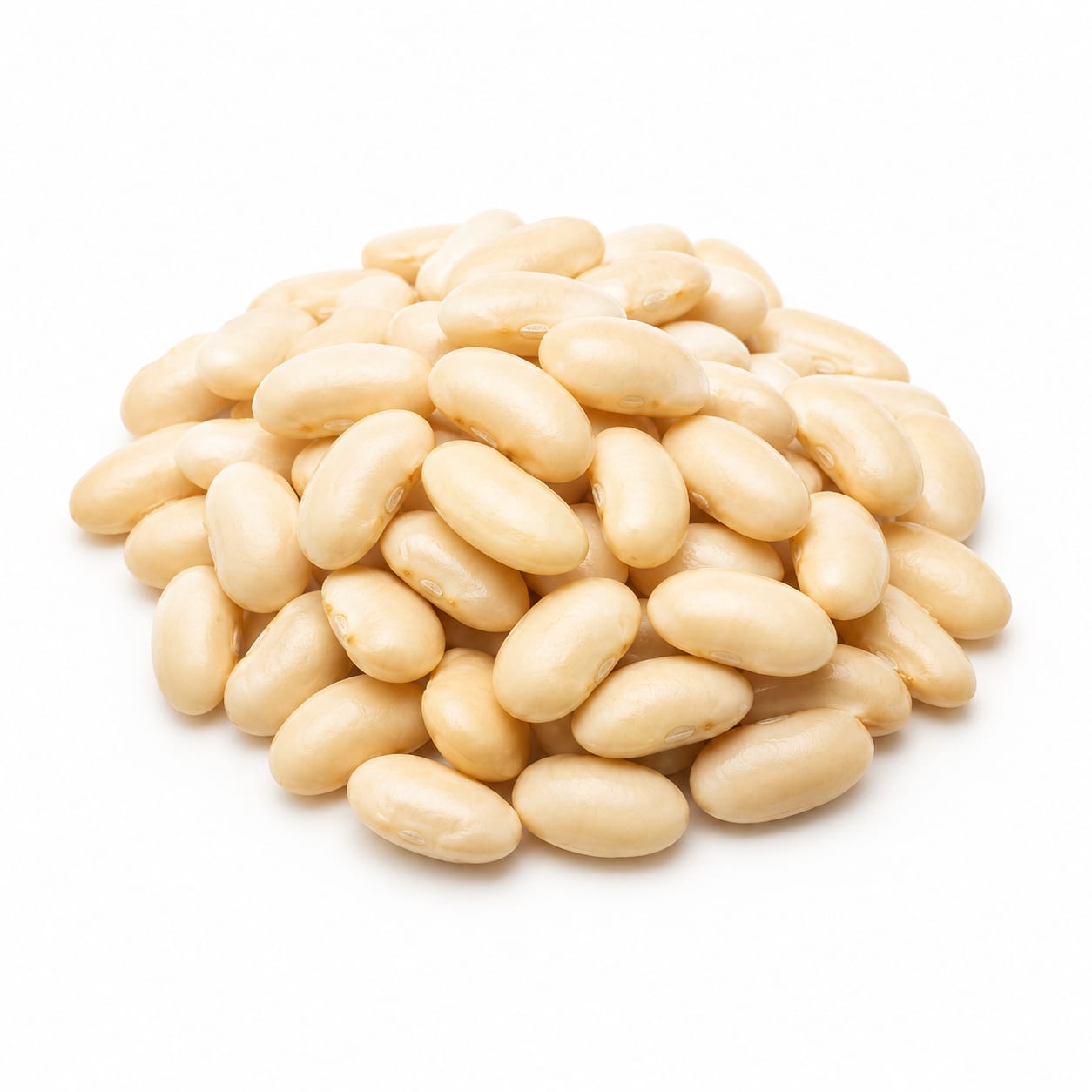
White Bean
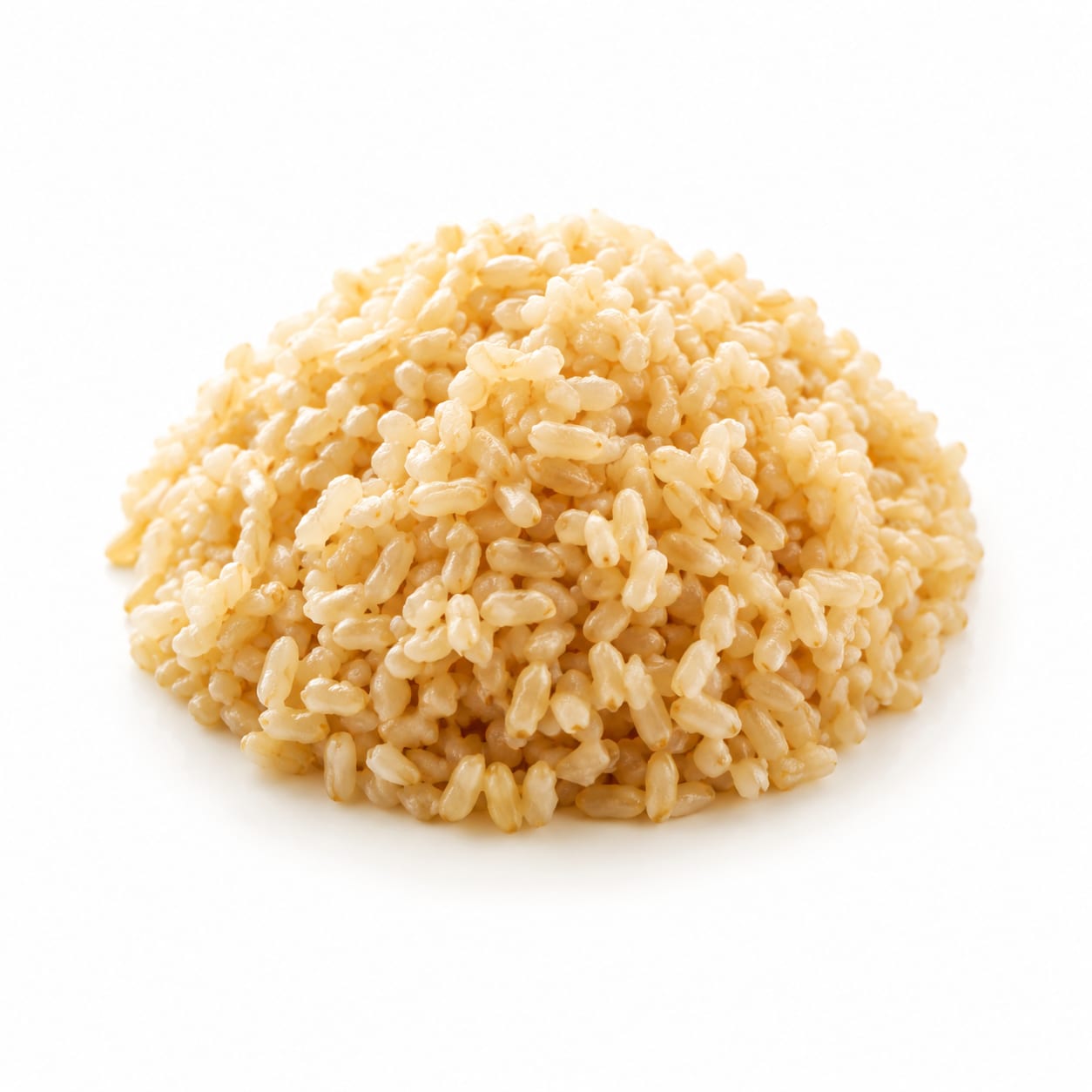
Brown rice
White beans offer far more protein, fiber, and micronutrients, making them the nutritional winner, but brown rice is easier to digest and serves as a more versatile carb base.
White beans score higher due to superior protein, fiber, and micronutrient density, but brown rice remains a solid, gut-friendly whole grain.
You trade digestive comfort and simplicity for a massive boost in protein, iron, and satiety when choosing white beans over brown rice.
At a glance
Executive summary
Overall
White Bean
Healthier
White Bean
More practical
Brown rice
Daily use
It depends
Key comparison lenses
Plant-based protein vs carbohydrate staple
Users often compare legumes and grains to decide their primary energy or protein source, especially in plant-based diets.
Blood sugar management
Both are staple carbs, but they impact blood sugar very differently due to fiber type and protein content.
Digestive tolerance and gut comfort
Beans are notorious for causing bloating, while brown rice is generally well-tolerated and soothing.
Heavy metal and contamination risk
Brown rice carries a well-known arsenic risk, which is a major long-term health concern for daily consumers.
Best choice for
White Bean
- Plant-based eaters needing protein
- People managing diabetes or blood sugar spikes
- Those trying to lose weight while staying full
Brown rice
- People with sensitive stomachs or IBS
- Athletes needing simple carb fueling
- Those looking for an easy-to-digest meal base
Least suitable for
White Bean
- People with severe bloating or FODMAP sensitivities
- Those wanting a light pre-workout meal
Brown rice
- People needing high protein intake without supplements
- Those strictly managing blood sugar spikes
Deep comparison
Dimension by dimension
Each lens scores both foods and breaks down who each option suits.
- Dimension 1 · Priority 95White Bean
Satiety and Fullness
White Bean · 92Brown rice · 65White beans keep you full for hours thanks to a powerful combo of protein and fiber.
Tradeoff
That fullness can feel heavy or bloating if you eat too large a portion.
Why it matters
Staying full longer prevents mindless snacking and helps naturally control calorie intake.
Real-world impact
A white bean lunch will likely carry you straight to dinner without a 3pm crash, while brown rice might leave you hunting for a snack.
White Bean
- Weight management
- Reducing between-meal snacking
Better for
- Feeling sluggish after a heavy meal
Worse for
Brown rice
- Lighter meals
- Eating before physical activity
Better for
- Getting hungry again quickly
Worse for
- Dimension 2 · Priority 90White Bean
Blood Sugar Stability
White Bean · 88Brown rice · 62White beans have a much lower glycemic load, causing a slower, steadier rise in blood sugar.
Tradeoff
Brown rice is still better than white rice, but it hits blood sugar harder than beans.
Why it matters
Steady blood sugar means fewer energy crashes and better long-term metabolic health.
Real-world impact
If you fall asleep after lunch, swapping brown rice for white beans might fix your afternoon energy slump.
White Bean
- Diabetics
- Avoiding the afternoon crash
Better for
- Situations requiring quick energy
Worse for
Brown rice
- Post-workout carb replenishment
Better for
- Insulin resistance management
Worse for
- Dimension 3 · Priority 85Brown rice
Digestive Comfort
White Bean · 45Brown rice · 85Brown rice is gentle and well-tolerated, while white beans can cause significant gas and bloating.
Tradeoff
Beans are far higher in gut-healthy fiber, but the adjustment period can be uncomfortable.
Why it matters
Chronic bloating makes healthy eating miserable, no matter how nutritious the food is.
Real-world impact
If you have a sensitive stomach or a date night, brown rice is the safer bet to avoid awkward bloating.
White Bean
- Feeding beneficial gut bacteria long-term
Better for
- IBS flare-ups
- Social discomfort from gas
Worse for
Brown rice
- Sensitive stomachs
- Low-FODMAP diet phases
Better for
- Constipation if not drinking enough water
Worse for
- Dimension 4 · Priority 80White Bean
Protein and Muscle Support
White Bean · 90Brown rice · 35White beans deliver impressive plant protein, while brown rice is primarily a carbohydrate source.
Tradeoff
You would need to eat a massive amount of brown rice to get the protein found in a normal serving of beans.
Why it matters
Getting enough protein is crucial for maintaining muscle, especially as you age or diet.
Real-world impact
A bowl of white beans easily hits 15g of protein, making it a legitimate meal base; brown rice cannot do that alone.
White Bean
- Vegans and vegetarians
- Older adults preventing muscle loss
Better for
- Complete protein needs (needs pairing with grains)
Worse for
Brown rice
- Carb-loading for endurance sports
Better for
- Meeting daily protein targets
Worse for
- Dimension 5 · Priority 75White Bean
Food Safety and Contaminants
White Bean · 80Brown rice · 55Brown rice is known for accumulating arsenic, while white beans carry a lower toxic load but can be high in sodium if canned.
Tradeoff
Arsenic in brown rice is a long-term risk, whereas canned bean sodium is an easily fixed short-term issue.
Why it matters
Daily consumption of arsenic-contaminated rice can affect heart health and cancer risk over decades.
Real-world impact
Rinsing canned beans removes about 40% of the sodium, but you cannot easily wash arsenic out of rice.
White Bean
- Avoiding heavy metals
- Long-term daily consumption safety
Better for
- Sodium spikes from canned varieties
Worse for
Brown rice
- Avoiding BPA from can linings
Better for
- Chronic arsenic exposure
Worse for
Timeline
Health impact over time
Short-term
Hours to days
White Bean
- High satiety and prolonged fullness
- Potential gas and bloating if not accustomed to fiber
- Steady energy without a sugar crash
Brown rice
- Quick, accessible energy for muscles
- Gentle on the digestive tract
- Mild blood sugar rise compared to white rice
Long-term
Months to years
White Bean
- Improved heart health from soluble fiber
- Better blood pressure regulation due to potassium
- Supports healthy gut microbiome
Brown rice
- Provides steady whole-grain benefits
- Risk of arsenic accumulation if overconsumed
- May fall short on protein if relied on as a primary staple
Risk profile
Safety & processing
Both are whole foods in their dry form. Canned white beans are processed but not ultra-processed, though they often contain added salt.
White Bean
Sodium from canning
mediumCanned white beans can pack a third of your daily sodium if you don't rinse them.
Undercooking toxicity
lowRaw or undercooked white beans contain phytohemagglutinin, which can cause nausea, but proper cooking destroys it.
Brown rice
Arsenic contamination
highBrown rice naturally accumulates inorganic arsenic from soil and water, posing long-term health risks if eaten daily in large amounts.
Who wins for whom
Audience fit
Same foods, different winners depending on your goal.
children
Brown riceBrown rice is easier for kids to digest and less likely to cause uncomfortable gas or tummy aches.
daily consumption
It dependsWhite beans are better nutritionally, but daily brown rice is safer for digestion; rotating both is the healthiest approach.
diabetes
White BeanWhite beans have a significantly lower glycemic index and higher fiber, preventing dangerous blood sugar spikes.
elderly
Brown riceElderly individuals often have reduced digestive capacity; brown rice is gentler and easier to chew and process.
muscle gain
White BeanWhite beans provide essential protein and iron needed for muscle repair, while brown rice offers mostly carbs.
weight loss
White BeanThe high protein and fiber in white beans naturally curb appetite and reduce overall calorie intake.
Your move
Decision guide
Choose White Bean
- You need more plant-based protein in your diet
- You struggle with blood sugar crashes after meals
- You want to feel full for hours on fewer calories
Choose Brown rice
- You have a sensitive stomach or are prone to bloating
- You need a digestible carb source before or after a workout
- You are meal-prepping for a family with mixed digestive tolerances
Either works if
- You are building a healthy grain-and-bean bowl
- You want to rotate foods to avoid arsenic buildup from rice or gas from beans
Avoid both if
- You are on a strict very-low-carb or keto diet
Final recommendation
Make white beans your primary staple for the protein and satiety benefits, but rotate in brown rice a few times a week to give your gut a break and add variety. Always rinse canned beans and cook brown rice like pasta to reduce arsenic.
Practical
Consumer tips
- 1
Rinse canned white beans thoroughly under running water to wash away up to 40% of the sodium.
- 2
Cook brown rice in excess water and drain it, which can cut arsenic levels by up to 50%.
- 3
Soak dry white beans overnight and discard the water to significantly reduce gas-causing compounds.
- 4
Pair white beans with a whole grain to form a complete protein profile.
- 5
Introduce white beans slowly into your diet over a few weeks to let your gut adjust to the fiber.