
Nutrition comparison
Whipping Cream vs Whole Milk: Which Is Healthier for Daily Use?
Compare Whipping Cream and Whole Milk on calories, fat, protein, and daily practicality. Find out which dairy choice is better for weight loss, heart health, and everyday nutrition.
Overall winner · Whole Milk
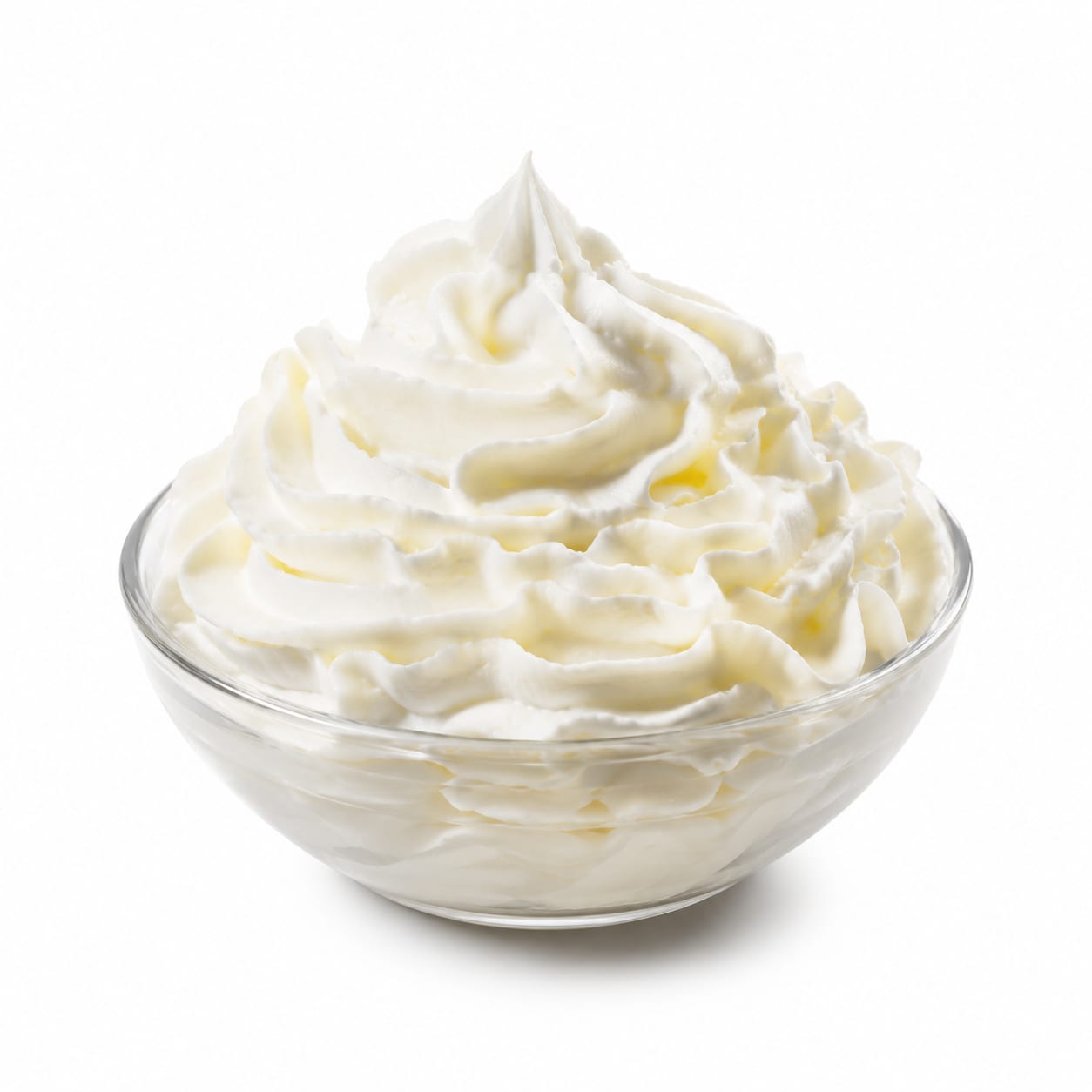
Whipping Cream
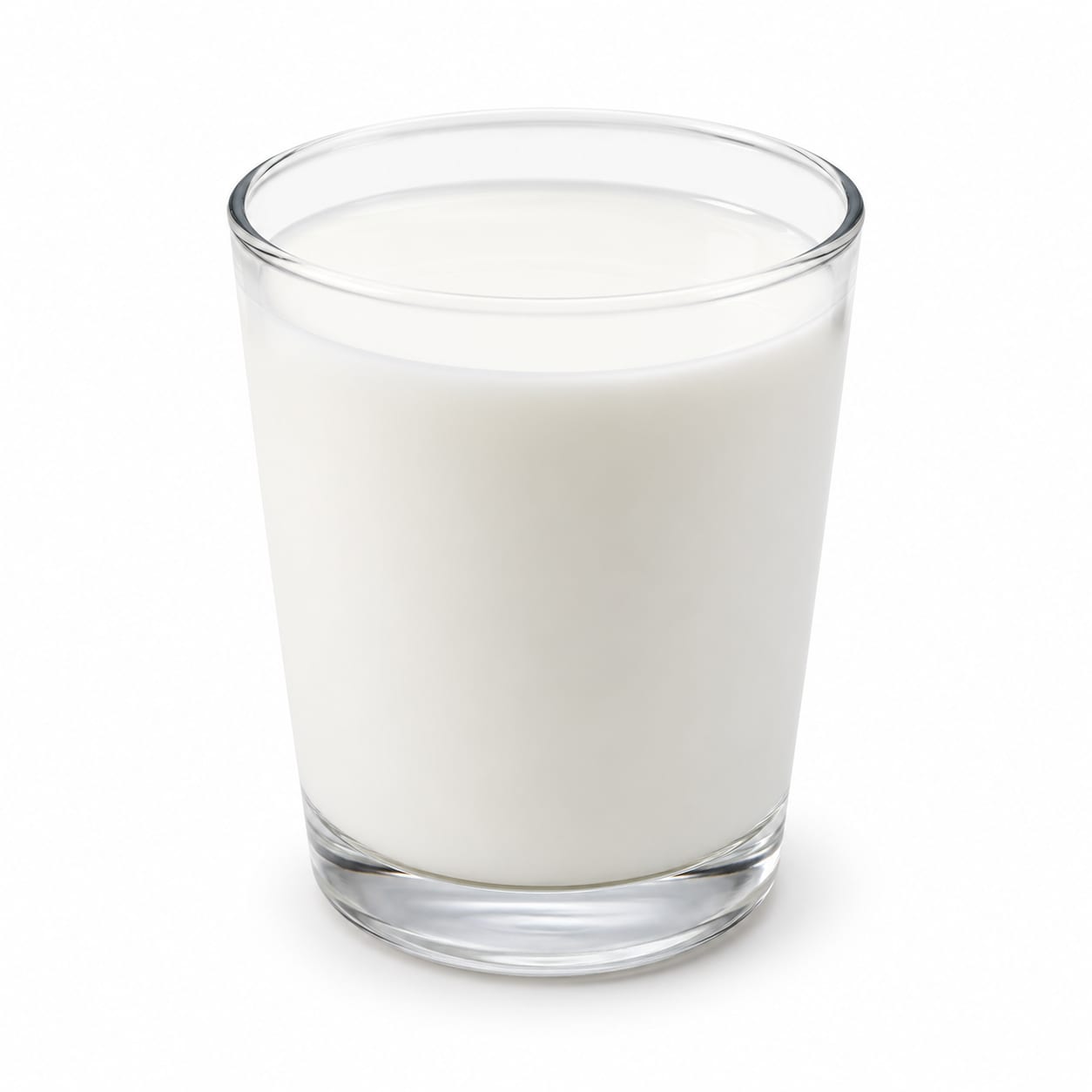
Whole Milk
Whole Milk wins for everyday nutrition — it delivers protein, hydration, and balanced macros in a drinkable form. Whipping Cream is a culinary tool, not a daily staple.
Whole Milk scores significantly higher because it offers balanced nutrition, drinkability, and daily practicality. Whipping Cream is not designed as a standalone food — its extreme calorie density and low protein make it a poor daily choice despite its culinary value.
Whipping Cream gives richness and flavor intensity but at extreme calorie and saturated fat cost. Whole Milk sacrifices that indulgence for nutritional balance and practicality.
At a glance
Executive summary
Overall
Whole Milk
Healthier
Whole Milk
More practical
Whole Milk
Daily use
Whole Milk
Key comparison lenses
calorie density and portion control
Whipping Cream packs over 5 times the calories per cup compared to Whole Milk, making portion awareness critical
daily drinkability and hydration
Whole Milk is a staple beverage while Whipping Cream is rarely consumed as a drink due to its heaviness
saturated fat and heart health
Both are dairy fats but Whipping Cream delivers a concentrated saturated fat load that matters for cardiovascular risk
protein and nutritional balance
Whole Milk provides meaningful protein alongside fat and carbs, while Whipping Cream is almost entirely fat
cooking and recipe utility
Users often choose between these for recipes, where function and health tradeoffs intersect
Best choice for
Whipping Cream
- Making rich desserts and sauces
- Keto or very low-carb diets in measured amounts
- Adding calorie density for weight gain
- Creating indulgent textures in cooking
Whole Milk
- Daily drinking and cereal pairing
- Balanced nutrition with protein and calcium
- Post-workout recovery with carbs and protein
- Families needing an affordable staple dairy
Least suitable for
Whipping Cream
- Anyone watching calories or heart health
- Daily beverage consumption
- People with saturated fat concerns
- Weight loss diets
Whole Milk
- Strict keto dieters avoiding lactose carbs
- Those needing maximum calorie efficiency for weight gain
- Recipes requiring thick, rich texture
Deep comparison
Dimension by dimension
Each lens scores both foods and breaks down who each option suits.
- Dimension 1 · Priority 95Whole Milk
calorie density and weight management
Whipping Cream · 18Whole Milk · 72Whipping Cream delivers roughly 400 calories per half-cup, while Whole Milk provides about 75 calories for the same volume. The difference is enormous for anyone managing weight.
Tradeoff
Whipping Cream satisfies with small amounts but makes overconsumption dangerously easy. Whole Milk lets you consume a satisfying volume without calorie overload.
Why it matters
Calorie density is the single strongest predictor of unintentional weight gain. Foods that pack hundreds of calories into small portions quietly undermine portion control.
Real-world impact
Adding Whipping Cream to coffee instead of Whole Milk can add 100+ extra calories per cup without making you feel any fuller.
Whipping Cream
- Weight gain when extra calories are needed
- Small indulgences that feel luxurious
Better for
- Portion control is nearly impossible
- Calories add up before you feel full
Worse for
Whole Milk
- Weight maintenance and loss
- Drinking without calorie anxiety
- Volume eating strategies
Better for
- Not calorie-dense enough for rapid weight gain
Worse for
- Dimension 2 · Priority 88Whole Milk
saturated fat and heart health
Whipping Cream · 22Whole Milk · 62Whipping Cream contains about 10 times the saturated fat per serving compared to Whole Milk. That concentrated load matters for cholesterol and cardiovascular risk.
Tradeoff
The fat in Whipping Cream creates incredible mouthfeel and flavor, but it comes with a meaningful heart health cost if used regularly. Whole Milk still has saturated fat but at a manageable level.
Why it matters
Consistent high saturated fat intake raises LDL cholesterol more than most people realize, and the effect compounds over years of daily habits.
Real-world impact
Using Whipping Cream daily in coffee could add 20+ grams of saturated fat to your intake — close to or exceeding the recommended daily limit by itself.
Whipping Cream
- Keto dieters who track all macros carefully
Better for
- Daily use pushes saturated fat well beyond healthy limits
- LDL cholesterol concerns with regular consumption
Worse for
Whole Milk
- Heart-conscious eaters
- People with family history of cardiovascular disease
- Anyone trying to moderate saturated fat without eliminating dairy
Better for
- Still contains saturated fat, so not ideal for strict low-fat diets
Worse for
- Dimension 3 · Priority 82Whole Milk
protein and nutritional balance
Whipping Cream · 25Whole Milk · 78Whole Milk provides about 8 grams of protein per cup along with carbs for energy. Whipping Cream offers minimal protein at roughly 2 grams per cup and almost zero carbs.
Tradeoff
Whole Milk functions as a mini-meal with balanced macros. Whipping Cream is essentially pure fat with trace protein — nutritionally incomplete on its own.
Why it matters
Protein matters for satiety, muscle maintenance, and blood sugar stability. A dairy product that lacks protein is missing one of dairy's core nutritional benefits.
Real-world impact
A glass of Whole Milk after a workout gives you protein and carbs for recovery. Whipping Cream gives you neither in meaningful amounts.
Whipping Cream
- Situations where fat-only energy is desired
Better for
- Does not support muscle maintenance
- Nutritionally one-dimensional
Worse for
Whole Milk
- Post-workout nutrition
- Growing children needing complete nutrition
- Breakfast pairing for sustained energy
- Anyone wanting dairy to actually nourish, not just flavor
Better for
- Not a high-protein food compared to Greek yogurt or cottage cheese
Worse for
- Dimension 4 · Priority 80Whole Milk
hydration and drinkability
Whipping Cream · 10Whole Milk · 85Whole Milk is roughly 87% water and is genuinely thirst-quenching. Whipping Cream is too thick and rich to drink more than a splash.
Tradeoff
Whole Milk doubles as a hydrating beverage. Whipping Cream is essentially a condiment — you would never drink a glass of it.
Why it matters
Beverages that hydrate while providing nutrition are rare and valuable. Whole Milk is one of the few drinks that nourishes and hydrates simultaneously.
Real-world impact
On a hot day or after exercise, Whole Milk refreshes and replenishes. Whipping Cream would feel heavy and unpleasant in the same scenario.
Whipping Cream
- Adding richness to beverages in tiny amounts
Better for
- Not drinkable in meaningful quantities
- Dehydrating effect from extreme fat content in large amounts
Worse for
Whole Milk
- Standalone refreshing drink
- Hydration with nutritional benefits
- Smoothie base that adds liquid volume
Better for
- Not as satisfying for people who want rich, thick textures
Worse for
- Dimension 5 · Priority 75Whipping Cream
cooking and culinary versatility
Whipping Cream · 88Whole Milk · 65Whipping Cream transforms dishes with richness, body, and luxurious texture that Whole Milk simply cannot replicate. From whipped toppings to pan sauces, it is irreplaceable in the kitchen.
Tradeoff
Whipping Cream elevates recipes but makes them significantly heavier. Whole Milk works as a lighter substitute but sacrifices the velvety finish that makes dishes memorable.
Why it matters
For home cooks deciding what to keep stocked, Whipping Cream opens up recipe possibilities that Whole Milk cannot cover.
Real-world impact
Alfredo sauce with Whipping Cream is silky and indulgent. With Whole Milk, it becomes thin and watery unless thickened with flour or cheese.
Whipping Cream
- Making whipped cream for desserts
- Creating rich pan sauces and gravies
- Baking recipes requiring fat for texture
- Any dish where mouthfeel matters most
Better for
- Makes everyday dishes unnecessarily heavy
- Not a good substitute in recipes calling for milk
Worse for
Whole Milk
- Everyday cooking like oatmeal and smoothies
- Lighter sauces for weeknight meals
- Baking where less fat is acceptable
Better for
- Cannot achieve whipped texture
- Sauces may break or thin out
Worse for
- Dimension 6 · Priority 70Whipping Cream
blood sugar stability
Whipping Cream · 80Whole Milk · 55Whipping Cream has almost zero carbs and will not spike blood sugar at all. Whole Milk contains lactose, a natural sugar that causes a moderate glucose response.
Tradeoff
For diabetics and low-carb eaters, Whipping Cream is the safer choice for blood sugar. But its extreme calorie cost means you are trading one metabolic concern for another.
Why it matters
Blood sugar spikes from lactose are modest but real, especially for insulin-resistant individuals who need to minimize all glucose fluctuations.
Real-world impact
Adding Whipping Cream to coffee keeps blood sugar flat. A glass of Whole Milk raises it slightly — not dangerous for most people, but relevant for diabetics.
Whipping Cream
- Diabetics managing blood sugar
- Low-carb and keto diets
- Evening consumption when glucose control matters most
Better for
- Calorie load creates its own metabolic burden over time
Worse for
Whole Milk
- Post-workout when some carbs aid recovery
- Active people who handle lactose well
Better for
- Lactose can spike blood sugar in sensitive individuals
- Not ideal for strict low-carb protocols
Worse for
- Dimension 7 · Priority 65It depends
digestive tolerance
Whipping Cream · 55Whole Milk · 55Both contain lactose, but Whipping Cream has slightly less per serving. However, high fat content can slow digestion and cause discomfort in some people.
Tradeoff
Whipping Cream may bother those sensitive to high-fat meals. Whole Milk may bother those with lactose intolerance. Neither is ideal for sensitive digestion.
Why it matters
Dairy tolerance varies wildly between individuals, and the specific issue — fat intolerance versus lactose intolerance — determines which is better tolerated.
Real-world impact
Someone with lactose intolerance might handle a splash of Whipping Cream better than a glass of Whole Milk. Someone with gallbladder issues would have the opposite experience.
Whipping Cream
- Mild lactose sensitivity since portions are tiny
- Low-volume use minimizes dairy exposure
Better for
- High fat can trigger gallbladder discomfort
- Greasy feeling that lingers
Worse for
Whole Milk
- Normal fat digestion without gallbladder concerns
- Lactose-tolerant individuals
Better for
- More lactose per typical serving
- Can cause bloating in lactose-sensitive people
Worse for
Timeline
Health impact over time
Short-term
Hours to days
Whipping Cream
- Quick feeling of fullness from fat content
- Potential sluggishness after consuming large amounts
- Stable blood sugar with minimal glucose impact
- Possible digestive heaviness or greasy aftertaste
Whole Milk
- Mild blood sugar rise from lactose within 30 minutes
- Comforting and satisfying as a beverage
- Moderate satiety from protein and fat combination
- Hydrating effect with nutritional benefits
Long-term
Months to years
Whipping Cream
- Regular use significantly increases saturated fat intake and LDL cholesterol risk
- Easy calorie surplus leading to gradual weight gain if not carefully measured
- Minimal contribution to muscle maintenance due to low protein
- Potential cardiovascular concerns with daily consumption
Whole Milk
- Supports bone density through calcium and vitamin D when fortified
- Moderate saturated fat intake that fits within most dietary guidelines
- Protein supports muscle maintenance across lifespan
- Consistent hydration and nutritional contribution to daily diet
Risk profile
Safety & processing
Both Whipping Cream and Whole Milk are minimally processed dairy products. Whipping Cream is simply the higher-fat layer skimmed from milk, and Whole Milk is pasteurized milk with its natural fat content retained. Neither typically contains additives, though some Whipping Cream brands add stabilizers like carrageenan to maintain whipping structure.
Whipping Cream
spoilage and bacterial growth
mediumWhipping Cream spoils faster than Whole Milk once opened due to higher fat content which can oxidize and turn rancid. Always check for sour smell or thickening.
additives in some brands
lowSome commercial Whipping Creams contain carrageenan, polysorbates, or other stabilizers. Check labels if you want pure cream.
Whole Milk
listeria in unpasteurized milk
highRaw Whole Milk carries a real risk of listeria, E. coli, and other pathogens. Pasteurized milk is safe for most consumers.
antibiotic and hormone residues
lowConventional Whole Milk may contain trace antibiotic or hormone residues. Organic options reduce this concern significantly.
Who wins for whom
Audience fit
Same foods, different winners depending on your goal.
children
Whole MilkGrowing kids need balanced nutrition including protein, calcium, and energy. Whole Milk provides all three in a drinkable, kid-friendly form.
daily consumption
Whole MilkWhole Milk is designed for daily drinking. Whipping Cream is a specialty ingredient meant for occasional use.
diabetes
Whipping CreamWhipping Cream has negligible carbs and will not spike blood sugar, making it the safer choice for glucose control — as long as portions stay small.
elderly
Whole MilkOlder adults benefit from Whole Milk's protein for muscle preservation and calcium for bone health, without the cardiovascular burden of heavy cream.
muscle gain
Whole MilkWhole Milk delivers protein and carbs that support muscle recovery, while Whipping Cream offers almost no protein for building.
weight loss
Whole MilkWhole Milk provides satisfying volume and protein at a fraction of the calories, making it far easier to fit into a calorie deficit.
Your move
Decision guide
Choose Whipping Cream
- You are making a recipe that specifically requires cream for texture or richness
- You follow a keto diet and need a low-carb fat source in measured amounts
- You are trying to gain weight and need calorie-dense additions
- You want blood sugar stability and can control your portions carefully
Choose Whole Milk
- You want a daily dairy beverage that nourishes and hydrates
- You care about getting protein, calcium, and balanced nutrition from dairy
- You are watching your weight or saturated fat intake
- You need a versatile staple for drinking, cereal, smoothies, and light cooking
Either works if
- You are adding a splash to coffee and the calorie difference is minimal
- You tolerate dairy well and just need a cooking liquid for a recipe
- You are not calorie-sensitive and enjoy both in moderation
Avoid both if
- You have a dairy allergy or severe lactose intolerance
- You are following a strict vegan diet
- You have been advised to eliminate all animal fats for health reasons
Final recommendation
Keep Whole Milk as your everyday dairy and treat Whipping Cream as a special-occasion ingredient. Whole Milk gives you balanced nutrition, hydration, and protein in every glass. Whipping Cream delivers incredible richness but at a steep calorie and saturated fat cost that makes it unsustainable as a daily choice. Use Whipping Cream deliberately in recipes where it matters, and reach for Whole Milk the rest of the time.
Practical
Consumer tips
- 1
Measure Whipping Cream — pouring freely can add hundreds of calories before you notice
- 2
A single tablespoon of Whipping Cream in coffee adds about 50 calories, while a splash of Whole Milk adds roughly 10
- 3
Look for Whipping Cream without carrageenan or stabilizers if you want the cleanest ingredient list
- 4
Organic Whole Milk reduces exposure to antibiotic and hormone residues without changing the nutritional profile significantly
- 5
If you love creaminess in daily coffee, try half-and-half as a middle ground — half the fat of Whipping Cream with more drinkability
- 6
Whipping Cream can be frozen for later use in cooking if you cannot finish it before it spoils
- 7
For lighter cooking, thin Whipping Cream with water to approximate Whole Milk in a pinch