
Nutrition comparison
Whipping Cream vs Whipped Topping: Which Is Actually Better for You?
Compare whipping cream and whipped topping on ingredients, health impact, taste, and convenience. Learn why real cream wins on quality and whipped topping trades everything for convenience.
Overall winner · Whipping Cream
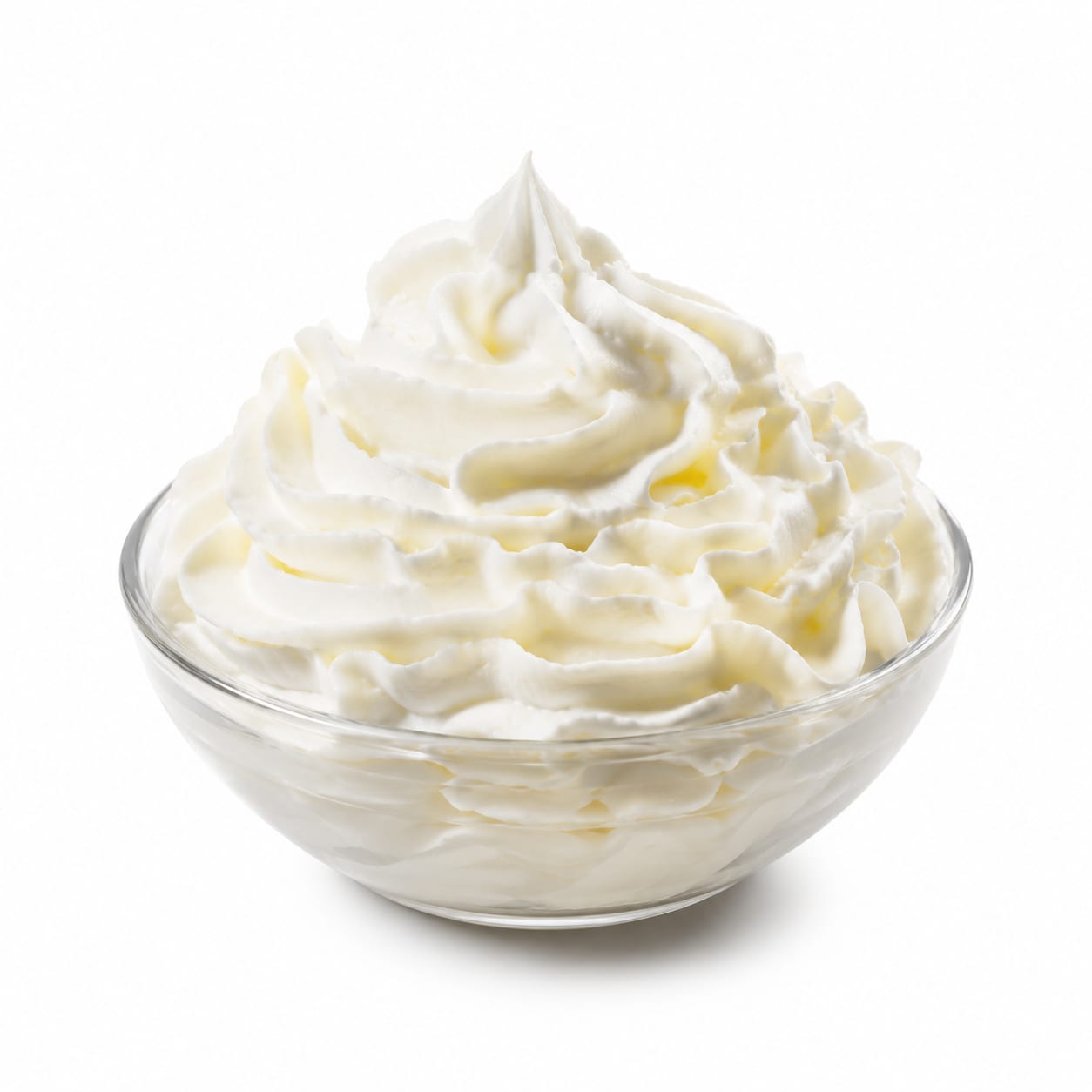
Whipping Cream
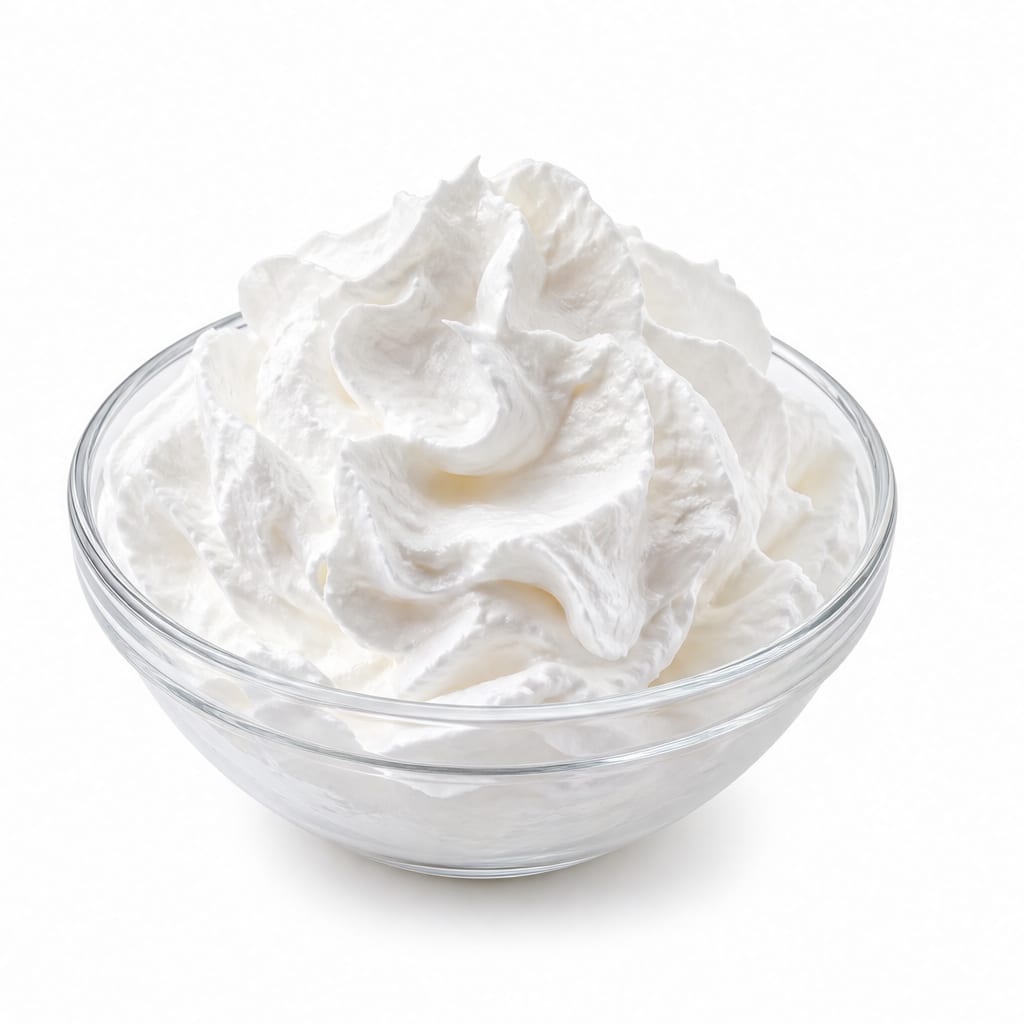
Whipped Topping
Whipping cream wins on ingredient integrity and taste, while whipped topping trades quality for convenience and shelf stability.
Whipping cream scores significantly higher due to minimal processing, clean ingredients, and superior fat quality despite higher saturated fat content. Whipped topping loses heavily on ingredient integrity and processing concerns, with its convenience advantages not offsetting the additive load.
Real dairy fat and clean ingredients versus lower calories and ready-to-spread convenience with a long additive list.
At a glance
Executive summary
Overall
Whipping Cream
Healthier
Whipping Cream
More practical
Whipped Topping
Daily use
It depends
Key comparison lenses
ingredient integrity
Whipping cream is a single-ingredient dairy product while whipped topping contains multiple additives, emulsifiers, and artificial ingredients — this is the core decision driver
fat quality debate
Users are often torn between natural saturated fat in whipping cream versus the processed oils and potential trans fats in whipped topping
convenience vs quality
Whipped topping offers ready-to-use convenience and longer shelf life, while whipping cream requires preparation but delivers superior taste and texture
long term health tradeoffs
Regular consumption of ultra-processed whipped topping versus moderate use of real cream presents different health trajectories
calorie conscious decisions
Whipped topping markets itself as a lighter option, but the calorie savings come with significant ingredient compromises
Best choice for
Whipping Cream
- People who prioritize real, recognizable ingredients
- Home bakers wanting authentic flavor and texture
- Those following low-carb or keto diets
- Anyone avoiding ultra-processed foods
- Families serving dessert to children occasionally
Whipped Topping
- Large gatherings where convenience matters most
- People who need a shelf-stable topping for infrequent use
- Those strictly counting calories who accept the ingredient tradeoff
- Vegans avoiding all dairy (specifically non-dairy whipped topping)
Least suitable for
Whipping Cream
- People with severe dairy allergies or lactose intolerance
- Those on strict low-fat diets prescribed by a doctor
- Anyone needing a shelf-stable pantry item for months
Whipped Topping
- People avoiding ultra-processed foods and artificial additives
- Children when parents prioritize clean ingredients
- Anyone with sensitivities to emulsifiers or artificial flavors
- Those concerned about inflammatory oils and hydrogenated fats
Deep comparison
Dimension by dimension
Each lens scores both foods and breaks down who each option suits.
- Dimension 1 · Priority 95Whipping Cream
Ingredient Simplicity
Whipping Cream · 95Whipped Topping · 15Whipping cream is simply cream from milk. Whipped topping typically contains water, hydrogenated oils, corn syrup, emulsifiers, stabilizers, and artificial flavors.
Tradeoff
You gain a longer shelf life and lower cost with whipped topping but sacrifice ingredient transparency entirely.
Why it matters
Simpler ingredient lists generally mean fewer unknowns entering your body and less inflammatory burden over time.
Real-world impact
Reading the back of a whipped topping container feels like a chemistry experiment, while whipping cream has one recognizable word.
Whipping Cream
- Clean eating advocates
- Parents reading labels for their kids
- Anyone with multiple food sensitivities
Better for
- Situations requiring months of unrefrigerated storage
Worse for
Whipped Topping
- People who never read ingredient labels
- Those who only care about taste and convenience
Better for
- Anyone trying to reduce ultra-processed food intake
- People with sensitivities to polysorbate 60 or similar emulsifiers
Worse for
- Dimension 2 · Priority 90Whipping Cream
Fat Quality
Whipping Cream · 70Whipped Topping · 30Whipping cream contains natural saturated dairy fat with some beneficial fat-soluble vitamins. Whipped topping uses hydrogenated vegetable oils that may contain trace trans fats and are highly inflammatory.
Tradeoff
Natural saturated fat from dairy has a different metabolic impact than industrial hydrogenated oils, even though both are high-fat products.
Why it matters
The source and processing of fat matters more than the total fat content for long-term health outcomes.
Real-world impact
Your body recognizes and metabolizes dairy fat differently than it processes industrially modified vegetable oils with emulsifiers.
Whipping Cream
- People concerned about inflammatory oils
- Those who tolerate dairy well
- Keto and low-carb dieters seeking quality fat sources
Better for
- People with severe hypercholesterolemia under medical supervision
Worse for
Whipped Topping
- People with dairy fat intolerance who still want a creamy topping
- Those on strict low-saturated-fat diets (though the tradeoff is questionable)
Better for
- Anyone monitoring inflammatory marker levels
- People avoiding hydrogenated or partially hydrogenated oils
Worse for
- Dimension 3 · Priority 70Whipped Topping
Calorie and Macronutrient Profile
Whipping Cream · 35Whipped Topping · 55Whipped topping has roughly half the calories per serving compared to whipped cream, but achieves this through water content, air incorporation, and cheaper filler ingredients.
Tradeoff
Lower calories come with lower satiety and less nutritional value per bite — you may eat more to feel satisfied.
Why it matters
Calorie reduction only helps if it does not come at the cost of increased hunger, cravings, or metabolic disruption from additives.
Real-world impact
A dollop of real whipped cream is deeply satisfying and you naturally stop sooner. Whipped topping can feel like eating sweet air, leading to bigger portions.
Whipping Cream
- People who find high-fat foods naturally satiating
- Low-carb dieters who count carbs not calories
Better for
- Those on medically prescribed low-calorie diets
Worse for
Whipped Topping
- Strict calorie counters who prioritize numbers over ingredient quality
- Large portion eaters who cannot moderate serving sizes
Better for
- People prone to overeating because the product never feels satisfying
Worse for
- Dimension 4 · Priority 75Whipped Topping
Convenience and Practicality
Whipping Cream · 45Whipped Topping · 85Whipped topping is ready to spread straight from the tub and lasts months in the freezer. Whipping cream requires chilling, whipping, and careful timing to reach the right consistency.
Tradeoff
The effort of whipping cream rewards you with dramatically better flavor and texture, but it requires planning and active preparation.
Why it matters
Convenience often wins in real life, especially for busy households or spontaneous dessert situations.
Real-world impact
At 10pm on a Tuesday when you want pie à la mode, frozen whipped topping is ready. Whipping cream means 15 minutes of work and cleanup.
Whipping Cream
- Home bakers who enjoy the process
- Special occasions where quality matters more than speed
- People with stand mixers who find whipping effortless
Better for
- Last-minute dessert emergencies
- People without mixing equipment
Worse for
Whipped Topping
- Weeknight desserts with zero prep time
- Potlucks and large gatherings where make-ahead matters
- Infrequent dessert makers who need pantry stability
Better for
- Culinary situations where texture and flavor are critical
Worse for
- Dimension 5 · Priority 80Whipping Cream
Taste and Culinary Performance
Whipping Cream · 92Whipped Topping · 40Real whipped cream delivers rich, clean dairy flavor with a luxurious mouthfeel that melts naturally. Whipped topping tastes sweet and artificial with a waxy, slightly gummy texture.
Tradeoff
Whipped topping holds its shape for hours on a buffet table, while real whipped cream can weep and deflate — but the flavor gap is enormous.
Why it matters
Taste satisfaction determines whether a small portion feels like enough or whether you keep going back for more.
Real-world impact
One spoonful of real whipped cream on pie feels like a complete experience. Whipped topping often leaves you reaching for another dollop chasing satisfaction.
Whipping Cream
- Dessert lovers who want quality over quantity
- Holiday meals where the topping should elevate the dish
- Coffee drinkers who add cream to hot drinks
Better for
- Decorative applications requiring long structural stability
Worse for
Whipped Topping
- Decorative piping on cakes that must hold shape for hours
- Outdoor summer events where refrigeration is limited
Better for
- Tasting menus or any context where flavor quality matters
Worse for
- Dimension 6 · Priority 88Whipping Cream
Additive and Preservative Load
Whipping Cream · 95Whipped Topping · 10Whipping cream contains zero additives. Whipped topping typically includes polysorbate 60, sorbitan monostearate, sodium benzoate, artificial flavors, and sometimes artificial colors.
Tradeoff
These additives enable shelf stability and texture consistency but may disrupt gut health and have unknown long-term effects when consumed regularly.
Why it matters
Emulsifiers like polysorbate 60 have been shown in research to potentially damage the gut lining and promote inflammation with frequent consumption.
Real-world impact
Eating whipped topping occasionally at a party is unlikely to harm you. Making it a weekly habit introduces a steady stream of industrial additives your body must process.
Whipping Cream
- People with gut health concerns or IBS
- Anyone reducing their cumulative additive exposure
- Those following clean-eating or whole-food philosophies
Better for
- No meaningful downside on additives — there are none
Worse for
Whipped Topping
- Situations where the product sits out for hours and must not separate
Better for
- People with sensitive digestion who react to emulsifiers
- Children whose developing microbiomes may be more vulnerable
Worse for
Timeline
Health impact over time
Short-term
Hours to days
Whipping Cream
- Provides quick satiety from fat content, reducing the urge to overeat
- May cause digestive discomfort in lactose-intolerant individuals
- Delivers fat-soluble vitamins A, D, and K2 in bioavailable forms
- Can feel heavy in large amounts due to high fat density
Whipped Topping
- May trigger mild digestive upset from emulsifiers in sensitive people
- Less satiating, which can lead to consuming larger portions
- Sugar content causes a quicker blood sugar response than plain cream
- Artificial aftertaste may linger and feel cloying
Long-term
Months to years
Whipping Cream
- Moderate saturated fat intake from dairy shows neutral to positive associations in most studies when part of a balanced diet
- Consistent overconsumption can contribute to calorie excess and weight gain
- Dairy fat provides conjugated linoleic acid which may have anti-inflammatory properties
- No cumulative additive burden since there are no additives
Whipped Topping
- Regular consumption of hydrogenated oils may contribute to chronic inflammation
- Frequent emulsifier intake has been linked to gut barrier disruption in emerging research
- Cumulative exposure to artificial flavors and preservatives adds to total body chemical load
- The product normalizes ultra-processed food habits, making whole-food alternatives feel less appealing
Risk profile
Safety & processing
Whipping cream is separated from whole milk — a single mechanical process with nothing added. Whipped topping is an engineered food product built from water, industrial oils, sweeteners, and a cocktail of stabilizers and emulsifiers designed to mimic cream's properties without actually being cream.
Whipping Cream
Spoilage from improper refrigeration
mediumWhipping cream is perishable and can harbor bacteria if left unrefrigerated for more than two hours. Use within a week of opening.
Dairy allergy or lactose intolerance reaction
mediumContains milk proteins and lactose that can trigger reactions in sensitive individuals. Not suitable for those with diagnosed dairy allergies.
Whipped Topping
Trace trans fat from hydrogenated oils
highEven when labels claim zero trans fat, products with hydrogenated oils can contain up to 0.5g per serving. Regular consumption accumulates exposure linked to cardiovascular disease.
Emulsifier-related gut disruption
mediumPolysorbate 60 and similar emulsifiers have been associated with intestinal inflammation and compromised gut barrier function in animal studies, with emerging human evidence.
Artificial flavor and preservative sensitivities
lowSome individuals report headaches or mild reactions to artificial flavors and sodium benzoate, though evidence varies by person.
Who wins for whom
Audience fit
Same foods, different winners depending on your goal.
children
Whipping CreamChildren benefit from real food ingredients and are more vulnerable to the effects of artificial additives. A small amount of real whipped cream is a better occasional treat than a larger portion of additive-laden whipped topping.
daily consumption
It dependsNeither should be a daily staple, but if you regularly use a creamy topping, small amounts of real cream are less concerning than daily exposure to whipped topping's additive load.
diabetes
Whipping CreamUnsweetened whipping cream has virtually zero carbs and will not spike blood sugar. Whipped topping contains corn syrup and sugar, making it a poorer choice for glycemic control.
elderly
Whipping CreamOlder adults often have more sensitive digestion and benefit from nutrient-dense foods. Whipping cream provides absorbable fat-soluble vitamins, while whipped topping's emulsifiers may aggravate digestive issues common in aging.
muscle gain
Whipping CreamNeither food is relevant for muscle gain, but whipping cream at least provides bioavailable fat-soluble vitamins and some protein, while whipped topping offers empty calories with no nutritional building blocks.
weight loss
It dependsWhipped topping has fewer calories per serving but may increase cravings and overeating. Whipping cream is more satiating but calorie-dense. The better choice depends on whether you can practice portion control with real cream.
Your move
Decision guide
Choose Whipping Cream
- You value real ingredients and can pronounce everything on the label
- You are making a special dessert where flavor and texture truly matter
- You follow a low-carb or keto lifestyle and want quality fat without sugar
- You are serving children and want to avoid artificial additives
- You only use whipped topping occasionally and can take 10 minutes to whip cream
Choose Whipped Topping
- You need a topping that survives hours on a buffet table without deflating
- You rarely use whipped toppings and want something that lasts months in the freezer
- You are strictly counting calories and accept the ingredient tradeoff
- You are serving a large crowd and convenience is the top priority
- You have a dairy allergy and the whipped topping is a non-dairy variety
Either works if
- You only use a whipped topping a few times per year for holidays
- Neither product is a significant part of your regular diet
- You are adding a small garnish where the difference is barely noticeable
Avoid both if
- You are on a medically prescribed low-fat diet
- You have severe dairy restrictions and the whipped topping still contains casein
- You are trying to eliminate all dessert toppings as part of a whole-food eating approach
Final recommendation
Use whipping cream whenever you can. The 10 minutes of preparation rewards you with dramatically better flavor, clean ingredients, and a product your body actually recognizes as food. Save whipped topping for rare convenience emergencies, not regular use. If you whip cream often, a simple hand mixer or cream whipper makes the process nearly effortless.
Practical
Consumer tips
- 1
Add a tablespoon of powdered sugar and a splash of vanilla while whipping cream for flavor that far surpasses anything from a tub
- 2
Over-whip slightly and whipping cream turns to butter — stop when soft peaks hold their shape
- 3
A cream whipper (is dispenser) lets you make fresh whipped cream in seconds and store it in the fridge for days
- 4
Freeze leftover whipping cream in ice cube trays for later use in soups or cooking
- 5
If you must buy whipped topping for convenience, check labels for brands that have removed hydrogenated oils — some newer formulations are slightly better
- 6
Whipping cream that is very cold whips faster and holds its shape better — chill the bowl and whisk too
- 7
One cup of heavy cream yields roughly two cups of whipped cream, so a little goes further than you think