
Nutrition comparison
Whipping Cream vs Sweetened Condensed Milk: Which Is Healthier?
Whipping Cream has almost no sugar while Sweetened Condensed Milk is 55% sugar. Compare fat vs sugar calories, health impacts, and best uses for each dairy ingredient.
Overall winner · Whipping Cream
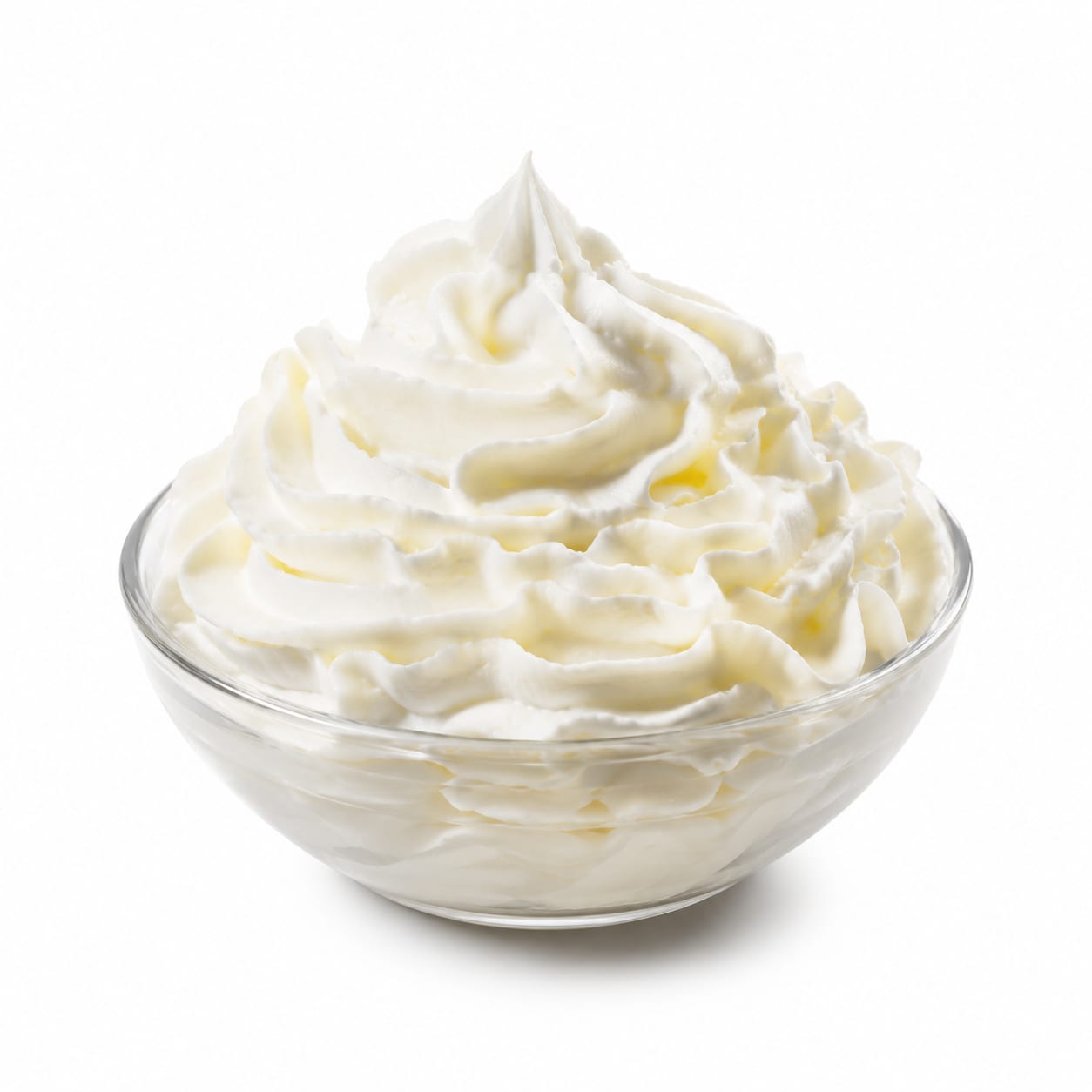
Whipping Cream
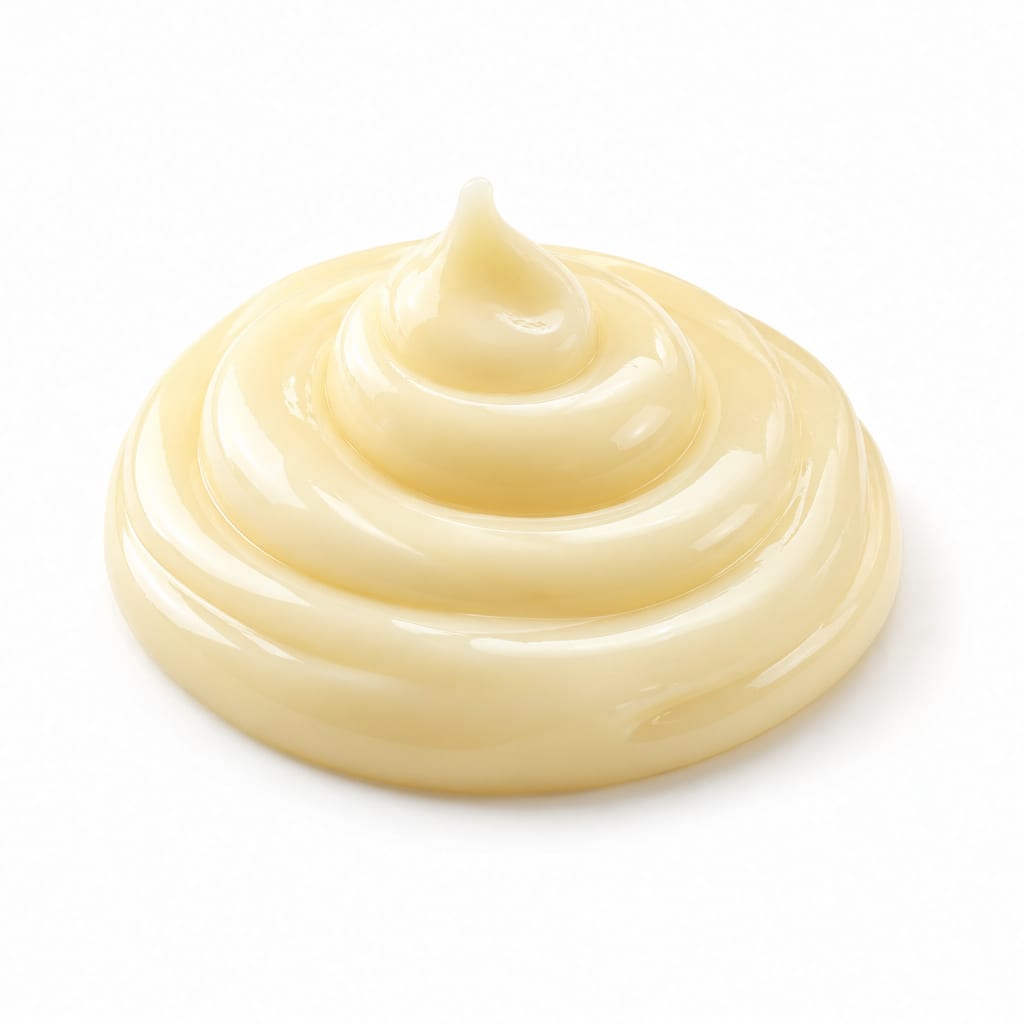
Sweetened Condensed Milk
Whipping Cream wins for most health-conscious uses because it skips the massive sugar hit, though Sweetened Condensed Milk delivers a unique caramel richness that nothing else replicates.
Whipping Cream scores moderately because it is high in saturated fat and calories, but its zero-sugar profile avoids the metabolic damage that drags Sweetened Condensed Milk down significantly.
Fat-heavy and sugar-free versus sugar-heavy with some protein and calcium — you're choosing between two different metabolic loads.
At a glance
Executive summary
Overall
Whipping Cream
Healthier
Whipping Cream
More practical
Sweetened Condensed Milk
Daily use
Whipping Cream
Key comparison lenses
sugar and glycemic impact
Sweetened Condensed Milk is roughly 55% sugar while Whipping Cream has virtually none — this is the defining difference between them
baking and dessert ingredient selection
Both are primarily used in desserts and baking, so users are likely deciding which to use in a recipe
fat vs sugar calorie source tradeoff
Whipping Cream delivers calories almost entirely from fat; Sweetened Condensed Milk delivers them mainly from sugar — a classic fat-vs-sugar decision
blood safety for diabetics and metabolic health
The sugar load in Sweetened Condensed Milk makes it genuinely risky for blood sugar management
processing and additive concerns
Sweetened Condensed Milk is more processed with added sugar; Whipping Cream is closer to its natural state but may contain stabilizers
Best choice for
Whipping Cream
- Low-carb and keto dieters
- People managing blood sugar or diabetes
- Those wanting rich texture without a sugar crash
- Anyone making savory sauces or soups
Sweetened Condensed Milk
- Traditional dessert recipes requiring caramel-like sweetness
- Baking fudge, flan, or no-churn ice cream
- People who want sweetness and dairy in one ingredient
- Adding quick sweetness to coffee or oatmeal
Least suitable for
Whipping Cream
- Lactose-intolerant individuals
- Anyone strictly limiting saturated fat
- Vegans and dairy-avoidant eaters
- Recipes requiring built-in sweetness
Sweetened Condensed Milk
- Diabetics and insulin-resistant individuals
- Low-carb or keto followers
- Anyone reducing added sugar intake
- Children prone to sugar hyperactivity and cravings
Deep comparison
Dimension by dimension
Each lens scores both foods and breaks down who each option suits.
- Dimension 1 · Priority 95Whipping Cream
sugar_and_glycemic_load
Whipping Cream · 92Sweetened Condensed Milk · 8Whipping Cream has under 1g of sugar per serving. Sweetened Condensed Milk packs roughly 55g of sugar per 100g — one of the most sugar-dense dairy products you can buy.
Tradeoff
You avoid blood sugar spikes with Whipping Cream but miss the built-in sweetness that makes condensed milk a one-ingredient dessert base.
Why it matters
A single can of Sweetened Condensed Milk contains over 200g of sugar — more than a week's worth for someone aiming for moderate intake.
Real-world impact
Eating Sweetened Condensed Milk regularly leads to energy crashes, cravings, and metabolic strain. Whipping Cream keeps blood sugar flat but delivers heavy calories from fat.
Whipping Cream
- Steady energy after eating
- Diabetics and prediabetics
- Keto and low-carb lifestyles
Better for
- Recipes where you need sweetness without adding separate sugar
Worse for
Sweetened Condensed Milk
- One-step sweet dessert recipes
- Quick energy for endurance activities
Better for
- Blood sugar management
- Weight control
- Dental health
- Sustained energy throughout the day
Worse for
- Dimension 2 · Priority 82Whipping Cream
fat_quality_and_satiety
Whipping Cream · 72Sweetened Condensed Milk · 35Whipping Cream is roughly 35-40% fat, mostly saturated, which creates strong satiety signals. Sweetened Condensed Milk is only about 9% fat — its calories come overwhelmingly from sugar, which does not satisfy hunger.
Tradeoff
The fat in Whipping Cream fills you up quickly but is calorie-dense and saturated. Sweetened Condensed Milk won't fill you at all despite being equally caloric.
Why it matters
Fat triggers fullness hormones. Sugar bypasses them. You can easily overeat Sweetened Condensed Milk while a small amount of whipped cream feels indulgent and complete.
Real-world impact
Two tablespoons of whipped cream on berries feels like a satisfying dessert. Two tablespoons of Sweetened Condensed Milk leaves you wanting more.
Whipping Cream
- Portion control through natural satiety
- Keto and high-fat diets
- Feeling satisfied with less volume
Better for
- Heart-health-conscious eaters limiting saturated fat
- Calorie counters who find fat easy to overconsume
Worse for
Sweetened Condensed Milk
- Situations where low fat content is preferred
Better for
- Anyone prone to sugar cravings and overeating
- Hunger management between meals
Worse for
- Dimension 3 · Priority 70Sweetened Condensed Milk
nutrient_density
Whipping Cream · 25Sweetened Condensed Milk · 45Sweetened Condensed Milk retains some calcium, protein, and B vitamins from milk. Whipping Cream is mostly fat with minimal protein or micronutrients.
Tradeoff
You get more vitamins and minerals from Sweetened Condensed Milk, but the sugar payload that comes with them is a steep metabolic price.
Why it matters
Neither food is a nutritional powerhouse. But Sweetened Condensed Milk at least delivers some protein and calcium alongside its sugar.
Real-world impact
If you're using small amounts in coffee, Sweetened Condensed Milk adds a touch of protein and calcium. Whipping Cream adds almost nothing nutritionally beyond fat calories.
Whipping Cream
- Situations where you want minimal insulin response
Better for
- Anyone seeking micronutrient value from dairy
Worse for
Sweetened Condensed Milk
- Recipes where the protein helps with texture and browning
- Minor calcium contribution in small servings
Better for
- The sugar cost far outweighs the modest nutrient benefit
Worse for
- Dimension 4 · Priority 75It depends
versatility_in_cooking
Whipping Cream · 70Sweetened Condensed Milk · 72Whipping Cream works in both sweet and savory dishes. Sweetened Condensed Milk is a dessert powerhouse but almost useless in savory cooking.
Tradeoff
Whipping Cream is more versatile across meal types. Sweetened Condensed Milk is less versatile but irreplaceable in specific desserts like flan, fudge, and Vietnamese coffee.
Why it matters
If you keep one ingredient in the fridge, Whipping Cream covers more ground. If you're making a specific dessert, Sweetened Condensed Milk may be non-negotiable.
Real-world impact
Whipping Cream becomes Alfredo sauce, whipped topping, or soup finisher. Sweetened Condensed Milk becomes magic bars, tres leches cake, or dulce de leche — but nothing savory.
Whipping Cream
- Savory cooking
- Flexible ingredient for sweet and savory
- Whipping into a light topping
Better for
- Recipes requiring concentrated milk solids and sugar
Worse for
Sweetened Condensed Milk
- No-churn ice cream
- Caramel and fudge recipes
- Sweet coffee drinks
Better for
- Any savory application
- Recipes where sugar would clash
Worse for
- Dimension 5 · Priority 65It depends
calorie_efficiency
Whipping Cream · 40Sweetened Condensed Milk · 38Both are calorie-dense. Whipping Cream runs about 340 calories per 100g. Sweetened Condensed Milk is about 320 calories per 100g. Neither is a low-calorie choice.
Tradeoff
The calories come from completely different sources — fat versus sugar — but the total load is similarly heavy.
Why it matters
If you're watching calories, both require careful portioning. The difference is whether those calories spike your blood sugar or not.
Real-world impact
A splash of either in coffee adds roughly similar calories. The question is whether you want those calories as fat or sugar.
Whipping Cream
- Low-carb calorie sources
- Meals where fat calories fit your macro plan
Better for
- Low-fat diet followers
Worse for
Sweetened Condensed Milk
- High-energy needs where sugar provides quick fuel
Better for
- Low-sugar diet followers
- Anyone counting carbs
Worse for
- Dimension 6 · Priority 55It depends
digestive_tolerance
Whipping Cream · 45Sweetened Condensed Milk · 40Both contain lactose, but Sweetened Condensed Milk has more lactose per serving due to concentrated milk solids. Whipping Cream has very little lactose because most is removed with the milk portion.
Tradeoff
Whipping Cream is often tolerated better by mildly lactose-sensitive people. Sweetened Condensed Milk concentrates both lactose and sugar, doubling digestive stress for sensitive guts.
Why it matters
If dairy bothers your stomach, the lower-lactose option is usually easier. But high fat can also slow digestion uncomfortably for some.
Real-world impact
A small amount of whipped cream on dessert often passes unnoticed by lactose-sensitive people. Sweetened Condensed Milk in coffee can trigger bloating more easily.
Whipping Cream
- Mildly lactose-intolerant individuals
- Small portions that digest quickly
Better for
- Gallbladder issues with high fat
Worse for
Sweetened Condensed Milk
- People who tolerate lactose well
Better for
- Lactose-intolerant individuals
- Irritable bowel syndrome triggered by sugar
Worse for
Timeline
Health impact over time
Short-term
Hours to days
Whipping Cream
- Quick satiety from fat content — small portions feel filling
- Stable blood sugar with no crash afterward
- Heavy feeling in stomach if overconsumed due to fat density
Sweetened Condensed Milk
- Rapid blood sugar spike followed by a crash within 1-2 hours
- Immediate energy burst that fades quickly
- Sugar craving cycle triggered — wanting more sweetness soon after
Long-term
Months to years
Whipping Cream
- High saturated fat intake may raise LDL cholesterol with frequent consumption
- Low sugar intake supports better metabolic health long-term
- Calorie density can contribute to weight gain if portions are not controlled
Sweetened Condensed Milk
- Frequent use significantly increases risk of insulin resistance and type 2 diabetes
- High added sugar intake linked to fatty liver disease and elevated triglycerides
- Dental decay risk is substantial with regular consumption
- Calorie-plus-sugar combination is strongly associated with weight gain
Risk profile
Safety & processing
Whipping Cream is essentially cream separated from milk, sometimes with a stabilizer like carrageenan. Sweetened Condensed Milk is more processed — milk is concentrated by removing water and large amounts of sugar are added. Neither contains artificial colors or flavors, but Sweetened Condensed Milk is fundamentally a sugar-added product.
Whipping Cream
Spoilage and bacterial growth
mediumWhipping Cream is highly perishable once opened and can harbor listeria or other bacteria if left unrefrigerated. Use within 5-7 days of opening.
Stabilizer sensitivity
lowSome brands add carrageenan or polysorbates, which can cause mild digestive irritation in sensitive individuals.
Sweetened Condensed Milk
Sugar-driven health harm with regular use
highThe sugar concentration is extreme enough that regular consumption poses genuine metabolic risk, especially for prediabetics and children.
Dental decay
mediumThe sticky, sugary consistency adheres to teeth and feeds cavity-causing bacteria more aggressively than most foods.
Canned food concerns
lowSome cans may have BPA linings, though many brands have phased this out. Long shelf life is convenient but check packaging if this concerns you.
Who wins for whom
Audience fit
Same foods, different winners depending on your goal.
children
Whipping CreamSmall amounts of whipped cream as a topping are preferable to the concentrated sugar hit of Sweetened Condensed Milk, which can hyper-stimulate a child's developing taste for sweetness.
daily consumption
Whipping CreamA small amount of Whipping Cream in coffee or on fruit is metabolically manageable daily. Sweetened Condensed Milk's sugar load makes daily use inadvisable.
diabetes
Whipping CreamWhipping Cream has negligible sugar and will not spike blood glucose. Sweetened Condensed Milk is one of the worst possible choices for blood sugar management.
elderly
Whipping CreamOlder adults are more vulnerable to blood sugar spikes and metabolic damage. Whipping Cream's low sugar profile is safer, though saturated fat should still be moderated.
muscle gain
Sweetened Condensed MilkSweetened Condensed Milk provides some protein and fast-digesting carbs that can support post-workout recovery, though neither is an ideal muscle-building food.
weight loss
Whipping CreamNeither helps with weight loss, but Whipping Cream's fat at least creates satiety that limits overeating. Sweetened Condensed Milk's sugar drives cravings and makes portion control much harder.
Your move
Decision guide
Choose Whipping Cream
- You are managing blood sugar, diabetes, or insulin resistance
- You follow a low-carb or ketogenic diet
- You want a versatile dairy ingredient for both sweet and savory dishes
- You prefer feeling satisfied by fat rather than stimulated by sugar
- You are making a recipe where you control the sweetness separately
Choose Sweetened Condensed Milk
- You are making a specific dessert that requires it like flan, fudge, or tres leches
- You want sweetness and creaminess combined in one ingredient
- You are making dulce de leche by caramelizing the can
- You need quick energy for endurance sports in small amounts
- You are making Vietnamese iced coffee and want the authentic version
Either works if
- You are adding a small splash to coffee and tolerate both fat and sugar
- You are making a dessert where either could work with recipe adjustments
- You only use dairy occasionally and portion size is minimal
Avoid both if
- You are lactose intolerant or have a dairy allergy
- You are strictly limiting calories from any source
- You have gallbladder issues that react poorly to high fat
- You are trying to eliminate both added sugar and heavy saturated fat from your diet
Final recommendation
For most people and most uses, Whipping Cream is the smarter choice because it avoids the devastating sugar load of Sweetened Condensed Milk while still delivering rich, satisfying dairy flavor. Save Sweetened Condensed Milk for the occasional dessert recipe that genuinely needs it — it's a specialty ingredient, not a staple. If you want something sweet and creamy, a small amount of whipped cream with your own controlled sweetener gives you the same pleasure with a fraction of the metabolic cost.
Practical
Consumer tips
- 1
Whip Whipping Cream yourself rather than buying pre-whipped tubs — you control the sugar and avoid stabilizers
- 2
If a recipe calls for Sweetened Condensed Milk, try reducing the amount by half and compensating with Whipping Cream for richness
- 3
Chill Whipping Cream and your mixing bowl before whipping — it doubles in volume and goes much further
- 4
Sweetened Condensed Milk can be boiled in the can to make dulce de leche, but never open a boiling can — let it cool completely first
- 5
For a lower-sugar dessert topping, use lightly sweetened whipped cream instead of Sweetened Condensed Milk drizzle
- 6
Check Whipping Cream labels for carrageenan if you have digestive sensitivity — some brands offer pure cream with no additives
- 7
Freeze leftover Sweetened Condensed Milk in ice cube trays for portion-controlled future use