
Nutrition comparison
Whipping Cream vs Sour Cream: Which Is Healthier for Daily Use?
Compare whipping cream and sour cream on calories, fat, probiotics, and cooking uses. Find out which dairy topping is better for weight loss, gut health, and everyday meals.
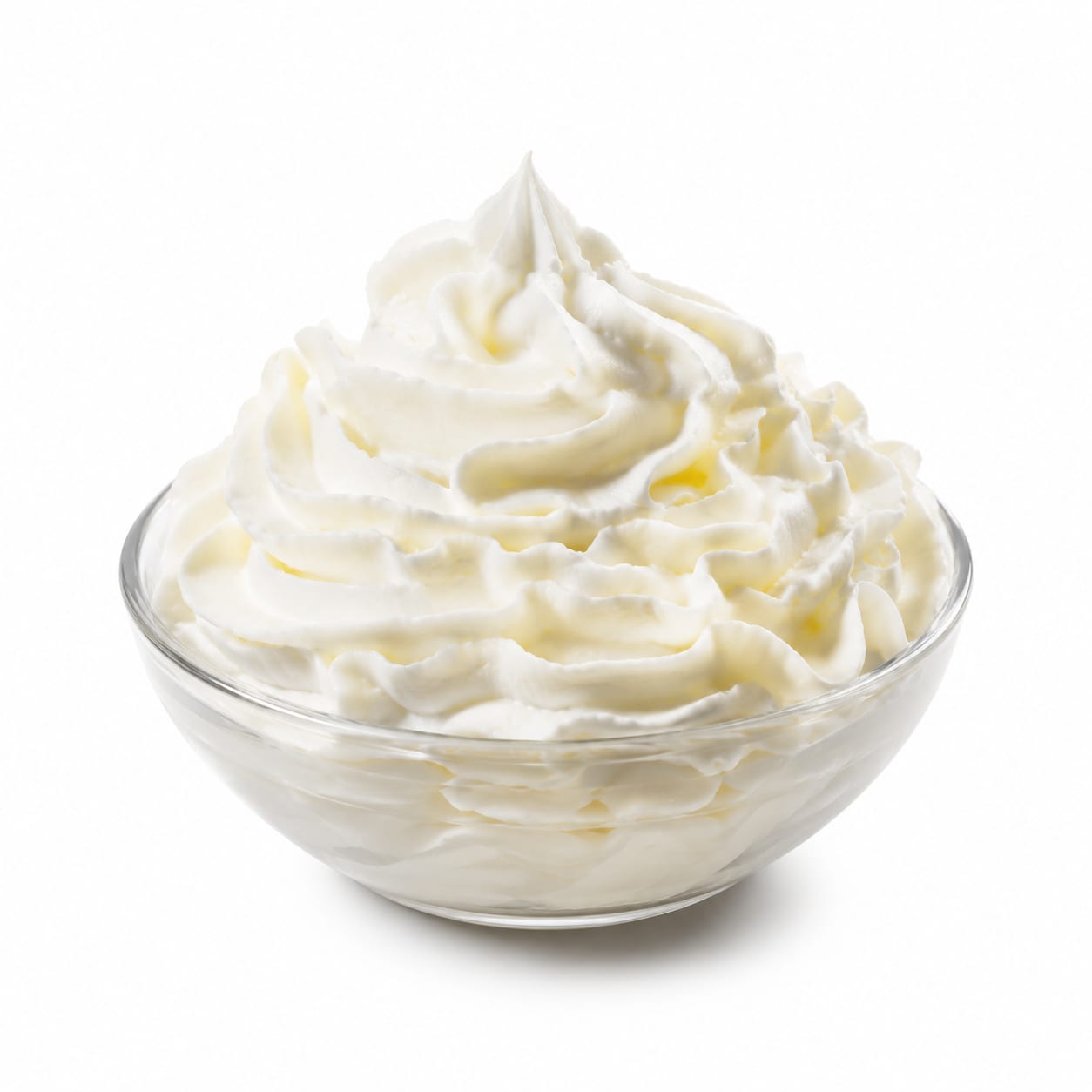
Whipping Cream
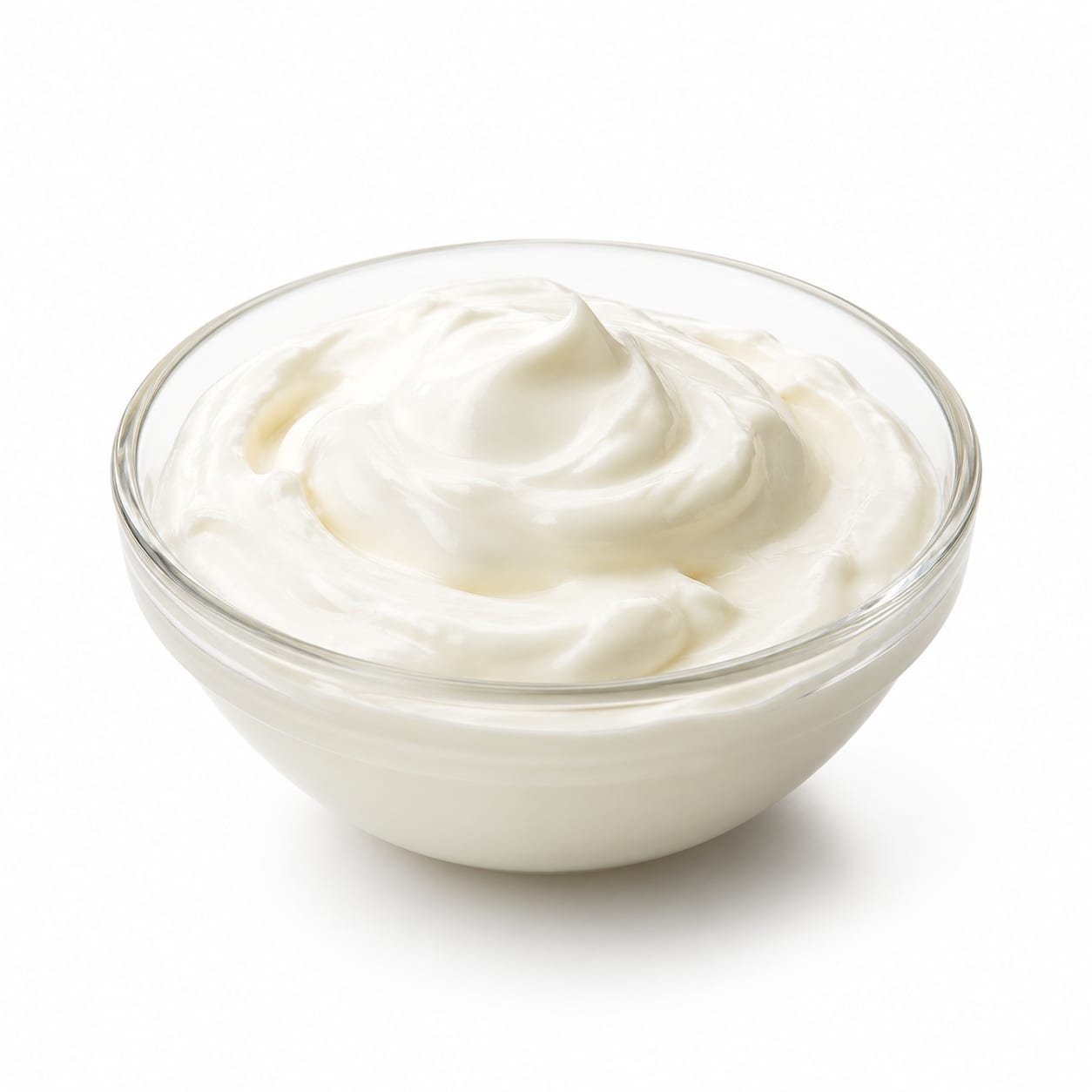
Sour Cream
Sour cream wins for everyday use thanks to lower calories and gut-friendly probiotics, but whipping cream has its place for cooking and those needing rich texture in moderation.
Sour cream scores notably higher due to lower calorie density, probiotic content, and better suitability for regular use. Whipping cream is not unhealthy in small amounts but its extreme fat content limits everyday practicality.
Whipping cream delivers unmatched richness and cooking versatility at a steep calorie cost, while sour cream offers tangy flavor and fermentation benefits with less fat.
At a glance
Executive summary
Overall
It depends
Healthier
Sour Cream
More practical
Sour Cream
Daily use
Sour Cream
Key comparison lenses
fat content and heart health impact
Both are high-fat dairy but whipping cream has nearly double the fat, making cardiovascular impact the primary concern
calorie density and weight management
Whipping cream is extremely calorie-dense, which matters significantly for portion control and daily intake
probiotic and gut health benefits
Sour cream's fermentation provides live cultures that whipping cream completely lacks
culinary role and usage patterns
These products serve very different cooking purposes, which affects how much and how often people consume them
additives and processing concerns
Sour cream often contains stabilizers and thickeners while whipping cream is typically simpler
Best choice for
Whipping Cream
- Making desserts and baked goods that require structural lift
- Keto dieters seeking high fat with minimal carbs
- Recipes needing a neutral, rich dairy base
- Special occasion cooking where indulgence is the point
Sour Cream
- Topping baked potatoes, tacos, and soups
- Adding moisture and tang to dishes without excessive calories
- Supporting gut health through fermented dairy
- Everyday condiment use where moderation matters
Least suitable for
Whipping Cream
- Daily condiment use due to extreme calorie density
- Anyone managing heart disease or high cholesterol
- Weight loss diets unless carefully portioned
- People with severe lactose intolerance
Sour Cream
- Recipes requiring whipped texture or structural stability
- Strict keto dieters watching carb intake from fermentation
- Those avoiding fermented foods or histamine
- People sensitive to common dairy stabilizers
Deep comparison
Dimension by dimension
Each lens scores both foods and breaks down who each option suits.
- Dimension 1 · Priority 95Sour Cream
Calorie Density and Weight Management
Whipping Cream · 20Sour Cream · 55Whipping cream packs roughly 400 calories per half cup versus sour cream's 220, making portion control far more challenging.
Tradeoff
You get richer texture and mouthfeel from whipping cream but at nearly double the caloric cost per serving.
Why it matters
Liquid calories are easy to overconsume. A casual pour of whipping cream can add 200+ calories before you notice.
Real-world impact
Someone using whipping cream daily in coffee could unknowingly add 1500+ calories per week compared to using sour cream as a topping.
Whipping Cream
- Bulking up meals when you genuinely need more calories
- Keto and very low-carb diets where fat is the primary energy source
Better for
- Mindless snacking or casual pouring
- Anyone tracking calories who finds portion control difficult
Worse for
Sour Cream
- Maintaining calorie awareness without giving up creamy toppings
- Weight management where every hundred calories counts
Better for
- Situations requiring high energy density, like recovering from illness
Worse for
- Dimension 2 · Priority 90Sour Cream
Fat Quality and Heart Health
Whipping Cream · 25Sour Cream · 45Both are high in saturated fat, but whipping cream delivers significantly more per serving, raising cardiovascular concerns faster.
Tradeoff
Whipping cream's fat content creates its signature texture but pushes saturated fat intake to concerning levels with even moderate use.
Why it matters
A single serving of whipping cream can provide over 40% of daily saturated fat limits. Sour cream is lower but still substantial.
Real-world impact
Regular whipping cream users may find it difficult to stay within heart-healthy saturated fat guidelines without careful tracking.
Whipping Cream
- Short-term keto adaptation where high saturated fat intake is intentional
Better for
- Anyone with existing heart disease or high LDL cholesterol
- People with family history of cardiovascular issues
Worse for
Sour Cream
- Those monitoring cholesterol who still want creamy dairy flavor
- Heart-conscious eaters who want a topping rather than a base ingredient
Better for
- Situations where saturated fat needs to be minimized entirely
Worse for
- Dimension 3 · Priority 85Sour Cream
Probiotics and Gut Health
Whipping Cream · 5Sour Cream · 70Sour cream's fermentation process introduces beneficial bacteria that whipping cream completely lacks.
Tradeoff
You sacrifice the neutral sweetness of whipping cream but gain live cultures that support digestion and gut flora.
Why it matters
Fermented dairy has been linked to better digestion, immune support, and even improved mood through the gut-brain axis.
Real-world impact
Regular sour cream consumers may notice less bloating and better digestion compared to using unfermented dairy products.
Whipping Cream
- Recipes where tang would clash with flavor profiles
Better for
- Anyone specifically seeking gut health benefits from dairy
Worse for
Sour Cream
- Supporting digestive health alongside other fermented foods
- People taking antibiotics who want to replenish gut bacteria
- Those looking to diversify their probiotic food sources
Better for
- People with histamine intolerance who react to fermented foods
Worse for
- Dimension 4 · Priority 75Sour Cream
Nutrient Density
Whipping Cream · 30Sour Cream · 50Sour cream edges ahead with more protein, calcium, and B vitamins per calorie compared to whipping cream's mostly fat profile.
Tradeoff
Whipping cream offers fat-soluble vitamins like A and D but delivers them with far more calories per nutrient gained.
Why it matters
When calories are limited, getting more nutrients per bite matters. Sour cream provides a slightly better nutrient-to-calorie ratio.
Real-world impact
A tablespoon of sour cream gives you a small calcium and protein boost alongside the fat, while whipping cream is essentially just fat with trace vitamins.
Whipping Cream
- Absorbing fat-soluble vitamins from other foods when used as a pairing
Better for
- Those seeking nutrient-dense calories rather than empty fat calories
Worse for
Sour Cream
- Getting slightly more nutritional value from your dairy toppings
- Supporting bone health through calcium intake
Better for
- Situations where concentrated fat-soluble vitamin intake is the priority
Worse for
- Dimension 5 · Priority 70Whipping Cream
Additives and Processing
Whipping Cream · 65Sour Cream · 40Whipping cream is typically just cream with minimal additives, while sour cream often contains stabilizers, thickeners, and preservatives.
Tradeoff
You get a cleaner ingredient list with whipping cream but sacrifice the probiotic benefits that come from sour cream's fermentation.
Why it matters
Stabilizers like guar gum, carrageenan, and modified food starch can cause digestive issues for sensitive individuals.
Real-world impact
Reading sour cream labels is essential. Many brands add 3-5 ingredients beyond what traditional fermentation requires.
Whipping Cream
- Those avoiding food additives and stabilizers
- People with sensitivities to gums and thickeners
Better for
- Organic or additive-free sour cream options eliminate this concern entirely
Worse for
Sour Cream
- Brands that use traditional fermentation without additives, which do exist
Better for
- Conventional sour cream with long ingredient lists
- People with known sensitivities to carrageenan or guar gum
Worse for
- Dimension 6 · Priority 65Whipping Cream
Culinary Versatility
Whipping Cream · 80Sour Cream · 55Whipping cream transforms into whipped cream, serves as a soup base, enriches sauces, and works in both sweet and savory dishes.
Tradeoff
Sour cream's tang limits it to savory and select baking applications, while whipping cream's neutrality opens far more cooking doors.
Why it matters
A more versatile ingredient can replace multiple products, reducing waste and simplifying cooking.
Real-world impact
Whipping cream can become dessert topping, pasta sauce base, or soup finisher. Sour cream is mostly a topping or baking acid.
Whipping Cream
- Home cooks wanting one dairy product that does many jobs
- Making desserts, enriching sauces, and finishing soups
- Sweet applications where tang would be unwelcome
Better for
- Dishes where a tangy kick is specifically desired
Worse for
Sour Cream
- Adding complexity to savory dishes with its acidity
- Baking recipes that rely on the acid-moisture combination
- Quick toppings that need no preparation
Better for
- Any recipe requiring whipping or structural dairy stability
Worse for
Timeline
Health impact over time
Short-term
Hours to days
Whipping Cream
- Heavy feeling after consumption due to high fat slowing digestion
- Quick satiety from fat content but possible overconsumption if used in coffee or drinks
- Potential for mild digestive discomfort in lactose-sensitive individuals
Sour Cream
- Mild probiotic effect supporting digestion within hours of consumption
- Tangy flavor can stimulate appetite and enhance meal satisfaction
- Lower fat content means less digestive heaviness compared to whipping cream
Long-term
Months to years
Whipping Cream
- Regular high saturated fat intake may raise LDL cholesterol over time
- Calorie density makes gradual weight gain likely without careful portioning
- Fat-soluble vitamin absorption benefit if paired with nutrient-rich foods
Sour Cream
- Consistent probiotic intake may improve gut microbiome diversity
- Lower calorie load supports easier weight maintenance long-term
- Calcium and protein contributions add up meaningfully with regular use
Risk profile
Safety & processing
Whipping cream is typically just cream, making it one of the simplest dairy products available. Sour cream's fermentation is natural, but commercial brands frequently add stabilizers, thickeners, and preservatives to extend shelf life and maintain texture. Choosing organic or traditional sour cream can eliminate most additive concerns.
Whipping Cream
Spoilage from improper refrigeration
mediumHigh-fat dairy spoils quickly when left at room temperature. Whipping cream can develop off flavors within 2 hours unrefrigerated.
Raw cream contamination if unpasteurized
highUnpasteurized whipping cream carries risk of Listeria, Salmonella, and E. coli. Most commercial products are pasteurized, but farm-sourced options may not be.
Sour Cream
Mold growth after opening
mediumSour cream's moisture and nutrient content make it susceptible to mold within 1-2 weeks of opening, sometimes sooner if contaminated with utensils.
Additive sensitivities
lowCarrageenan and guar gum in some brands can cause bloating or digestive discomfort in sensitive individuals.
Who wins for whom
Audience fit
Same foods, different winners depending on your goal.
children
Sour CreamSour cream's lower fat content and probiotic benefits make it more appropriate for children's smaller calorie needs and developing digestive systems.
daily consumption
Sour CreamSour cream's lower calorie density, probiotic content, and better nutrient profile make it more sustainable for everyday use without health compromises.
diabetes
Whipping CreamWhipping cream has virtually zero carbs and will not spike blood sugar. Sour cream contains small amounts of lactose sugar from fermentation, though still low enough to be manageable.
elderly
Sour CreamOlder adults benefit from sour cream's probiotics for gut health, calcium for bone density, and lower calorie density to prevent unintentional weight gain.
muscle gain
It dependsNeither is a significant protein source. Sour cream has slightly more protein per calorie, but both are poor choices for muscle building compared to Greek yogurt or cottage cheese.
weight loss
Sour CreamSour cream has roughly half the calories per serving, making it easier to fit into a calorie-controlled diet while still providing creamy satisfaction.
Your move
Decision guide
Choose Whipping Cream
- You are baking desserts or making whipped toppings where nothing else works
- You follow a strict keto diet and need high fat with zero carbs
- You want a neutral-flavored dairy base for savory sauces or soups
- You rarely use cream and want the most versatile option for occasional cooking
Choose Sour Cream
- You want a daily topping for potatoes, tacos, or soups without excessive calories
- Gut health and probiotic intake matter to you
- You prefer tangy flavor that adds complexity to savory dishes
- You are watching your weight or saturated fat intake but still want creamy satisfaction
Either works if
- You only use cream occasionally and portion size is not a concern
- You are cooking a recipe that could work with either product's texture
- You tolerate dairy well and have no specific health restrictions
Avoid both if
- You are lactose intolerant and do not tolerate any dairy
- You have severe saturated fat restrictions from a cardiologist
- You are following a fully plant-based diet
- You are trying to eliminate all high-calorie condiments from your routine
Final recommendation
For most people eating at home, sour cream is the smarter everyday choice. It delivers creamy satisfaction with probiotics, fewer calories, and better nutrient density. Save whipping cream for special occasions and specific recipes where its unique properties truly shine. If you buy sour cream, look for brands with short ingredient lists to avoid unnecessary stabilizers.
Practical
Consumer tips
- 1
Check sour cream labels for additive-free options. Brands with just cream and cultures exist and are worth seeking out.
- 2
A single tablespoon of either product is a reasonable serving. Most people use far more without realizing it.
- 3
Whipping cream can be frozen for later use in cooking, reducing waste if you only need a small amount.
- 4
Full-fat sour cream provides more satiety than low-fat versions, which often compensate with thickeners and sugar.
- 5
If using whipping cream in coffee daily, measure it. A free pour can easily add 100+ calories per cup.
- 6
Organic whipping cream avoids antibiotic and hormone concerns found in conventional dairy at a modest price increase.