
Nutrition comparison
Whipping Cream vs Heavy Cream: Which Should You Use?
Compare Whipping Cream and Heavy Cream on fat content, calories, whipping stability, and health impact. Find out which cream is better for your recipes and dietary goals.
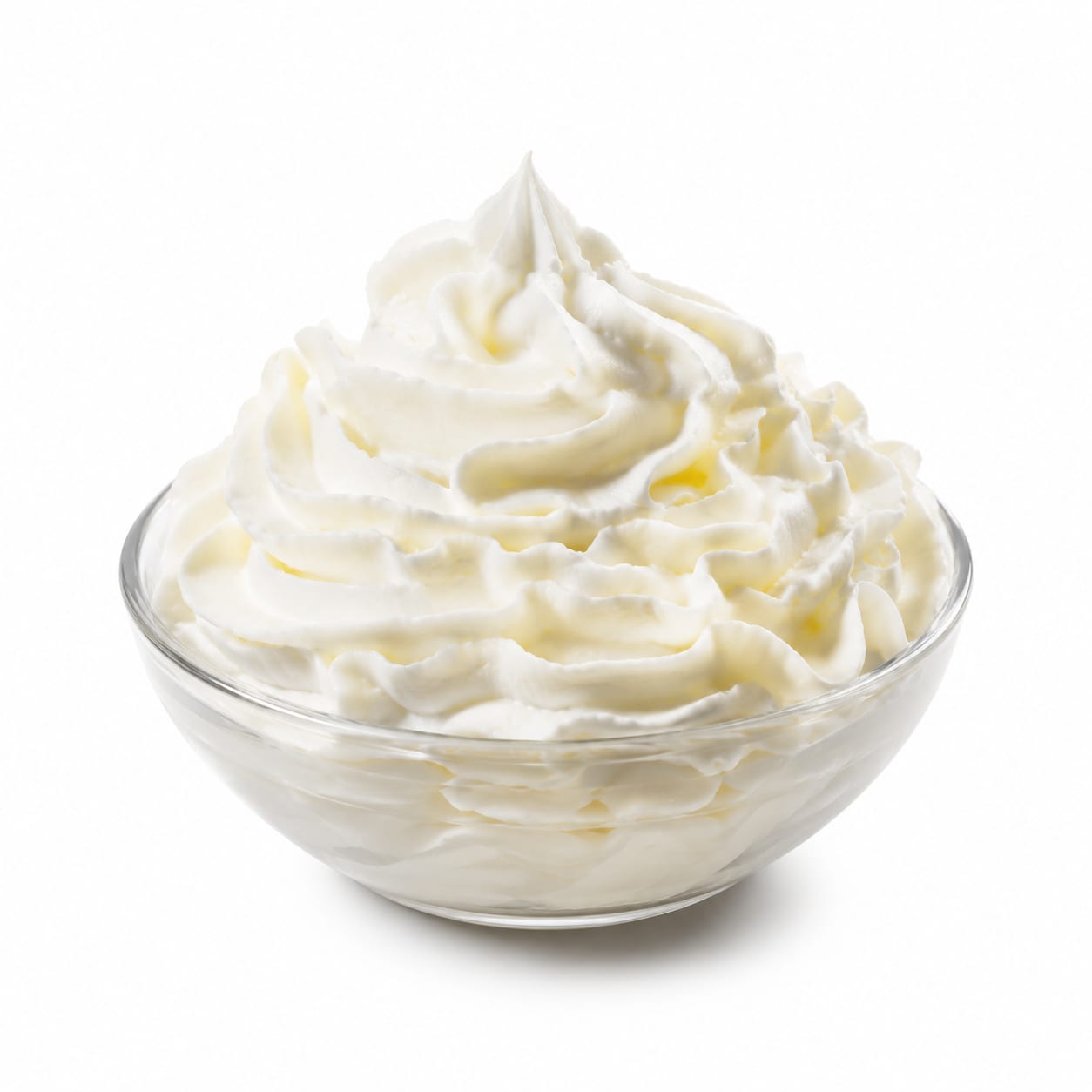
Whipping Cream
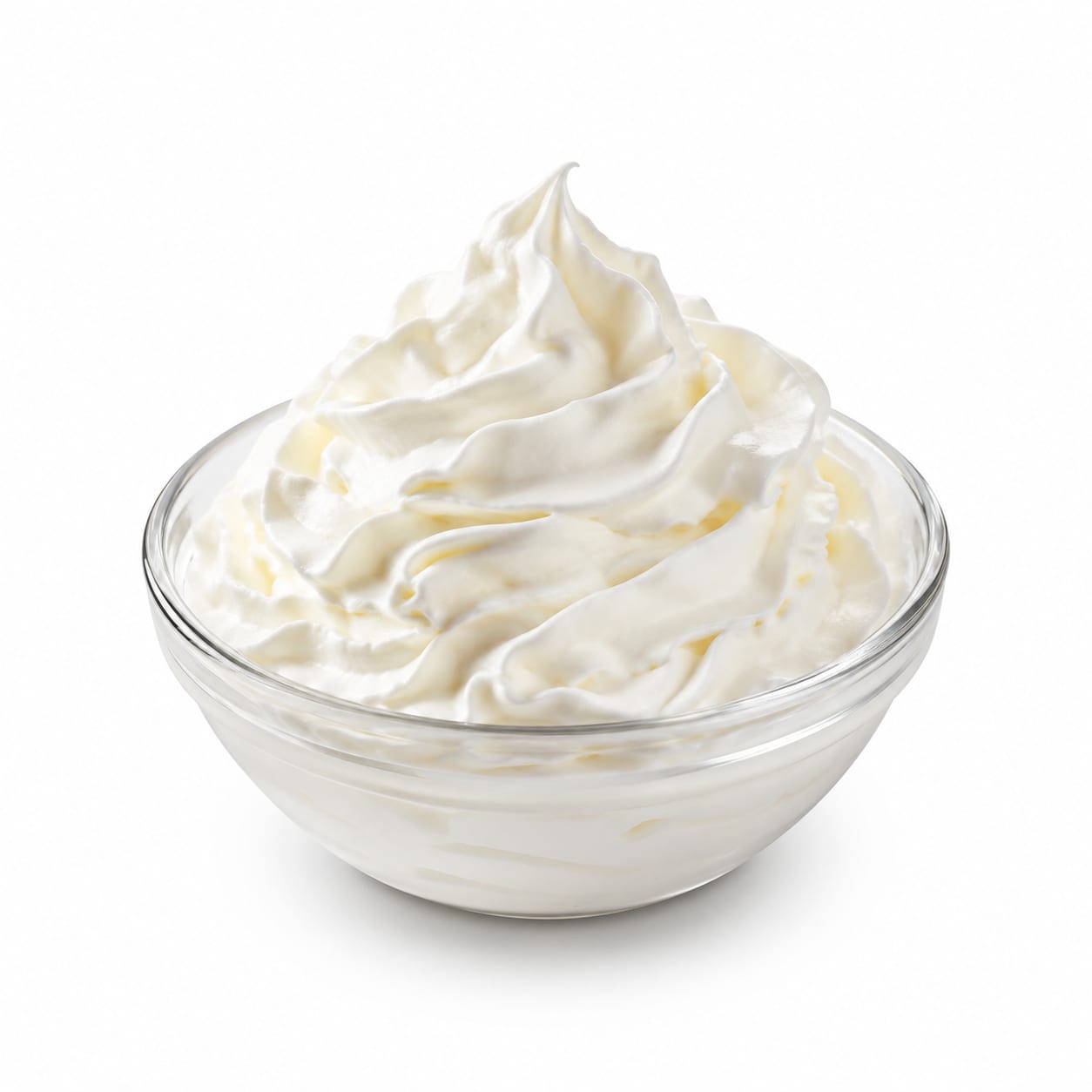
Heavy Cream
These are nearly identical products separated by a small fat percentage gap that mostly matters for whipping stability and recipe outcomes.
Heavy Cream scores slightly higher due to superior whipping performance and marginally lower lactose, but the nutritional difference is minimal enough that context determines the real winner.
Heavy Cream whips firmer and holds shape longer, while Whipping Cream is slightly lighter with marginally fewer calories and a bit more lactose.
At a glance
Executive summary
Overall
It depends
Healthier
It depends
More practical
Heavy Cream
Daily use
It depends
Key comparison lenses
fat content and calorie difference
The primary difference between these two creams is fat percentage, which directly impacts calories, texture, and whipping performance
culinary performance
Most users are choosing between these for cooking or baking, where whipping stability and texture matter enormously
heart health and saturated fat
Both are high in saturated fat, but the slight difference in fat content may matter for those monitoring cardiovascular risk
lactose sensitivity
Heavy Cream has slightly less lactose due to higher fat displacement of milk solids, relevant for sensitive individuals
weight management
Both are calorie-dense, but Whipping Cream offers marginal calorie savings per serving
Best choice for
Whipping Cream
- Lighter dessert toppings where a softer texture is preferred
- Recipes where slightly lower fat content is desired
- Coffee creamer use where a lighter mouthfeel is preferred
Heavy Cream
- Stable whipped cream that holds shape for hours
- Rich sauces and ganache requiring higher fat
- Keto or low-carb diets maximizing fat intake
Least suitable for
Whipping Cream
- Recipes requiring long-lasting whipped structure
- Strict keto dieters tracking maximum fat intake
Heavy Cream
- Those counting every calorie who want the lightest option
- People highly sensitive to even small increases in saturated fat
Deep comparison
Dimension by dimension
Each lens scores both foods and breaks down who each option suits.
- Dimension 1 · Priority 95Whipping Cream
fat_content_and_calories
Whipping Cream · 45Heavy Cream · 40Whipping Cream has slightly less fat (30-36%) compared to Heavy Cream (36-40%), translating to roughly 10-20 fewer calories per fluid ounce.
Tradeoff
The calorie savings are real but small — roughly 5-8% less per serving, which barely matters unless you consume cream frequently.
Why it matters
For daily coffee drinkers or frequent bakers, even small calorie differences accumulate over weeks and months.
Real-world impact
Using Whipping Cream in your daily coffee instead of Heavy Cream saves roughly 700-1400 calories per month — noticeable but not transformational.
Whipping Cream
- Calorie-conscious bakers who want a slightly lighter touch
- Daily coffee users tracking intake carefully
Better for
- Anyone needing maximum fat for recipe emulsification
Worse for
Heavy Cream
- Keto dieters who want maximum fat per serving
- Those using cream as a primary calorie source
Better for
- People strictly limiting saturated fat intake
Worse for
- Dimension 2 · Priority 90Heavy Cream
whipping_stability_and_culinary_performance
Whipping Cream · 55Heavy Cream · 90Heavy Cream whips faster, holds peaks longer, and produces a stiffer, more stable foam due to its higher fat content.
Tradeoff
Whipping Cream still whips adequately for most home uses but deflates faster, making it less reliable for decorated desserts or make-ahead recipes.
Why it matters
A whipped topping that weeps or collapses after an hour can ruin a dessert presentation and texture.
Real-world impact
Heavy Cream whipped topping can hold for 6-8 hours refrigerated; Whipping Cream starts weeping after 2-3 hours — the difference between party-ready and soggy.
Whipping Cream
- Casual desserts eaten immediately after whipping
- Lighter mousses where a softer set is preferred
Better for
- Professional baking requiring consistent structure
- Any dessert sitting out for hours
Worse for
Heavy Cream
- Piped cake decorations that need to hold shape
- Make-ahead desserts requiring overnight stability
- Hot sauces where fat prevents curdling
Better for
- Delicate preparations where a lighter touch is wanted
Worse for
- Dimension 3 · Priority 65Heavy Cream
satiety_and_fullness
Whipping Cream · 50Heavy Cream · 58Heavy Cream's extra fat provides marginally more satiety per serving, though both are consumed in small enough quantities that the difference is subtle.
Tradeoff
More satiety comes with more calories — the fullness gain is modest relative to the calorie increase.
Why it matters
For keto dieters using cream in coffee or sauces, the extra fat can help extend time between meals.
Real-world impact
Adding Heavy Cream to morning coffee might keep you satisfied 20-30 minutes longer than Whipping Cream — helpful but not dramatic.
Whipping Cream
- Those who prefer lighter-feeling meals and beverages
Better for
- People relying on cream for sustained energy between meals
Worse for
Heavy Cream
- Intermittent fasters relying on fat to extend fasting windows
- Keto dieters prioritizing satiety from fat
Better for
- Anyone trying to reduce overall calorie density
Worse for
- Dimension 4 · Priority 60Heavy Cream
lactose_tolerance
Whipping Cream · 40Heavy Cream · 50Higher fat content means less room for milk solids, giving Heavy Cream slightly less lactose per volume than Whipping Cream.
Tradeoff
The difference is small — both are very low lactose compared to milk, but highly sensitive individuals may notice.
Why it matters
For those with mild lactose intolerance, even small reductions can mean the difference between comfort and bloating.
Real-world impact
A lactose-sensitive person might tolerate Heavy Cream in coffee but get mild bloating from the same amount of Whipping Cream — the margin is that thin.
Whipping Cream
- People with no lactose sensitivity who prefer the taste
Better for
- Highly lactose-sensitive individuals
Worse for
Heavy Cream
- Mildly lactose-intolerant individuals seeking the gentler option
- Those transitioning away from milk who want minimal lactose
Better for
- Those with severe dairy allergy (both are equally problematic)
Worse for
- Dimension 5 · Priority 55Whipping Cream
heart_health_considerations
Whipping Cream · 35Heavy Cream · 30Both are high in saturated fat, but Whipping Cream has marginally less per serving, making it the slightly less concerning option for cardiovascular health.
Tradeoff
Neither is a heart-healthy choice — the difference is small enough that both should be used sparingly by those with lipid concerns.
Why it matters
For people with high cholesterol or heart disease risk, every gram of saturated fat counts toward daily limits.
Real-world impact
Choosing Whipping Cream over Heavy Cream saves roughly 0.5-1g of saturated fat per serving — meaningful over time but not a free pass.
Whipping Cream
- People monitoring saturated fat for heart health
- Those following heart-healthy eating patterns who still want occasional cream
Better for
- Still a high-saturated-fat food requiring portion control
Worse for
Heavy Cream
- Not applicable — Heavy Cream is never the heart-healthier choice
Better for
- Anyone with elevated LDL cholesterol
- People following a cardiologist-recommended low-sat-fat diet
Worse for
Timeline
Health impact over time
Short-term
Hours to days
Whipping Cream
- Provides quick energy from fat with slightly lighter digestive feel
- Minimal blood sugar impact since both creams are very low in carbohydrates
- May cause mild bloating in lactose-sensitive individuals due to slightly higher lactose content
Heavy Cream
- Richer mouthfeel and more sustained energy from higher fat content
- Equally minimal blood sugar impact
- Slightly gentler on lactose-sensitive digestion than Whipping Cream
Long-term
Months to years
Whipping Cream
- Marginally lower saturated fat intake if used daily, which may benefit cardiovascular markers over years
- Regular use of either cream contributes significant calories that can support weight gain if not accounted for
Heavy Cream
- Slightly higher saturated fat exposure with daily use, potentially impacting LDL cholesterol over time
- The extra fat may support hormone production and fat-soluble vitamin absorption in low-carb contexts
Risk profile
Safety & processing
Both Whipping Cream and Heavy Cream are minimally processed dairy products containing only cream, and sometimes a stabilizer like carrageenan or mono/diglycerides. Brands vary — some contain just cream, others add emulsifiers. Read labels if additives concern you.
Whipping Cream
Spoilage from improper refrigeration
mediumLike all dairy, Whipping Cream spoils quickly at room temperature. Consume within 7-10 days of opening and keep consistently refrigerated.
Carrageenan sensitivity in some brands
lowSome brands add carrageenan as a stabilizer, which may cause digestive irritation in sensitive individuals. Check ingredient lists.
Heavy Cream
Spoilage from improper refrigeration
mediumHeavy Cream shares the same spoilage risk as Whipping Cream. Treat with identical food safety practices.
Carrageenan sensitivity in some brands
lowSame additive concern as Whipping Cream — brand-dependent and avoidable by choosing pure cream products.
Who wins for whom
Audience fit
Same foods, different winners depending on your goal.
children
Whipping CreamWhipping Cream's slightly lower fat content and lighter texture may be more appropriate for children's desserts in moderation.
daily consumption
It dependsFor coffee or light cooking, Whipping Cream saves a few calories daily. For keto protocols, Heavy Cream better supports fat macros.
diabetes
It dependsBoth have negligible carbohydrate content and minimal blood sugar impact. The difference is irrelevant for glycemic management.
elderly
Whipping CreamOlder adults often need to limit saturated fat for heart health, making Whipping Cream's marginally lower fat content the slightly better choice.
muscle gain
It dependsNeither cream is relevant for muscle gain — both lack meaningful protein. Choose based on recipe needs, not fitness goals.
weight loss
Whipping CreamWhipping Cream has marginally fewer calories per serving, though neither is recommended for weight loss due to high calorie density.
Your move
Decision guide
Choose Whipping Cream
- You want slightly fewer calories and less saturated fat in your daily coffee or recipes
- You prefer a lighter texture in desserts and toppings
- You are watching heart health markers and want the marginally lighter option
- Your desserts are served immediately and don't need long structural stability
Choose Heavy Cream
- You need whipped cream that holds its shape for hours without weeping
- You are making ganache, rich sauces, or custards that require higher fat
- You follow a keto diet and want maximum fat per serving
- You have mild lactose sensitivity and want the gentler option
Either works if
- You are using a small amount in coffee or tea where the difference is imperceptible
- You are adding cream to soup or scrambled eggs where fat content barely changes the outcome
- Your recipe calls for 'cream' generically without specifying a type
Avoid both if
- You have a dairy allergy or severe lactose intolerance
- You are following a strict low-fat or low-calorie diet
- You have high LDL cholesterol and have been advised to minimize saturated fat
- You are trying to lose weight and these are not essential to your meal plan
Final recommendation
Let your recipe decide. If you need stable whipped cream or rich sauces, Heavy Cream is the reliable performer. If you want a lighter touch or are counting calories and saturated fat, Whipping Cream gives you a small but real edge. For a splash in coffee, it genuinely does not matter — pick whichever is in your fridge.
Practical
Consumer tips
- 1
Check ingredient lists — the best brands contain only 'cream' with no stabilizers or emulsifiers
- 2
Ultra-pasteurized cream lasts longer unopened but whips less voluminously than regular pasteurized cream
- 3
Chill your bowl and beaters for at least 15 minutes before whipping — cold equipment doubles your success with either cream
- 4
If your Whipping Cream won't hold peaks, add a pinch of cream of tartar to stabilize it without changing flavor
- 5
Both creams freeze poorly — the texture separates upon thawing, so only buy what you will use fresh
- 6
A tablespoon of either cream in coffee adds roughly 50-55 calories — track this if you drink multiple cups daily