
Nutrition comparison
Whipping Cream vs Cream Cheese: Which Is Healthier?
Compare whipping cream and cream cheese on nutrition, processing, sodium, keto suitability, and satiety. Find out which high-fat dairy is better for your goals.
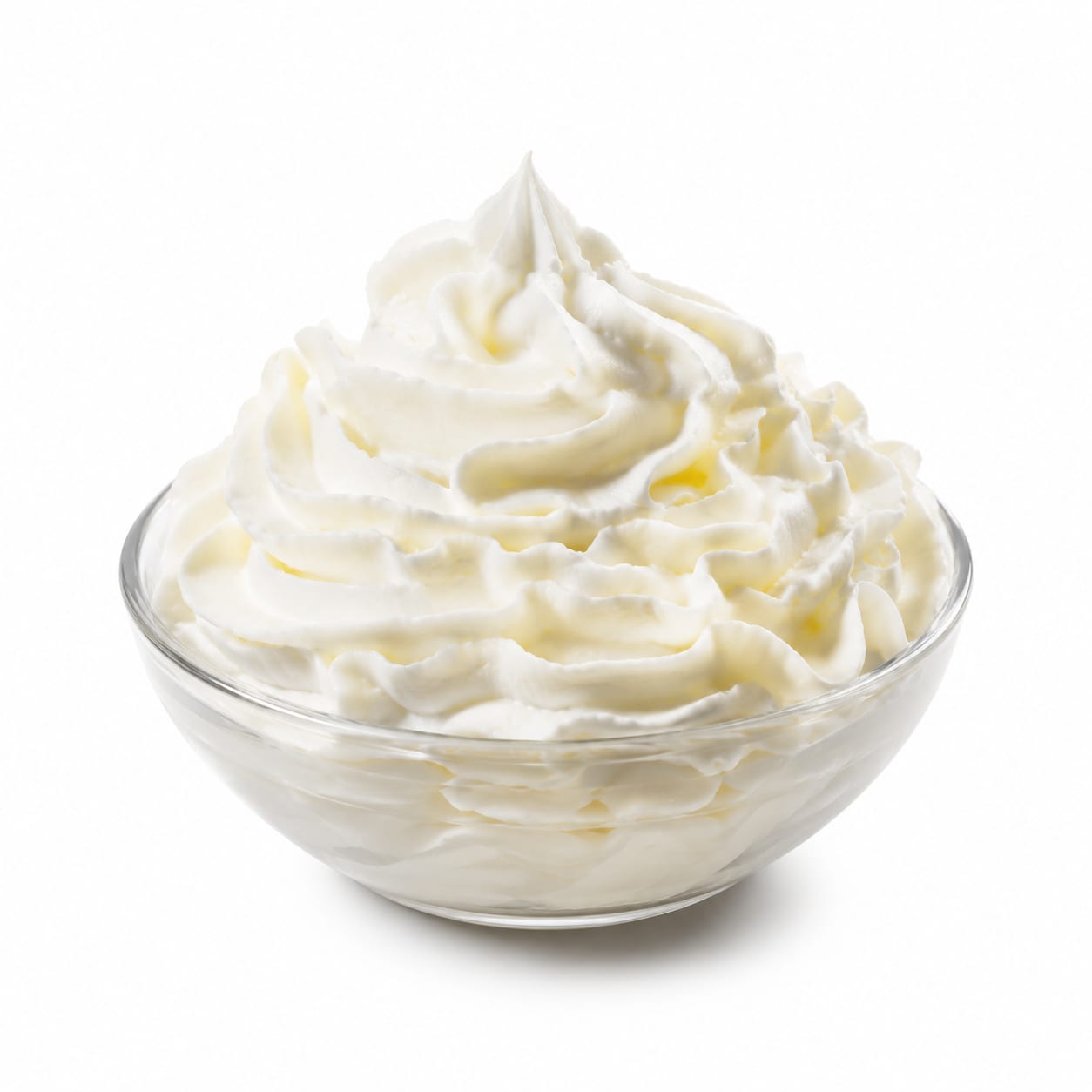
Whipping Cream
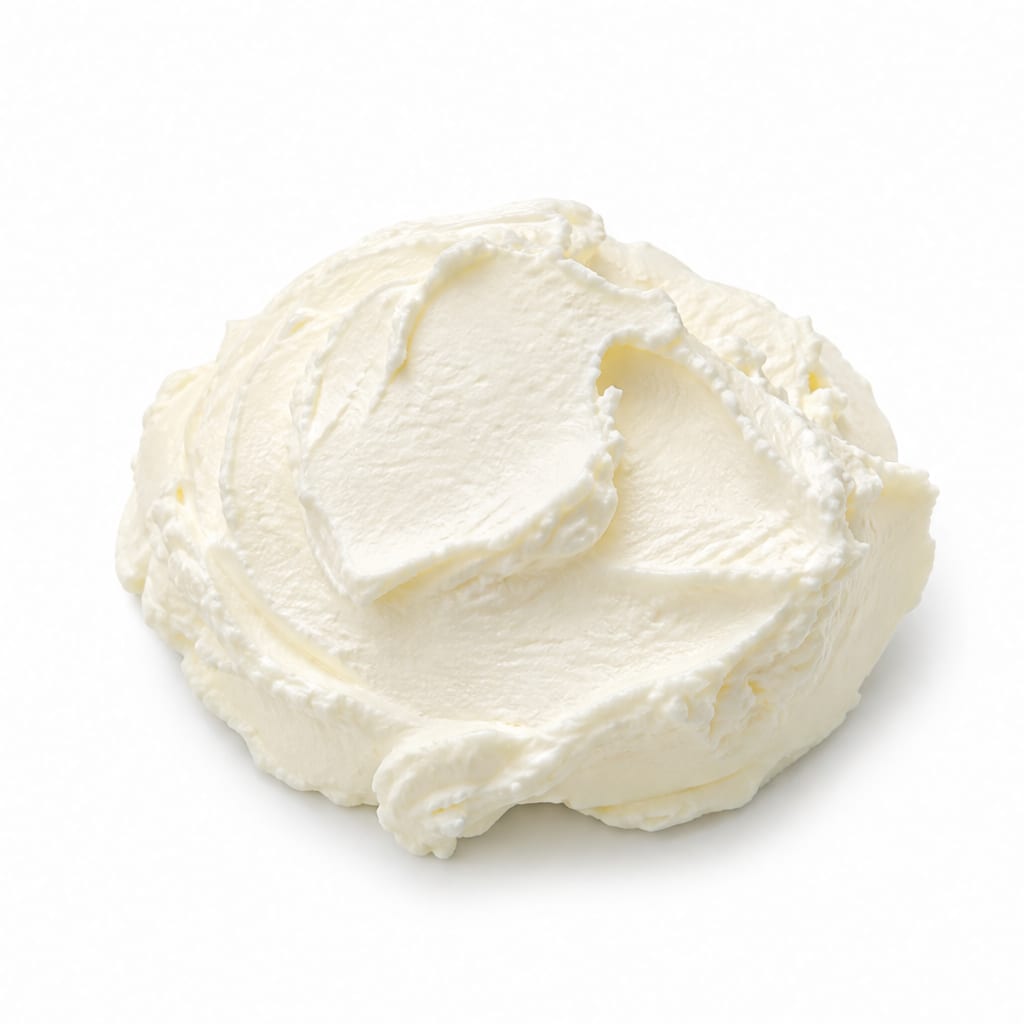
Cream Cheese
Whipping cream is less processed and lower in sodium, but cream cheese offers more protein and easier portion control. Your choice depends on whether you prioritize naturalness or satiety.
Cream cheese edges ahead slightly due to better protein content and built-in portion control, but whipping cream wins on naturalness and lower sodium. Neither is a health food — both are indulgent dairy fats best used intentionally.
Whipping cream gives you a cleaner ingredient list with near-zero carbs, while cream cheese gives you more protein and a spreadable form that naturally limits overconsumption.
At a glance
Executive summary
Overall
It depends
Healthier
It depends
More practical
Cream Cheese
Daily use
Cream Cheese
Key comparison lenses
Which is better for low-carb or keto cooking?
Both are high-fat dairy staples in low-carb kitchens, but they serve very different roles and have distinct carb profiles
Which is less processed and more natural?
Whipping cream is closer to its natural state while cream cheese often contains stabilizers and gums
Which is better for weight management?
Both are calorie-dense but portion control differs significantly due to how each is typically consumed
Which has better satiety per calorie?
Cream cheese offers more protein which affects fullness, while whipping cream is almost pure fat
Which is safer for heart health?
Both are high in saturated fat, but sodium content and processing differences matter for cardiovascular risk
Best choice for
Whipping Cream
- Keto baking and dessert recipes
- Coffee enrichment without carbs
- Those avoiding sodium
- Minimal-ingredient diets
- Anyone sensitive to food additives or gums
Cream Cheese
- High-protein breakfast pairings
- Satiating snacks with vegetables or crackers
- People who struggle with portion control on liquid foods
- Bagel or sandwich lovers wanting more substance than butter
Least suitable for
Whipping Cream
- Anyone watching calorie intake closely — it is extremely easy to overpour
- Low-fat diet followers
- People with severe saturated fat restrictions
- Those needing protein from their dairy
Cream Cheese
- Low-sodium diets
- Anyone avoiding food additives like gums or stabilizers
- Strict clean-eating advocates
- Lactose-sensitive individuals — cream cheese still contains some lactose
Deep comparison
Dimension by dimension
Each lens scores both foods and breaks down who each option suits.
- Dimension 1 · Priority 90Cream Cheese
Satiety and Fullness
Whipping Cream · 35Cream Cheese · 60Cream cheese provides more protein per serving, making it slightly more filling. Whipping cream is almost entirely fat with minimal protein, so it satisfies less per calorie.
Tradeoff
Whipping cream adds richness to dishes but rarely satisfies hunger on its own. Cream cheese as a spread on food creates a more complete eating experience.
Why it matters
Foods that leave you hungry despite high calories make overeating likely. Satiety per calorie matters more than most people think.
Real-world impact
A couple tablespoons of cream cheese on celery feels like a snack. The same calories in whipping cream on coffee barely register as food.
Whipping Cream
- Adding richness to soups or sauces without needing to feel full
Better for
- Anyone relying on dairy for satiety
- Post-workout recovery eating
Worse for
Cream Cheese
- Between-meal snacks that actually hold you over
- Breakfast pairings that reduce mid-morning hunger
Better for
- Very low-protein diets where even small amounts matter less
Worse for
- Dimension 2 · Priority 88Whipping Cream
Processing and Additives
Whipping Cream · 82Cream Cheese · 48Whipping cream is typically just cream — a single-ingredient product. Cream cheese often contains gums, stabilizers, and preservatives to maintain texture.
Tradeoff
You trade ingredient simplicity for spreadable convenience. Whipping cream is closer to nature; cream cheese is a manufactured product with a longer ingredient list.
Why it matters
Minimally processed foods tend to have fewer surprises for your digestion and metabolism. Additives like carrageenan or guar gum can cause issues for sensitive people.
Real-world impact
Check a carton of whipping cream: cream. Check cream cheese: cream, milk, carob bean gum, xanthan gum, sorbic acid. The difference is immediate.
Whipping Cream
- Clean-label diets
- Anyone with sensitivities to gums or emulsifiers
- Whole-food eating philosophies
Better for
- Recipes that specifically need the tang and texture of cream cheese
Worse for
Cream Cheese
- Situations where spreadability and shelf stability matter more than purity
Better for
- Anyone reading ingredient labels and wanting simplicity
- Gut-sensitive individuals reacting to gums
Worse for
- Dimension 3 · Priority 82Whipping Cream
Sodium and Heart Health
Whipping Cream · 72Cream Cheese · 40Whipping cream is naturally very low in sodium. Cream cheese contains added salt, typically 80-110mg per tablespoon, which adds up quickly.
Tradeoff
The salt in cream cheese improves flavor but works against blood pressure goals. Whipping cream lets you control sodium separately.
Why it matters
For anyone managing hypertension or cardiovascular risk, hidden sodium in dairy spreads is an easy oversight that compounds over time.
Real-world impact
A bagel with cream cheese can deliver 300-400mg of sodium before you add anything else. That is roughly 15-20% of the daily recommended limit in a single breakfast item.
Whipping Cream
- Low-sodium diets
- Blood pressure management
- Anyone already getting plenty of salt from other foods
Better for
- People who find unsalted foods unappealing
Worse for
Cream Cheese
- Flavor without needing to add salt separately
Better for
- Hypertension patients
- Anyone tracking sodium carefully
Worse for
- Dimension 4 · Priority 85Whipping Cream
Carb Content and Keto Suitability
Whipping Cream · 90Cream Cheese · 68Whipping cream has roughly 1g of carbs per tablespoon. Cream cheese has 1-2g per tablespoon but can vary by brand and may include fillers that add carbs.
Tradeoff
Both work for keto, but whipping cream is the safer bet for strict carb counting. Cream cheese is still acceptable but requires more label checking.
Why it matters
On very low-carb diets, hidden carbs from dairy can accumulate and push you out of ketosis without realizing it.
Real-world impact
Heavy whipping cream in coffee adds essentially zero net carbs. A cream cheese snack might seem small but could contribute 4-6g of carbs if you are not measuring carefully.
Whipping Cream
- Strict ketogenic diets
- Carb cycling protocols
- Coffee and beverage enrichment
Better for
- People who do not drink coffee or use cream in cooking
Worse for
Cream Cheese
- Keto-friendly savory recipes and fat bombs
- More interesting keto meal variety
Better for
- Very strict carb limits under 20g per day
Worse for
- Dimension 5 · Priority 70Cream Cheese
Protein Quality
Whipping Cream · 15Cream Cheese · 50Cream cheese contains about 2g of protein per tablespoon compared to less than 0.5g in whipping cream. Neither is a protein source, but cream cheese contributes meaningfully.
Tradeoff
If you want any protein from your dairy fat, cream cheese is the better pick. Whipping cream is essentially fat with trace protein.
Why it matters
Protein from dairy is high-quality and complete. Even small amounts help with muscle maintenance and satiety, especially in low-carb diets where protein sources can be limited.
Real-world impact
Adding cream cheese to a meal gives you a small but real protein bump. Whipping cream contributes almost nothing toward your daily protein needs.
Whipping Cream
- Situations where pure fat is the goal — like keto coffee
Better for
- Anyone counting on dairy for protein contribution
- Older adults needing more protein per eating occasion
Worse for
Cream Cheese
- Breakfasts that need a protein boost
- Snacks paired with low-protein foods
Better for
- People expecting significant protein — it is still modest
Worse for
- Dimension 6 · Priority 78Cream Cheese
Portion Control and Overconsumption Risk
Whipping Cream · 25Cream Cheese · 55Cream cheese is naturally self-limiting because it is thick and spreadable. Whipping cream is liquid and extremely easy to overpour, especially in coffee or recipes.
Tradeoff
Liquid calories are notoriously easy to underestimate. A splash of whipping cream can quietly add 100+ calories to a drink without any feeling of fullness.
Why it matters
The form a food takes dramatically affects how much you consume. Solid or semi-solid foods trigger more awareness of portion size than liquids.
Real-world impact
Pouring whipping cream into coffee feels like nothing. Spreading cream cheese on a bagel forces you to see exactly how much you are using.
Whipping Cream
- Measured recipes where you control the exact amount
- Baking where cream is weighed
Better for
- Mindless coffee drinkers who pour freely
- Anyone tracking calories loosely
Worse for
Cream Cheese
- Everyday eating where visual portion cues matter
- Snacking situations requiring self-regulation
Better for
- People who load up cream cheese on large bagels
Worse for
- Dimension 7 · Priority 72It depends
Versatility in Cooking
Whipping Cream · 75Cream Cheese · 75Whipping cream excels in desserts, sauces, soups, and beverages. Cream cheese dominates in spreads, dips, frostings, and savory baking. They are complementary, not interchangeable.
Tradeoff
Neither can replace the other well. Whipping cream cannot replicate the tangy thickness of cream cheese, and cream cheese cannot be whipped into coffee or poured into soup.
Why it matters
Choosing between them is often driven by what you are cooking, not which is healthier. Practical utility often overrides nutritional nuance.
Real-world impact
Making Alfredo sauce? Whipping cream. Making cheesecake? Cream cheese. The kitchen decides for you most of the time.
Whipping Cream
- Dessert toppings and whipped garnishes
- Cream-based soups and pasta sauces
- Coffee and hot beverages
Better for
- Any recipe needing a thick, spreadable, tangy component
Worse for
Cream Cheese
- Frostings and cheesecakes
- Dips and savory spreads
- Stuffed chicken or jalapeño poppers
Better for
- Any recipe needing a pourable liquid fat
Worse for
Timeline
Health impact over time
Short-term
Hours to days
Whipping Cream
- Quick energy from fat but minimal satiety signal
- Easy to overconsume calories without feeling full
- Very gentle on blood sugar — almost no carb impact
- May feel heavy in the stomach if consumed in large amounts
Cream Cheese
- More satisfying per serving due to protein and solid form
- Noticeable sodium intake if eating multiple servings
- Minimal blood sugar impact but slightly more than whipping cream
- Tangy flavor can stimulate appetite or satisfaction depending on context
Long-term
Months to years
Whipping Cream
- High saturated fat intake if used frequently — relevant for heart health
- Near-zero sodium makes it easier on blood pressure long-term
- Minimal additive exposure supports cleaner eating patterns
- Calorie creep risk if pouring habits are not monitored
Cream Cheese
- Sodium accumulation from regular consumption may affect blood pressure
- Gums and stabilizers may irritate sensitive guts over time
- More protein per serving supports muscle maintenance in aging populations
- Saturated fat concerns are similar to whipping cream — both are high
Risk profile
Safety & processing
Whipping cream is one of the simplest dairy products available — often just cream with nothing else. Cream cheese requires culturing, thickening, and stabilizing, which introduces gums like xanthan or carob bean gum and preservatives like sorbic acid. If ingredient purity matters to you, whipping cream is the clear winner.
Whipping Cream
Spoilage from improper refrigeration
mediumWhipping cream spoils quickly once opened and is sensitive to temperature abuse. Sour smell or curdling means it should be discarded immediately.
Dairy allergy or lactose intolerance reaction
mediumWhipping cream contains trace lactose. Most lactose-intolerant people tolerate small amounts in coffee, but larger servings can cause symptoms.
Cream Cheese
Listeria contamination in unpasteurized versions
highCream cheese has been linked to listeria outbreaks, especially in unpasteurized or soft varieties. Pregnant women should avoid unpasteurized cream cheese entirely.
Additive sensitivities from gums and preservatives
lowXanthan gum, guar gum, and sorbic acid are generally recognized as safe but can cause bloating or digestive discomfort in sensitive individuals.
Dairy allergy or lactose intolerance reaction
mediumCream cheese contains more lactose than whipping cream due to added milk. Lactose-sensitive people may notice symptoms more readily.
Who wins for whom
Audience fit
Same foods, different winners depending on your goal.
children
Cream CheeseCream cheese as a spread on toast or bagels is more appealing and filling for kids, and the small protein contribution is beneficial for growing bodies.
daily consumption
Cream CheeseCream cheese is easier to use in measured portions and provides more nutritional value per serving, making it more sustainable for regular use in moderation.
diabetes
Whipping CreamWhipping cream has fewer carbs and zero sodium, making it slightly safer for blood sugar and blood pressure management in diabetic diets.
elderly
Cream CheeseOlder adults benefit more from the protein in cream cheese and the lower risk of overconsumption, though sodium should be monitored.
muscle gain
Cream CheeseNeither is a protein source, but cream cheese provides slightly more protein per serving which marginally supports muscle maintenance.
weight loss
Cream CheeseCream cheese offers better portion visibility and more satiety per calorie, making it easier to control intake during weight loss efforts.
Your move
Decision guide
Choose Whipping Cream
- You follow a strict keto diet and need near-zero carbs
- You want the simplest ingredient list possible
- You are watching sodium for blood pressure reasons
- You primarily need cream for coffee, soups, or dessert recipes
- You have sensitivities to food gums or stabilizers
Choose Cream Cheese
- You want a satisfying spread that helps control portions
- You value protein even in small amounts
- You need a versatile ingredient for dips, frostings, or savory recipes
- You find liquid calories too easy to overconsume
- You want something that feels like actual food, not just fat
Either works if
- You are simply looking for a high-fat dairy addition to a low-carb meal plan
- Saturated fat intake is already being managed through other dietary choices
- You use both in different cooking contexts and neither is a daily staple
Avoid both if
- You have a dairy allergy
- You are on a low-fat diet for medical reasons
- You have severe saturated fat restrictions from a cardiologist
- You are lactose intolerant and cannot tolerate any dairy
Final recommendation
Keep both in your kitchen but use them differently. Reach for whipping cream when purity and low carbs matter most — in coffee, keto desserts, or cream sauces. Choose cream cheese when you want something more satisfying and spreadable, especially for breakfast or snacks. Neither should be a daily staple in large amounts, but both have a place in a balanced, intentional diet. If you must pick one for regular use, cream cheese offers more nutritional value per serving, provided you watch the sodium.
Practical
Consumer tips
- 1
Always check cream cheese labels for added gums and preservatives — some brands use fewer additives than others
- 2
Measure whipping cream with a tablespoon rather than pouring directly — the calorie difference between a splash and a pour can be 100+ calories
- 3
Whipping cream can be frozen if you cannot use it before the expiration date — cream cheese does not freeze well
- 4
Choose organic or grass-fed versions of either product when possible for a better fatty acid profile
- 5
If sodium is a concern, look for low-sodium cream cheese varieties — they exist but are less common
- 6
Whipping cream whips best when very cold — chill the bowl and beaters for fluffier results
- 7
Cream cheese should be at room temperature for spreading and baking — plan ahead by taking it out 30 minutes before use