
Nutrition comparison
Whipping Cream vs Coconut Cream: Which Is Healthier?
Compare Whipping Cream and Coconut Cream side by side — fat quality, digestion, nutrients, and which one fits your diet better. Expert breakdown with real-world advice.
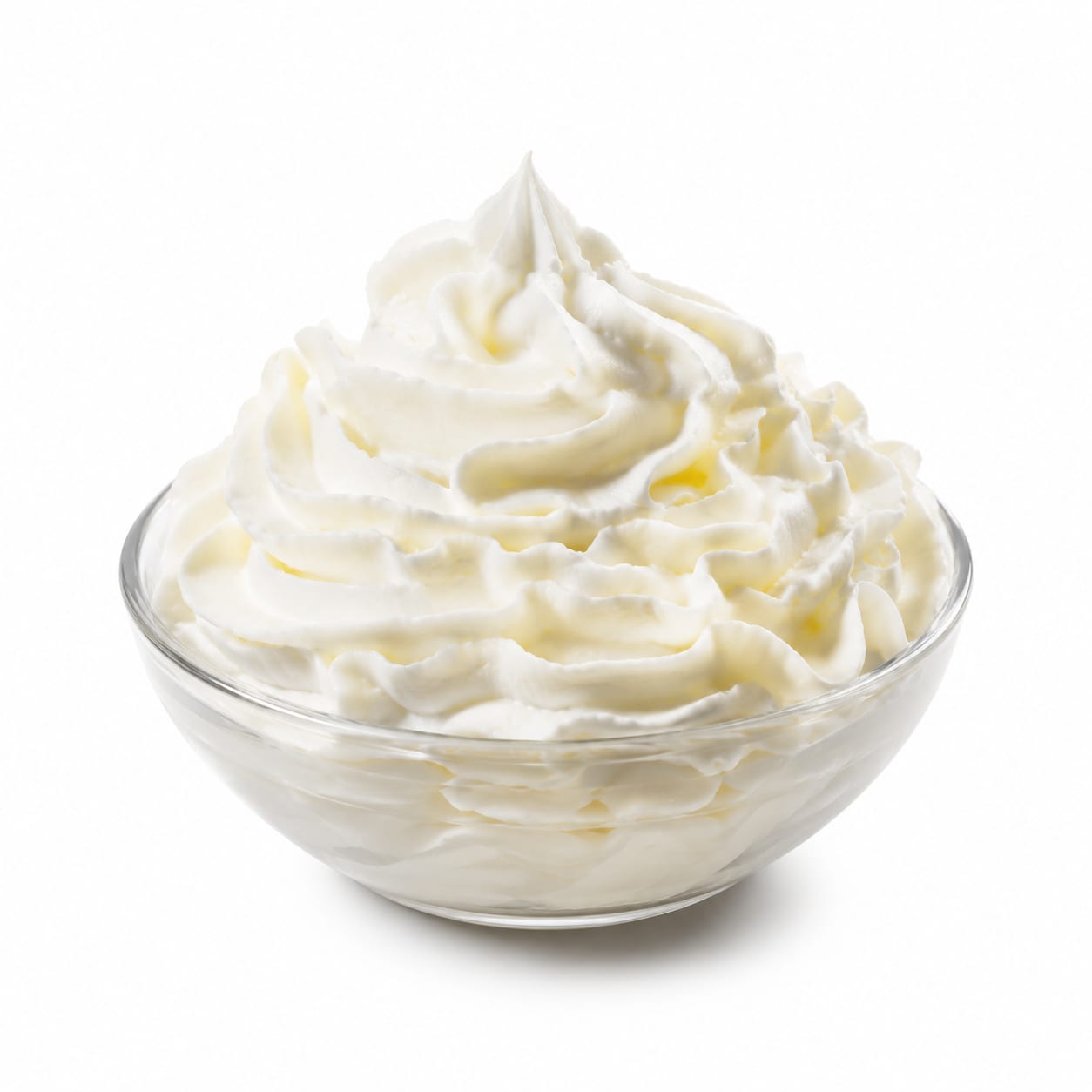
Whipping Cream
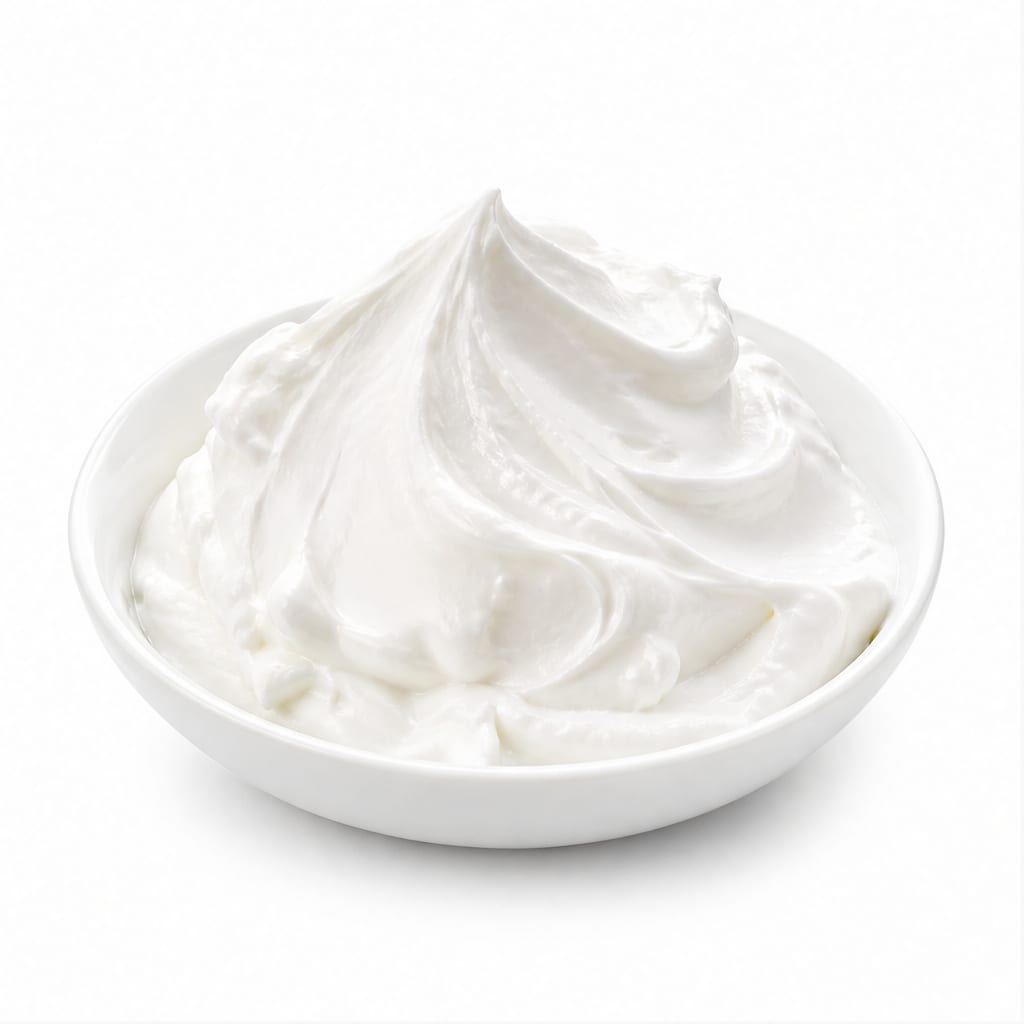
Coconut Cream
Whipping Cream offers more nutrients and better satiety, while Coconut Cream is the safer bet for dairy-free diets and may be easier on digestion due to MCTs.
Coconut Cream edges ahead slightly due to broader digestibility and MCT benefits, but Whipping Cream wins on nutrient density. Neither is a health food — both are concentrated fat sources best used intentionally.
Dairy fat with more vitamins and protein versus plant fat with MCTs and zero lactose — both are calorie-dense and high in saturated fat.
At a glance
Executive summary
Overall
It depends
Healthier
It depends
More practical
Coconut Cream
Daily use
It depends
Key comparison lenses
dairy vs plant based fat source
The core decision is whether to use an animal-based or plant-based saturated fat, which affects digestion, ethics, and health outcomes differently
saturated fat quality comparison
Both are high in saturated fat but from different sources — dairy fat vs coconut MCTs — with distinct metabolic effects
allergy and digestive tolerance
Lactose intolerance and dairy allergy make this a practical dealbreaker for many users choosing between these two
culinary substitution for recipes
Most users comparing these are deciding what to use in curries, desserts, or whipped toppings
heart health and cholesterol impact
Both are saturated-fat-heavy, but their effects on LDL cholesterol and cardiovascular risk differ meaningfully
Best choice for
Whipping Cream
- People who tolerate dairy well and want more fat-soluble vitamins
- Those seeking richer texture in whipped desserts
- Anyone prioritizing higher protein and calcium intake
- Ketogenic dieters who want longer-lasting satiety from dairy fat
Coconut Cream
- People with lactose intolerance or dairy allergy
- Vegans and plant-based eaters
- Those who find MCTs easier to digest than dairy fat
- Anyone cooking Southeast Asian or tropical cuisine
Least suitable for
Whipping Cream
- Anyone with lactose intolerance or dairy sensitivity
- People strictly avoiding animal products
- Those with high LDL cholesterol who need to limit dairy saturated fat
Coconut Cream
- People with coconut or tree nut allergies
- Those watching calorie density who find coconut fat triggers overeating
- Anyone needing significant protein from their fat source
Deep comparison
Dimension by dimension
Each lens scores both foods and breaks down who each option suits.
- Dimension 1 · Priority 95Coconut Cream
Fat Quality and Metabolic Effect
Whipping Cream · 45Coconut Cream · 62Coconut Cream provides MCTs which are more readily used for energy and less likely to be stored as body fat compared to the long-chain saturated fats in Whipping Cream.
Tradeoff
MCTs metabolize faster but dairy fat carries conjugated linoleic acid (CLA) which may have its own modest benefits for body composition.
Why it matters
The type of saturated fat determines whether your body burns it quickly or circulates it longer, affecting energy and cardiovascular load.
Real-world impact
Coconut Cream may give you a quicker energy boost after eating, while Whipping Cream tends to sit heavier and longer.
Whipping Cream
- Sustained energy release over several hours
- Meals where you want to stay full longer without snacking
Better for
- Sedentary evenings where long-chain fats circulate without being burned
- People with elevated LDL who respond poorly to dairy saturated fat
Worse for
Coconut Cream
- Pre-workout or morning energy when you want faster fat metabolism
- Those who find dairy fat sluggish and prefer lighter digestion
Better for
- Situations where rapid MCT metabolism might leave you hungry again sooner
- Those who find coconut fat less satisfying than dairy fat
Worse for
- Dimension 2 · Priority 85Whipping Cream
Nutrient Density
Whipping Cream · 68Coconut Cream · 42Whipping Cream delivers meaningful amounts of vitamin A, vitamin D, vitamin K2, calcium, and a small amount of protein — Coconut Cream offers mostly fat with trace minerals.
Tradeoff
You get more micronutrients from dairy but also more cholesterol; Coconut Cream has almost no protein or calcium but also zero cholesterol.
Why it matters
If cream is a regular part of your diet, the vitamin contribution from dairy adds up meaningfully over time.
Real-world impact
A few tablespoons of Whipping Cream in your coffee contributes to daily vitamin A intake; Coconut Cream in the same amount is essentially just fat.
Whipping Cream
- Anyone relying on dairy as a significant fat-soluble vitamin source
- Those who want at least some protein alongside their fat
Better for
- People already getting abundant dairy nutrients from other sources
Worse for
Coconut Cream
- People getting their vitamins elsewhere who just need a cooking fat
- Those who want to avoid dietary cholesterol entirely
Better for
- Those using cream as a primary calorie source who need micronutrient support
Worse for
- Dimension 3 · Priority 90Coconut Cream
Digestive Tolerance
Whipping Cream · 40Coconut Cream · 78Coconut Cream is naturally lactose-free and MCTs require less bile for digestion, making it gentler for most digestive systems.
Tradeoff
Some people find coconut fat causes loose stools at higher amounts, while dairy fat slows digestion which can help or hurt depending on the person.
Why it matters
Roughly 65% of the global population has some degree of lactose intolerance, making this a decisive factor for most people.
Real-world impact
After a Coconut Cream-based curry, most people feel comfortable. After a Whipping Cream-heavy dish, many experience bloating or gas.
Whipping Cream
- People who tolerate dairy well and benefit from its digestion-slowing effect
- Those prone to loose stools who want firmer digestion
Better for
- Lactose-intolerant individuals who experience cramping and bloating
- Those with dairy-sensitive IBS
Worse for
Coconut Cream
- Anyone with lactose intolerance or dairy sensitivity
- People with gallbladder issues who digest MCTs more easily
Better for
- People who get diarrhea from high MCT intake
- Those with coconut sensitivity or allergy
Worse for
- Dimension 4 · Priority 80It depends
Heart Health Impact
Whipping Cream · 38Coconut Cream · 42Both raise LDL cholesterol due to high saturated fat content, but dairy fat may have a more pronounced effect. Coconut MCTs raise HDL more consistently.
Tradeoff
Coconut Cream improves the HDL-to-LDL ratio slightly better, but neither is heart-healthy in excess. Moderation is essential for both.
Why it matters
If cardiovascular health is a concern, both should be limited, but the specific lipid response varies by individual genetics.
Real-world impact
Regular heavy consumption of either will likely move your cholesterol numbers in the wrong direction, but occasional use is fine for most healthy people.
Whipping Cream
- People whose cholesterol responds well to dairy fat (genetic variation)
- Those eating moderate amounts where the CLA benefit may outweigh LDL risk
Better for
- People with existing high LDL or familial hypercholesterolemia
- Those eating large amounts of dairy fat daily
Worse for
Coconut Cream
- People who want the HDL-raising benefit of MCTs
- Those whose LDL spikes specifically from dairy fat but less from coconut fat
Better for
- Anyone assuming coconut saturated fat is harmless for heart health
- People eating coconut cream in large quantities regularly
Worse for
- Dimension 5 · Priority 75It depends
Culinary Performance
Whipping Cream · 72Coconut Cream · 68Whipping Cream whips to a lighter, fluffier texture and blends smoothly into Western dishes. Coconut Cream excels in tropical and Asian recipes and adds natural sweetness.
Tradeoff
Dairy cream whips better and is more neutral in flavor; Coconut Cream brings a distinct coconut taste that enhances some dishes and clashes with others.
Why it matters
The wrong choice can ruin a recipe's flavor profile — coconut in a French sauce tastes off, just as dairy in a Thai curry feels wrong.
Real-world impact
For whipped toppings and European desserts, Whipping Cream is irreplaceable. For curries, puddings, and tropical flavors, Coconut Cream is the natural fit.
Whipping Cream
- Whipped toppings, mousses, and piped desserts
- Cream soups, pasta sauces, and gratins
- Any dish where a neutral creamy flavor is needed
Better for
- Southeast Asian recipes where dairy tastes culturally and flavorfully wrong
- Vegan cooking where any animal product is excluded
Worse for
Coconut Cream
- Thai curries, Indian kormas, and tropical desserts
- Vegan ice cream and dairy-free puddings
- Dishes where coconut flavor is a feature, not a bug
Better for
- Classic European recipes where coconut flavor is intrusive
- Dishes requiring stable whipped peaks that hold shape for hours
Worse for
- Dimension 6 · Priority 70Whipping Cream
Satiety and Fullness
Whipping Cream · 72Coconut Cream · 58Dairy fat triggers stronger satiety hormones and the small amount of protein in Whipping Cream helps you feel fuller for longer.
Tradeoff
Coconut Cream digests faster due to MCTs, which can mean you get hungry again sooner even with the same calorie intake.
Why it matters
If you are using cream to stay satisfied between meals, dairy fat does the job more effectively per calorie consumed.
Real-world impact
Coffee with Whipping Cream tends to carry you to lunch. Coffee with Coconut Cream may leave you reaching for a snack an hour earlier.
Whipping Cream
- Intermittent fasters using cream in coffee to extend fasting windows
- Those using fat to reduce overall snacking frequency
Better for
- Those who find dairy fat makes them feel sluggish or overly full
Worse for
Coconut Cream
- People who prefer feeling lighter after eating rather than heavy and full
- Athletes who want faster fat availability without digestive heaviness
Better for
- Anyone relying on cream for satiety who finds coconut fat insufficient
Worse for
- Dimension 7 · Priority 65It depends
Blood Sugar Stability
Whipping Cream · 70Coconut Cream · 70Both are essentially zero-carb foods that have minimal direct impact on blood sugar. The difference comes down to how they affect insulin sensitivity over time.
Tradeoff
Dairy fat may slightly impair insulin sensitivity in some people, while MCTs may improve it modestly — but both effects are small at normal serving sizes.
Why it matters
For diabetics, either cream works as a low-glycemic fat source, but the long-term metabolic effects diverge slightly.
Real-world impact
Neither will spike your blood sugar. The real question is whether daily use subtly improves or worsens your metabolic health over months and years.
Whipping Cream
- Low-carb dieters who tolerate dairy and want steady blood sugar with strong satiety
Better for
- People whose insulin sensitivity worsens with high dairy intake
Worse for
Coconut Cream
- Diabetics who want the slight insulin-sensitizing potential of MCTs
- Those who find dairy triggers cravings or blood sugar instability
Better for
- Those who find faster MCT digestion leads to earlier hunger and overeating
Worse for
Timeline
Health impact over time
Short-term
Hours to days
Whipping Cream
- Quick satiety from dense dairy fat and small protein content
- Possible bloating or gas in lactose-intolerant individuals within 30-90 minutes
- Heavy feeling in the stomach that slows digestion of the entire meal
Coconut Cream
- Rapid energy availability from MCTs entering the bloodstream quickly
- Potential loose stools if consuming more than a few tablespoons at once
- Lighter digestive feeling compared to dairy fat for most people
Long-term
Months to years
Whipping Cream
- Consistent intake may raise LDL cholesterol, particularly in hyper-responders
- Fat-soluble vitamin accumulation (A, D, K2) supports bone and immune health
- Possible contribution to dairy-associated inflammatory patterns in sensitive individuals
- CLA from grass-fed sources may offer modest body composition benefits
Coconut Cream
- MCTs may support modest improvements in insulin sensitivity and fat oxidation
- HDL cholesterol tends to increase with regular coconut fat consumption
- LDL cholesterol also tends to rise, though the ratio may improve slightly
- Long-term heavy use without balancing with unsaturated fats may stress cardiovascular health
Risk profile
Safety & processing
Both are relatively natural products at their core — Whipping Cream is separated from milk, Coconut Cream is pressed from coconut meat. However, many commercial Coconut Cream brands add guar gum, xanthan gum, or sulfites as preservatives, while Whipping Cream often contains just cream and sometimes a stabilizer. Read labels carefully for both.
Whipping Cream
Lactose contamination for sensitive individuals
mediumWhipping Cream contains trace lactose that can trigger symptoms in highly sensitive people, though less than milk due to higher fat content.
Hormone and antibiotic residues in conventional dairy
mediumNon-organic Whipping Cream may carry residual bovine hormones and antibiotics. Choosing organic reduces this concern significantly.
Spoilage and bacterial growth
mediumDairy cream spoils quickly once opened and can harbor listeria or other pathogens if not kept consistently refrigerated.
Coconut Cream
Added sulfites and preservatives in canned varieties
mediumMany canned Coconut Cream products contain sodium metabisulfite or other preservatives that can trigger reactions in sensitive individuals, particularly asthmatics.
BPA exposure from can linings
mediumCanned Coconut Cream often comes in BPA-lined cans. Tetra Pak or glass-packaged options avoid this concern.
Coconut allergy
lowThough rare, coconut allergy exists and can cause serious reactions. The FDA classifies coconut as a tree nut for labeling purposes.
Who wins for whom
Audience fit
Same foods, different winners depending on your goal.
children
Whipping CreamGrowing children benefit more from the calcium, vitamin A, and vitamin D in dairy cream, provided they tolerate lactose. Coconut Cream offers minimal nutritional value beyond calories.
daily consumption
It dependsDepends entirely on lactose tolerance and dietary philosophy. Both are high in saturated fat and should be used in moderation rather than liberally every day.
diabetes
Coconut CreamBoth are near-zero carb, but MCTs may offer slight insulin-sensitizing benefits over time compared to dairy saturated fat, which can impair insulin sensitivity in some people.
elderly
It dependsElderly with lactose intolerance should choose Coconut Cream, but those who tolerate dairy benefit more from Whipping Cream's calcium and vitamin D for bone health.
muscle gain
Whipping CreamWhipping Cream contains a small amount of protein and dairy fat supports hormone production including testosterone, making it marginally more useful in muscle-building contexts.
weight loss
Coconut CreamMCTs in Coconut Cream are more readily burned for energy than stored as body fat, and the lower calorie density per tablespoon slightly favors it for portion-controlled diets.
Your move
Decision guide
Choose Whipping Cream
- You tolerate dairy well and want more vitamins and minerals from your fat source
- You are making whipped toppings, European desserts, or cream-based sauces
- You find dairy fat keeps you full longer and reduces overall snacking
- You eat grass-fed dairy and want the CLA and K2 benefits
Choose Coconut Cream
- You are lactose-intolerant, dairy-sensitive, or vegan
- You cook a lot of Thai, Indian, or tropical cuisine where coconut flavor belongs
- You want faster energy availability from MCTs rather than slow-digesting dairy fat
- You prefer the lighter digestive feel of plant-based fat
Either works if
- You are adding a small amount of fat to coffee or tea and tolerate both
- You are cooking a recipe where either works as a creamy base
- You rotate between dairy and plant-based fats for variety
Avoid both if
- You have active cardiovascular disease and need to strictly limit saturated fat
- You are trying to lose weight and find high-fat additions trigger overeating
- You have elevated LDL cholesterol that responds poorly to saturated fat of any kind
Final recommendation
Let your digestion decide first — if dairy bothers you, Coconut Cream is the clear choice. If you tolerate both, use Whipping Cream when you want richer nutrition and satiety, and Coconut Cream when you want lighter digestion and MCT benefits. Neither should be a daily staple in large amounts, but both have a legitimate place in a balanced diet when used with intention.
Practical
Consumer tips
- 1
Check labels on canned Coconut Cream for guar gum and sulfites — brands with just coconut and water are cleaner
- 2
Choose organic Whipping Cream when possible to avoid hormone and antibiotic residues
- 3
Refrigerate canned Coconut Cream overnight before whipping — it separates into a thick solid layer that whips beautifully
- 4
Avoid ultra-pasteurized Whipping Cream if you can find fresh cream — it tastes better and whips more stably
- 5
If using either in coffee, start with one tablespoon and see how your digestion responds before increasing
- 6
For the best of both worlds, alternate between dairy and coconut fat sources throughout the week rather than committing to one exclusively