
Nutrition comparison
Whipping Cream vs Butter: Which is Healthier?
Compare Whipping Cream and Butter for calories, lactose, cooking uses, and health impacts to see which dairy fat fits your diet and lifestyle best.
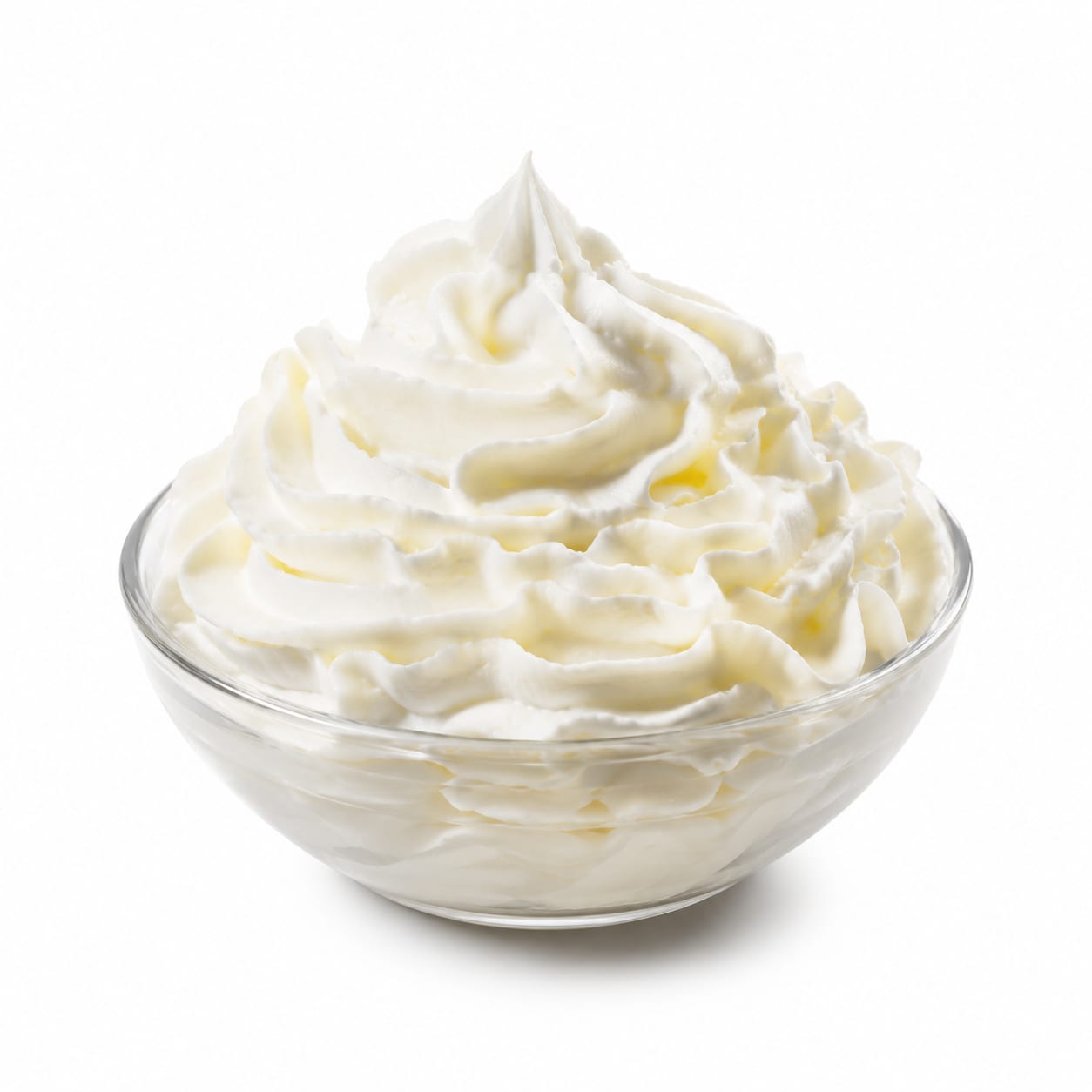
Whipping Cream
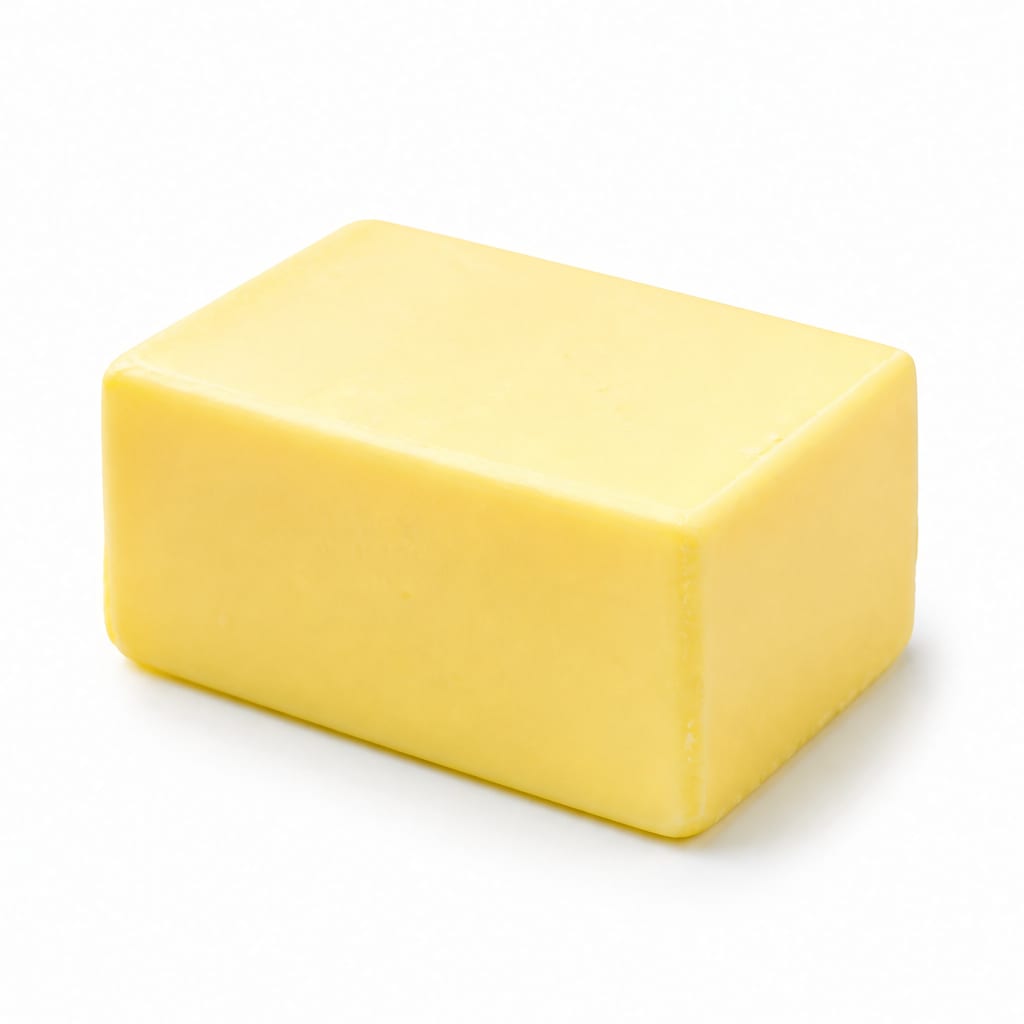
Butter
Butter is a more versatile, nearly zero-carb cooking fat, while Whipping Cream offers a lighter calorie load per volume for desserts and sauces.
Butter scores slightly higher due to its unmatched culinary versatility, zero carbs, and better digestive tolerance, though its extreme calorie density keeps the gap narrow.
You trade Butter's ultra-low carb profile and cooking versatility for Whipping Cream's lower calorie density and unique textural properties.
At a glance
Executive summary
Overall
It depends
Healthier
It depends
More practical
Butter
Daily use
Butter
Key comparison lenses
Fat concentration and calorie density
Butter is nearly pure fat while Whipping Cream retains significant water, drastically changing how calories add up per serving
Culinary application and practicality
They serve entirely different cooking purposes—sautéing versus whipping—which drives the practical choice more than nutrition
Lactose and carbohydrate tolerance
Butter has trace lactose, making it suitable for strict low-carb or sensitive diets, whereas Whipping Cream carries enough carbs to matter
Satiety and overeating risk
Both are rich, but Butter is incredibly easy to overconsume when melted into foods without noticing
Best choice for
Whipping Cream
- People wanting rich texture with fewer calories per spoon
- Those making creamy soups or whipped desserts
- Anyone needing volume and mouthfeel without pure fat density
Butter
- Strict low-carb or keto dieters
- People with lactose sensitivity
- Home cooks needing a versatile sautéing and baking fat
Least suitable for
Whipping Cream
- Strict keto dieters tracking every carb gram
- The severely lactose intolerant
- High-heat cooking like frying
Butter
- People strictly limiting saturated fat intake
- Those wanting airy, whipped dessert textures
- Anyone tracking calorie density per volume
Deep comparison
Dimension by dimension
Each lens scores both foods and breaks down who each option suits.
- Dimension 1 · Priority 95Whipping Cream
Calorie Density & Portion Control
Whipping Cream · 65Butter · 40Whipping Cream contains significant water, making it less calorie-dense per tablespoon than Butter, which is almost pure fat.
Tradeoff
Whipping Cream lets you add richness with fewer calories per spoon, but Butter delivers more flavor intensity in a tiny amount.
Why it matters
Overeating Butter is dangerously easy because it melts into everything unnoticed.
Real-world impact
A tablespoon of Butter packs over 100 calories, while the same amount of Whipping Cream is around 50.
Whipping Cream
- Managing calorie intake while keeping rich flavors
- Adding dairy fat to coffee or sauces without extreme calorie spikes
Better for
- Situations requiring concentrated energy in small amounts
Worse for
Butter
- Getting dense energy quickly
- Backpacking or situations needing high-calorie, low-weight foods
Better for
- Careless portion control leading to stealthy weight gain
Worse for
- Dimension 2 · Priority 85Butter
Carbohydrate & Lactose Load
Whipping Cream · 40Butter · 90Butter has negligible lactose and nearly zero carbs, while Whipping Cream contains enough lactose to matter for sensitive individuals.
Tradeoff
Butter is safer for strict low-carb or lactose-intolerant diets, whereas Whipping Cream might cause bloating or kick you out of ketosis in larger amounts.
Why it matters
If you are sensitive to dairy sugars, Butter is the clear winner for digestive comfort.
Real-world impact
Adding Whipping Cream to your coffee multiple times a day can add up to a surprising amount of carbs and stomach upset.
Whipping Cream
- Those who tolerate dairy well and want a slight sweetness
Better for
- Strict keto diets where every carb gram counts
Worse for
Butter
- Maintaining ketosis effortlessly
- Avoiding dairy-related digestive distress
Better for
- People who assume all dairy is equally high in carbs
Worse for
- Dimension 3 · Priority 90Butter
Culinary Versatility & Cooking
Whipping Cream · 55Butter · 90Butter is a foundational cooking fat for sautéing, baking, and spreading, while Whipping Cream is mostly limited to toppings, sauces, and desserts.
Tradeoff
Butter works in almost any dish, but Whipping Cream creates a unique airy texture when whipped that Butter cannot replicate.
Why it matters
Daily cooking relies heavily on a versatile fat like Butter, making it a more practical staple.
Real-world impact
You can fry eggs in Butter, but trying it in Whipping Cream would be a watery, splattering mess.
Whipping Cream
- Making mousse, whipped toppings, or creamy pasta sauces
Better for
- Any high-heat cooking application
Worse for
Butter
- Pan-frying and sautéing
- Baking pastries and cakes
- Spreading on toast or melting over vegetables
Better for
- Creating light, airy dessert textures
Worse for
- Dimension 4 · Priority 70Butter
Micronutrient Concentration
Whipping Cream · 55Butter · 75Because Butter is the concentrated fat of milk, it packs a heavier punch of fat-soluble vitamins like A, D, and K2 per serving compared to Whipping Cream.
Tradeoff
You get more vitamins per calorie from Butter, but you also get a massive dose of saturated fat to access them.
Why it matters
For nutrient density on a low-carb diet, Butter is a more efficient source of vitamins.
Real-world impact
A pat of Butter provides a notable chunk of your daily Vitamin A, while Whipping Cream requires a larger serving to match it.
Whipping Cream
- Getting vitamins with slightly less fat concentration
Better for
- Situations where you need high vitamin density without volume
Worse for
Butter
- Maximizing fat-soluble vitamin intake per gram consumed
Better for
- Those avoiding highly concentrated saturated fat sources
Worse for
Timeline
Health impact over time
Short-term
Hours to days
Whipping Cream
- Adds quick richness and a feeling of fullness from volume
- Lactose may cause slight bloating or gas in sensitive individuals
Butter
- Provides immediate dense energy and satiety, especially when paired with protein or carbs
- Virtually no digestive friction for lactose-sensitive people
Long-term
Months to years
Whipping Cream
- Regular heavy consumption can contribute to high saturated fat intake and weight gain
- The water content offers slight portion control over pure fats
Butter
- Daily heavy use significantly raises saturated fat and cholesterol intake
- Provides consistent fat-soluble vitamins and zero-carb energy for metabolic stability
Risk profile
Safety & processing
Both are simple dairy products. Whipping Cream is separated from milk and sometimes contains stabilizers like carrageenan to help it whip, while Butter is just churned cream, often with added salt.
Whipping Cream
Rapid spoilage
mediumWhipping Cream spoils quickly once opened and is highly prone to bacterial growth if left unrefrigerated.
Butter
Oxidation at high heat
lowButter can burn and oxidize at high temperatures, though this is more of a culinary issue than a severe health risk.
Who wins for whom
Audience fit
Same foods, different winners depending on your goal.
children
ButterButter is an easy way to add essential fats and fat-soluble vitamins to a child's meal without the digestive discomfort of lactose.
daily consumption
ButterButter is far more versatile for everyday cooking and eating, from morning eggs to dinner vegetables.
diabetes
ButterButter has virtually zero carbohydrates and will not spike blood sugar, whereas Whipping Cream contains trace carbs that can add up.
elderly
ButterButter is easier to digest due to minimal lactose and provides concentrated nutrients for smaller appetites.
muscle gain
ButterButter adds dense, zero-carb calories easily to meals, helping meet high energy demands without filling you up too fast.
weight loss
Whipping CreamWhipping Cream has lower calorie density per volume, making it slightly easier to fit into controlled portions without feeling deprived.
Your move
Decision guide
Choose Whipping Cream
- You are making whipped desserts, creamy soups, or rich sauces
- You want the mouthfeel of dairy with fewer calories per tablespoon
- You tolerate lactose well and prefer volume in your fats
Choose Butter
- You need a reliable, high-heat cooking fat for frying or sautéing
- You are strictly limiting carbs or have lactose intolerance
- You want maximum flavor and vitamin density in a small spread
Either works if
- You are simply looking to add richness to a dish and have no strict carb or calorie limits
- You tolerate dairy well and want healthy fats in your diet
Avoid both if
- You have a severe dairy allergy
- You are on a strict low-fat diet for heart disease management
Final recommendation
Keep both in the fridge, but lean on Butter for daily cooking and spreading, and save Whipping Cream for specific recipes where its unique texture and lighter volume shine.
Practical
Consumer tips
- 1
Check Whipping Cream labels for added stabilizers like carrageenan if you prefer a more natural product
- 2
Clarified butter or ghee removes the milk solids and lactose entirely if you love the taste but have severe dairy sensitivities
- 3
Whipping Cream whips up best when both the cream and the mixing bowl are ice-cold
- 4
If using Whipping Cream in coffee, a single tablespoon adds satisfying richness without a carb overload