
Nutrition comparison
Wheat vs White Rice: Which Grain is Healthier?
Compare Wheat and White Rice to see which is better for blood sugar, digestion, and weight loss. Learn the nutritional tradeoffs and when to choose each grain.
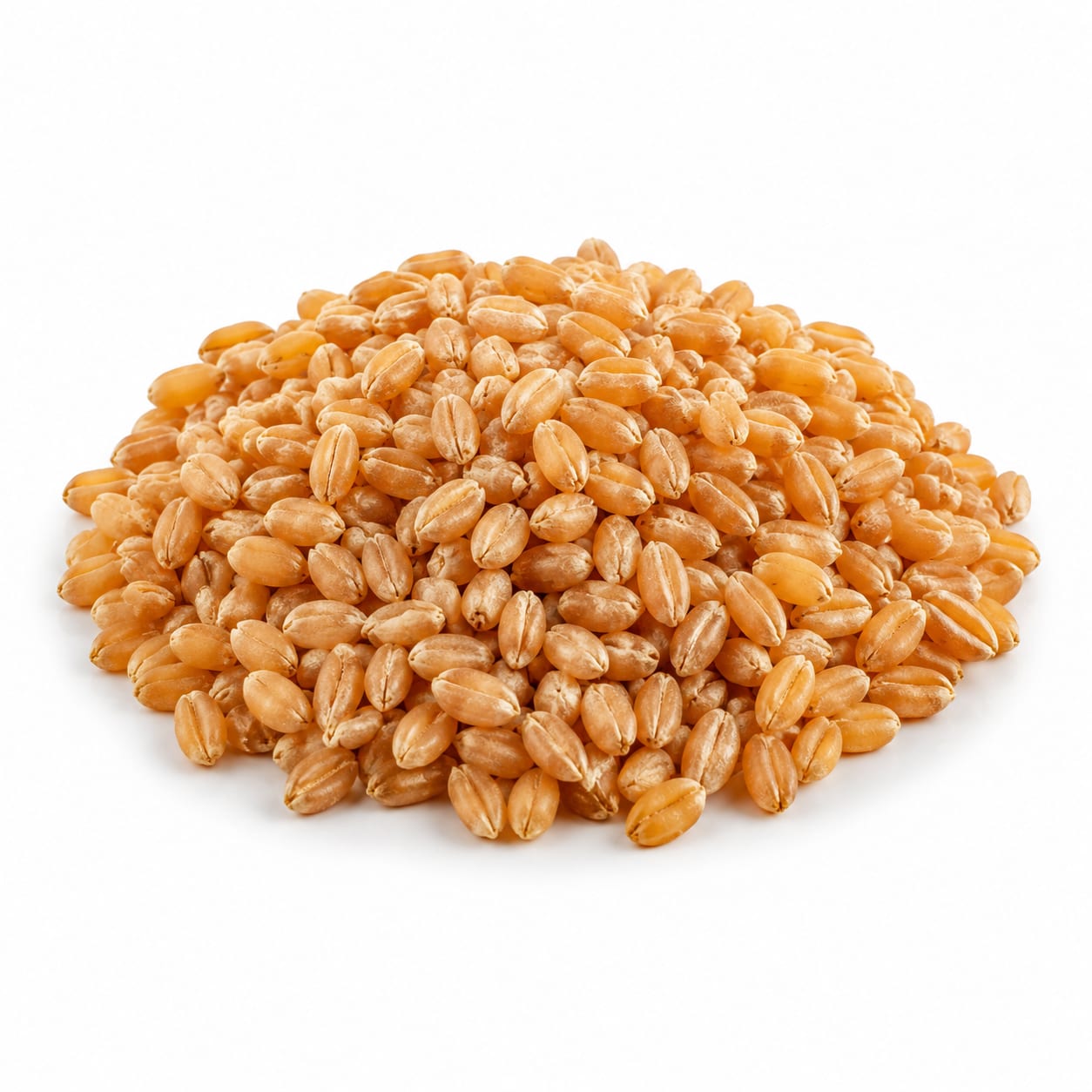
Wheat
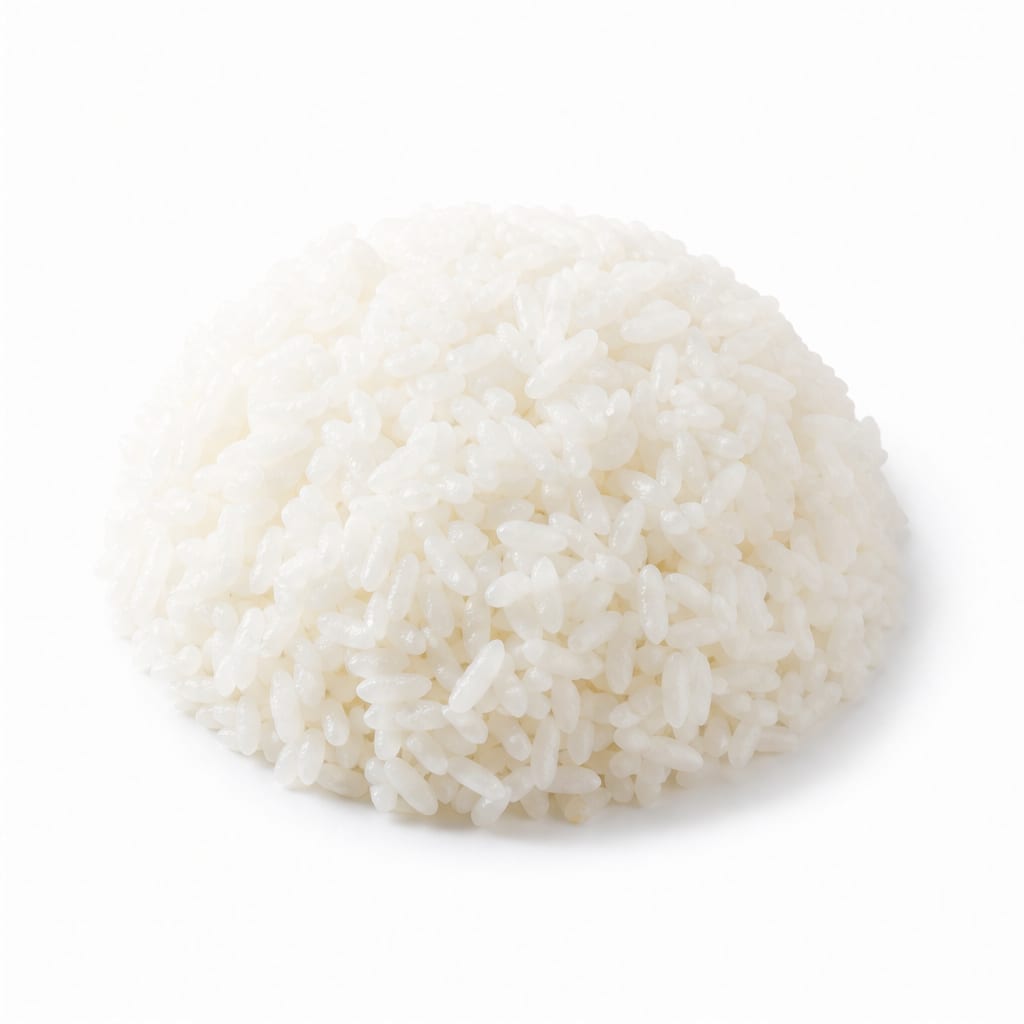
White Rice
Wheat wins for nutrition and blood sugar control, but White Rice is the better choice when you need gentle digestion or quick energy.
Wheat scores higher due to superior fiber, vitamin, and mineral content, but White Rice remains relevant for specific digestive and athletic contexts.
Fiber and steady energy from Wheat versus easy digestibility and rapid fuel from White Rice.
At a glance
Executive summary
Overall
It depends
Healthier
Wheat
More practical
White Rice
Daily use
Wheat
Key comparison lenses
Blood sugar management and glycemic impact
White Rice causes rapid blood sugar spikes while Wheat provides steadier energy due to its fiber content.
Digestive tolerance and gluten sensitivity
Wheat contains gluten which triggers issues for many, whereas White Rice is a universally safe comfort food for upset stomachs.
Nutrient density and satiety
Whole Wheat retains bran and germ offering more nutrients and fullness, while White Rice is stripped down to starchy endosperm.
Best choice for
Wheat
- Steady energy throughout the day
- Increasing daily fiber intake
- Managing blood sugar levels
- Feeling full longer between meals
White Rice
- Pre-workout or post-workout carb loading
- Soothing an upset stomach or digestive flare-up
- Gluten-free dietary needs
- Quick cooking meals on busy nights
Least suitable for
Wheat
- People with celiac disease or gluten intolerance
- Those experiencing acute gastrointestinal distress
- Individuals needing rapid glycogen replenishment
White Rice
- People managing type 2 diabetes or insulin resistance
- Those looking to increase fiber intake
- Anyone trying to avoid blood sugar crashes
Deep comparison
Dimension by dimension
Each lens scores both foods and breaks down who each option suits.
- Dimension 1 · Priority 95Wheat
Blood Sugar Stability
Wheat · 85White Rice · 30Wheat provides slow-burning energy while White Rice causes rapid spikes and crashes.
Tradeoff
You get quick energy from White Rice but sacrifice long-term metabolic stability.
Why it matters
Frequent blood sugar spikes lead to afternoon energy crashes and increased diabetes risk over time.
Real-world impact
Eating Wheat at lunch keeps you focused until dinner, whereas White Rice might leave you reaching for a snack by 3 PM.
Wheat
- Avoiding the afternoon energy crash
- Maintaining focus during long workdays
Better for
- Situations requiring immediate glucose availability
Worse for
White Rice
- Quickly refueling after an intense workout
Better for
- Sitting at a desk all day with minimal activity
Worse for
- Dimension 2 · Priority 90White Rice
Digestive Comfort
Wheat · 40White Rice · 95White Rice is extremely gentle on the gut, while Wheat can trigger bloating or immune reactions.
Tradeoff
You gain digestive peace of mind with White Rice but lose the gut-health benefits of Wheat fiber.
Why it matters
Gluten sensitivity and wheat intolerance are common, making White Rice a safer bet for sensitive stomachs.
Real-world impact
If you have IBS or a sensitive gut, White Rice feels comforting, whereas Wheat might leave you bloated and sluggish.
Wheat
- Feeding beneficial gut bacteria with prebiotic fiber
Better for
- Anyone with celiac disease or non-celiac gluten sensitivity
Worse for
White Rice
- Recovering from a stomach bug
- Managing IBS flare-ups
- Eating without fear of bloating
Better for
- Those needing to improve bowel regularity
Worse for
- Dimension 3 · Priority 85Wheat
Nutrient Density
Wheat · 90White Rice · 35Whole Wheat is packed with B vitamins, iron, and magnesium, while White Rice is mostly empty starch.
Tradeoff
White Rice offers clean calories without anti-nutrients, but Wheat delivers far more essential micronutrients.
Why it matters
Relying on White Rice as a staple can crowd out nutrient-dense foods, leading to subtle deficiencies over time.
Real-world impact
A Wheat-based diet supports energy production and immunity naturally, whereas White Rice often requires pairing with nutrient-rich sides to compensate.
Wheat
- Boosting B vitamin intake naturally
- Getting more iron from plant sources
Better for
- Those who need low-residue diets before medical procedures
Worse for
White Rice
- Eating before a race when you want pure carbs without fiber slowing you down
Better for
- People relying on a single staple grain for most of their calories
Worse for
- Dimension 4 · Priority 80Wheat
Satiety and Fullness
Wheat · 88White Rice · 45Wheat keeps you full for hours, while White Rice digests quickly and leaves you hungry sooner.
Tradeoff
White Rice is easier to eat in large quantities, which is great for athletes but tough for weight management.
Why it matters
Feeling full prevents overeating and unnecessary snacking between meals.
Real-world impact
A bowl of Wheat berries or whole wheat pasta is deeply satisfying, while a similar portion of White Rice might feel light and leave you wanting more.
Wheat
- Controlling portions without feeling deprived
- Staying satisfied during a calorie deficit
Better for
- When you actually need a light meal before exercise
Worse for
White Rice
- Athletes who struggle to eat enough calories
Better for
- Late-night snacking that leads to overeating
Worse for
Timeline
Health impact over time
Short-term
Hours to days
Wheat
- Sustained energy without the sugar crash
- Potential for bloating or gas if your body is not used to high fiber
- Increased feeling of fullness after meals
White Rice
- Quick burst of energy soon after eating
- Risk of feeling hungry again within an hour or two
- Soothing effect on an upset stomach
Long-term
Months to years
Wheat
- Lower risk of type 2 diabetes and heart disease due to fiber intake
- Improved gut microbiome diversity from prebiotic fibers
- Potential for chronic inflammation if you have undiagnosed gluten sensitivity
White Rice
- Increased risk of metabolic syndrome if consumed frequently without adequate protein and fat
- Possible weight gain due to low satiety and high calorie density
- Easier weight maintenance for those with high activity levels who tolerate it well
Risk profile
Safety & processing
Whole Wheat berries are a complete, unprocessed grain. Even whole wheat flour is simply milled grain. White Rice has been milled and polished to remove the bran and germ, stripping away most natural nutrients and leaving a refined carbohydrate.
Wheat
Gluten-related disorders
highCeliac disease and non-celiac gluten sensitivity affect a significant portion of the population, triggering severe autoimmune or inflammatory responses.
Pesticide residue (Glyphosate)
mediumConventionally grown wheat is often sprayed with glyphosate as a desiccant before harvest, leaving trace residues.
White Rice
Arsenic contamination
mediumRice naturally absorbs more arsenic from soil and water than other crops. White Rice has less than brown rice, but frequent consumption can still be a concern.
Who wins for whom
Audience fit
Same foods, different winners depending on your goal.
children
It dependsWhite Rice is often easier for picky eaters and sensitive little stomachs, but Wheat provides essential nutrients for growth. A mix of both is usually best.
daily consumption
WheatFor the average person, the fiber, vitamins, and minerals in Wheat make it a far superior daily staple than the empty carbs in White Rice.
diabetes
WheatThe fiber in Wheat slows sugar absorption, preventing the dangerous blood sugar spikes associated with White Rice.
elderly
White RiceWhite Rice is easier to chew and digest, which is crucial for aging digestive systems and dental issues, though nutrient density from Wheat is missed.
muscle gain
White RiceWhite Rice provides fast-digesting carbs that quickly replenish glycogen stores, and it is easy to consume in large amounts without feeling overly full.
weight loss
WheatWheat's high fiber content slows digestion and keeps you full longer, making it easier to eat fewer calories overall.
Your move
Decision guide
Choose Wheat
- You want steady energy and better blood sugar control
- You need more fiber in your diet to stay regular
- You have no issues digesting gluten
- You are looking to maximize the nutritional value of your meals
Choose White Rice
- You have celiac disease, gluten intolerance, or a sensitive stomach
- You need a quick carb source after intense exercise
- You are recovering from a stomach illness and need a bland diet
- You are struggling to eat enough calories and need an easily digestible source
Either works if
- You are mixing grains in a balanced diet with plenty of vegetables and protein
- You are cooking for a group with mixed dietary needs
Avoid both if
- You are on a strict ketogenic or very low-carb diet
- You are looking for a complete protein source rather than a carbohydrate base
Final recommendation
Make Wheat your default grain for daily meals to get the fiber and nutrients your body thrives on. Keep White Rice in your rotation for post-workout meals, stomach bugs, or when you need a gentle, gluten-free option. The best diet includes variety, so use both strategically based on how your body feels.
Practical
Consumer tips
- 1
If you find Wheat too heavy, try swapping to lighter ancient wheat varieties like farro or spelt.
- 2
Rinse White Rice before cooking to reduce surface arsenic and excess starch.
- 3
If you love White Rice but want better blood sugar control, cool it in the fridge after cooking. This creates resistant starch, which digests slower.
- 4
Pair White Rice with protein and healthy fats to blunt the blood sugar spike.
- 5
Look for whole wheat berries or bulgur for a less processed, chewier, and more satisfying Wheat experience.