
Nutrition comparison
Wheat vs Spelt: Nutritional Differences, Digestibility, and Which Grain Is Better for You
Compare wheat and spelt side by side. Spelt offers more protein, fiber, and minerals with gentler gluten, but wheat is cheaper and more available. Learn which ancient vs modern grain fits your health goals and budget.
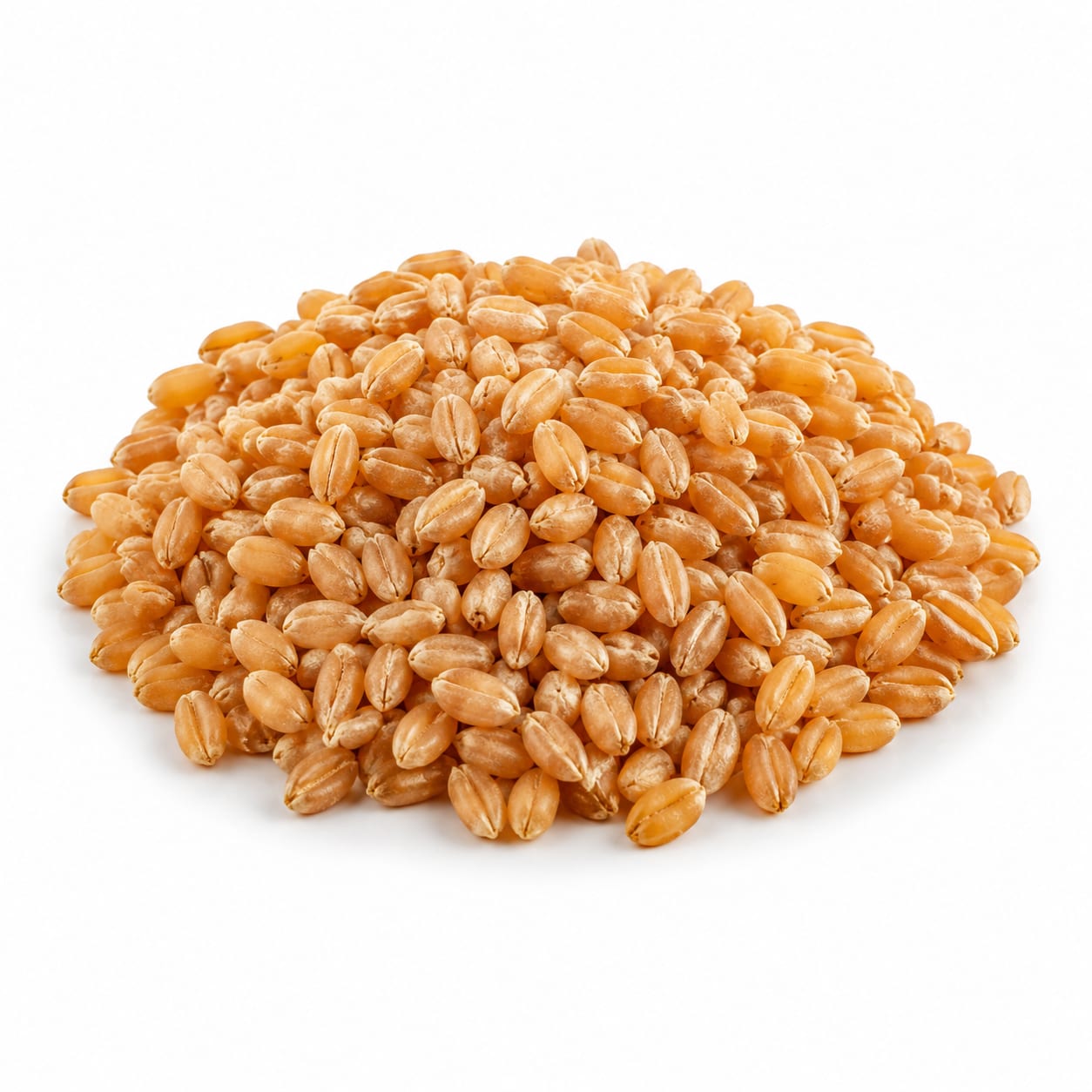
Wheat
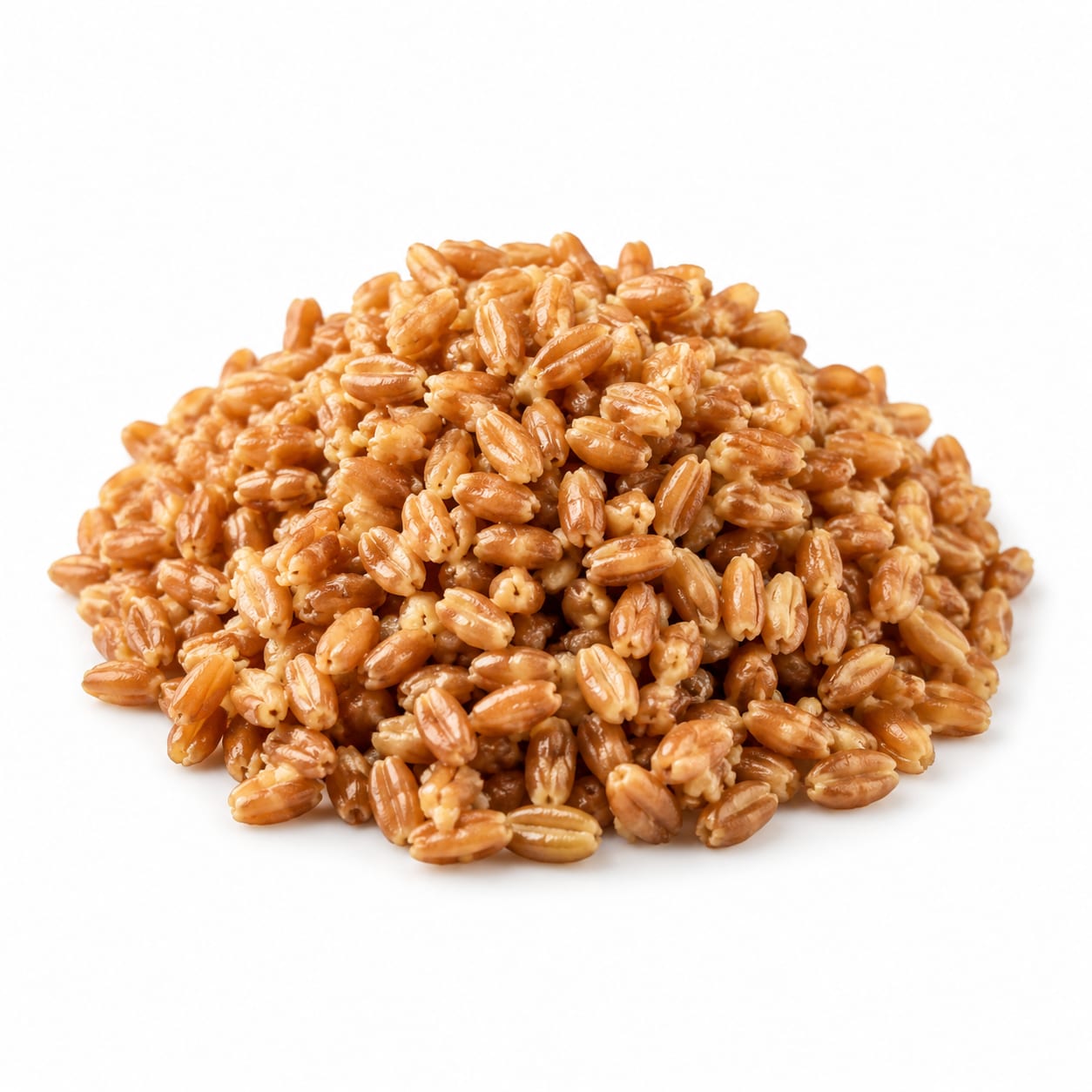
Spelt
Spelt offers more nutrients and gentler gluten, but wheat is far more practical and affordable for everyday eating.
Spelt wins on nutritional density and digestibility, but wheat's massive advantage in cost, availability, and versatility keeps it competitive. The gap reflects spelt's genuine health edge tempered by real-world practicality.
You gain mineral density and easier digestion with spelt, but sacrifice convenience, availability, and cost-effectiveness.
At a glance
Executive summary
Overall
It depends
Healthier
Spelt
More practical
Wheat
Daily use
It depends
Key comparison lenses
ancient grain vs modern grain nutritional density
Spelt is an ancient grain with less breeding modification, while modern wheat has been optimized for yield and processing qualities over decades
gluten sensitivity and digestibility differences
Many people exploring spelt do so because they experience discomfort with modern wheat, making gluten structure a critical comparison point
mineral and micronutrient content
Spelt consistently shows higher mineral levels, which matters for people seeking nutrient-dense whole grains
blood sugar stability
Both are carbohydrate-heavy grains, so glycemic impact is a real concern for daily consumers
practical availability and cost
Wheat is ubiquitous and cheap; spelt is specialty and pricier, affecting long-term sustainability of either choice
Best choice for
Wheat
- People on tight budgets who need affordable whole grains
- Families who bake frequently and need reliable, consistent flour
- Anyone who values easy availability at any grocery store
- Those who need standardized baking results for recipes
Spelt
- People with mild wheat sensitivity who tolerate spelt better
- Nutrient-focused eaters wanting higher mineral intake per calorie
- Sourdough bakers seeking complex flavor and better fermentation
- Those avoiding heavily bred modern crop varieties
Least suitable for
Wheat
- People with non-celiac wheat sensitivity seeking alternatives
- Those prioritizing maximum micronutrient density per serving
- Anyone avoiding modern high-yield crop varieties
Spelt
- Anyone with celiac disease or confirmed gluten intolerance
- Budget-conscious shoppers needing affordable staples
- People who need ingredients available at any standard store
Deep comparison
Dimension by dimension
Each lens scores both foods and breaks down who each option suits.
- Dimension 1 · Priority 95Spelt
Nutritional Density
Wheat · 58Spelt · 78Spelt delivers more protein, fiber, iron, magnesium, and zinc per serving than modern wheat.
Tradeoff
You pay a premium price for that extra nutritional punch, which may not matter if your diet is already mineral-rich.
Why it matters
Higher mineral content supports energy, immunity, and bone health without needing supplements.
Real-world impact
Choosing spelt bread over wheat bread gives you roughly 20-30% more iron and magnesium per slice, which adds up over daily consumption.
Wheat
- Those already eating a varied, mineral-rich diet
Better for
- People relying on grains as a primary mineral source
Worse for
Spelt
- Vegetarians needing plant-based iron sources
- Women concerned about magnesium and iron intake
- Anyone eating grain-heavy diets where marginal nutrient gains compound
Better for
- Budget-limited households where cost per nutrient matters
Worse for
- Dimension 2 · Priority 90Spelt
Gluten Quality and Digestibility
Wheat · 45Spelt · 62Spelt's gluten is more fragile and water-soluble, making it easier to break down during digestion for many people.
Tradeoff
Neither grain is safe for celiac disease. Spelt's advantage only applies to mild sensitivity, not true gluten disorders.
Why it matters
Modern wheat gluten is stronger and more elastic, which is great for fluffy bread but harder on sensitive digestive systems.
Real-world impact
People who feel bloated after wheat pasta often find spelt pasta more comfortable, though individual responses vary widely.
Wheat
- Traditional bread bakers needing strong gluten structure for high-risen loaves
Better for
- Anyone experiencing bloating or discomfort after eating wheat products
Worse for
Spelt
- People with mild wheat sensitivity who have tested spelt tolerance
- Sourdough bakers benefiting from spelt's easier gluten breakdown during fermentation
Better for
- Anyone with celiac disease or diagnosed gluten intolerance
Worse for
- Dimension 3 · Priority 80Spelt
Blood Sugar Stability
Wheat · 55Spelt · 65Whole spelt generally has a slightly lower glycemic impact than whole wheat due to its higher fiber and different starch structure.
Tradeoff
The difference is modest and disappears entirely if you compare refined wheat flour to whole spelt, or vice versa.
Why it matters
Steadier blood sugar means fewer energy crashes and less craving between meals.
Real-world impact
A spelt grain bowl keeps you satisfied slightly longer than a wheat grain bowl, but the gap shrinks if both are whole grains.
Wheat
- Refined wheat products are still decent when paired with protein and fat
Better for
- Anyone eating refined wheat products without balancing macronutrients
Worse for
Spelt
- People managing prediabetes who want every marginal glycemic advantage
- Those prone to afternoon energy crashes after grain-heavy lunches
Better for
- People assuming spelt is automatically low-glycemic and overconsuming it
Worse for
- Dimension 4 · Priority 75Wheat
Availability and Practicality
Wheat · 92Spelt · 40Wheat is everywhere, in every form, at every price point. Spelt requires specialty stores or online ordering in many areas.
Tradeoff
Convenience comes at the cost of nutritional quality and digestibility.
Why it matters
The healthiest grain only works if you can actually buy and use it consistently.
Real-world impact
You can find wheat flour at any corner store. Spelt flour might require a trip to a health food shop or a bulk online order.
Wheat
- Busy households needing ingredients on hand immediately
- Rural shoppers with limited store options
- Anyone who meal preps around standard grocery staples
Better for
- No significant practical downside beyond nutritional compromises
Worse for
Spelt
- Urban dwellers near specialty markets
- Online shoppers comfortable with bulk ordering
Better for
- Anyone without reliable access to specialty or health food stores
Worse for
- Dimension 5 · Priority 70It depends
Flavor and Culinary Versatility
Wheat · 72Spelt · 74Spelt has a deeper, nuttier flavor that many find more interesting. Wheat is milder and more neutral, making it more versatile across recipes.
Tradeoff
Spelt's distinctive taste can overpower delicate dishes, while wheat blends into almost anything seamlessly.
Why it matters
Enjoyment drives long-term dietary habits. A grain you actually like eating wins over one you tolerate.
Real-world impact
Spelt makes incredible rustic breads and hearty grain bowls. Wheat works better for neutral pasta, delicate pastries, and everyday sandwich bread.
Wheat
- Baking where you want a neutral base flavor
- Recipes requiring consistent, predictable texture results
Better for
- Cooks seeking distinctive, memorable grain flavors
Worse for
Spelt
- Artisan bread baking where complex flavor is the goal
- Hearty grain salads and bowls where nutty flavor shines
Better for
- Delicate baking where spelt's flavor overwhelms other ingredients
Worse for
- Dimension 6 · Priority 70Wheat
Cost and Value
Wheat · 88Spelt · 42Wheat is one of the cheapest staple grains globally. Spelt typically costs 2-4 times more per pound.
Tradeoff
Spelt's higher nutrient density partially justifies the cost, but the price gap is still significant for budget-conscious eaters.
Why it matters
If a grain is too expensive to eat regularly, its nutritional advantages become theoretical rather than practical.
Real-world impact
A family of four eating wheat-based meals daily might spend $15-20 weekly on grains. Switching to spelt could double or triple that.
Wheat
- Large families feeding many people affordably
- Students and young adults on tight food budgets
Better for
- No real cost downside unless you factor in potential long-term health costs of lower nutrient intake
Worse for
Spelt
- Single professionals or couples with more food budget flexibility
- Those treating grain quality as a health investment
Better for
- Anyone who needs to stretch food dollars across a whole household
Worse for
Timeline
Health impact over time
Short-term
Hours to days
Wheat
- Modern wheat's stronger gluten can cause bloating and discomfort in sensitive individuals within hours
- Refined wheat products cause quicker blood sugar spikes followed by energy dips
- Standard wheat pasta and bread are familiar and satisfying, making them emotionally comforting
Spelt
- Many people with mild wheat sensitivity report less bloating and digestive discomfort after spelt meals
- Whole spelt provides steadier energy with less pronounced sugar crashes
- Spelt's nuttier flavor feels more satisfying and substantial to many eaters
Long-term
Months to years
Wheat
- Heavy reliance on refined wheat contributes to chronic mineral shortfalls, especially iron and magnesium
- Modern wheat's gluten structure may contribute to increasing wheat sensitivity prevalence over decades
- Whole wheat remains a solid staple that supports consistent fiber intake when chosen over refined versions
Spelt
- Higher mineral intake from spelt supports long-term bone density, energy metabolism, and immune function
- Spelt's easier-to-digest gluten may reduce cumulative digestive stress over years of consumption
- The cost barrier may lead to inconsistent use, reducing long-term health benefits
Risk profile
Safety & processing
Modern wheat is heavily bred for industrial processing efficiency, and most wheat products undergo significant refinement. Spelt's hull protects the grain naturally, reducing the need for chemical processing, and spelt products are more commonly sold in whole grain form.
Wheat
Pesticide residue
mediumConventional wheat is heavily treated with pesticides and often sprayed with glyphosate as a pre-harvest desiccant, leaving residues in final products.
Contamination with refined flour
lowProducts labeled 'wheat' may contain refined flour stripped of nutrients, making it harder to know what you are actually eating.
Spelt
Cross-contamination with wheat
mediumSpelt is often processed in facilities that handle wheat, creating contamination risk for highly sensitive individuals.
Mislabeled gluten-free status
highSome people incorrectly assume spelt is gluten-free. It contains gluten and is dangerous for anyone with celiac disease.
Who wins for whom
Audience fit
Same foods, different winners depending on your goal.
children
WheatWheat's mild flavor, familiar texture, and lower cost make it more practical for feeding children who may resist spelt's stronger taste.
daily consumption
It dependsSpelt wins nutritionally, but wheat wins on sustainability and cost. The best daily grain is whichever you can consistently afford and enjoy.
diabetes
SpeltWhole spelt's marginally lower glycemic impact and higher fiber make it a slightly safer choice for blood sugar management, though whole wheat is also acceptable.
elderly
SpeltOlder adults benefit more from spelt's higher mineral density, particularly iron and magnesium, which become increasingly important with age.
muscle gain
It dependsBoth grains provide similar carbohydrate energy for training. Spelt has slightly more protein, but neither is a primary protein source for muscle building.
weight loss
SpeltSpelt's higher fiber and protein content per calorie promotes greater fullness, making portion control easier.
Your move
Decision guide
Choose Wheat
- You need affordable, accessible staple grains for a household budget
- You bake frequently and need predictable, consistent results
- Nobody in your family has wheat sensitivity issues
- Convenience matters more than marginal nutritional gains
Choose Spelt
- You experience mild bloating or discomfort after eating wheat products
- You want maximum nutrient density from your grain choices
- You enjoy complex, nutty flavors in breads and grain bowls
- You have the budget and access to make spelt a regular staple
Either works if
- You have no digestive issues with either grain
- You already eat a varied, nutrient-rich diet beyond grains
- You are choosing whole grain versions of either option
Avoid both if
- You have celiac disease or confirmed gluten intolerance
- You are following a grain-free or paleo-style dietary approach
- You experience significant blood sugar instability from carbohydrate-heavy meals
Final recommendation
If your body tolerates wheat well and budget matters, whole wheat is perfectly fine. If you feel better eating spelt and can afford it, the nutritional edge is real and worth the premium. The most important thing is choosing whole grain versions of whichever you pick, since refined wheat and refined spelt both lose most of their advantages.
Practical
Consumer tips
- 1
Always choose whole grain versions of either wheat or spelt. Refined versions of both lose most fiber and minerals.
- 2
If trying spelt for the first time, start with spelt pasta or flour in a familiar recipe. The flavor shift is noticeable but pleasant.
- 3
Sourdough fermentation improves digestibility for both grains. Spelt sourdough is particularly gentle on sensitive stomachs.
- 4
Buy organic wheat when possible to avoid glyphosate residues from pre-harvest spraying, which is common in conventional wheat.
- 5
Never assume spelt is safe for celiac disease. It contains gluten and can trigger serious reactions in diagnosed individuals.
- 6
Mix the two: using half wheat and half spelt flour in baking gives you some nutritional upgrade while keeping costs and flavor manageable.