
Nutrition comparison
Wheat vs Quinoa: Which Grain Is Actually Better for You?
Complete comparison of wheat and quinoa covering protein quality, gluten, blood sugar impact, cost, and digestibility. Find out which grain fits your health goals and budget.
Overall winner · Quinoa
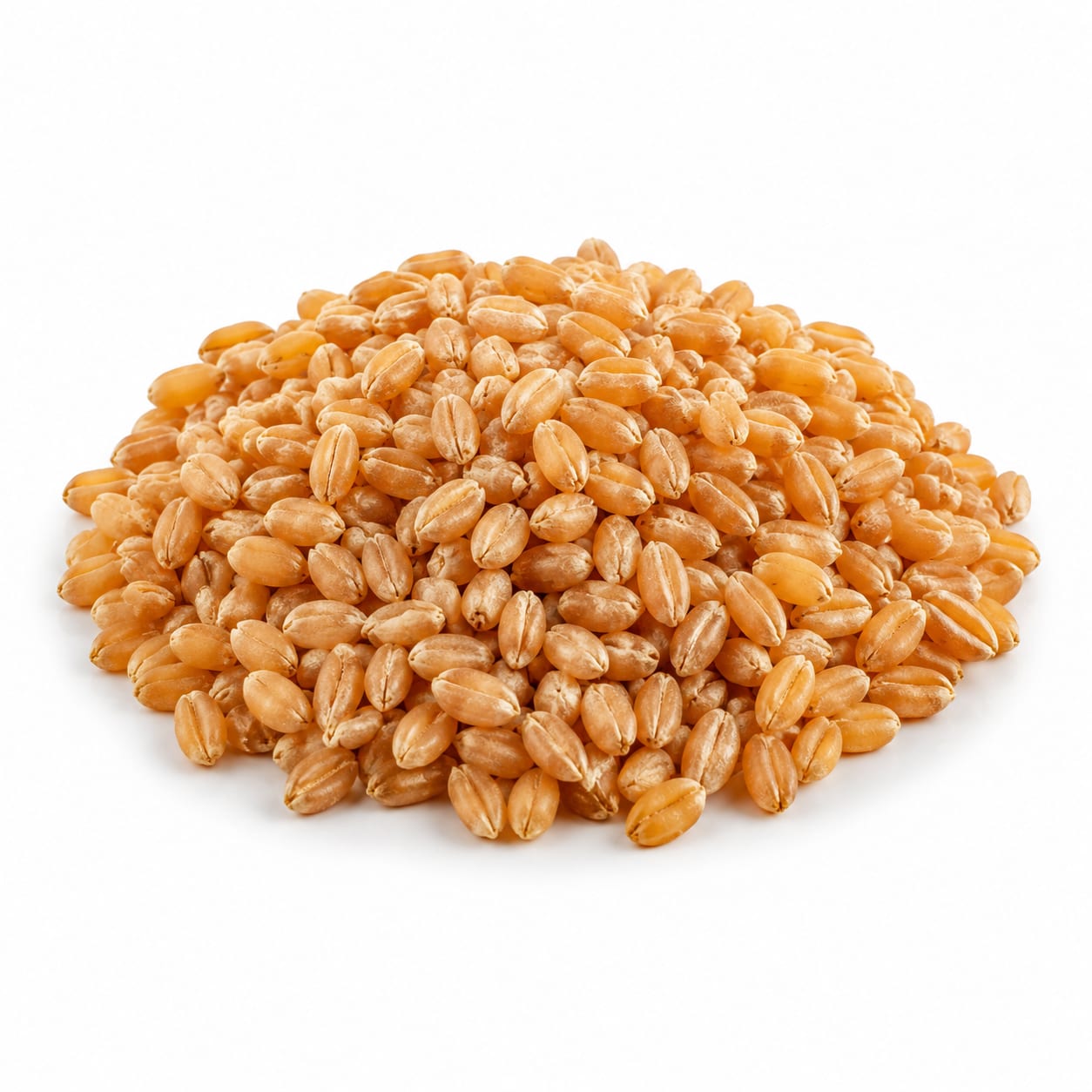
Wheat
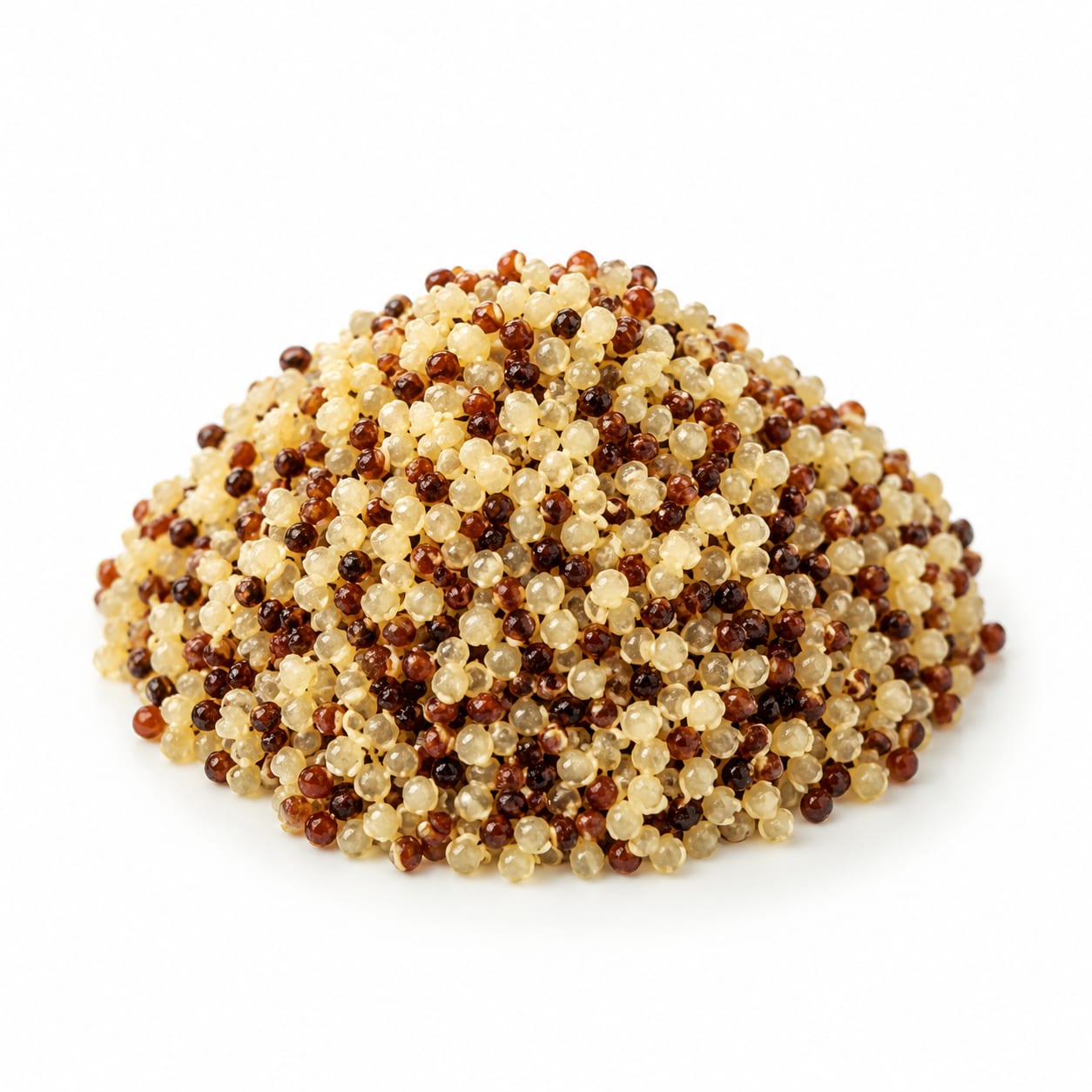
Quinoa
Quinoa wins on nutrition and digestibility, but Wheat wins on cost and versatility. The right choice depends on your body and budget.
Quinoa scores notably higher due to complete protein, gluten-free status, and superior micronutrient density. Wheat remains relevant for its unmatched affordability and culinary range, but its gluten content and frequent overprocessing pull its score down.
Quinoa gives you complete protein and gluten-free eating at a higher price. Wheat gives you affordable, familiar versatility but carries gluten risk and lower protein quality.
At a glance
Executive summary
Overall
Quinoa
Healthier
Quinoa
More practical
Wheat
Daily use
It depends
Key comparison lenses
gluten tolerance and digestive compatibility
Wheat contains gluten which triggers issues for a significant portion of the population, while quinoa is naturally gluten-free
protein completeness for plant based diets
Quinoa is one of the few plant foods with all nine essential amino acids, making it a rare complete protein grain alternative
blood sugar management and satiety
Both are carbohydrate staples but differ significantly in glycemic impact and how steadily they deliver energy
nutrient density per calorie
Users comparing these staples want to know which delivers more vitamins and minerals for the same caloric investment
cost and everyday practicality
Wheat is dramatically cheaper and more available worldwide, while quinoa carries a premium price that affects daily feasibility
Best choice for
Wheat
- Budget-conscious households needing affordable calories
- People without gluten sensitivity who want versatile cooking options
- Bakers and anyone making bread, pasta, or pastries at home
- Athletes who tolerate gluten and need cheap carb fuel
Quinoa
- Anyone with celiac disease or gluten intolerance
- Plant-based eaters needing complete protein sources
- People managing blood sugar who want steadier energy
- Those prioritizing nutrient density over cost
Least suitable for
Wheat
- Anyone with celiac disease or non-celiac gluten sensitivity
- People following a low-FODMAP diet for IBS
- Those with wheat allergy
Quinoa
- Strict budget households where cost per calorie matters most
- People who dislike the earthy flavor or texture
- Anyone with oxalate-sensitive kidney issues
Deep comparison
Dimension by dimension
Each lens scores both foods and breaks down who each option suits.
- Dimension 1 · Priority 90Quinoa
Protein Quality & Completeness
Wheat · 42Quinoa · 88Quinoa delivers all nine essential amino acids in meaningful amounts. Wheat protein is deficient in lysine, making it incomplete on its own.
Tradeoff
You pay more for quinoa's complete protein, but you avoid needing to pair it with legumes or dairy to fill amino acid gaps.
Why it matters
Incomplete proteins require food combining to support muscle maintenance and immune function. Complete proteins simplify meal planning, especially for vegetarians.
Real-world impact
A quinoa bowl alone covers your amino acid needs. A wheat-based meal needs beans, cheese, or eggs added to achieve the same protein quality.
Wheat
- Non-vegetarians who already eat complete proteins from animal sources
Better for
- Plant-based eaters not combining wheat with lysine-rich foods
Worse for
Quinoa
- Vegetarians and vegans relying on grains for protein
- Anyone eating grain-only meals who wants full amino acid coverage
Better for
- No real downside here — quinoa's protein profile is objectively superior
Worse for
- Dimension 2 · Priority 95Quinoa
Gluten & Digestive Tolerance
Wheat · 30Quinoa · 92Wheat contains gluten, which triggers serious reactions in celiac patients and discomfort in many others. Quinoa is naturally gluten-free and well-tolerated.
Tradeoff
If you tolerate gluten perfectly, this dimension matters less. But for the roughly 6-7% of people with gluten-related disorders, this is the deciding factor.
Why it matters
Gluten reactions range from severe intestinal damage to bloating, brain fog, and fatigue. Many people feel significantly better off wheat without realizing it was the cause.
Real-world impact
Switching from wheat to quinoa often resolves unexplained bloating, fatigue, and digestive discomfort within weeks.
Wheat
- People with confirmed gluten tolerance and no digestive symptoms
Better for
- Celiac patients — wheat is genuinely dangerous
- People with non-celiac gluten sensitivity
- Anyone on a low-FODMAP protocol
Worse for
Quinoa
- Anyone with celiac disease, gluten sensitivity, or wheat allergy
- People with IBS who benefit from gluten-free eating
- Those experiencing unexplained bloating or fatigue after wheat meals
Better for
- People with rare oxalate sensitivity who may react to quinoa
Worse for
- Dimension 3 · Priority 85Quinoa
Blood Sugar Stability
Wheat · 50Quinoa · 75Quinoa has a lower glycemic index and more fiber, leading to steadier blood sugar. Whole wheat is moderate, but refined wheat products cause sharp spikes.
Tradeoff
Whole wheat berries and bulgur are better than white flour, but most wheat people actually eat is refined. Quinoa consistently delivers slower energy release regardless of form.
Why it matters
Blood sugar crashes drive afternoon fatigue, cravings, and overeating. Steadier energy means fewer snack attacks and better focus.
Real-world impact
A quinoa lunch keeps you satisfied and focused until dinner. A white pasta lunch often leaves you hungry and sluggish by 3 PM.
Wheat
- Endurance athletes who need quick carbs during activity
- People eating whole wheat berries or bulgur, not refined flour
Better for
- People eating refined wheat products like white bread and regular pasta
- Anyone monitoring blood sugar closely
Worse for
Quinoa
- People with prediabetes or diabetes
- Anyone trying to reduce afternoon energy crashes
- Those managing cravings and emotional eating
Better for
- No significant downside — quinoa's glycemic profile is consistently favorable
Worse for
- Dimension 4 · Priority 80Quinoa
Nutrient Density
Wheat · 48Quinoa · 83Quinoa packs more magnesium, iron, zinc, folate, and manganese per serving. Wheat loses significant nutrients during milling unless it's whole grain.
Tradeoff
Whole wheat is decent, but quinoa still edges it out on most micronutrients. The gap widens dramatically against refined wheat flour.
Why it matters
Micronutrient deficiencies drive fatigue, poor immunity, and slow recovery. Getting more from your staple carbs means your overall diet works harder for you.
Real-world impact
Choosing quinoa over refined wheat is like getting a multivitamin built into your carb source. Every meal contributes more to your baseline nutrition.
Wheat
- People eating true whole wheat with bran and germ intact
Better for
- People eating white flour products — most wheat consumed is refined
- Those relying on wheat as a primary mineral source
Worse for
Quinoa
- Anyone eating mostly refined grains who wants to upgrade
- People with higher iron or magnesium needs, including women and athletes
Better for
- People with oxalate-related kidney stone concerns
Worse for
- Dimension 5 · Priority 75Wheat
Practicality & Affordability
Wheat · 88Quinoa · 48Wheat is one of the cheapest calorie sources globally and available everywhere. Quinoa costs 3-5 times more and may be harder to find in some regions.
Tradeoff
You pay a real premium for quinoa's nutritional advantages. For large families or tight budgets, wheat's affordability is not a small thing.
Why it matters
The healthiest food only works if you can afford to eat it consistently. Wheat's low cost makes sustainable daily eating realistic for most people.
Real-world impact
Feeding a family of four on quinoa-based meals can cost significantly more per week than wheat-based meals. Budget matters for long-term adherence.
Wheat
- Families on tight grocery budgets
- Anyone buying in bulk for cost savings
- People in regions where quinoa is imported and expensive
Better for
- No affordability downside — wheat is among the cheapest staples available
Worse for
Quinoa
- Single professionals or small households where the cost difference is manageable
- People who view food as a health investment
Better for
- Budget-constrained households
- Anyone feeding a large family daily
Worse for
- Dimension 6 · Priority 70Wheat
Culinary Versatility
Wheat · 90Quinoa · 55Wheat makes bread, pasta, pastry, tortillas, couscous, and dozens of other foods. Quinoa works well as a side dish or salad base but has limited culinary forms.
Tradeoff
Wheat's gluten is what makes it so versatile in cooking — it's also what makes it problematic for many people. Quinoa's simplicity is both a strength and a limitation.
Why it matters
If you love baking or need variety in your meals, wheat offers far more options. Quinoa can feel repetitive if you eat it daily.
Real-world impact
You can build an entire cuisine around wheat. With quinoa, you mostly get grain bowls, sides, and salads — delicious but less varied.
Wheat
- Home bakers who make bread, pizza, or pastries
- Anyone who loves pasta and wants traditional texture
- People who value meal variety and culinary exploration
Better for
- People who want to reduce gluten but still bake — difficult without wheat
Worse for
Quinoa
- People who prefer simple, quick-cooking grain sides
- Anyone meal-prepping grain bowls for the week
Better for
- Anyone wanting to make bread or pasta from scratch
- People who get bored eating similar textures repeatedly
Worse for
Timeline
Health impact over time
Short-term
Hours to days
Wheat
- Can cause bloating and digestive discomfort in gluten-sensitive individuals within hours
- Refined wheat products lead to quick blood sugar spikes followed by energy crashes
- Whole wheat provides decent satiety and steady energy for those who tolerate it
Quinoa
- Generally easy on digestion with minimal bloating for most people
- Provides steady, sustained energy without sharp blood sugar swings
- Unrinsed quinoa can taste bitter due to saponin coating
Long-term
Months to years
Wheat
- Regular consumption of refined wheat is linked to increased inflammation and metabolic issues
- Undiagnosed celiac disease with continued wheat consumption causes progressive intestinal damage
- Whole wheat consumed by tolerant individuals supports heart health and regular digestion
Quinoa
- Consistent quinoa intake supports better magnesium status, which benefits heart and bone health
- Complete protein from quinoa helps preserve muscle mass in aging populations
- Gluten-free nature reduces chronic low-grade inflammation in sensitive individuals
Risk profile
Safety & processing
Whole wheat berries are minimally processed, but most wheat people eat is refined flour with nutrients stripped and sometimes added back. Commercial wheat products often contain preservatives, dough conditioners, and fortification additives. Quinoa is typically sold as a whole seed with minimal processing — just harvested, cleaned, and dried.
Wheat
Gluten-related disorders
highCeliac disease affects ~1% of the population, and non-celiac gluten sensitivity may affect up to 6%. Reactions range from intestinal damage to systemic inflammation.
FODMAP intolerance
mediumWheat is high in fructans, a FODMAP that triggers IBS symptoms in sensitive individuals including gas, pain, and irregular bowel habits.
Pesticide residue
mediumConventionally grown wheat is often treated with glyphosate as a pre-harvest desiccant, leaving trace residues in the final product.
Refined flour overconsumption
mediumMost wheat consumed is refined, which strips fiber and nutrients, promoting overeating and metabolic issues when it becomes a dietary staple.
Quinoa
Saponin residue
lowQuinoa naturally contains bitter saponins on its seed coat. Most commercial quinoa is pre-rinsed, but unwashed quinoa can cause mild stomach irritation and tastes very bitter.
Oxalate content
lowQuinoa contains moderate oxalates, which may be a concern for people prone to calcium oxalate kidney stones.
Cross-contamination with gluten
lowSome quinoa processing facilities also handle wheat, so celiac patients should look for certified gluten-free labels.
Who wins for whom
Audience fit
Same foods, different winners depending on your goal.
children
It dependsWheat is more familiar and accepted by most kids, making it easier to get them to eat. Quinoa offers better nutrition but may be rejected due to texture and taste. Mix both for the best outcome.
daily consumption
It dependsQuinoa is nutritionally superior for daily use, but wheat's affordability and familiarity make it more sustainable long-term for most households. The best daily staple is whichever you can consistently afford and enjoy.
diabetes
QuinoaQuinoa's lower glycemic index and higher fiber content create more predictable blood sugar responses, making carb management easier.
elderly
QuinoaOlder adults benefit more from quinoa's complete protein for muscle preservation, higher magnesium for bone health, and easier digestion if gluten sensitivity develops with age.
muscle gain
QuinoaQuinoa provides complete protein with all essential amino acids, supporting muscle repair more effectively than wheat's incomplete protein profile.
weight loss
QuinoaQuinoa's higher protein and fiber content creates more satiety per calorie, reducing the urge to overeat. Its lower glycemic impact also helps control hunger hormones.
Your move
Decision guide
Choose Wheat
- You have no gluten sensitivity and want an affordable, versatile staple
- Budget is a primary concern and you're feeding a family
- You bake regularly and need flour for bread, pizza, or pastries
- You're an endurance athlete who needs cheap, accessible carb fuel
Choose Quinoa
- You have celiac disease, gluten sensitivity, or wheat allergy
- You eat plant-based and want complete protein from your grains
- You're managing blood sugar, prediabetes, or diabetes
- Nutrient density matters more to you than cost
- You experience bloating or fatigue after wheat-based meals
Either works if
- You tolerate gluten well and enjoy both foods
- You want variety in your grain rotation for broader nutrient intake
- You're cooking for a group with mixed dietary needs
Avoid both if
- You're on a strict very-low-carb or ketogenic diet
- You have severe grain or seed allergies that encompass both
Final recommendation
If your body handles gluten without issues, wheat remains a practical and affordable staple — especially in whole grain form. But if you've never tried removing wheat to see how you feel, quinoa is worth a two-week test. Many people discover they feel lighter, less bloated, and more energized without realizing wheat was dragging them down. For most people, the ideal approach is using quinoa as a primary grain and keeping whole wheat for occasions where its culinary versatility shines. Prioritize how you feel over what's conventional.
Practical
Consumer tips
- 1
Always rinse quinoa under running water for 30 seconds before cooking to remove bitter saponins, even if the package says pre-rinsed
- 2
If switching from wheat to quinoa, cook a large batch on Sunday and portion it for the week — it reheats well and saves time
- 3
Choose whole wheat over refined whenever possible — the nutritional gap between whole wheat and quinoa is much smaller than between white flour and quinoa
- 4
Look for certified gluten-free quinoa if you have celiac disease, as cross-contamination in processing facilities is common
- 5
Mix quinoa with brown rice or lentils to stretch your budget while still getting quinoa's nutritional benefits
- 6
If wheat causes bloating but you're not sure about gluten, try a two-week wheat-free trial with quinoa and observe how you feel
- 7
Sprouted wheat products are easier to digest and may reduce some gluten-related discomfort for mildly sensitive people
- 8
Red and black quinoa varieties have slightly higher antioxidant content than white quinoa, though all colors are nutritionally similar