
Nutrition comparison
Wheat vs Oats: Which Grain is Healthier?
Compare wheat vs oats for heart health, blood sugar, and digestion. Discover which grain is better for weight loss and daily energy.
Overall winner · Oats
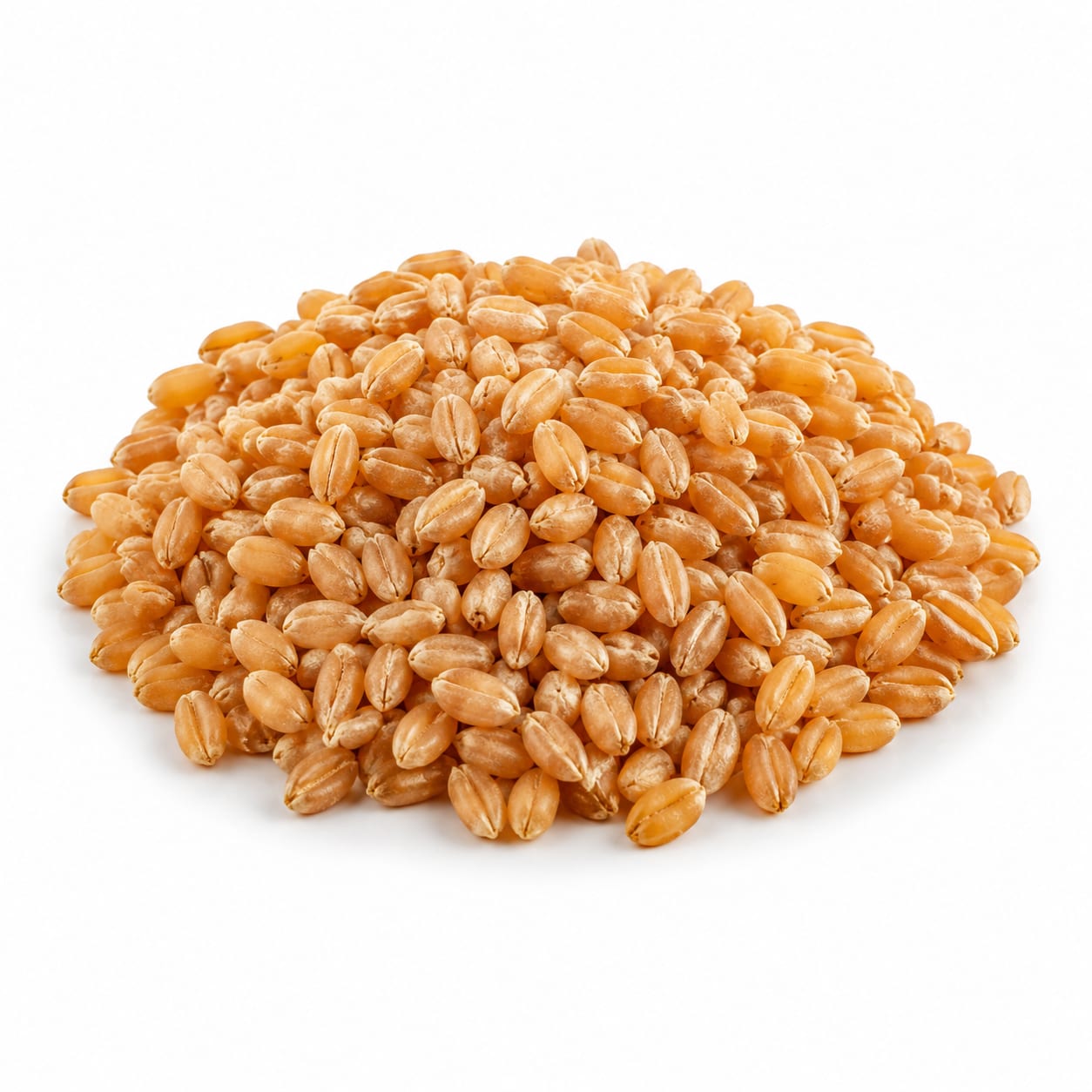
Wheat
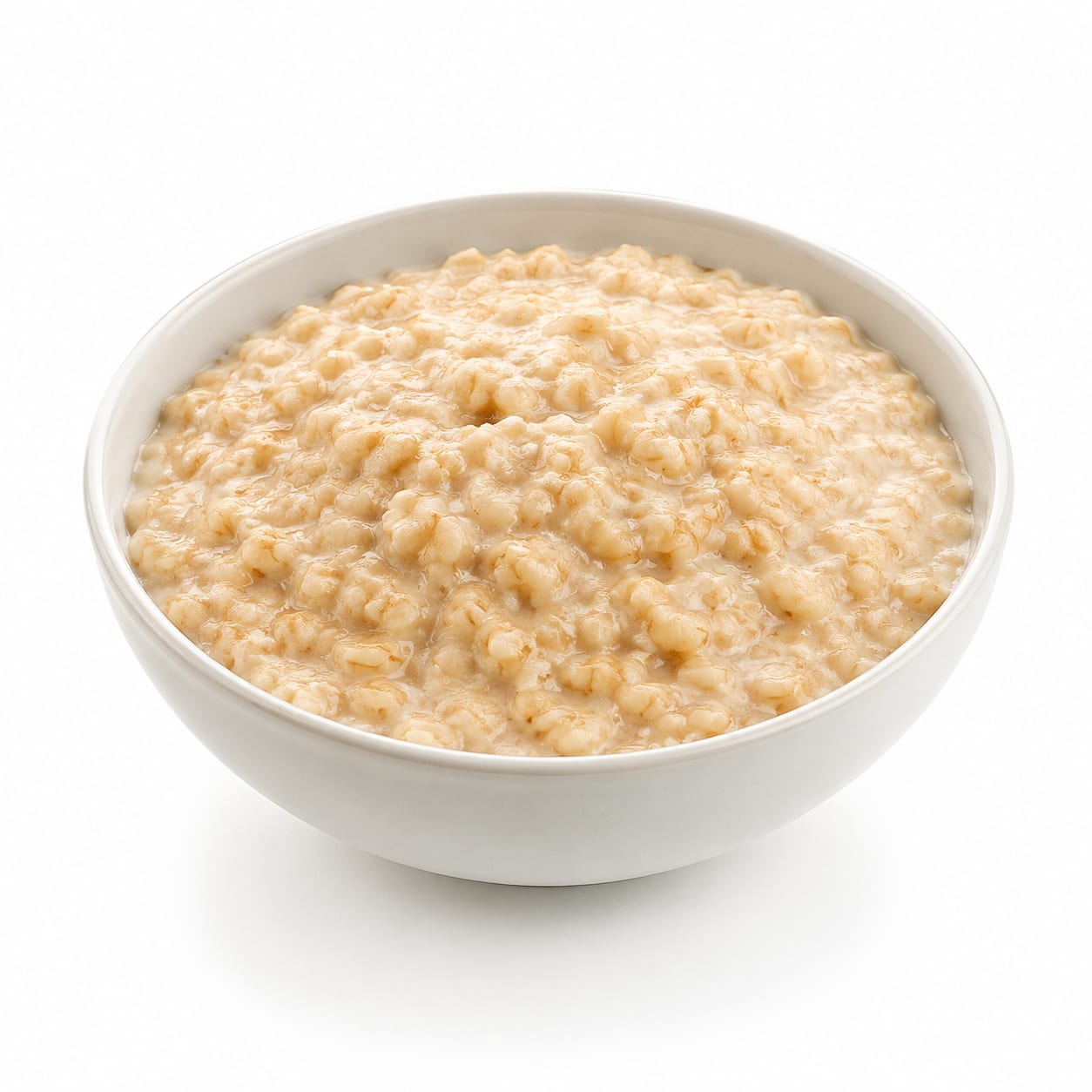
Oats
Oats edge out wheat thanks to superior soluble fiber for heart health and steadier blood sugar, though wheat remains a dietary staple for bread and pasta lovers.
Oats score higher due to their exceptional beta-glucan content, which actively lowers cholesterol and stabilizes blood sugar. Wheat scores lower primarily because of its higher gluten concentration and more frequent over-processing into refined white flour.
Oats deliver more sustained energy and cholesterol-lowering benefits, while wheat offers broader culinary versatility but carries higher gluten and blood sugar risks.
At a glance
Executive summary
Overall
Oats
Healthier
Oats
More practical
Wheat
Daily use
Oats
Key comparison lenses
Blood sugar stability and energy
Oats are renowned for slow-digesting carbohydrates, while wheat products often cause quicker spikes.
Heart health and cholesterol management
Oats contain beta-glucan, a unique soluble fiber explicitly linked to lowering LDL cholesterol, which wheat lacks.
Digestive tolerance and gluten sensitivity
Wheat is the primary source of gluten in the diet, making oats a common alternative for sensitive individuals.
Satiety and appetite control
The soluble fiber in oats delays stomach emptying, keeping you full much longer than wheat-based foods.
Best choice for
Wheat
- Bread bakers
- Pasta lovers
- Those needing high-gluten baking
Oats
- People managing cholesterol
- Those seeking steady morning energy
- Individuals with mild gluten sensitivity
Least suitable for
Wheat
- People with celiac disease
- Those with severe gluten intolerance
- People on low-carb diets
Oats
- Strict gluten-free dieters (due to cross-contamination risk)
- People who dislike porridge textures
Deep comparison
Dimension by dimension
Each lens scores both foods and breaks down who each option suits.
- Dimension 1 · Priority 92Oats
Blood Sugar Stability
Wheat · 60Oats · 85Oats provide steadier energy with fewer spikes than wheat.
Tradeoff
Wheat digests faster, giving quick energy but causing quicker crashes.
Why it matters
Stable blood sugar means fewer afternoon cravings and better focus.
Real-world impact
A bowl of oatmeal keeps you full until lunch; wheat toast might leave you hungry by 10 AM.
Wheat
- Quick pre-workout fuel
- Rapid energy replenishment
Better for
- Diabetes management
- Reducing sugar cravings
Worse for
Oats
- Steady desk-job focus
- Preventing afternoon energy crashes
Better for
- Immediate post-workout recovery when speed matters
Worse for
- Dimension 2 · Priority 90Oats
Heart Health & Cholesterol
Wheat · 65Oats · 92Oats are a powerhouse for cardiovascular health due to beta-glucan.
Tradeoff
Wheat has fiber, but lacks the specific cholesterol-lowering power of oats.
Why it matters
Daily beta-glucan actively reduces LDL cholesterol.
Real-world impact
Eating oats regularly can meaningfully improve bloodwork results over time.
Wheat
- General fiber intake
Better for
- Targeted cholesterol reduction
Worse for
Oats
- Lowering LDL cholesterol
- Improving cardiovascular markers
Better for
- Those who dislike porridge textures
Worse for
- Dimension 3 · Priority 88Oats
Digestive Tolerance & Gluten
Wheat · 40Oats · 75Oats are naturally gluten-free, while wheat is the primary gluten trigger.
Tradeoff
Oats are often processed near wheat, risking cross-contamination for celiacs.
Why it matters
Bloating, brain fog, and digestive distress are common with wheat sensitivity.
Real-world impact
Switching from wheat to certified gluten-free oats can resolve chronic stomach issues.
Wheat
- Building strong dough structures
Better for
- Celiac disease
- IBS flare-ups
Worse for
Oats
- Gentle digestion
- Avoiding gluten triggers
Better for
- Strict celiac diets (due to cross-contamination risk)
Worse for
- Dimension 4 · Priority 75Wheat
Versatility & Convenience
Wheat · 90Oats · 70Wheat is the backbone of global staples like bread, pasta, and tortillas.
Tradeoff
Oats are mostly limited to breakfast and baking, while wheat shapes entire meals.
Why it matters
Diet adherence depends on enjoying varied, familiar meals.
Real-world impact
Wheat makes eating out and social dining significantly easier.
Wheat
- Making pasta and bread
- Eating at restaurants
Better for
- Grab-and-go breakfasts without baking
Worse for
Oats
- Quick overnight breakfasts
- Blending into smoothies
Better for
- Savory dinner entrees
Worse for
Timeline
Health impact over time
Short-term
Hours to days
Wheat
- Quick energy if refined
- Potential bloating for sensitive individuals
Oats
- Sustained fullness
- Gentle on the digestive tract
Long-term
Months to years
Wheat
- Risk of chronic inflammation if sensitive
- Potential metabolic issues if consumed as refined flour
Oats
- Lower LDL cholesterol
- Better long-term blood sugar control
Risk profile
Safety & processing
Whole oats are typically less processed than commercial wheat products, which often hide added sugars and dough conditioners.
Wheat
Gluten toxicity
highWheat contains gluten, which triggers autoimmune responses in people with celiac disease and discomfort for those with sensitivities.
Pesticide residue
mediumGlyphosate is commonly used as a pre-harvest desiccant on conventional wheat crops.
Oats
Cross-contamination with gluten
mediumOats are frequently grown and processed alongside wheat, posing a risk for those with celiac disease.
Glyphosate residue
highOats are one of the highest glyphosate-contaminated crops due to pre-harvest spraying.
Who wins for whom
Audience fit
Same foods, different winners depending on your goal.
children
It dependsWheat is familiar in kid-friendly foods, but oats offer sweeter, gentler nutrition for breakfast.
daily consumption
OatsDaily oat consumption offers cumulative heart and blood sugar benefits with fewer digestive complaints.
diabetes
OatsOats have a lower glycemic index and their beta-glucan actively slows sugar absorption.
elderly
OatsOats are easier to digest and provide crucial heart health benefits for aging bodies.
muscle gain
WheatWheat products like pasta make it easier to consume large amounts of carbohydrates needed for bulking.
weight loss
OatsOats are more filling and their soluble fiber helps control appetite better than wheat.
Your move
Decision guide
Choose Wheat
- You prioritize culinary variety
- You bake your own bread
- You need dense calorie sources for bulking
Choose Oats
- You want better heart health
- You struggle with blood sugar crashes
- You have mild gluten sensitivity
Either works if
- You tolerate gluten well
- You strictly eat whole grain versions of both
- You want a high-fiber breakfast base
Avoid both if
- You have celiac disease (unless oats are certified GF)
- You are on a strict ketogenic diet
- You have severe grain intolerances
Final recommendation
Choose oats for daily breakfast and heart health benefits, but keep whole wheat for occasional savory meals if you tolerate gluten well.
Practical
Consumer tips
- 1
Always choose steel-cut or rolled oats over instant oatmeal to avoid sugar spikes.
- 2
If buying wheat, opt for 100% whole wheat rather than enriched white flour.
- 3
Look for certified gluten-free oats if you have celiac disease or severe sensitivity.
- 4
Soaking oats overnight improves digestibility and reduces phytic acid.