
Nutrition comparison
Wheat vs Millet: Which Grain Is Healthier for You?
Compare wheat and millet nutrition, gluten content, glycemic index, and health effects. Find out which grain is better for diabetes, weight loss, and gluten sensitivity.
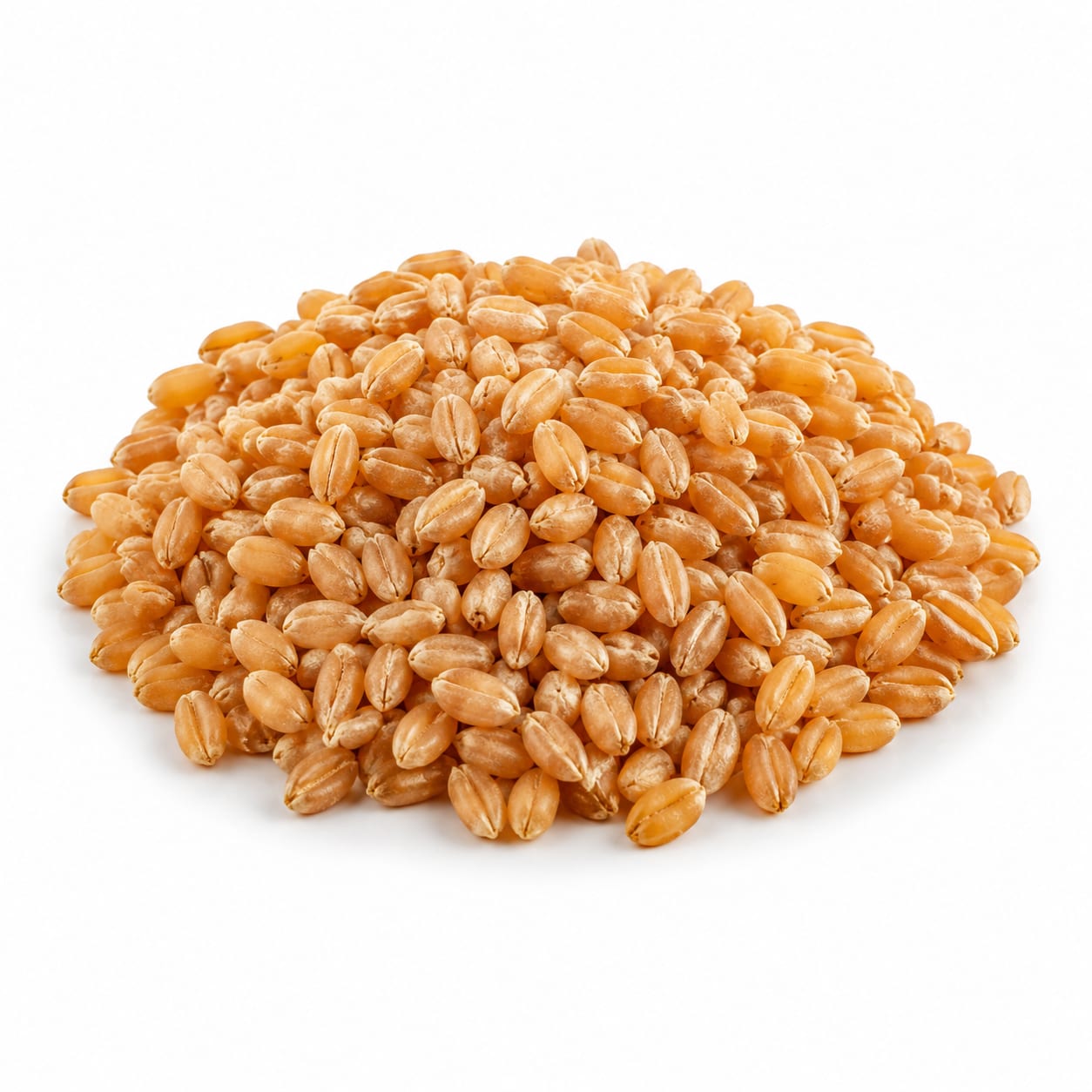
Wheat
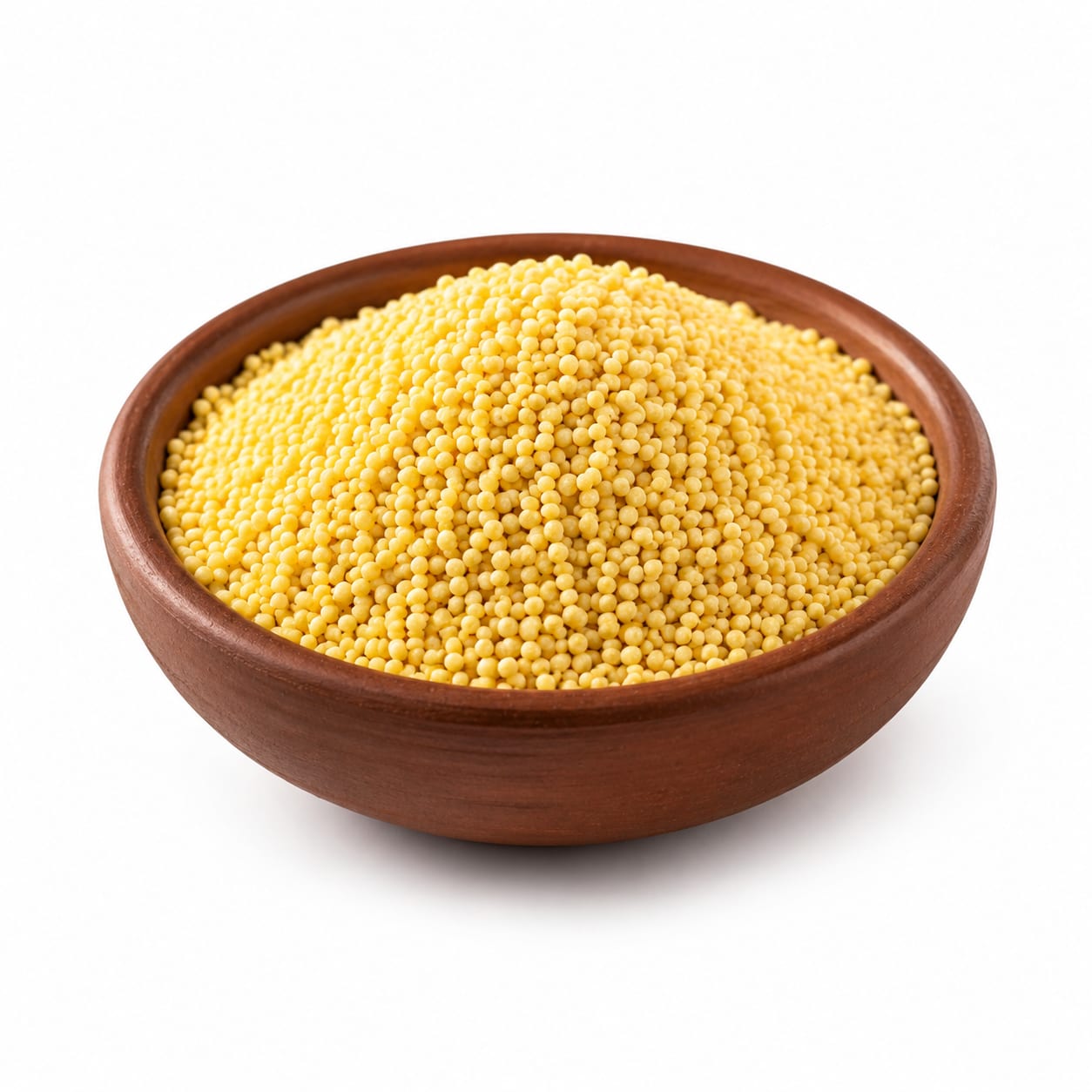
Millet
Millet wins for gluten-sensitive individuals and blood sugar control; wheat wins for protein content, availability, and thyroid safety.
Millet scores higher due to gluten-free status, lower glycemic impact, and richer mineral profile. Wheat remains competitive through higher protein, broader availability, and thyroid safety. The gap reflects millet's advantages for the growing population with gluten concerns.
You gain digestive comfort and steadier energy with millet, but sacrifice protein, convenience, and must be mindful of thyroid effects with heavy consumption.
At a glance
Executive summary
Overall
It depends
Healthier
Millet
More practical
Wheat
Daily use
It depends
Key comparison lenses
gluten sensitivity and digestive tolerance
Wheat contains gluten which triggers issues for a significant portion of the population; millet is naturally gluten-free
blood sugar management
Both are staple grains but differ substantially in glycemic impact, making this critical for diabetes and energy stability
inflammatory potential
Wheat is a common inflammatory trigger while millet is generally considered anti-inflammatory
everyday practicality and availability
Wheat is ubiquitous in food supply; millet requires more effort to source and cook
thyroid health considerations
Millet contains goitrogens that can affect thyroid function, a lesser-known but important tradeoff
Best choice for
Wheat
- People without gluten sensitivity who need affordable, accessible calories
- Those needing higher protein intake from grains
- Anyone with thyroid concerns who should avoid goitrogens
- Busy households relying on quick, familiar meal prep
Millet
- Anyone with celiac disease or gluten intolerance
- People managing diabetes or insulin resistance
- Those seeking anti-inflammatory grain options
- Individuals wanting more mineral diversity in their diet
Least suitable for
Wheat
- People with celiac disease or non-celiac gluten sensitivity
- Those with wheat allergies
- Individuals following anti-inflammatory protocols
- Anyone managing autoimmune conditions triggered by gluten
Millet
- People with underactive thyroid or iodine deficiency
- Those who need high-protein grain options
- Anyone reliant on food banks or limited grocery access
- Individuals unfamiliar with cooking alternative grains
Deep comparison
Dimension by dimension
Each lens scores both foods and breaks down who each option suits.
- Dimension 1 · Priority 95Millet
Gluten and Digestive Tolerance
Wheat · 35Millet · 95Millet is naturally gluten-free and well-tolerated by nearly everyone. Wheat contains gluten, which causes problems for up to 6% of the population and discomfort for many more.
Tradeoff
If you have zero gluten issues, wheat causes no digestive downside. But if you experience bloating, fog, or fatigue after wheat-heavy meals, millet eliminates that entirely.
Why it matters
Gluten sensitivity often goes undiagnosed for years. Many people feel dramatically better cutting wheat without realizing it was the culprit.
Real-world impact
Switching from wheat to millet can mean the difference between post-meal bloating and feeling comfortably satisfied.
Wheat
- Those confirmed to tolerate gluten well
- People with thyroid conditions needing safe grains
Better for
- Celiac patients — wheat is strictly unsafe
- People with wheat-dependent exercise-induced anaphylaxis
Worse for
Millet
- Anyone with diagnosed or suspected gluten sensitivity
- People with IBS or unexplained digestive discomfort
- Those following elimination diets to identify triggers
Better for
- No significant digestive downside for most people
Worse for
- Dimension 2 · Priority 88Millet
Blood Sugar Stability
Wheat · 45Millet · 72Millet has a notably lower glycemic index than wheat, especially compared to refined wheat flour. Whole millet releases energy more slowly and evenly.
Tradeoff
Whole wheat berries approach millet's glycemic performance, but most wheat consumed is refined flour, which spikes blood sugar sharply.
Why it matters
Steady blood sugar means fewer afternoon energy crashes, less cravings, and better long-term metabolic health.
Real-world impact
A millet-based lunch keeps you energized until dinner. A white wheat pasta lunch often has you reaching for snacks by 3pm.
Wheat
- Endurance athletes needing quick carbohydrate energy during activity
- Anyone in a caloric surplus phase wanting efficient carb loading
Better for
- Refined wheat products are among the worst foods for blood sugar stability
Worse for
Millet
- People with prediabetes or type 2 diabetes
- Anyone trying to reduce sugar cravings and energy crashes
- Those seeking sustained focus through long workdays
Better for
- Not ideal as a rapid energy source during intense exercise
Worse for
- Dimension 3 · Priority 80Millet
Nutrient Density and Mineral Profile
Wheat · 58Millet · 74Millet delivers more magnesium, phosphorus, and B vitamins per serving. Wheat offers more selenium and slightly more protein but loses nutrients heavily when refined.
Tradeoff
Whole wheat is nutritionally competitive, but the wheat most people eat is stripped of its advantages. Millet is typically consumed in whole form.
Why it matters
Magnesium deficiency is widespread and affects sleep, muscle recovery, and stress resilience. Millet is a meaningful source.
Real-world impact
Regular millet consumption can contribute noticeably to your daily magnesium needs, supporting better sleep and less muscle tension.
Wheat
- Those needing selenium for thyroid and immune function
- People relying on grain protein as a significant protein source
Better for
- Refined wheat flour is nutritionally hollow — essentially empty calories
Worse for
Millet
- Anyone needing more magnesium for sleep or stress support
- People wanting diverse mineral intake beyond standard grain profiles
Better for
- Goitrogens in millet can interfere with iodine absorption and thyroid mineral balance
Worse for
- Dimension 4 · Priority 82Millet
Inflammatory Potential
Wheat · 40Millet · 78Wheat, especially modern wheat, is a common inflammatory trigger. Millet contains antioxidants like quercetin and curcumin-like compounds that actively reduce inflammation.
Tradeoff
If you have no inflammatory response to wheat, the difference is minimal. But for many, wheat drives low-grade inflammation that accumulates silently.
Why it matters
Chronic inflammation underlies heart disease, joint pain, and fatigue. Grain choice can nudge this meaningfully over years.
Real-world impact
People with achy joints or skin issues often notice improvement within weeks of swapping wheat for millet.
Wheat
- Those with no inflammatory markers or symptoms related to wheat
Better for
- Gluten and wheat germ agglutinin can drive gut inflammation even in non-celiac individuals
Worse for
Millet
- People with autoimmune conditions seeking anti-inflammatory diets
- Anyone with chronic joint pain or skin inflammation
- Those following Mediterranean or anti-inflammatory eating patterns
Better for
- No significant inflammatory concerns
Worse for
- Dimension 5 · Priority 75Wheat
Practicality and Availability
Wheat · 92Millet · 48Wheat is in nearly every grocery store, restaurant, and packaged food. Millet requires specialty stores or online ordering and most people don't know how to cook it.
Tradeoff
Convenience is real. If cooking millet feels like a chore, you'll abandon it. Wheat's familiarity makes it sustainable for most people.
Why it matters
The healthiest grain only matters if you actually eat it consistently. Accessibility drives adherence.
Real-world impact
You can find wheat-based options anywhere, anytime. Finding millet at a restaurant or convenience store is nearly impossible.
Wheat
- Busy families needing quick, familiar meals
- Anyone who travels frequently and eats out often
- People on tight budgets with limited grocery access
Better for
- Ubiquity means accidental consumption even when trying to avoid it
Worse for
Millet
- Home cooks who enjoy exploring new ingredients
- Those with access to health food stores or online shopping
- Meal preppers who batch-cook grains weekly
Better for
- Steep learning curve for cooking — undercooked millet is unpleasantly crunchy
Worse for
- Dimension 6 · Priority 70Wheat
Thyroid Health Impact
Wheat · 80Millet · 45Millet contains goitrogens that can interfere with thyroid function when consumed in large amounts, especially in iodine-deficient individuals. Wheat poses no thyroid risk.
Tradeoff
Moderate millet consumption is fine for most, but daily heavy consumption could stress an already struggling thyroid. Wheat has no such concern.
Why it matters
Thyroid problems are common, especially in women, and dietary goitrogens can worsen them silently.
Real-world impact
If you have hypothyroidism and eat millet at every meal, you may notice worsening fatigue or weight management struggles over time.
Wheat
- People with diagnosed hypothyroidism
- Those with iodine deficiency or living in iodine-poor regions
- Anyone taking thyroid medication who wants to avoid interference
Better for
- No thyroid-specific risks
Worse for
Millet
- People with normal thyroid function eating millet in moderation
- Those whose primary health concern is gluten-related rather than thyroid-related
Better for
- Daily heavy consumption can suppress thyroid function, especially without adequate iodine intake
Worse for
Timeline
Health impact over time
Short-term
Hours to days
Wheat
- Quick energy from refined wheat products, but followed by potential crash
- Bloating or digestive discomfort in gluten-sensitive individuals
- Post-meal fogginess or fatigue after large refined wheat servings
Millet
- Steady, sustained energy without sharp spikes or crashes
- Comfortable digestion with no gluten-related symptoms
- Feeling lighter after meals compared to wheat-heavy equivalents
Long-term
Months to years
Wheat
- Potential for chronic low-grade inflammation with daily refined wheat consumption
- Increased risk of metabolic issues if relying heavily on refined wheat flour
- Silent cumulative gut damage in undiagnosed celiac or sensitive individuals
Millet
- Better long-term blood sugar regulation reducing diabetes risk
- Possible thyroid suppression if consumed excessively without iodine-rich foods
- Improved mineral status, particularly magnesium, supporting cardiovascular health
Risk profile
Safety & processing
Whole wheat berries are minimally processed, but most wheat consumed is refined flour with nutrients stripped and sometimes additives included. Millet is almost always sold and consumed in whole form, preserving its natural nutritional profile.
Wheat
Glyphosate residue
mediumWheat is often sprayed with glyphosate as a pre-harvest desiccant. Residue levels vary but are a concern for regular consumers. Choose organic when possible.
Gluten-related autoimmune triggers
highFor celiac patients, even trace wheat contamination causes intestinal damage. This is not a contamination risk but an inherent property.
Fumigation during storage
lowStored wheat may be treated with fumigants. Proper sourcing and organic certification reduce this concern.
Millet
Goitrogenic compounds
mediumMillet contains goitrogens that can interfere with thyroid hormone production. Cooking reduces but does not eliminate them. Moderate consumption is key for those with thyroid issues.
Phytic acid reducing mineral absorption
lowLike most whole grains, millet contains phytic acid. Soaking or fermenting before cooking significantly reduces this concern.
Cross-contamination with gluten grains
mediumMillet is often processed in facilities that handle wheat. Celiac patients must verify certified gluten-free labeling.
Who wins for whom
Audience fit
Same foods, different winners depending on your goal.
children
It dependsWheat is more familiar and easier for children to accept, but millet is worth introducing for nutrient diversity and to reduce early gluten dependence.
daily consumption
It dependsWheat is more sustainable daily due to convenience, but millet is healthier daily if you can manage the cooking and rotate with iodine-rich foods.
diabetes
MilletMillet's slower carbohydrate release and lower glycemic index make it significantly safer for blood sugar management.
elderly
MilletMillet's digestibility, magnesium content, and anti-inflammatory properties support aging bodies, provided thyroid function is monitored.
muscle gain
WheatWheat provides more protein per serving and is easier to consume in larger quantities due to familiarity and availability.
weight loss
MilletMillet's lower glycemic index and higher fiber-to-calorie ratio support steadier appetite control and fewer cravings between meals.
Your move
Decision guide
Choose Wheat
- You have no gluten sensitivity and want affordable, accessible calories
- You need higher protein from grain sources
- You have a thyroid condition and want to avoid goitrogens
- Convenience and familiarity are top priorities for long-term adherence
- You cook for a family that resists unfamiliar grains
Choose Millet
- You experience bloating, fatigue, or brain fog after eating wheat
- You are managing diabetes, prediabetes, or insulin resistance
- You want an anti-inflammatory grain option
- You are willing to learn new cooking techniques for health benefits
- You have celiac disease or gluten intolerance
Either works if
- You tolerate gluten well and want grain variety in your diet
- You can alternate between both to get diverse nutrient profiles
- You cook at home and have access to both whole wheat berries and millet
Avoid both if
- You are on a strict grain-free or paleo protocol
- You have severe carbohydrate metabolism disorders requiring very low carb intake
- You are allergic to both grains simultaneously, which is rare but possible
Final recommendation
If you feel fine after eating wheat, whole wheat is a solid, practical choice — especially if you have thyroid concerns. But if you've ever wondered whether wheat might be dragging down your energy or digestion, millet is absolutely worth a two-week trial. Cook it like rice, pair it with iodine-rich foods like seaweed or fish, and see how you feel. Most people who switch notice the difference within days.
Practical
Consumer tips
- 1
Soak millet for 30 minutes before cooking to reduce phytic acid and improve digestibility
- 2
Choose whole wheat berries or bulgur over refined wheat flour to close the nutritional gap with millet
- 3
If you have thyroid issues, limit millet to 3-4 times per week and ensure adequate iodine intake
- 4
Look for certified gluten-free millet if you have celiac disease, as cross-contamination is common
- 5
Toast millet in a dry pan before cooking for a nuttier flavor that makes the transition from wheat easier
- 6
Try a 50/50 blend of cooked millet and quinoa for a complete protein grain bowl
- 7
Buy organic wheat when possible to avoid glyphosate residue from pre-harvest spraying