
Nutrition comparison
Wheat vs Corn: Nutrition, Gluten, and Health Comparison
Comparing wheat and corn for health, digestion, and daily use. Find out which grain is better for weight loss, blood sugar, and gluten-free diets.
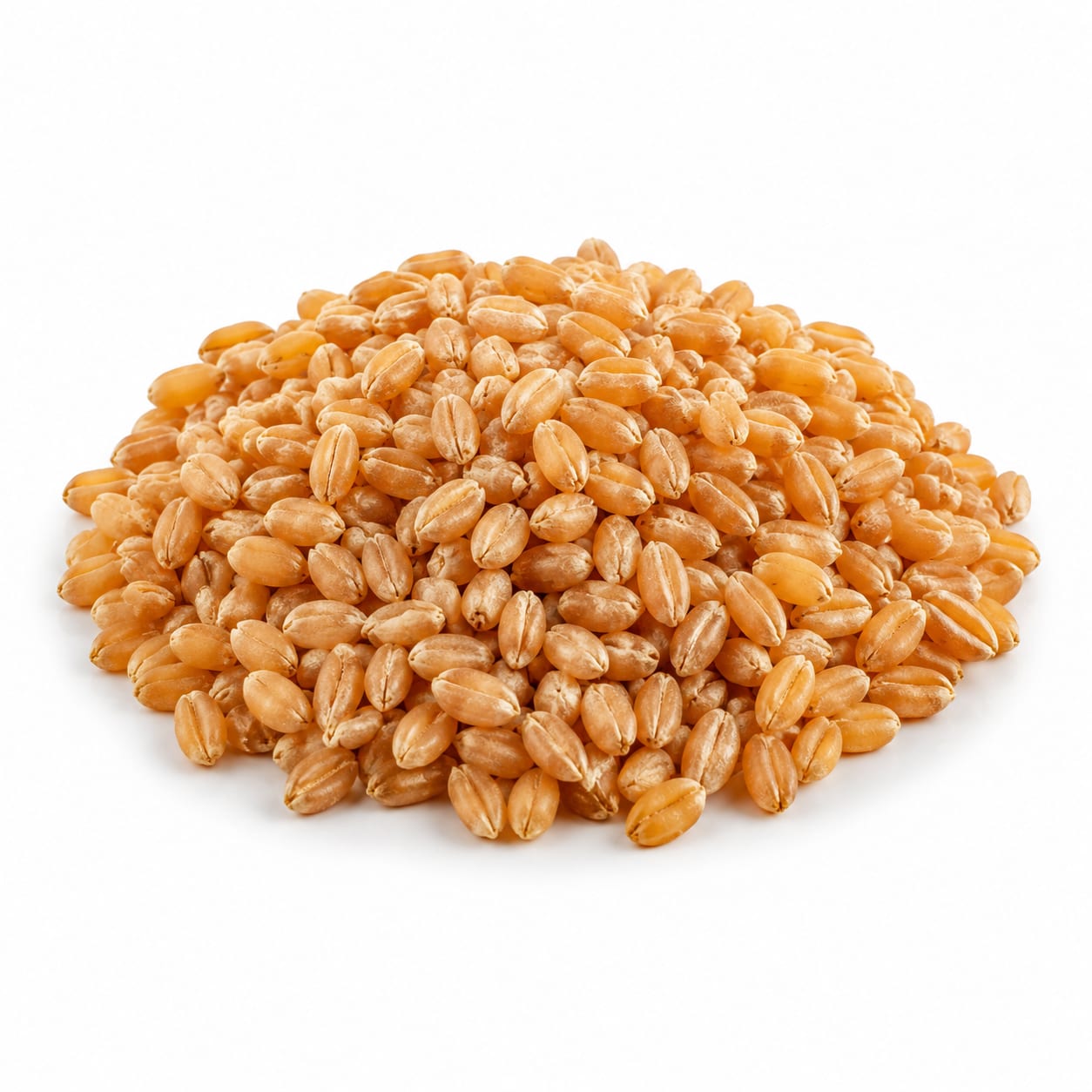
Wheat
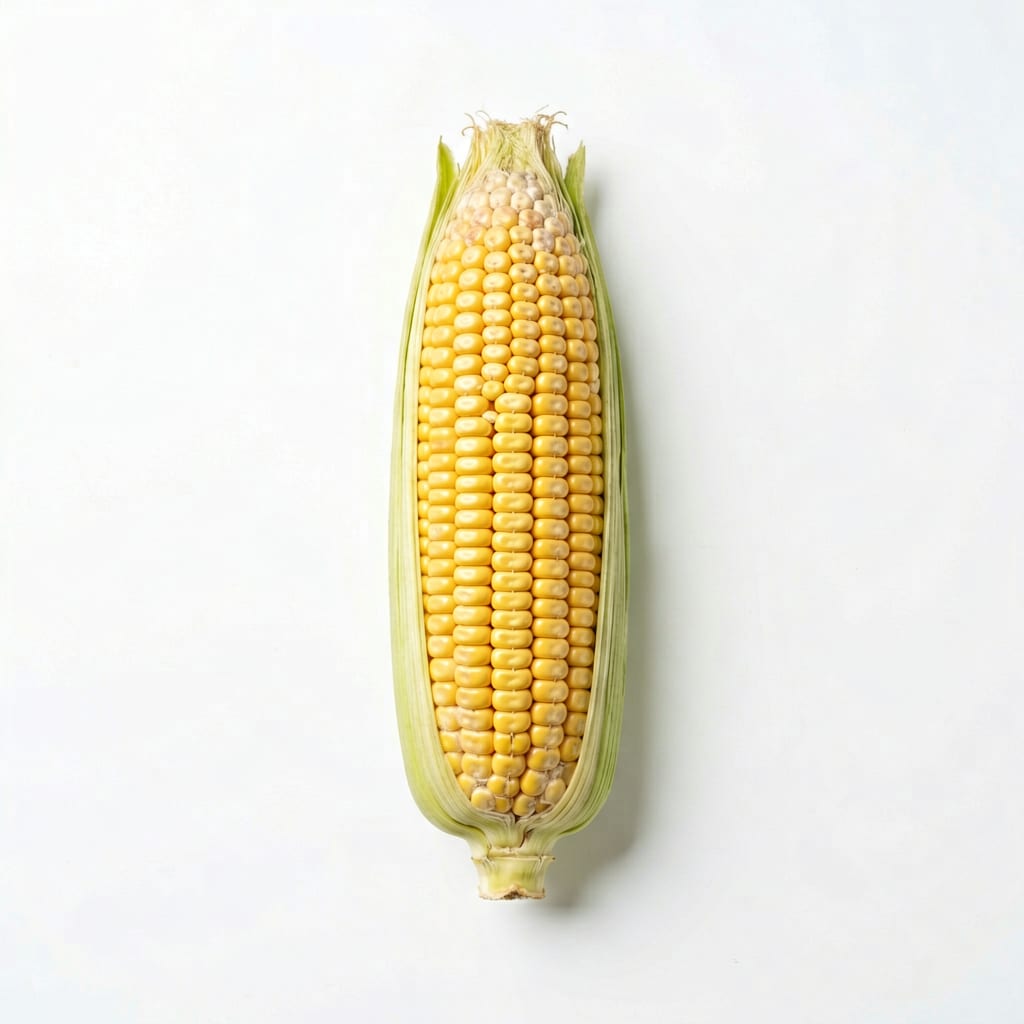
Corn
Wheat provides more protein and sustained energy, but corn is the clear winner for gluten-sensitive individuals and offers unique eye-health antioxidants.
Wheat slightly edges out corn in protein and mineral density, but corn's gluten-free nature and specific antioxidants make them nearly equal depending on individual tolerance.
Higher protein and satiety from wheat versus gluten-free digestibility and lutein from corn.
At a glance
Executive summary
Overall
It depends
Healthier
It depends
More practical
It depends
Daily use
It depends
Key comparison lenses
Gluten sensitivity and digestive tolerance
Wheat contains gluten which is a major dietary concern, while corn is naturally gluten-free and serves as a primary alternative.
Blood sugar impact and satiety
Both are staple carbohydrates, but their fiber-protein ratios differ significantly, affecting energy stability.
Agricultural safety and GMO concerns
Wheat is often treated with glyphosate as a desiccant, while conventionally grown corn is predominantly genetically modified.
Nutrient density and protein quality
Wheat offers substantially more protein and minerals, making it a nutritional powerhouse for those who tolerate it.
Best choice for
Wheat
- people needing higher plant protein
- those without gluten sensitivity
- anyone focusing on iron and B-vitamins
Corn
- people with celiac disease or gluten intolerance
- those seeking eye-health antioxidants
- people avoiding wheat-based glyphosate residues
Least suitable for
Wheat
- people with celiac disease or non-celiac gluten sensitivity
- those on a strict low-carb diet
Corn
- people strictly managing blood sugar spikes
- those avoiding GMO foods unless buying organic
Deep comparison
Dimension by dimension
Each lens scores both foods and breaks down who each option suits.
- Dimension 1 · Priority 90Wheat
Nutrient Density & Protein
Wheat · 85Corn · 65Wheat delivers significantly more protein and essential minerals like selenium and iron, making it more nutritionally dense per calorie.
Tradeoff
You get more protein with wheat, but you miss out on corn's lutein and zeaxanthin, which are crucial for eye health.
Why it matters
Protein helps with satiety and muscle maintenance, while minerals support immune and metabolic function.
Real-world impact
A wheat-based meal keeps you full longer, whereas a corn-based meal might leave you reaching for a snack sooner.
Wheat
- muscle maintenance
- preventing iron deficiency
- staying full between meals
Better for
- those with severe gluten intolerance
Worse for
Corn
- protecting vision with age
- getting B-vitamins like folate
Better for
- those needing high protein from grains
Worse for
- Dimension 2 · Priority 95Corn
Digestive Tolerance & Allergens
Wheat · 40Corn · 90Corn is naturally gluten-free, making it a safe and comfortable choice for the growing population with wheat sensitivities.
Tradeoff
Corn is gentler on the gut for sensitive individuals, but whole corn kernels can be harder to break down completely if not properly processed.
Why it matters
Gluten can trigger severe autoimmune responses or subtle digestive discomfort that drains your energy.
Real-world impact
Eating wheat can cause bloating and brain fog for sensitive people, while corn provides a comfortable, symptom-free alternative.
Wheat
- individuals with robust digestion who tolerate gluten
Better for
- people with celiac or gluten sensitivity
Worse for
Corn
- people with celiac disease
- those experiencing bloating after wheat
- anyone on a gluten-free diet
Better for
- people looking for high-digestibility protein
Worse for
- Dimension 3 · Priority 85Wheat
Blood Sugar & Satiety
Wheat · 78Corn · 65Whole wheat generally has a lower glycemic index and higher fiber-protein combo, leading to steadier blood sugar compared to corn.
Tradeoff
Wheat provides steadier energy, but corn offers faster energy replenishment which can be useful after intense exercise.
Why it matters
Stable blood sugar prevents the afternoon energy crash and reduces cravings for sweet snacks.
Real-world impact
A whole wheat lunch keeps you focused through the afternoon, while a corn-heavy meal might cause a quicker energy dip.
Wheat
- steady desk-job energy
- preventing afternoon crashes
- managing insulin resistance
Better for
- those needing rapid carb absorption
Worse for
Corn
- quick post-workout carb replenishment
- easy-to-digest pre-event meals
Better for
- people with diabetes or severe insulin resistance
Worse for
- Dimension 4 · Priority 80It depends
Safety & Agricultural Concerns
Wheat · 65Corn · 65Wheat is often sprayed with glyphosate before harvest, while corn is predominantly genetically modified and susceptible to mycotoxins.
Tradeoff
Choosing organic mitigates risks for both, but conventionally, you trade potential pesticide residue on wheat for GMO and fungal toxin risks on corn.
Why it matters
Chronic exposure to agricultural chemicals or fungal toxins can burden the liver and disrupt gut health over time.
Real-world impact
You might need to prioritize your budget for organic wheat or non-GMO corn to avoid these hidden stressors.
Wheat
- people more concerned about GMOs than glyphosate
Better for
- those avoiding glyphosate exposure
Worse for
Corn
- people more concerned about glyphosate than GMOs
Better for
- those strictly avoiding GMOs
Worse for
Timeline
Health impact over time
Short-term
Hours to days
Wheat
- Provides sustained energy if eaten as whole grain
- Can cause bloating or fatigue if gluten-sensitive
Corn
- Offers quick, easily accessible energy
- Very gentle on the digestive tract for those avoiding gluten
Long-term
Months to years
Wheat
- Supports muscle and metabolic health through higher protein and iron
- May trigger autoimmune issues if gluten-intolerant
Corn
- Protects eye health with high lutein content
- May contribute to blood sugar dysregulation if overconsumed as refined flour
Risk profile
Safety & processing
Both foods are naturally whole grains, but are frequently consumed as refined flours. Refined wheat flour and cornmeal lose most of their fiber and nutrients, making the whole-grain form critical for health.
Wheat
Glyphosate residue
mediumConventionally grown wheat is often sprayed with glyphosate as a pre-harvest desiccant, which can disrupt gut bacteria.
Gluten reactivity
highFor susceptible individuals, gluten triggers severe inflammation and intestinal damage.
Corn
GMO exposure
mediumOver 90% of conventional corn is genetically modified, which some consumers prefer to avoid due to herbicide tolerance traits.
Mycotoxins
mediumCorn is susceptible to fungal toxins like aflatoxins during storage, which can be harmful in high amounts.
Who wins for whom
Audience fit
Same foods, different winners depending on your goal.
children
CornCorn is gluten-free and less likely to trigger allergies or digestive discomfort in sensitive kids, while providing gentle energy.
daily consumption
It dependsIt entirely depends on gluten tolerance; wheat is more nutrient-dense, but corn is safer for the growing gluten-sensitive population.
diabetes
WheatWhole wheat causes a slower, more manageable rise in blood sugar compared to corn, making insulin management easier.
elderly
CornCorn is easier to digest for aging digestive systems and offers lutein to protect aging eyes from macular degeneration.
muscle gain
WheatWheat contains significantly more protein per serving, which is essential for muscle repair and growth.
weight loss
WheatWhole wheat has more protein and a lower glycemic index, keeping you fuller for longer and reducing overall calorie intake.
Your move
Decision guide
Choose Wheat
- You digest gluten well and want a more filling, protein-rich base for meals
- You need steady energy and high iron intake
Choose Corn
- You have any gluten sensitivity or celiac disease
- You want to boost your eye-health antioxidants
- You prefer a lighter carbohydrate that digests easily
Either works if
- You are buying organic whole grains and want a versatile carb source
- You are an active person who tolerates both well
Avoid both if
- You are on a low-carb or ketogenic diet
- You have severe blood sugar instability and need low-glycemic vegetables instead
Final recommendation
Choose whole wheat if your digestion allows it, as the protein and mineral content is superior for daily sustenance. Opt for whole corn if you have any gluten sensitivity or want a gentler grain that doubles as eye-health support. Always prioritize organic for both to avoid the heaviest agricultural chemical exposures.
Practical
Consumer tips
- 1
Always choose whole wheat over white flour to get the fiber and protein benefits.
- 2
Look for organic wheat products to avoid glyphosate desiccation residues.
- 3
Nixtamalized corn (used in traditional tortillas) unlocks niacin and improves protein absorption, making it nutritionally superior to regular cornmeal.
- 4
If you avoid GMOs, buy certified organic or non-GMO project verified corn.
- 5
Vary your grains; relying solely on either wheat or corn can limit your micronutrient diversity.