
Nutrition comparison
Wheat vs Buckwheat: Which is Healthier for Blood Sugar & Gluten-Free Diets?
Compare Wheat vs Buckwheat for nutrition, blood sugar impact, and gluten content. Discover which grain is better for weight loss, diabetes, and daily energy.
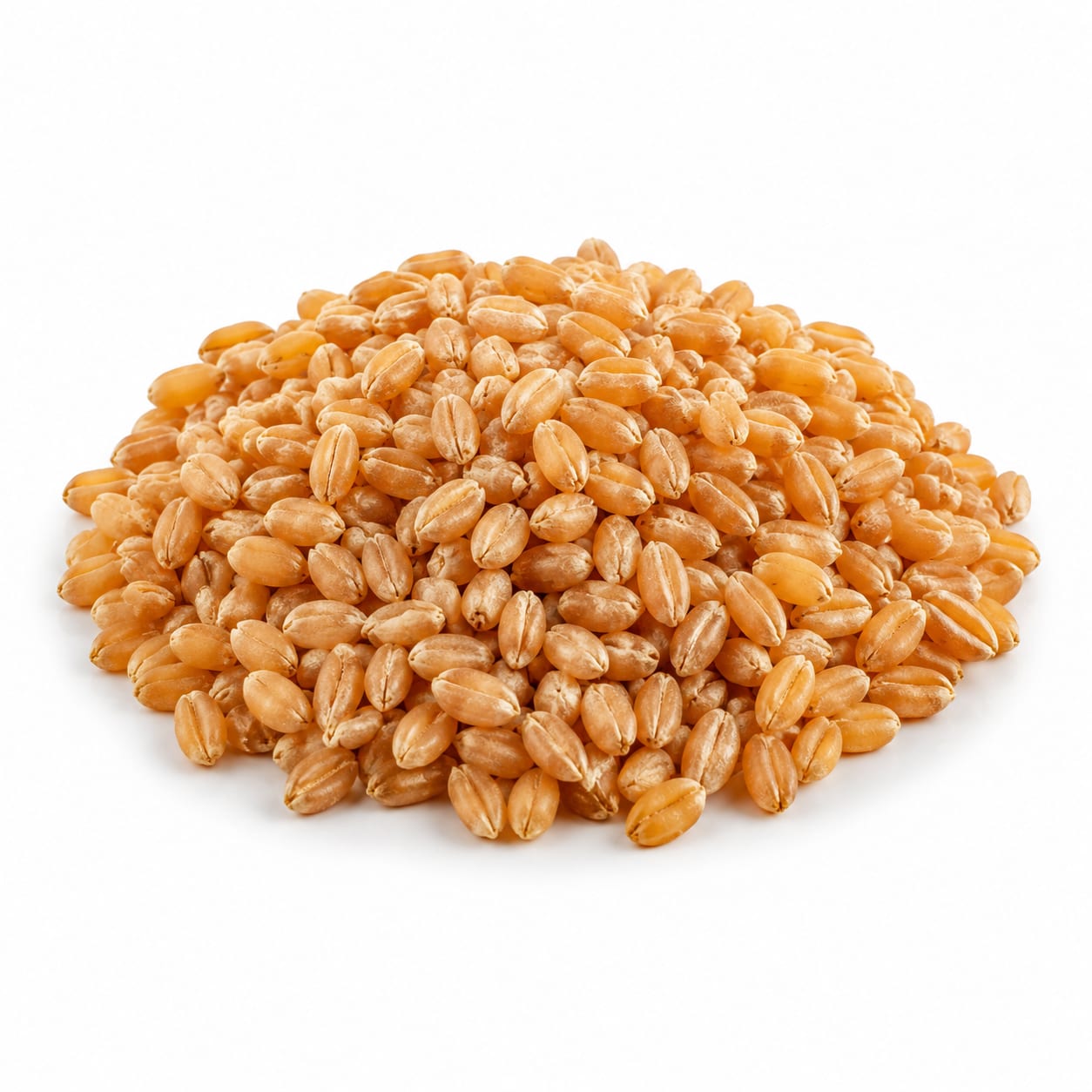
Wheat
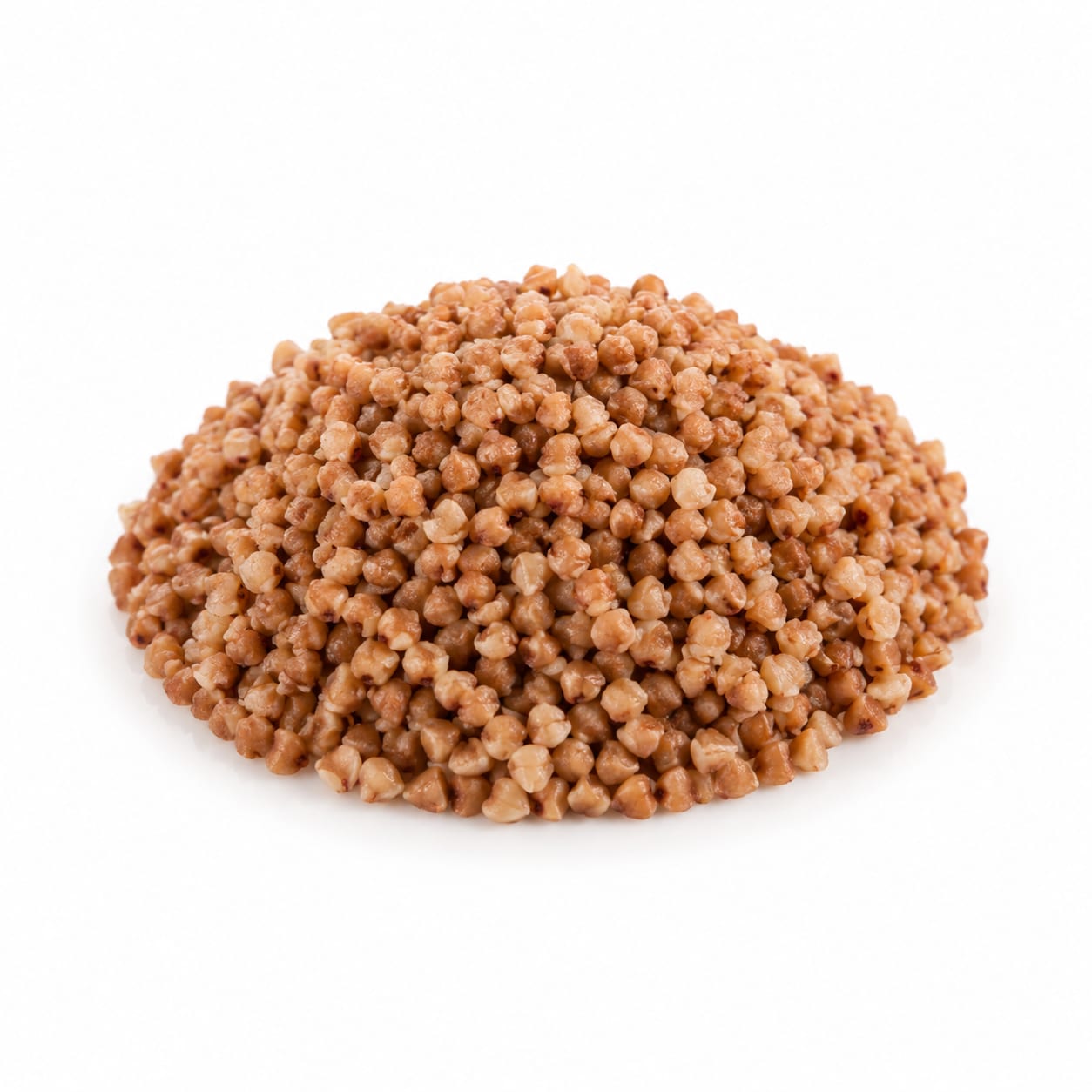
Buckwheat
Buckwheat is the clear winner for blood sugar control and gluten-free diets, while Wheat offers more protein and everyday convenience.
Buckwheat scores higher due to its lower glycemic impact, richer antioxidant profile, and gluten-free nature. Wheat remains competitive because of its higher protein content, widespread availability, and lower cost.
You trade the familiar versatility and higher protein of Wheat for the superior blood sugar stability and unique antioxidants of Buckwheat.
At a glance
Executive summary
Overall
It depends
Healthier
Buckwheat
More practical
Wheat
Daily use
It depends
Key comparison lenses
Gluten sensitivity and digestive tolerance
Wheat contains gluten which triggers issues for many, while Buckwheat is naturally gluten-free.
Blood sugar management
Buckwheat has a lower glycemic index and unique compounds that improve insulin sensitivity compared to Wheat.
Nutrient density and antioxidant profile
Buckwheat offers unique antioxidants like rutin, whereas Wheat provides different B-vitamins and proteins.
Culinary versatility and convenience
Wheat is a ubiquitous staple with massive culinary flexibility, while Buckwheat has a distinct flavor and narrower use cases.
Best choice for
Wheat
- Athletes needing higher protein intake
- Budget-conscious households
- Bakers needing reliable gluten structure
Buckwheat
- People with celiac disease or gluten intolerance
- Anyone managing diabetes or insulin resistance
- Those seeking heart-healthy antioxidants
Least suitable for
Wheat
- People with celiac disease or non-celiac gluten sensitivity
- Those struggling with blood sugar spikes
Buckwheat
- Those allergic to buckwheat specifically
- People who dislike earthy or nutty flavors
Deep comparison
Dimension by dimension
Each lens scores both foods and breaks down who each option suits.
- Dimension 1 · Priority 95Buckwheat
Blood Sugar Stability
Wheat · 55Buckwheat · 88Buckwheat causes a much slower, steadier rise in blood sugar than Wheat.
Tradeoff
You give up the quick energy spike of refined Wheat products for long-lasting satiety and focus with Buckwheat.
Why it matters
Steadier blood sugar means fewer afternoon energy crashes and reduced cravings.
Real-world impact
Eating Buckwheat porridge for breakfast keeps you full until lunch, whereas Wheat cereal might leave you hungry an hour later.
Wheat
- Pre-workout quick energy if using refined flour
Better for
- Triggering hunger soon after eating
- Causing energy dips if consumed as refined flour
Worse for
Buckwheat
- Preventing the mid-afternoon energy crash
- Managing insulin resistance or prediabetes
Better for
- Providing rapid energy for endurance sports
Worse for
- Dimension 2 · Priority 85Buckwheat
Nutrient Density and Antioxidants
Wheat · 68Buckwheat · 90Buckwheat is a powerhouse of unique antioxidants like rutin, which Wheat lacks.
Tradeoff
Wheat offers more overall protein and B-vitamins, but Buckwheat delivers superior cardiovascular and anti-inflammatory benefits.
Why it matters
Rutin strengthens blood vessels and fights inflammation, offering long-term health protections.
Real-world impact
Regularly choosing Buckwheat can support healthy circulation and reduce the risk of varicose veins or high blood pressure.
Wheat
- Supporting muscle maintenance with higher protein
Better for
- Missing out on rutin's vascular benefits
Worse for
Buckwheat
- Supporting cardiovascular health
- Reducing systemic inflammation
Better for
- Lower total protein per serving compared to Wheat
Worse for
- Dimension 3 · Priority 90Buckwheat
Digestive Tolerance
Wheat · 45Buckwheat · 92Buckwheat is naturally gluten-free and easier on the stomach for most people.
Tradeoff
Wheat's gluten provides satisfying chewiness in food but causes bloating and discomfort for sensitive individuals.
Why it matters
Chronic gut inflammation from gluten can drain your energy and mood even if you don't have celiac disease.
Real-world impact
Swapping Wheat pasta for Buckwheat soba noodles can eliminate post-meal bloating for those with sensitivities.
Wheat
- Providing prebiotic fiber in its whole form for a healthy microbiome
Better for
- Triggering IBS-like symptoms in sensitive people
Worse for
Buckwheat
- Avoiding gluten-induced bloating and brain fog
- Safe eating for celiacs
Better for
- Potential cross-contamination with gluten in processing facilities
Worse for
- Dimension 4 · Priority 70Wheat
Practicality and Convenience
Wheat · 95Buckwheat · 60Wheat is cheaper, available everywhere, and used in almost all convenience foods.
Tradeoff
You gain ultimate convenience and low cost with Wheat, but sacrifice the superior health profile of Buckwheat.
Why it matters
The best food for you is the one you can actually afford and find easily.
Real-world impact
Finding Wheat bread at any convenience store is easy, but Buckwheat products usually require a trip to a health food store or specialty aisle.
Wheat
- Budget-friendly grocery shopping
- Easy access at any restaurant or store
Better for
- Over-reliance on a single staple crop
Worse for
Buckwheat
- Adding variety to a monotonous diet
Better for
- Higher cost and lower availability
- Longer cooking times for whole groats
Worse for
Timeline
Health impact over time
Short-term
Hours to days
Wheat
- Provides quick energy, especially if refined
- Can cause bloating or fatigue in gluten-sensitive individuals
Buckwheat
- Provides sustained energy without the crash
- Feels lighter and easier to digest for most people
Long-term
Months to years
Wheat
- Regular consumption of refined Wheat may contribute to chronic inflammation and weight gain
- Whole Wheat supports heart health and regular digestion
Buckwheat
- Rutin and magnesium support healthy blood pressure and circulation
- Consistent blood sugar control reduces diabetes risk
Risk profile
Safety & processing
While both can be found in whole forms, Wheat is overwhelmingly consumed as highly refined flour with additives. Buckwheat is typically sold as whole groats or minimally processed flour.
Wheat
Gluten autoimmunity
highTriggers celiac disease and non-celiac gluten sensitivity in a significant portion of the population.
Pesticide residue
mediumConventionally grown Wheat is often treated with glyphosate as a pre-harvest desiccant.
Buckwheat
Gluten cross-contamination
mediumOften processed in facilities that handle Wheat, so celiacs must verify certified gluten-free labels.
Allergic reaction
lowBuckwheat allergies are rare but can be severe for those affected.
Who wins for whom
Audience fit
Same foods, different winners depending on your goal.
children
WheatWheat is more familiar to kids and easier to incorporate into standard meals, though Buckwheat is a great nutritious alternative.
daily consumption
It dependsWheat is more practical for daily use globally, but Buckwheat is healthier for daily use if you can source it and enjoy the flavor.
diabetes
BuckwheatBuckwheat has a significantly lower glycemic index and contains D-chiro-inositol, which improves insulin sensitivity.
elderly
BuckwheatThe rutin in Buckwheat supports vascular health and prevents blood vessel fragility, common concerns with aging.
muscle gain
WheatWheat contains more protein per serving, which is essential for muscle repair and growth.
weight loss
BuckwheatBuckwheat's high fiber and lower glycemic index keep you fuller longer, reducing overall calorie intake.
Your move
Decision guide
Choose Wheat
- You have no gluten sensitivity and need affordable, versatile calories
- You are focusing on higher protein intake for muscle building
- You bake frequently and need reliable gluten structure
Choose Buckwheat
- You have celiac disease, gluten intolerance, or experience bloating after eating Wheat
- You want to manage your blood sugar or avoid afternoon energy crashes
- You want to boost your intake of heart-healthy antioxidants
Either works if
- You are simply looking for whole-grain alternatives to white rice or refined carbs
- You want to add variety to your carbohydrate sources
Avoid both if
- You are on a strict ketogenic or very low-carb diet
- You have severe digestive issues requiring a low-fiber temporary diet
Final recommendation
If you feel fine after eating Wheat, whole Wheat is a solid, protein-rich staple. However, if you struggle with bloating, energy crashes, or want to upgrade your heart health, Buckwheat is a superior nutritional choice that deserves a regular spot in your pantry.
Practical
Consumer tips
- 1
Look for '100% Buckwheat' on soba noodle labels, as many brands cut it with Wheat flour.
- 2
If trying Buckwheat, start with whole groats (kasha) for porridge; it has a comforting, earthy flavor.
- 3
Choose whole Wheat over refined White Wheat flour to keep the fiber and minimize blood sugar spikes.
- 4
If you are celiac, always buy certified gluten-free Buckwheat to avoid cross-contamination risks.
- 5
Try a 50/50 blend of Buckwheat and Wheat flour in pancakes for a nutty flavor that still holds together perfectly.