
Nutrition comparison
Wheat vs Barley: Which Grain Is Healthier for You?
Compare wheat and barley nutrition, fiber, protein, and health benefits. Discover which grain is better for blood sugar, heart health, weight loss, and daily use.
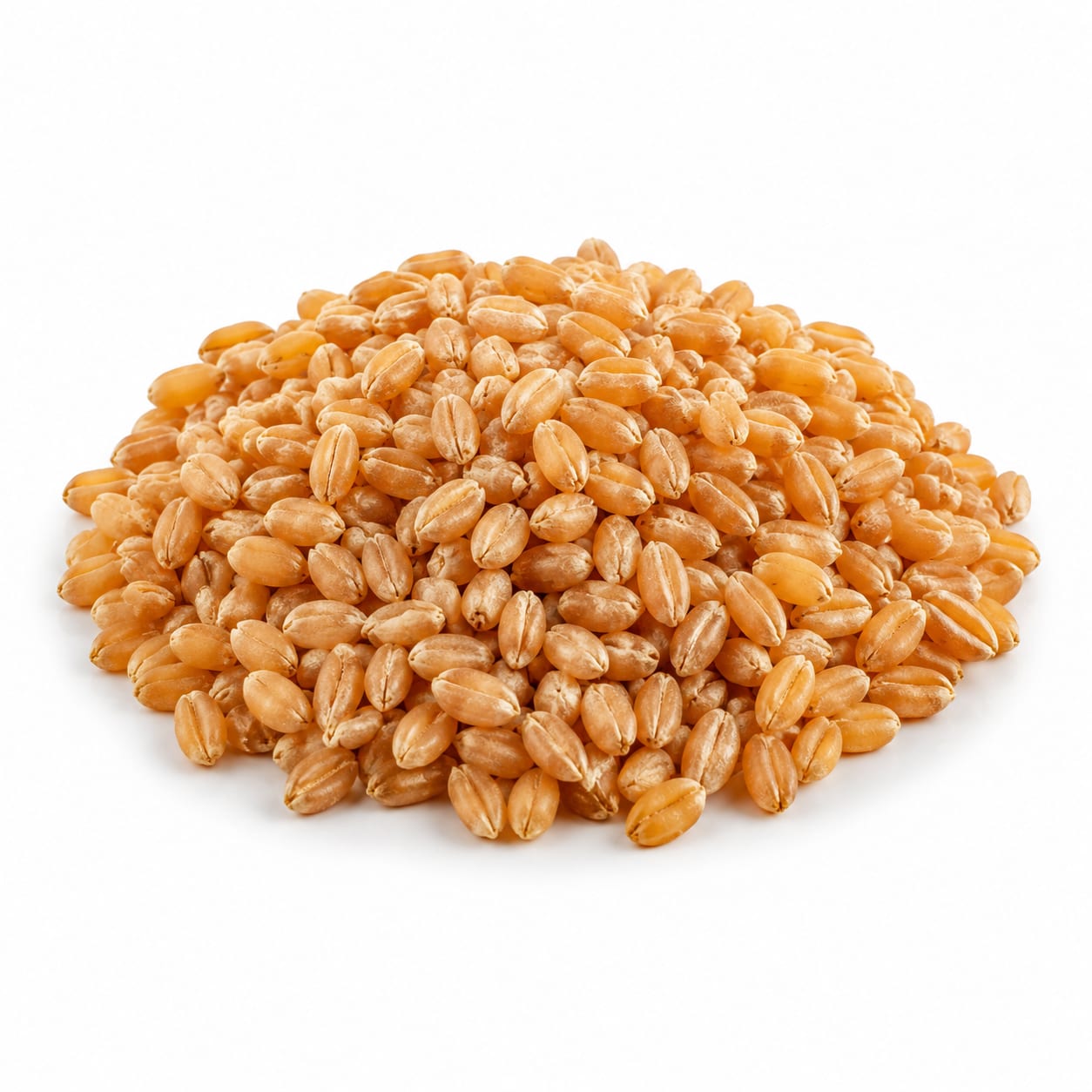
Wheat
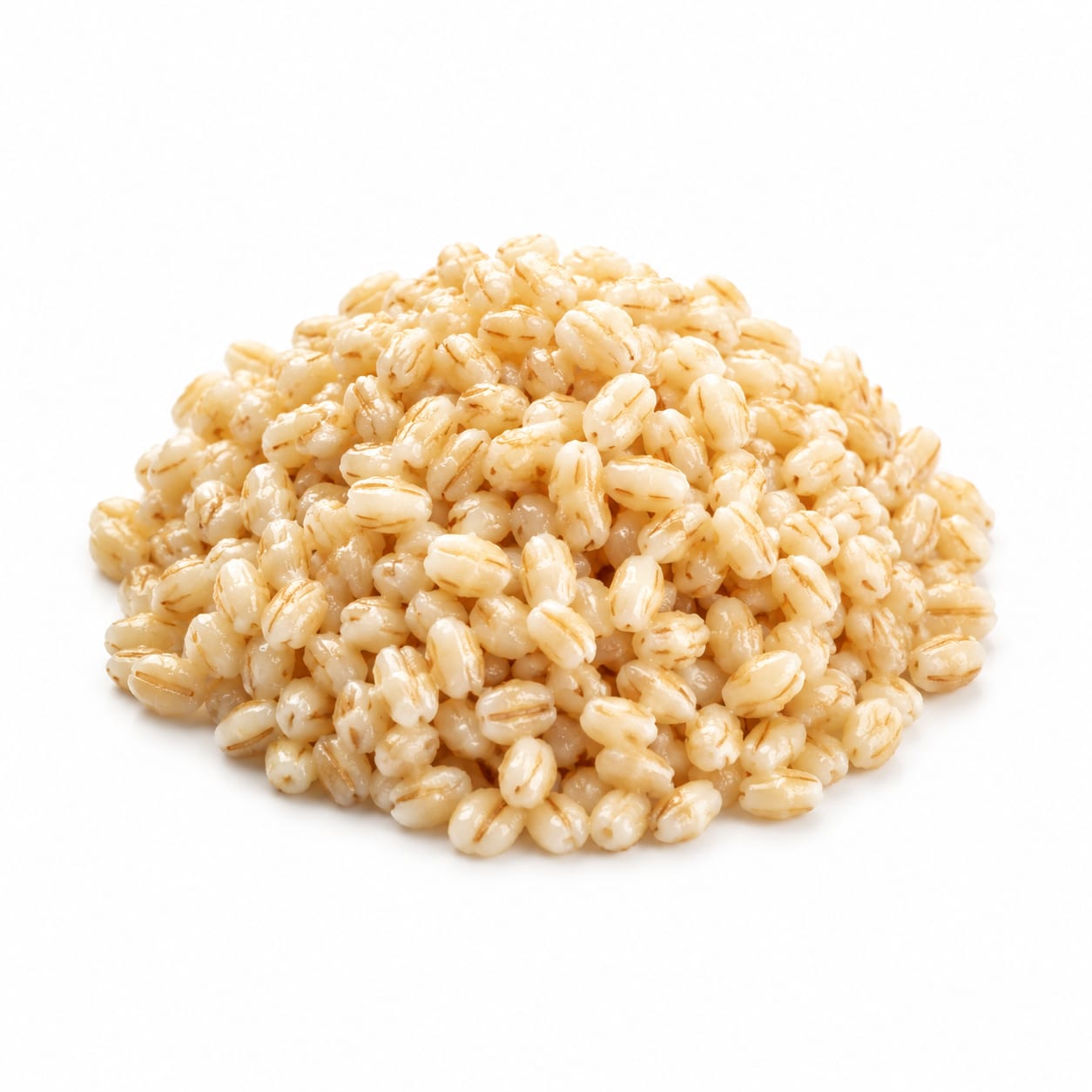
Barley
Barley wins for metabolic health and heart protection, while wheat wins for protein content and everyday convenience.
Barley scores higher due to its superior fiber content, blood sugar benefits, and heart health properties. Wheat remains competitive through higher protein and unmatched versatility, but its metabolic drawbacks pull it down for health-focused users.
You trade the blood sugar stability and cholesterol-lowering power of barley for the higher protein and culinary flexibility of wheat.
At a glance
Executive summary
Overall
It depends
Healthier
Barley
More practical
Wheat
Daily use
It depends
Key comparison lenses
blood sugar management
Barley's beta-glucan fiber creates a dramatic difference in glycemic response compared to wheat, making this the most consequential distinction
heart health and cholesterol
Barley is one of the few grains with FDA-approved heart health claims due to its soluble fiber content
digestive health and satiety
The fiber profile difference significantly impacts fullness, gut health, and digestive regularity
gluten sensitivity and celiac concerns
Both contain gluten but wheat gluten is more reactive for most sensitive individuals
everyday practicality and versatility
Wheat dominates modern diets due to availability and product variety, while barley remains niche
Best choice for
Wheat
- Higher protein needs and vegetarian diets
- Baking and recipe versatility
- Athletes needing more protein from grains
- Those who want widely available, affordable options
Barley
- Blood sugar management and diabetes prevention
- Lowering cholesterol and heart disease risk
- Weight management through better satiety
- Gut health and digestive regularity
Least suitable for
Wheat
- People with celiac disease or wheat sensitivity
- Those managing diabetes or insulin resistance
- Anyone seeking maximum fiber per serving
Barley
- People with celiac disease or gluten intolerance
- Those wanting quick-cooking grains for busy weeknights
- Anyone unfamiliar with cooking whole grains
Deep comparison
Dimension by dimension
Each lens scores both foods and breaks down who each option suits.
- Dimension 1 · Priority 95Barley
Blood Sugar Stability
Wheat · 45Barley · 88Barley's beta-glucan fiber slows glucose absorption significantly, while wheat causes faster blood sugar spikes.
Tradeoff
Wheat products digest faster, giving quicker energy but less metabolic stability throughout the day.
Why it matters
Steadier blood sugar means fewer afternoon crashes, less cravings, and lower diabetes risk over time.
Real-world impact
A barley-based breakfast keeps you full and energized until lunch. Wheat-based breakfasts often leave you hungry again by mid-morning.
Wheat
- Quick pre-workout energy when you need fast fuel
Better for
- Blood sugar spikes followed by crashes
- Increased hunger between meals
Worse for
Barley
- Sustained energy through long workdays
- Preventing the afternoon slump
- Diabetes management and prevention
Better for
- Not ideal when you need rapid carbohydrate replenishment after intense exercise
Worse for
- Dimension 2 · Priority 90Barley
Fiber Content and Gut Health
Wheat · 50Barley · 92Barley delivers roughly double the total fiber of wheat, with a much higher proportion of soluble beta-glucan.
Tradeoff
Wheat bran provides excellent insoluble fiber for regularity, but barley's soluble fiber feeds gut bacteria and lowers cholesterol.
Why it matters
Soluble fiber acts like a sponge for cholesterol and feeds beneficial gut bacteria. Insoluble fiber keeps things moving through your digestive tract.
Real-world impact
Regular barley eaters often notice better digestion, less bloating over time, and improved cholesterol numbers at checkups.
Wheat
- Relieving occasional constipation through insoluble fiber
Better for
- Less cholesterol-lowering effect
- Weaker satiety signal compared to barley
Worse for
Barley
- Feeding beneficial gut bacteria for long-term microbiome health
- Lowering LDL cholesterol naturally
- Feeling fuller for longer after meals
Better for
- Sudden fiber increase can cause temporary gas if your body is not used to it
Worse for
- Dimension 3 · Priority 78Wheat
Protein Content
Wheat · 82Barley · 62Wheat contains notably more protein per serving, making it more useful for meeting daily protein targets.
Tradeoff
Wheat offers more protein but less fiber. Barley offers less protein but far more metabolic protection.
Why it matters
Protein from grains matters especially for vegetarians and vegans who need to hit targets from multiple sources.
Real-world impact
A wheat-based meal contributes more meaningfully to your daily protein goal, while barley requires pairing with legumes or other proteins.
Wheat
- Vegetarians and vegans counting protein grams
- Athletes combining grains with other protein sources
Better for
- Protein comes with less satiety benefit than barley's fiber-protein combination
Worse for
Barley
- Those who already get ample protein from other foods and want metabolic benefits instead
Better for
- Need to be more intentional about protein from other food sources
Worse for
- Dimension 4 · Priority 88Barley
Heart Health
Wheat · 48Barley · 90Barley has an FDA-approved health claim for reducing heart disease risk. Wheat has no equivalent cardiovascular benefit.
Tradeoff
Choosing wheat means missing a simple dietary intervention that actively lowers cholesterol.
Why it matters
Heart disease remains the leading cause of death globally. A grain that actively reduces risk is a rare everyday tool.
Real-world impact
Eating barley regularly can lower LDL cholesterol by 5-10%, comparable to some dietary interventions people find much harder to maintain.
Wheat
- No specific heart health advantage over barley
Better for
- Refined wheat products may actually harm heart health through inflammation
Worse for
Barley
- Clinically demonstrated cholesterol reduction
- Reduced cardiovascular disease risk with regular consumption
- Blood pressure support through better blood sugar control
Better for
- Benefits require consistent consumption, not occasional use
Worse for
- Dimension 5 · Priority 72Wheat
Versatility and Convenience
Wheat · 90Barley · 55Wheat is everywhere: breads, pastas, cereals, tortillas, and more. Barley is mostly found as pearled barley for soups.
Tradeoff
Wheat's convenience comes with heavy processing in most products. Barley's limited availability often means cooking from scratch.
Why it matters
The healthiest grain only helps if you actually eat it. Wheat's ubiquity makes it the default for most people.
Real-world impact
You can find wheat products at any store or restaurant. Finding whole grain barley often requires a trip to a health food store or specialty section.
Wheat
- Available in countless forms at every grocery store
- Works in baking, cooking, and ready-to-eat products
- Familiar and easy to incorporate without learning new recipes
Better for
- Convenience often means choosing refined wheat products that lose most health benefits
Worse for
Barley
- Simple to cook as a rice substitute or porridge once you learn how
Better for
- Limited product variety on shelves
- Longer cooking time unless using pearled barley which removes some fiber
- Less familiar taste and texture for many households
Worse for
- Dimension 6 · Priority 82Barley
Weight Management
Wheat · 52Barley · 80Barley's fiber keeps you full longer with fewer calories absorbed, while wheat digests faster and triggers hunger sooner.
Tradeoff
Wheat products are often paired with fats and sugars in processed foods, undermining weight management. Barley's natural chewiness and fiber make overeating harder.
Why it matters
Satiety is the strongest predictor of long-term weight management success. A grain that naturally limits intake is a powerful ally.
Real-world impact
A barley bowl at lunch typically prevents the 3pm snack attack. A wheat-based lunch often leaves you reaching for something by mid-afternoon.
Wheat
- Whole wheat can support weight loss when portion-controlled
Better for
- Refined wheat products are easy to overeat
- Faster digestion leads to quicker return of hunger
Worse for
Barley
- Natural appetite suppression through high soluble fiber
- Fewer calories effectively absorbed due to fiber binding
- Less likely to trigger cravings and overeating cycles
Better for
- No significant downside for weight management
Worse for
Timeline
Health impact over time
Short-term
Hours to days
Wheat
- Quick energy from faster-digesting carbohydrates
- Moderate satiety that fades within 2-3 hours
- Possible bloating in sensitive individuals due to gluten or FODMAPs
Barley
- Steady energy release over 4-5 hours
- Noticeable fullness that reduces between-meal snacking
- Possible temporary gas or bloating when first increasing fiber intake
Long-term
Months to years
Wheat
- Regular consumption of refined wheat linked to higher diabetes risk
- Whole wheat provides moderate protection against chronic disease
- Gluten exposure may trigger sensitivity in susceptible individuals over time
Barley
- Consistent beta-glucan intake associated with lower heart disease risk
- Improved cholesterol profiles measurable within weeks of regular consumption
- Better gut microbiome diversity from sustained soluble fiber intake
Risk profile
Safety & processing
Most wheat consumed today is refined and found in processed products with added sugars, oils, and preservatives. Barley is typically sold as a whole grain with minimal processing, though pearled barley has its bran partially removed.
Wheat
Gluten reactivity and celiac disease
highWheat gluten is the primary trigger for celiac disease and non-celiac gluten sensitivity, affecting roughly 1-6% of the population depending on sensitivity type.
FODMAP intolerance
mediumWheat contains fructans that trigger IBS symptoms in sensitive individuals, even without celiac disease.
Pesticide residue
mediumConventionally grown wheat is often treated with glyphosate as a desiccant before harvest, leaving residues in the final product.
Barley
Gluten content
highBarley contains gluten hordein, which triggers reactions in celiac patients. Not safe for gluten-free diets.
Mycotoxin contamination
lowBarley can carry deoxynivalenol from fungal growth, though this is well-regulated in food-grade barley.
Pesticide residue
lowBarley is typically less heavily treated with pesticides compared to conventional wheat crops.
Who wins for whom
Audience fit
Same foods, different winners depending on your goal.
children
WheatChildren are more familiar with wheat-based foods, making it easier to ensure adequate intake without mealtime battles.
daily consumption
It dependsBarley is healthier for most people, but wheat's convenience and familiarity make it more sustainable for daily use in real-world settings.
diabetes
BarleyBarley's beta-glucan dramatically slows glucose absorption, making it one of the best grain choices for blood sugar control.
elderly
BarleyBarley supports heart health and blood sugar stability, both critical concerns for aging adults, while its fiber aids common digestive sluggishness.
muscle gain
WheatWheat provides more protein per serving and pairs more easily with high-protein foods in meals.
weight loss
BarleyBarley's superior fiber content creates stronger satiety signals and reduces overall calorie intake naturally.
Your move
Decision guide
Choose Wheat
- You need higher protein intake from grain sources
- Convenience and availability matter more than optimization
- You bake regularly and need flour that performs reliably
- You have no blood sugar concerns and prefer familiar foods
Choose Barley
- Blood sugar stability is a priority for you
- You want to lower cholesterol naturally through diet
- Satiety and weight management are ongoing challenges
- You enjoy cooking whole grains and trying new recipes
- Heart health runs in your family history
Either works if
- You have celiac disease or gluten intolerance, as both are unsafe
- You already eat a diverse diet with plenty of other whole grains
- You rotate grains regularly and do not rely on either as a staple
Avoid both if
- You have celiac disease or confirmed gluten sensitivity
- You follow a strict gluten-free diet for any medical reason
- You have severe FODMAP intolerance under medical guidance
Final recommendation
If you tolerate gluten, barley is the stronger choice for long-term health. Its blood sugar benefits, cholesterol-lowering fiber, and satiety advantages make it one of the most underrated grains available. Start by swapping barley for rice in soups or as a side dish twice a week. Keep wheat for situations where convenience or protein content matters more. The best approach is rotation: let barley handle your metabolic health while wheat covers your practical needs.
Practical
Consumer tips
- 1
Choose hulled barley over pearled barley when possible. Hulled retains more fiber and nutrients, though it takes longer to cook.
- 2
Soak barley overnight to reduce cooking time and improve digestibility, similar to how you might prepare dried beans.
- 3
If switching from wheat to barley, increase portions gradually over a week to let your digestive system adjust to the higher fiber load.
- 4
Look for whole wheat products specifically labeled '100% whole wheat' rather than just 'wheat' or 'multigrain' to avoid refined options.
- 5
Try barley as a breakfast porridge with nuts and cinnamon. It is more filling than oatmeal and has a pleasantly chewy texture.
- 6
Freeze cooked barley in portions for quick additions to soups and salads throughout the week.
- 7
When buying wheat products, check that whole wheat flour is the first ingredient and avoid products with added sugars in the first three ingredients.