
Nutrition comparison
Wheat vs Amaranth: Nutrition, Gluten, and Health Comparison
Compare Wheat and Amaranth side by side. Discover which grain offers better protein, minerals, and blood sugar control, and when to choose each for your health goals.
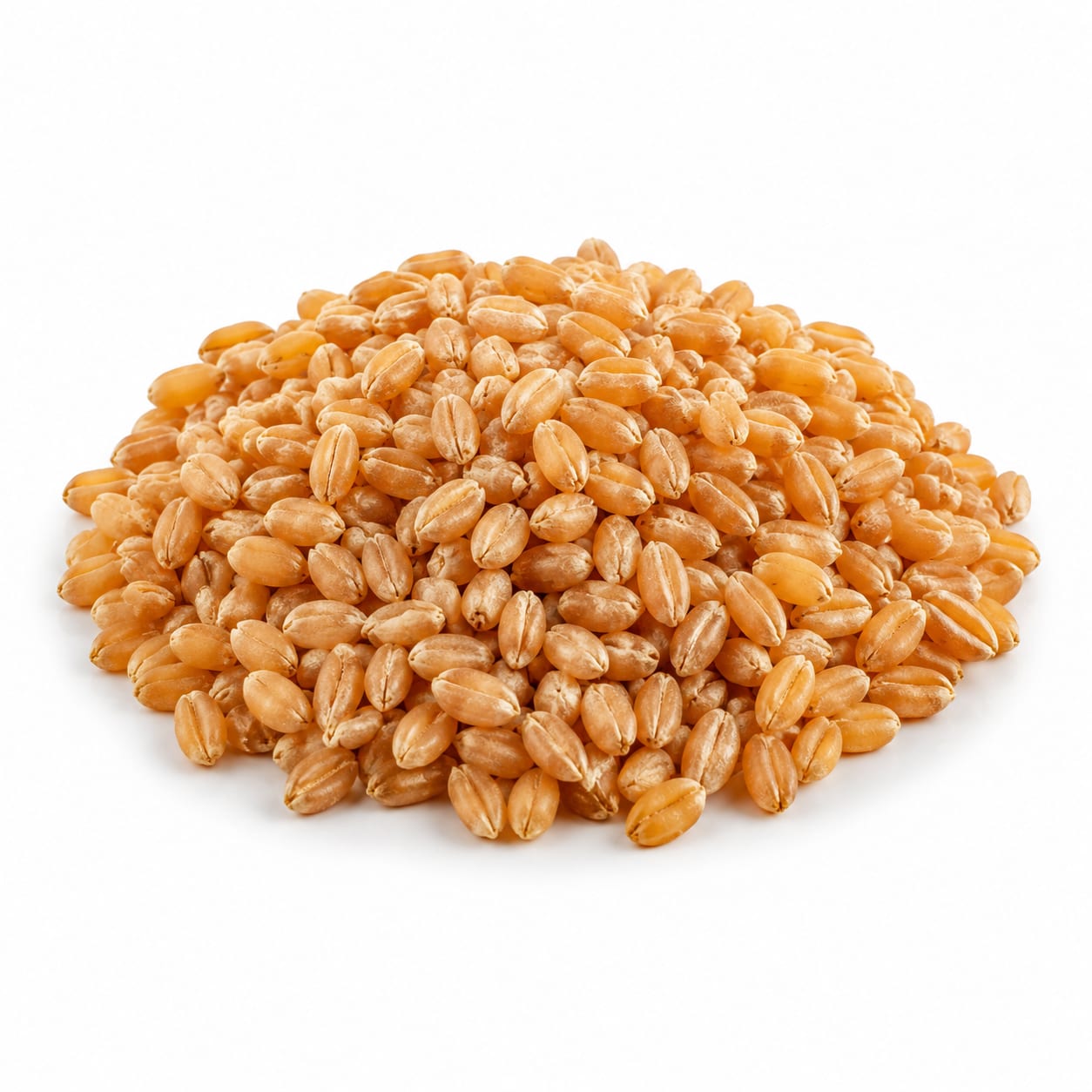
Wheat
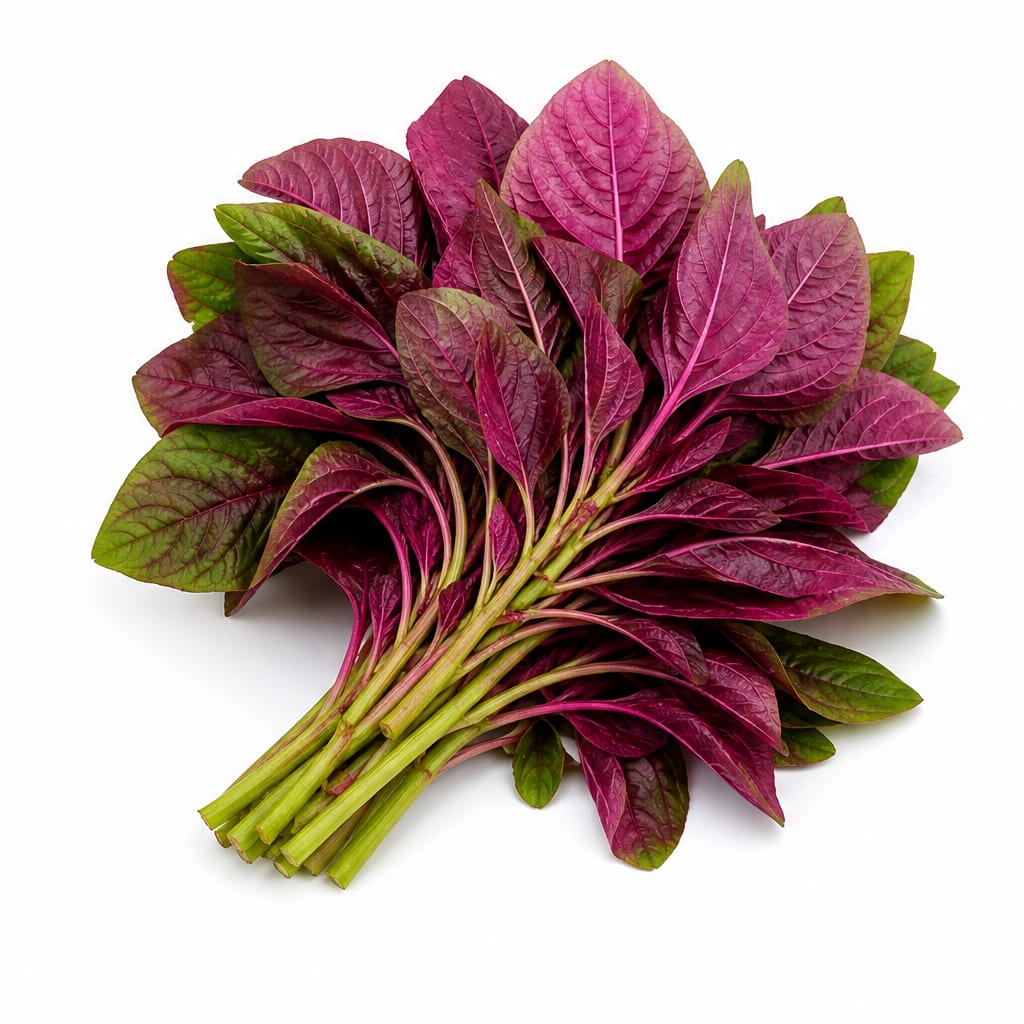
Amaranth
Amaranth delivers superior nutrition per calorie and is safer for gluten-sensitive people, but Wheat wins on affordability, availability, and culinary familiarity.
Amaranth scores higher due to complete protein, superior mineral content, and gluten-free status. Wheat remains competitive through accessibility, cost, and culinary versatility, but its gluten content and lower micronutrient density pull it down.
Nutritional density and gluten-free safety versus everyday convenience and cost.
At a glance
Executive summary
Overall
It depends
Healthier
Amaranth
More practical
Wheat
Daily use
It depends
Key comparison lenses
gluten tolerance and digestive compatibility
Wheat contains gluten which triggers issues for a significant population; Amaranth is naturally gluten-free, making this the most decisive differentiator
protein quality and completeness
Amaranth provides a rare complete plant protein with all essential amino acids, while wheat protein is deficient in lysine
blood sugar stability
Both are carbohydrate-rich staples, but their glycemic impacts differ substantially depending on form and preparation
mineral density and micronutrition
Amaranth significantly outperforms wheat in iron, magnesium, phosphorus, and several trace minerals
everyday practicality and cost
Wheat is ubiquitous and cheap; Amaranth is harder to find and more expensive, affecting long-term sustainability
Best choice for
Wheat
- People on tight food budgets
- Those who tolerate gluten well and want versatile staple grain
- Bakers needing reliable flour performance
- Families needing widely accessible pantry staples
Amaranth
- Anyone with celiac disease or gluten sensitivity
- Those seeking complete plant protein sources
- People looking to boost iron and magnesium intake
- Anyone wanting more nutrient-dense calories
Least suitable for
Wheat
- People with celiac disease or non-celiac gluten sensitivity
- Those following a gluten-free diet
- People with wheat allergies
Amaranth
- Those on very tight grocery budgets
- People who dislike earthy or grassy flavors
- Anyone needing instant convenience foods
Deep comparison
Dimension by dimension
Each lens scores both foods and breaks down who each option suits.
- Dimension 1 · Priority 92Amaranth
Protein Quality and Completeness
Wheat · 55Amaranth · 88Amaranth provides all nine essential amino acids, making it a complete protein. Wheat protein is missing adequate lysine, reducing its biological value.
Tradeoff
You get more total protein per serving from wheat in some forms, but the protein is less usable by your body compared to Amaranth.
Why it matters
Complete proteins support muscle maintenance, immune function, and satiety more effectively, especially on plant-based diets.
Real-world impact
If you rely on grains as a primary protein source, Amaranth keeps you fuller longer and supports recovery better after exercise.
Wheat
- Higher total protein in some refined forms like seitan
Better for
- Deficient in lysine, requiring complementary proteins
Worse for
Amaranth
- Complete amino acid profile for muscle repair
- Better for vegetarians and vegans needing quality protein
- More effective at reducing hunger between meals
Better for
- Lower total protein concentration than wheat gluten isolates
Worse for
- Dimension 2 · Priority 95Amaranth
Gluten and Digestive Tolerance
Wheat · 35Amaranth · 95Wheat contains gluten, which triggers autoimmune reactions in celiac patients and discomfort in many others. Amaranth is naturally gluten-free and well-tolerated.
Tradeoff
Wheat's gluten gives dough its elasticity and texture, which is why baking works so well with it. Amaranth cannot replicate this alone.
Why it matters
Roughly 6-7% of the population has gluten-related disorders, and many more report improved digestion when reducing gluten.
Real-world impact
If you experience bloating, brain fog, or fatigue after eating wheat products, Amaranth offers a satisfying alternative without the digestive gamble.
Wheat
- Superior baking properties for bread and pastries
Better for
- Causes autoimmune damage in celiac patients
- Triggers IBS-like symptoms in gluten-sensitive people
Worse for
Amaranth
- Safe for celiac disease and gluten intolerance
- Gentler on the digestive system for sensitive individuals
- No risk of gluten-related inflammation
Better for
- Cannot produce traditional bread textures alone
Worse for
- Dimension 3 · Priority 82Amaranth
Blood Sugar Stability
Wheat · 50Amaranth · 72Whole Amaranth has a lower glycemic index than whole wheat, and both are far better than their refined counterparts. Amaranth's higher fiber and protein slow glucose absorption more effectively.
Tradeoff
Refined wheat flour spikes blood sugar rapidly, but whole wheat berries are moderate. Amaranth provides steadier energy across all forms.
Why it matters
Stable blood sugar means fewer energy crashes, reduced cravings, and better long-term metabolic health.
Real-world impact
A bowl of Amaranth porridge keeps you energized through the morning. A wheat-based pastry might leave you hungry again within 90 minutes.
Wheat
- Whole wheat berries provide moderate glycemic impact
Better for
- Refined wheat flour causes rapid blood sugar spikes
- Common wheat products are heavily processed
Worse for
Amaranth
- Lower glycemic index across all preparation methods
- Better fiber-to-carb ratio slows sugar absorption
- More sustaining energy for long workdays
Better for
- Still a carbohydrate-rich food requiring portion control
Worse for
- Dimension 4 · Priority 85Amaranth
Mineral and Micronutrient Density
Wheat · 48Amaranth · 90Amaranth delivers significantly more iron, magnesium, phosphorus, manganese, and zinc per serving than wheat. It also contains squalene, a compound with antioxidant properties.
Tradeoff
Amaranth's superior mineral content comes with phytic acid that can reduce absorption, but soaking and cooking mitigate this significantly.
Why it matters
Mineral deficiencies, especially iron and magnesium, are common worldwide. Choosing mineral-dense staples can meaningfully close nutritional gaps.
Real-world impact
Switching from wheat to Amaranth a few times per week can help address fatigue linked to low iron or muscle cramps tied to magnesium deficiency.
Wheat
- Often fortified with folic acid in refined flour products
Better for
- Lower natural mineral density requires fortification
- Refining strips away most micronutrients
Worse for
Amaranth
- Twice the iron of wheat per serving
- Triple the magnesium content
- Contains squalene for antioxidant benefits
- Richer in phosphorus for bone health
Better for
- Phytic acid partially reduces mineral absorption without proper preparation
Worse for
- Dimension 5 · Priority 75Wheat
Everyday Practicality and Cost
Wheat · 92Amaranth · 48Wheat is one of the most affordable and available foods on the planet. Amaranth is a specialty grain with limited availability and higher cost.
Tradeoff
You pay more for Amaranth's nutritional advantages, and finding it requires specialty stores or online ordering in many regions.
Why it matters
The healthiest food only works if you can consistently access and afford it. Budget and convenience drive real-world eating patterns.
Real-world impact
A family of four can eat wheat-based meals for dollars per week. The same meals with Amaranth could cost three to five times more.
Wheat
- Available in every grocery store worldwide
- Fraction of the cost per calorie
- Countless familiar recipes and products
- Long shelf life and easy storage
Better for
- Over-reliance can lead to dietary monotony
Worse for
Amaranth
- Growing availability in health food stores
- Easy to cook as porridge or side dish
Better for
- Expensive for regular staple use
- Hard to find in conventional stores
- Limited recipe familiarity for most households
Worse for
- Dimension 6 · Priority 70Wheat
Culinary Versatility
Wheat · 90Amaranth · 60Wheat dominates global cuisine with bread, pasta, pastries, and countless prepared foods. Amaranth works well as porridge, in soups, or popped, but has a narrower culinary range.
Tradeoff
Wheat's versatility comes from gluten's unique baking properties. Amaranth requires blending with other flours for most baked goods.
Why it matters
Food variety and enjoyment determine whether a dietary change sticks. Boring meals lead to abandoned plans.
Real-world impact
You can make virtually anything with wheat flour. With Amaranth, you need creativity and complementary ingredients to achieve similar results.
Wheat
- Bread, pizza, pasta, pastries all work naturally
- Gluten provides unmatched texture and elasticity
- Universal recipe compatibility
Better for
- Limited to gluten-inclusive diets
Worse for
Amaranth
- Popped Amaranth is a unique and fun snack
- Adds nutty depth to soups and stews
- Works beautifully as a breakfast porridge
Better for
- Cannot make traditional bread alone
- Dense texture in baking without mixing other flours
- Earthy flavor does not suit every dish
Worse for
Timeline
Health impact over time
Short-term
Hours to days
Wheat
- Provides quick energy, especially from refined forms
- Can cause bloating or digestive discomfort in gluten-sensitive individuals
- Refined wheat products may trigger hunger within 1-2 hours
Amaranth
- Delivers sustained energy with less blood sugar fluctuation
- Generally easy on digestion for gluten-sensitive people
- Higher protein and fiber promote longer-lasting fullness
Long-term
Months to years
Wheat
- Regular whole wheat consumption supports heart health through fiber
- Gluten exposure risks autoimmune activation in susceptible individuals
- Refined wheat contributes to metabolic syndrome risk with frequent consumption
Amaranth
- Iron and magnesium density helps prevent common deficiencies over time
- Consistent intake supports bone density through phosphorus and calcium
- Gluten-free nature eliminates long-term gluten-related inflammatory risks
Risk profile
Safety & processing
Amaranth is typically sold as a whole grain or flour with minimal processing. Wheat is often heavily refined into white flour with additives, preservatives, and fortification chemicals, though whole wheat options exist.
Wheat
Gluten-related autoimmune reactions
highCeliac disease affects roughly 1% of the population and causes intestinal damage with wheat consumption. Non-celiac gluten sensitivity may affect up to 6% more.
Fungal toxin contamination
mediumWheat is susceptible to Fusarium head blight, which can produce deoxynivalenol (vomitoxin). Regulatory monitoring exists but contamination still occurs.
Pesticide residue
mediumConventionally grown wheat is frequently treated with glyphosate as a pre-harvest desiccant, leaving residues in the final product.
Amaranth
Phytic acid reducing mineral absorption
lowAmaranth contains phytic acid that binds minerals, but soaking, sprouting, or cooking significantly reduces this effect.
Oxalate content
lowAmaranth contains moderate oxalates, which may concern people prone to kidney stones, though typical serving sizes pose minimal risk.
Who wins for whom
Audience fit
Same foods, different winners depending on your goal.
children
It dependsWheat offers familiar textures kids accept readily, but Amaranth provides superior iron and protein for growing bodies. Rotation is ideal.
daily consumption
It dependsWheat is more sustainable financially for daily use, but Amaranth is nutritionally superior. The best approach is rotating both based on budget and tolerance.
diabetes
AmaranthLower glycemic index and better fiber-to-carbohydrate ratio result in steadier blood sugar response, reducing insulin demand.
elderly
AmaranthHigher mineral density supports bone health and prevents anemia, and gluten-free nature reduces digestive stress common in aging populations.
muscle gain
AmaranthComplete protein with all essential amino acids supports muscle protein synthesis more effectively than wheat's lysine-deficient protein profile.
weight loss
AmaranthAmaranth's higher protein and fiber content promotes greater satiety per calorie, making portion control easier and reducing between-meal snacking.
Your move
Decision guide
Choose Wheat
- You have no gluten sensitivity and need an affordable, versatile staple
- Budget is a primary concern for your household
- You bake regularly and need reliable flour performance
- You want easy access to recipes and prepared products
Choose Amaranth
- You have celiac disease, gluten sensitivity, or wheat allergy
- You want maximum nutrition per calorie from your grains
- You are plant-based and need complete protein sources
- You struggle with low iron or magnesium levels
Either works if
- You tolerate gluten well and want variety in your grain rotation
- You are generally healthy and seeking dietary diversity
- You cook at home and enjoy experimenting with different grains
Avoid both if
- You are on a strict very-low-carb or ketogenic diet
- You have severe grain or seed allergies beyond gluten
Final recommendation
If you tolerate gluten, keep wheat as your affordable base but substitute Amaranth several times per week for its nutritional advantages. If you are gluten-sensitive, Amaranth is clearly the better staple. The ideal approach for most people is not choosing one exclusively, but letting Amaranth elevate your grain rotation while wheat handles the everyday affordability and familiarity.
Practical
Consumer tips
- 1
Soak Amaranth for 8-12 hours before cooking to reduce phytic acid and improve mineral absorption
- 2
Pop Amaranth in a hot dry skillet for 30 seconds for a crunchy, cereal-like topping
- 3
Mix Amaranth flour with other gluten-free flours like rice or tapioca for better baking results
- 4
Choose whole wheat over refined wheat whenever possible to retain fiber and minerals
- 5
Store Amaranth in an airtight container in a cool, dark place to prevent rancidity of its natural oils
- 6
If transitioning from wheat, start by mixing Amaranth into oatmeal or soups before using it as a standalone grain