
Nutrition comparison
Wax Apple vs Jicama: Which Low-Calorie Snack Is Actually Better for You?
Compare Wax Apple and Jicama nutrition, fiber, satiety, and blood sugar impact. Find out which crunchy snack keeps you fuller and which one hydrates better.
Overall winner · Jicama
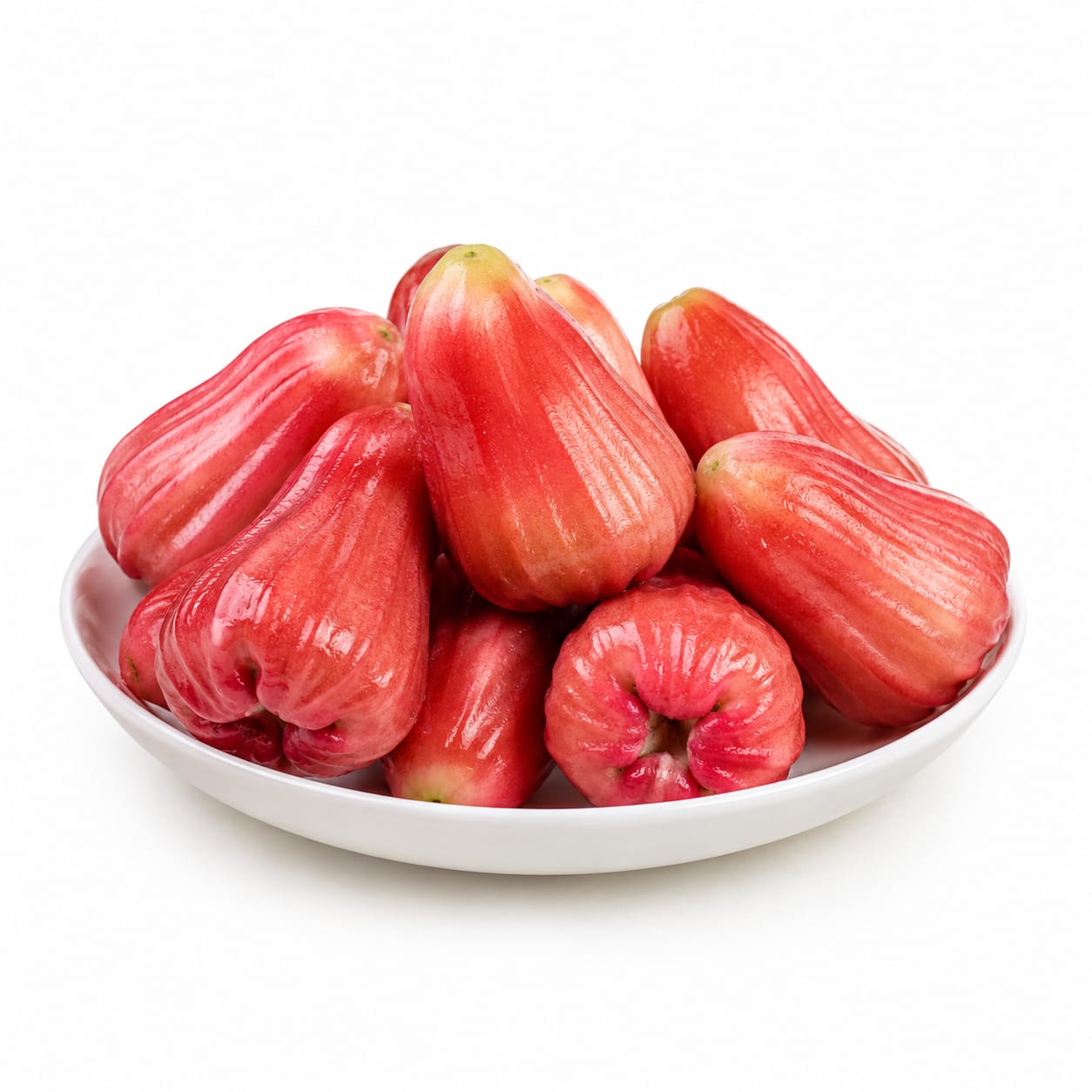
Wax Apple

Jicama
Jicama wins on substance — more fiber, more filling, better blood sugar control. Wax Apple wins on refreshment and hydration when you want something light and juicy.
Jicama scores notably higher due to its superior fiber content, satiety value, and blood sugar stability. Wax Apple is not unhealthy but offers less nutritional substance per bite — it is mostly water with mild sweetness.
Refreshing hydration versus satisfying fullness. Wax Apple quenches thirst but leaves you hungry; Jicama keeps you fuller longer but feels denser to eat.
At a glance
Executive summary
Overall
Jicama
Healthier
Jicama
More practical
Jicama
Daily use
Jicama
Key comparison lenses
low-calorie snacking comparison
Both are popular light snack options for weight-conscious eaters, but deliver very different satiety experiences
fiber and digestive health
Jicama is notably fiber-dense with prebiotic inulin, while Wax Apple is water-dominant with minimal fiber
blood sugar management
The fiber gap significantly affects how each food impacts glucose stability, critical for diabetic or insulin-resistant users
hydration and refreshment
Wax Apple is prized for its juiciness and thirst-quenching quality, making it a hot-weather favorite
culinary versatility
Jicama works raw or cooked in many dishes, while Wax Apple is almost exclusively eaten fresh
Best choice for
Wax Apple
- Hot climate hydration and thirst relief
- Light post-meal palate cleanser
- Low-calorie sweet craving alternative
- Quick energy without feeling heavy
Jicama
- Sustained energy between meals
- Weight loss snacking that actually satisfies
- Gut health and prebiotic fiber intake
- Diabetic-friendly crunchy snacking
Least suitable for
Wax Apple
- People needing fiber for digestion or satiety
- Blood sugar management requiring stable glucose
- Anyone trying to reduce frequent snacking
Jicama
- Those wanting quick hydration in hot weather
- People who dislike dense, crunchy textures
- Situations needing a light, juicy refreshment
Deep comparison
Dimension by dimension
Each lens scores both foods and breaks down who each option suits.
- Dimension 1 · Priority 95Jicama
Satiety and Fullness
Wax Apple · 30Jicama · 82Jicama is far more filling. Its high fiber content physically fills the stomach and slows digestion. Wax Apple digests quickly and leaves you reaching for more food soon after.
Tradeoff
Wax Apple feels lighter in the moment but fails to keep hunger at bay. Jicama takes more effort to eat but actually satisfies.
Why it matters
If you snack to control hunger between meals, Wax Apple will disappoint. Jicama can genuinely bridge the gap between meals without a calorie cost.
Real-world impact
A cup of jicama sticks at 3pm can hold you until dinner. A Wax Apple at 3pm will have you hungry again by 4pm.
Wax Apple
- Moments when you want something light before a meal soon after
Better for
- Anyone relying on snacks to stay full for hours
Worse for
Jicama
- Between-meal snacking
- Preventing overeating at the next meal
- Late afternoon energy dips
Better for
- Situations where a heavy feeling in the stomach would be uncomfortable
Worse for
- Dimension 2 · Priority 88Jicama
Blood Sugar Stability
Wax Apple · 55Jicama · 85Jicama's high inulin fiber slows sugar absorption dramatically. Wax Apple has a low calorie count but less fiber to buffer its natural sugars.
Tradeoff
Both are low-glycemic options overall, but Jicama provides a steadier glucose response. Wax Apple's sugars hit slightly faster with less fiber braking.
Why it matters
For anyone monitoring blood sugar — diabetic, prediabetic, or just avoiding energy crashes — this difference compounds over time.
Real-world impact
Jicama will not cause that subtle energy dip 30 minutes after eating. Wax Apple might, especially if eaten alone on an empty stomach.
Wax Apple
- Quick mild energy when blood sugar is not a primary concern
Better for
- Sensitive individuals eating it alone on an empty stomach
Worse for
Jicama
- Diabetics and insulin-resistant individuals
- Avoiding afternoon energy crashes
- Pairing with other foods for glucose control
Better for
- Rarely a downside here — jicama is exceptionally blood-sugar friendly
Worse for
- Dimension 3 · Priority 78Wax Apple
Hydration and Refreshment
Wax Apple · 90Jicama · 45Wax Apple is over 90% water with a crisp, juicy burst. Jicama is moist but denser and more starchy — refreshing but not thirst-quenching.
Tradeoff
Wax Apple genuinely hydrates. Jicama nourishes. On a hot day, Wax Apple feels like a drink disguised as a fruit.
Why it matters
In tropical climates or after exercise, hydration from food matters. Wax Apple delivers this beautifully.
Real-world impact
After a hot commute or outdoor walk, a Wax Apple feels revitalizing. Jicama feels like eating a snack — pleasant but not thirst-solving.
Wax Apple
- Hot weather snacking
- Post-exercise refreshment when water is not enough
- Replacing high-sugar hydrating fruits
Better for
- When you need sustained energy, not just refreshment
Worse for
Jicama
- Situations where hydration is not the goal
Better for
- Anyone specifically seeking thirst relief from food
Worse for
- Dimension 4 · Priority 85Jicama
Gut Health and Digestive Support
Wax Apple · 35Jicama · 88Jicama is rich in inulin, a prebiotic fiber that feeds beneficial gut bacteria. Wax Apple provides minimal fiber and negligible prebiotic value.
Tradeoff
Eating Jicama regularly supports a healthier gut microbiome over time. Wax Apple is gentle on digestion but does not actively improve it.
Why it matters
Gut health affects immunity, mood, and long-term disease risk. Prebiotic fiber is one of the most impactful dietary choices you can make.
Real-world impact
Daily jicama consumption can improve bowel regularity and support beneficial bacteria within weeks. Wax Apple will not hurt your gut but will not help it either.
Wax Apple
- People with very sensitive digestion who need low-fiber foods temporarily
Better for
- Anyone relying on diet for fiber intake
Worse for
Jicama
- Building a healthier gut microbiome
- Improving bowel regularity
- Supporting immune function through gut health
Better for
- Those temporarily on a low-fiber diet for digestive recovery
Worse for
- Dimension 5 · Priority 72Jicama
Culinary Versatility
Wax Apple · 35Jicama · 80Jicama works raw in salads, cooked in stir-fries, blended into slaws, or used as a chip substitute. Wax Apple is almost exclusively eaten fresh and raw.
Tradeoff
Jicama adapts to your cooking style. Wax Apple demands you eat it as-is, right away.
Why it matters
A versatile ingredient gets used more and wasted less. If you buy it, you will find ways to eat it.
Real-world impact
Jicama can replace chips for dips, add crunch to tacos, or bulk up a salad. Wax Apple is a grab-and-eat fruit with limited kitchen roles.
Wax Apple
- Simple fresh snacking with no preparation
Better for
- Anyone wanting ingredient flexibility
Worse for
Jicama
- Meal prep and recipe integration
- Replacing higher-calorie crunchy foods
- Creative cooking and salad building
Better for
- Those who only want a quick, no-prep fruit
Worse for
- Dimension 6 · Priority 80Jicama
Nutrient Density Per Calorie
Wax Apple · 40Jicama · 75Jicama delivers more fiber, more vitamin C, and meaningful minerals per calorie. Wax Apple offers hydration and trace nutrients but less substance.
Tradeoff
Both are low-calorie, but Jicama earns its calories with real nutritional payoff. Wax Apple's calories come with less return.
Why it matters
When eating light, every calorie should count. Jicama makes each calorie work harder for your health.
Real-world impact
A 50-calorie serving of jicama gives you fiber, vitamin C, and potassium. The same calories from Wax Apple give you water and a little vitamin C.
Wax Apple
- When hydration itself is the nutrient priority
Better for
- Nutrient-focused eaters tracking micronutrient intake
Worse for
Jicama
- Maximizing nutrition on a calorie budget
- Getting the most health value per bite
Better for
- Rarely a downside — jicama is efficiently nutritious
Worse for
Timeline
Health impact over time
Short-term
Hours to days
Wax Apple
- Quick hydration and thirst relief
- Mild energy from natural sugars without heaviness
- Very light feeling in the stomach — may not satisfy hunger
Jicama
- Noticeable fullness after eating even a modest portion
- Stable energy without a sugar spike or crash
- Slight bloating possible if you are not used to high-fiber foods
Long-term
Months to years
Wax Apple
- Insufficient fiber if relied on as a primary fruit
- Good hydration habits if eaten regularly in hot climates
- Minimal impact on gut microbiome diversity
Jicama
- Improved gut microbiome from consistent prebiotic intake
- Better bowel regularity and digestive comfort over time
- Support for blood sugar management in long-term dietary patterns
Risk profile
Safety & processing
Both are whole, unprocessed plant foods eaten in their natural state. Neither typically contains additives, preservatives, or artificial ingredients. This is a tie — both are as clean as food gets.
Wax Apple
Pesticide residue on skin
mediumWax Apple is often eaten with the skin, which can carry pesticide residues. Washing thoroughly or choosing organic reduces this concern.
Rapid spoilage
lowHigh water content makes Wax Apple perishable. Bruised or overripe fruit can develop mold quickly. Eat within days of purchase.
Jicama
Toxicity of non-root plant parts
highOnly the jicama root is edible. The seeds, stems, and leaves contain rotenone, a natural toxin. This is rarely an issue with store-bought roots but critical to know if growing at home.
Choking hazard for young children
mediumRaw jicama's firm crunch can be difficult for toddlers to manage. Cut into thin matchsticks rather than chunks for young kids.
Who wins for whom
Audience fit
Same foods, different winners depending on your goal.
children
Wax AppleWax Apple's soft juicy texture is easier and safer for kids to eat. Jicama requires careful cutting and poses a mild choking risk for young children.
daily consumption
JicamaDaily jicama intake builds fiber, supports gut bacteria, and stabilizes blood sugar. Daily Wax Apple is pleasant but nutritionally thin.
diabetes
JicamaInulin fiber in jicama slows glucose absorption effectively. Wax Apple is acceptable but provides less glycemic protection.
elderly
JicamaOlder adults benefit more from jicama's fiber for digestion and gut health, provided dental health allows the crunch. Wax Apple is easier to chew but offers less health benefit.
muscle gain
It dependsNeither is meaningful for muscle gain — both lack protein. Choose based on what else is on your plate.
weight loss
JicamaJicama's fiber creates real satiety on minimal calories, reducing overall food intake. Wax Apple's low calories sound good but the lack of fullness leads to more snacking.
Your move
Decision guide
Choose Wax Apple
- You live in a hot climate and want a hydrating, refreshing snack
- You are looking for a light palate cleanser after meals
- You want something sweet and juicy without many calories
- You need a fruit that is easy to eat and gentle on the stomach
Choose Jicama
- You want a snack that actually keeps you full between meals
- Blood sugar stability is a priority for you
- You are working on gut health and digestion
- You want a versatile ingredient that replaces chips or crackers
- You are meal prepping and need something that stores well
Either works if
- You just want a low-calorie crunchy snack and both are available
- You are rotating fruits and vegetables for dietary variety
- Neither is a core protein or fat source — both are supplemental
Avoid both if
- You need protein or healthy fats — neither delivers these
- You have severe fructose malabsorption — both contain some fermentable carbs
- You are looking for a calorie-dense energy source for intense activity
Final recommendation
Make jicama your everyday crunchy snack for the fiber, fullness, and gut benefits. Save Wax Apple for hot days when hydration and refreshment matter more than sustained energy. Both are clean whole foods, but jicama gives you more health value per bite.
Practical
Consumer tips
- 1
Cut jicama into sticks and store in water in the fridge — they stay crisp for days and make an instant grab-and-go snack
- 2
Wash Wax Apple thoroughly under running water to reduce pesticide residue on the skin
- 3
If new to jicama, start with half a cup — the fiber can cause bloating if your gut is not used to it
- 4
Pair Wax Apple with a handful of nuts to add fat and protein that the fruit lacks, preventing a quick hunger return
- 5
Jicama makes an excellent chip substitute for hummus, guacamole, or salsa — far fewer calories than tortilla chips
- 6
Never eat jicama seeds, stems, or leaves — only the root is safe
- 7
Choose firm, unblemished Wax Apples — soft spots indicate rapid spoilage ahead