
Nutrition comparison
Wax Apple vs Bell Pepper: Nutrition, Taste, and Health Comparison
Which is healthier — Wax Apple or Bell Pepper? Compare vitamin C, hydration, calories, and practical daily use between these two crisp, low-calorie produce options.
Overall winner · Bell Pepper
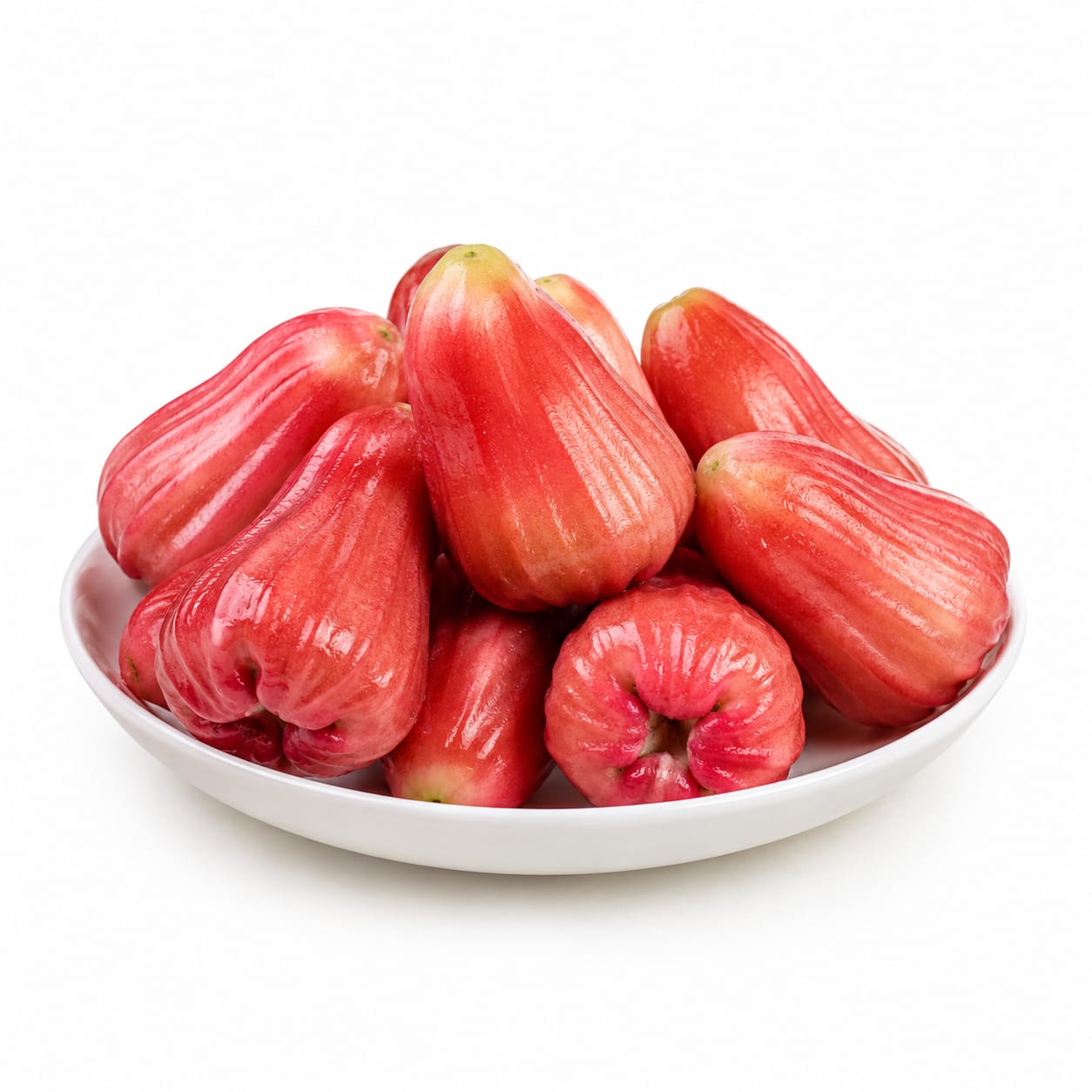
Wax Apple
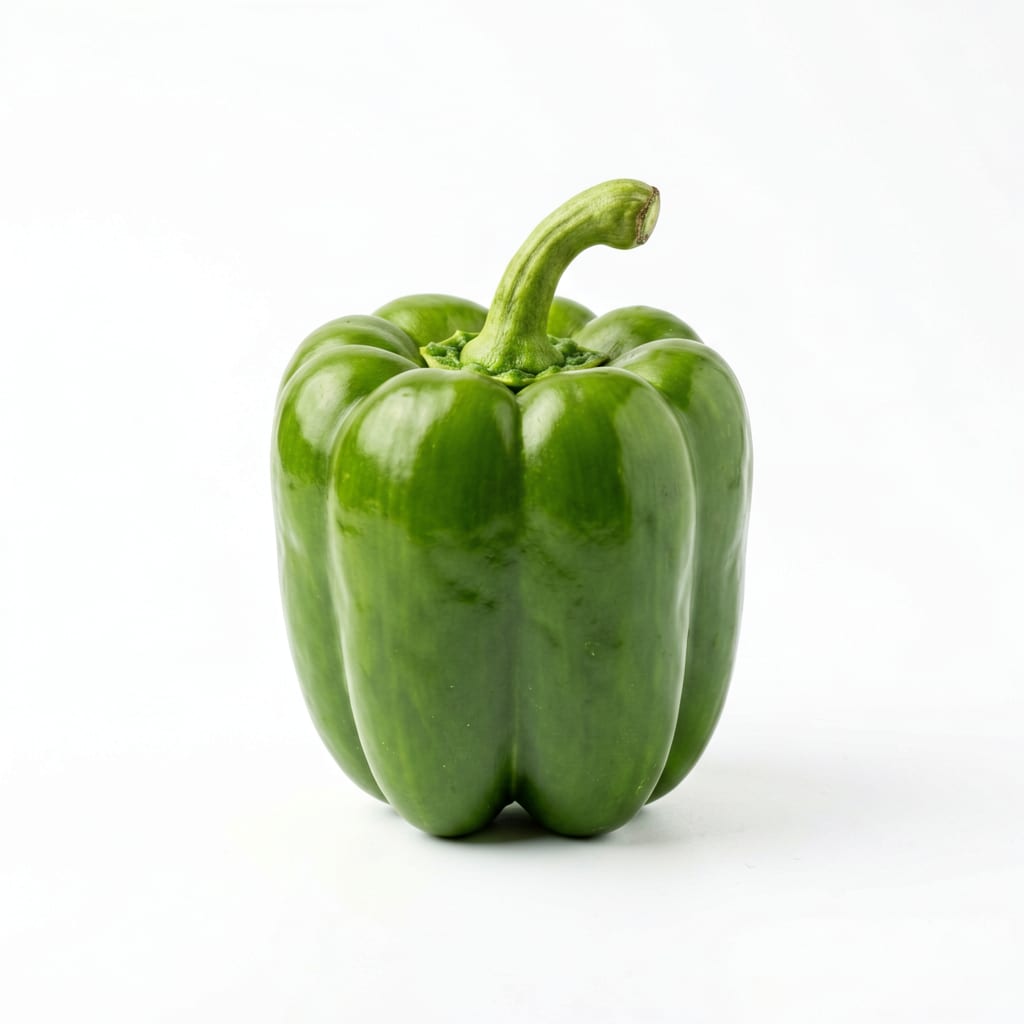
Bell Pepper
Bell Pepper dominates on nutrition and versatility, while Wax Apple offers a uniquely refreshing, hydrating experience that Bell Pepper cannot replicate.
Bell Pepper scores significantly higher due to its exceptional vitamin C content, broader nutrient profile, cooking versatility, and global availability. Wax Apple remains a delightful specialty fruit but cannot compete on everyday nutritional utility.
You trade broad nutrient density and kitchen flexibility for the crisp, thirst-quenching pleasure of a tropical fruit.
At a glance
Executive summary
Overall
Bell Pepper
Healthier
Bell Pepper
More practical
Bell Pepper
Daily use
Bell Pepper
Key comparison lenses
nutrient density per calorie
Both foods are very low in calories, so the real question is which delivers more nutrition per bite
vitamin C and antioxidant comparison
Bell Pepper is legendary for vitamin C; Wax Apple offers some but far less — this gap matters for immunity-focused eaters
cooking versatility vs raw snacking
Bell Pepper works raw and cooked across countless dishes; Wax Apple is almost exclusively eaten fresh
hydration and refreshment
Wax Apple is prized for its water content and cooling quality, making it a unique thirst-quenching snack
everyday affordability and accessibility
Bell Pepper is available globally year-round; Wax Apple is seasonal and regional, limiting practical daily use
Best choice for
Wax Apple
- Hot climates where hydration matters most
- Tropical fruit lovers seeking light, low-sugar refreshment
- People wanting novelty and variety in fruit intake
- Those who find most fruits too sweet
Bell Pepper
- Anyone prioritizing vitamin C and immune support
- Meal preppers needing a versatile vegetable
- Families wanting affordable, nutrient-dense produce
- Cooking enthusiasts who need a staple ingredient
Least suitable for
Wax Apple
- Those without access to Asian or tropical markets
- People seeking high nutrient density per calorie
- Anyone wanting a cooking ingredient
- Budget-conscious shoppers outside tropical regions
Bell Pepper
- Those with nightshade sensitivities or allergies
- People seeking a sweet, dessert-like fruit experience
- Anyone wanting a high-water thirst-quencher on a hot day
Deep comparison
Dimension by dimension
Each lens scores both foods and breaks down who each option suits.
- Dimension 1 · Priority 92Bell Pepper
Vitamin C and Immune Support
Wax Apple · 30Bell Pepper · 97Bell Pepper is one of the richest vitamin C sources on the planet — a single red pepper provides over 200% of your daily needs. Wax Apple contains modest amounts.
Tradeoff
If you want tropical refreshment with some vitamin C, Wax Apple works. If you want to actually move the needle on your immune health, Bell Pepper is in a different league.
Why it matters
Vitamin C affects immunity, skin health, iron absorption, and recovery from stress. A food that delivers 200% DV changes your health trajectory more than one delivering 15%.
Real-world impact
Eating a red bell pepper daily can meaningfully reduce how often you catch colds. Wax Apple would take a supporting role at best.
Wax Apple
- Getting a small vitamin C boost alongside hydration
Better for
- Reliance on it for meaningful immune support
Worse for
Bell Pepper
- Meeting daily vitamin C needs in a single serving
- Supporting immune function during cold season
- Enhancing iron absorption from plant meals
Better for
- Nothing notable — this is its strongest dimension
Worse for
- Dimension 2 · Priority 75Wax Apple
Hydration and Refreshment
Wax Apple · 88Bell Pepper · 60Wax Apple is over 90% water with a crisp, cooling mouthfeel that feels like eating flavored water. Bell Pepper is hydrating but denser and less thirst-quenching.
Tradeoff
Wax Apple wins the experience of refreshment on a hot day. Bell Pepper provides more substance but less of that pure hydrating satisfaction.
Why it matters
In hot climates or after exercise, a food that actively quenches thirst feels better and encourages adequate fluid intake through eating.
Real-world impact
Reaching for Wax Apple on a summer afternoon feels revitalizing in a way that Bell Pepper simply does not match.
Wax Apple
- Post-heat exposure refreshment
- Replacing fluid losses through an enjoyable snack
- Hot climate living where cooling foods matter
Better for
- Hydration without meaningful electrolytes or nutrients
Worse for
Bell Pepper
- Adding moisture to meals through cooking
Better for
- Not satisfying as a thirst-quencher
Worse for
- Dimension 3 · Priority 90Bell Pepper
Nutrient Density Per Calorie
Wax Apple · 35Bell Pepper · 88Bell Pepper packs vitamins A, C, B6, folate, potassium, and diverse antioxidants into very few calories. Wax Apple offers mostly water with trace nutrients.
Tradeoff
Wax Apple is lighter and lower in calories but you get very little nutrition for the calories you do consume. Bell Pepper makes every calorie count.
Why it matters
When calories are limited — whether from appetite, dieting, or aging — getting more nutrients per bite becomes critical for long-term health.
Real-world impact
A cup of chopped Bell Pepper transforms a salad nutritionally. A cup of Wax Apple mostly just takes up space pleasantly.
Wax Apple
- Times when you want minimal caloric impact
Better for
- Getting very little nutritional return per serving
Worse for
Bell Pepper
- Maximizing nutrition on a calorie budget
- Building nutrient-rich meals efficiently
- Supporting overall health without overeating
Better for
- Slightly higher calorie load, though still very low
Worse for
- Dimension 4 · Priority 78Bell Pepper
Antioxidant Diversity
Wax Apple · 40Bell Pepper · 85Bell Pepper contains capsanthin, quercetin, lutein, and vitamin C — a broad antioxidant spectrum. Wax Apple has some phenolic compounds but less variety and lower concentrations.
Tradeoff
Bell Pepper offers proven, well-studied antioxidant compounds. Wax Apple provides some tropical polyphenols but the research and quantities are thinner.
Why it matters
Diverse antioxidants protect different tissues and systems. A broader profile means more comprehensive cellular defense against oxidative stress.
Real-world impact
Regular Bell Pepper consumption is linked to lower inflammation markers. Wax Apple has less evidence behind it for measurable health outcomes.
Wax Apple
- Exposure to tropical plant compounds less common in Western diets
Better for
- Less studied and lower concentration of protective compounds
Worse for
Bell Pepper
- Reducing chronic inflammation through diet
- Eye health via lutein content
- Long-term disease risk reduction
Better for
- None significant in this dimension
Worse for
- Dimension 5 · Priority 82Bell Pepper
Versatility and Kitchen Utility
Wax Apple · 20Bell Pepper · 92Bell Pepper works raw in salads, roasted, stir-fried, stuffed, blended into sauces, and more. Wax Apple is almost exclusively eaten fresh as a snack.
Tradeoff
Bell Pepper is a kitchen staple that earns its place across dozens of dishes. Wax Apple is a one-trick snack — enjoyable but limited.
Why it matters
A food you can cook with daily gets eaten daily. A food that only works one way tends to be forgotten in the fridge.
Real-world impact
Bell Pepper can feature in breakfast, lunch, and dinner. Wax Apple is an occasional between-meal treat.
Wax Apple
- Raw snacking with zero preparation
Better for
- Essentially unusable in cooking
- Very limited culinary role
Worse for
Bell Pepper
- Cooking across cuisines and meal types
- Meal prep and batch cooking
- Adding color, crunch, and sweetness to savory dishes
Better for
- Requires cutting and sometimes deseeding
Worse for
- Dimension 6 · Priority 72Bell Pepper
Blood Sugar Stability
Wax Apple · 65Bell Pepper · 82Both foods are low in sugar and unlikely to spike blood glucose. Bell Pepper edges ahead with more fiber to slow absorption and virtually no sugar content.
Tradeoff
Wax Apple contains slightly more natural sugar, though still modest. Bell Pepper is essentially sugar-free with better fiber support.
Why it matters
For people monitoring glucose — diabetics, metabolic syndrome, or anyone avoiding energy crashes — lower sugar plus more fiber creates steadier energy.
Real-world impact
Bell Pepper will never cause an energy dip. Wax Apple is safe for most but has a touch more sugar to be aware of.
Wax Apple
- Still a very low-glycemic choice compared to most fruits
Better for
- Slightly higher sugar than Bell Pepper
Worse for
Bell Pepper
- Diabetics seeking near-zero sugar produce
- Sustained energy without any glucose fluctuation
Better for
- None meaningful — both are blood sugar friendly
Worse for
- Dimension 7 · Priority 70Bell Pepper
Availability and Affordability
Wax Apple · 25Bell Pepper · 90Bell Pepper is stocked in every grocery store worldwide at low prices. Wax Apple is seasonal, regional, and often expensive or impossible to find outside tropical areas.
Tradeoff
You can eat Bell Pepper every day anywhere. Wax Apple is a treat you plan around finding, which limits its practical health impact.
Why it matters
The healthiest food is the one you can actually access and afford consistently. Exotic produce that is rarely available cannot form the backbone of a diet.
Real-world impact
Most people reading this can buy Bell Pepper today for under a dollar. Wax Apple may require a specialty market, online order, or tropical travel.
Wax Apple
- Residents of Southeast Asia and tropical regions where it grows locally
Better for
- Unavailable in most temperate-climate grocery stores
- Often expensive when imported
Worse for
Bell Pepper
- Global availability year-round
- Consistent pricing and supply
- Easy weekly grocery inclusion
Better for
- None — this is a clear practical advantage
Worse for
Timeline
Health impact over time
Short-term
Hours to days
Wax Apple
- Quick hydration after heat or exercise
- Mild blood sugar increase from natural fruit sugars
- Refreshing satiety that is light and short-lived
Bell Pepper
- Immediate vitamin C boost supporting immune function
- Crunchy fiber promoting digestive regularity
- Steady energy with no sugar crash
Long-term
Months to years
Wax Apple
- Modest antioxidant intake from tropical polyphenols
- Low calorie intake supporting weight maintenance
- Minimal nutritional risk but also minimal nutritional reward
Bell Pepper
- Significantly reduced oxidative stress and inflammation
- Better eye health from lutein and vitamin A
- Stronger immune resilience from consistent high vitamin C intake
- Improved skin quality from vitamin C supporting collagen production
Risk profile
Safety & processing
Both foods are whole, unprocessed produce eaten in their natural state. Neither carries additive concerns. The only processing consideration is that imported Wax Apple may have been treated with post-harvest fungicides to survive shipping.
Wax Apple
Post-harvest chemical treatment
mediumImported Wax Apple is sometimes treated with fungicides or waxes to extend shelf life during long shipping. Washing thoroughly helps reduce exposure.
Pesticide residue
mediumTropical fruit production in some regions uses pesticides with less regulatory oversight than US or EU standards. Sourcing from trusted suppliers matters.
Bell Pepper
Pesticide residue on conventional varieties
lowBell Pepper appears on the EWG's Dirty Dozen list periodically, meaning conventional varieties can carry pesticide residue. Organic options are widely available.
Nightshade sensitivity
lowA small percentage of people experience joint pain or digestive discomfort from nightshade vegetables. This is uncommon but worth knowing.
Who wins for whom
Audience fit
Same foods, different winners depending on your goal.
children
It dependsKids often love the sweet crunch and fun shape of Wax Apple as a treat. Bell Pepper is more nutritious but some children resist its slightly bitter edge. Both work in different ways.
daily consumption
Bell PepperBell Pepper can be eaten daily in varied dishes and provides consistent nutritional value. Wax Apple is best enjoyed occasionally as a specialty fruit.
diabetes
Bell PepperBell Pepper has essentially zero sugar and more fiber. Wax Apple is still a safe fruit choice but contains modest natural sugars.
elderly
Bell PepperOlder adults benefit most from nutrient density, and Bell Pepper delivers vitamin C, A, and B6 in an easy-to-eat package. Wax Apple is pleasant but nutritionally thin for aging bodies.
muscle gain
Bell PepperNeither food is protein-rich, but Bell Pepper's vitamin C supports collagen synthesis and recovery. Wax Apple offers little for muscle repair.
weight loss
Bell PepperBell Pepper provides more fiber and nutrients per calorie, keeping you fuller longer with virtually no sugar. Wax Apple is low-calorie but less satiating.
Your move
Decision guide
Choose Wax Apple
- You live in or visit tropical regions where Wax Apple is fresh and affordable
- You want a hydrating, low-sugar fruit for hot weather
- You are seeking variety beyond common fruits
- You find most fruits too sweet and want something milder
Choose Bell Pepper
- You want maximum nutrition per calorie every day
- You need more vitamin C in your diet
- You cook regularly and want a versatile ingredient
- You are managing blood sugar, weight, or inflammation
- You want affordable, accessible produce year-round
Either works if
- You want a low-calorie crunchy snack
- You are trying to eat more whole produce overall
- You need something light between meals
Avoid both if
- You have a nightshade sensitivity and are considering Bell Pepper
- You cannot access fresh Wax Apple and only find old or imported specimens
- You need calorie-dense or protein-rich foods for recovery
Final recommendation
Make Bell Pepper a daily staple for its unmatched vitamin C and kitchen flexibility. Enjoy Wax Apple when you can find it fresh as a refreshing tropical treat — but do not rely on it as a nutritional cornerstone.
Practical
Consumer tips
- 1
Choose red Bell Pepper over green for nearly twice the vitamin C and beta-carotene
- 2
Wash Wax Apple thoroughly if imported, as post-harvest treatments are common
- 3
Buy organic Bell Pepper when possible to reduce pesticide exposure, especially for children
- 4
Store Bell Pepper in the crisper drawer — it lasts over a week refrigerated
- 5
Eat Wax Apple within two days of purchase as it spoils quickly
- 6
Freeze chopped Bell Pepper for easy additions to stir-fries and soups later
- 7
If you cannot find Wax Apple locally, watermelon or cucumber can provide similar refreshment