
Nutrition comparison
Vermicelli vs Zucchini Noodles: Nutrition, Carbs, and Health Comparison
Comparing vermicelli and zucchini noodles? Discover the nutritional differences, carb counts, and which is better for weight loss and blood sugar control.
Overall winner · Zucchini noodles
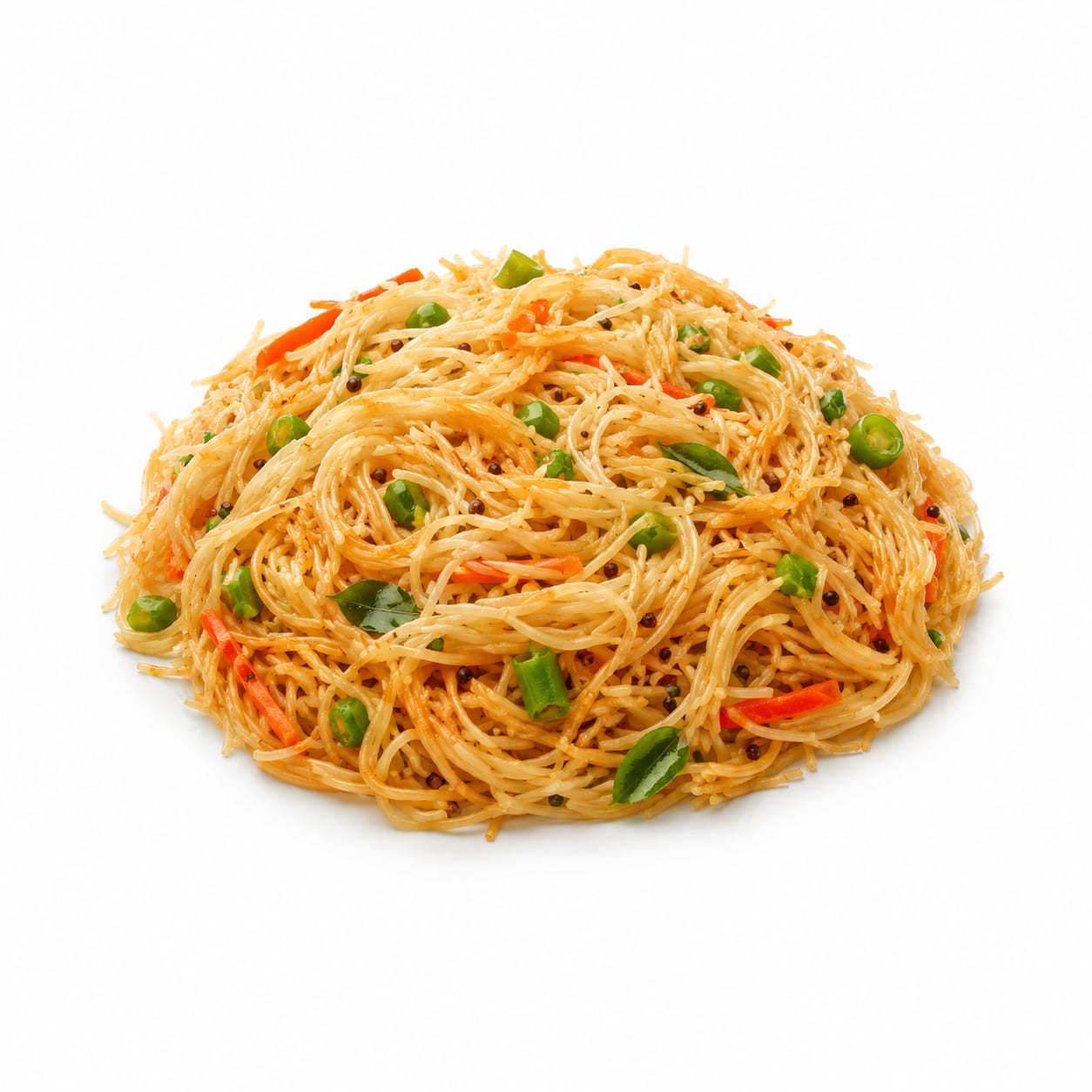
Vermicelli
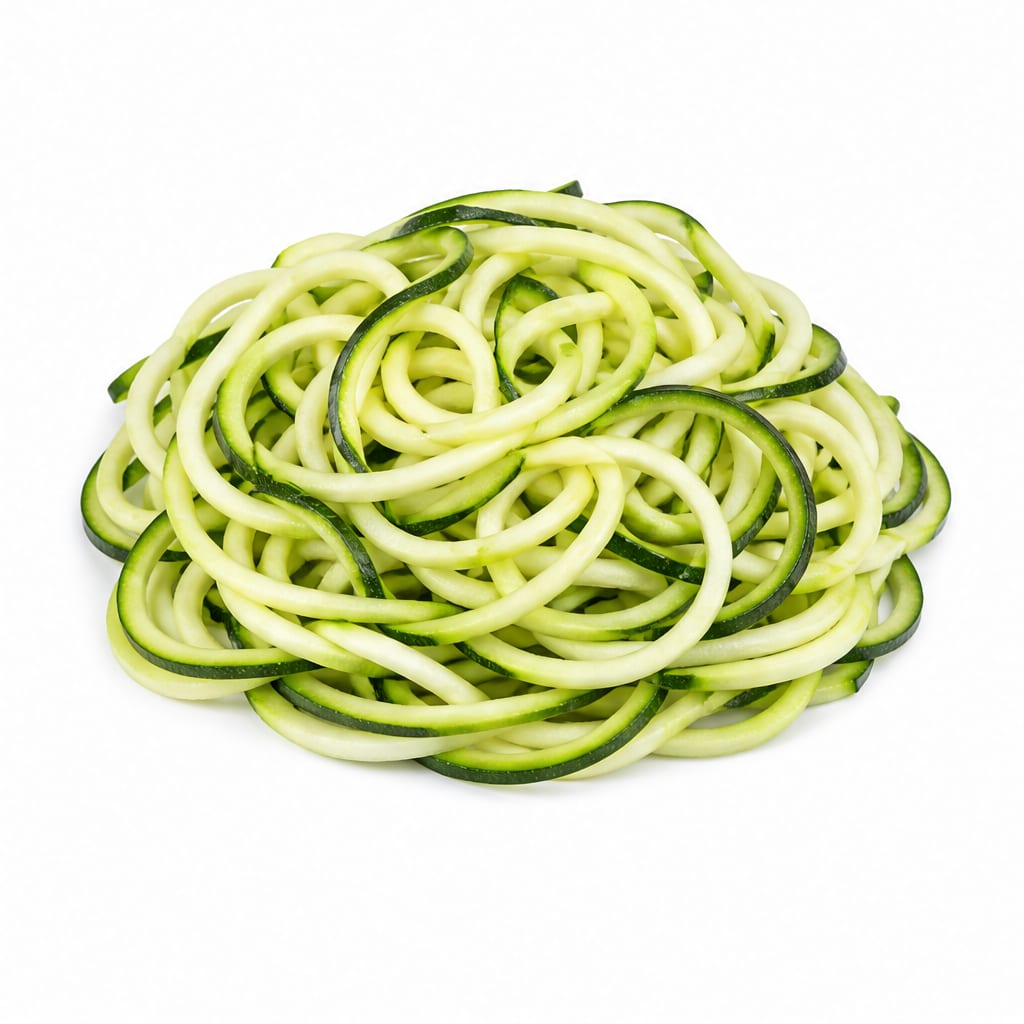
Zucchini noodles
Zucchini noodles win for low calories and blood sugar control, while vermicelli provides comforting carbs and energy.
Zucchini noodles score significantly higher due to their micronutrient density, low calorie count, and blood sugar benefits. Vermicelli scores lower because it is a refined carbohydrate with minimal nutritional value beyond raw energy.
Comforting carb satisfaction from vermicelli versus virtually calorie-free vegetable bulk from zucchini noodles.
At a glance
Executive summary
Overall
Zucchini noodles
Healthier
Zucchini noodles
More practical
Vermicelli
Daily use
Zucchini noodles
Key comparison lenses
Low-carb and keto diet compatibility
The primary reason people swap vermicelli for zucchini noodles is to drastically reduce carbohydrate intake.
Blood sugar management
Refined grain pasta causes glucose spikes, while vegetable noodles have almost no glycemic impact.
Calorie density for weight loss
Zucchini noodles provide massive volume for minimal calories, a key factor for weight loss.
Satiety and meal satisfaction
Real pasta provides a chewy, comforting mouthfeel that vegetable noodles struggle to replicate.
Practicality and meal prep convenience
Vermicelli is a shelf-stable pantry staple, whereas zucchini noodles require prep and spoil quickly.
Best choice for
Vermicelli
- Athletes needing carb fuel
- Budget-friendly meals
- Picky eaters who reject vegetable substitutes
Zucchini noodles
- Low-carb and keto dieters
- Weight loss seekers
- People managing insulin resistance
Least suitable for
Vermicelli
- People managing diabetes
- Strict low-carb diets
- Those watching calorie density
Zucchini noodles
- Endurance athletes needing glycogen
- Those wanting traditional pasta comfort
- People prone to feeling hungry on low-calorie meals
Deep comparison
Dimension by dimension
Each lens scores both foods and breaks down who each option suits.
- Dimension 1 · Priority 95Zucchini noodles
Blood Sugar Stability
Vermicelli · 25Zucchini noodles · 98Zucchini noodles have almost no digestible carbs, keeping blood sugar flat. Vermicelli digests quickly, causing sharper spikes.
Tradeoff
You trade the quick energy of vermicelli for the metabolic calm of zucchini noodles.
Why it matters
Blood sugar crashes drive afternoon fatigue, cravings, and long-term insulin resistance.
Real-world impact
Eating zucchini noodles keeps you energized and focused after lunch, while a heavy vermicelli bowl might make you want a nap.
Vermicelli
- Pre-workout energy loading
- Recovering from a blood sugar crash
Better for
- Sustained focus during desk work
- Metabolic syndrome management
Worse for
Zucchini noodles
- Managing diabetes
- Preventing the afternoon energy slump
Better for
- Quick recovery from intense endurance exercise
Worse for
- Dimension 2 · Priority 90Zucchini noodles
Calorie Density & Weight Loss
Vermicelli · 30Zucchini noodles · 95Zucchini noodles are roughly 90% lower in calories than vermicelli per cup, making them a dieter's best friend.
Tradeoff
Vermicelli delivers dense energy for bulking, while zucchini noodles provide massive volume for cutting.
Why it matters
High volume, low calorie foods let you eat satisfying portions without overconsuming.
Real-world impact
You can eat a massive bowl of zucchini noodles for less than 50 calories, whereas a modest bowl of vermicelli can easily hit 400 calories before sauce.
Vermicelli
- Weight gain or bulking phases
- High-calorie needs on a budget
Better for
- Shrinking your waistline
- Controlling late-night snacking
Worse for
Zucchini noodles
- Creating a calorie deficit
- Eating large portions without guilt
Better for
- Fueling a heavy lifting session
Worse for
- Dimension 3 · Priority 80Vermicelli
Satiety & Meal Satisfaction
Vermicelli · 80Zucchini noodles · 55Vermicelli offers a chewy, dense mouthfeel that makes meals feel complete. Zucchini noodles can feel watery or insubstantial.
Tradeoff
Psychological satisfaction from real pasta versus physical fullness from water-rich vegetables.
Why it matters
If a meal doesn't feel satisfying, you are far more likely to snack later.
Real-world impact
A bowl of vermicelli feels like a real dinner. A bowl of zucchini noodles often leaves you hunting for a snack an hour later if you don't add enough protein and fat.
Vermicelli
- Comfort food cravings
- Making meals feel indulgent
Better for
- Feeling overly stuffed or sluggish
Worse for
Zucchini noodles
- Feeling physically full without heaviness
- Light summer meals
Better for
- Emotional satisfaction from a hearty pasta dish
Worse for
- Dimension 4 · Priority 75Zucchini noodles
Micronutrient Density
Vermicelli · 15Zucchini noodles · 85Zucchini noodles provide vitamin C, potassium, and antioxidants. Vermicelli is mostly empty starch unless enriched.
Tradeoff
Fuel versus nourishment. Vermicelli provides calories, zucchini provides cellular nutrition.
Why it matters
Micronutrients support immune function, hydration, and reduce inflammation.
Real-world impact
Choosing zucchini noodles quietly boosts your daily vegetable intake, while vermicelli uses up your carb budget without giving back much nutritionally.
Vermicelli
- Pure caloric fuel
Better for
- Healing nutrient deficiencies
- Reducing systemic inflammation
Worse for
Zucchini noodles
- Boosting immune health
- Supporting hydration and electrolytes
Better for
- Dimension 5 · Priority 65Vermicelli
Practicality & Prep
Vermicelli · 90Zucchini noodles · 45Vermicelli is shelf-stable and foolproof to boil. Zucchini noodles require spiralizing, salting, and careful cooking to avoid mush.
Tradeoff
Convenience of a pantry staple versus the extra prep work of fresh produce.
Why it matters
Inconvenient foods get abandoned when life gets busy.
Real-world impact
Vermicelli is ready in 5 minutes with zero thought. Zucchini noodles require squeezing out water so your sauce doesn't turn into soup.
Vermicelli
- Busy weeknights
- Meal prep without hassle
Better for
Zucchini noodles
- Using up garden produce
Better for
- Quick 10-minute dinners
- Packing for travel
Worse for
Timeline
Health impact over time
Short-term
Hours to days
Vermicelli
- Quick energy boost
- Potential energy crash an hour later
- Bloated feeling if overportioned
Zucchini noodles
- Very light on the stomach
- Won't provide lasting energy if eaten alone
- High water content aids immediate hydration
Long-term
Months to years
Vermicelli
- Frequent consumption can contribute to insulin resistance if portions aren't managed
- Easy to overconsume calories leading to weight gain
Zucchini noodles
- Supports long-term weight maintenance
- Helps lower systemic inflammation
- Improves overall diet quality by displacing refined carbs
Risk profile
Safety & processing
Vermicelli is a refined grain product stripped of its bran and germ, while zucchini noodles are a whole, unprocessed vegetable straight from the ground.
Vermicelli
Blood sugar spike
mediumRapid digestion of refined starches can stress metabolic health over time.
Gluten cross-contamination
lowIf wheat-based, unsafe for celiacs. Rice-based vermicelli is naturally gluten-free but often processed alongside wheat.
Zucchini noodles
Pesticide residue
mediumConventional zucchini is often sprayed; peeling or buying organic reduces this risk.
Cucurbitacin toxicity
lowRarely, zucchini can produce bitter compounds that cause digestive distress. Discard if it tastes unusually bitter.
Who wins for whom
Audience fit
Same foods, different winners depending on your goal.
children
VermicelliKids generally prefer the soft, familiar texture of real pasta over watery vegetable noodles.
daily consumption
Zucchini noodlesEating vegetables daily is universally beneficial, whereas daily refined carbs can compound metabolic risks.
diabetes
Zucchini noodlesZucchini noodles have virtually zero impact on blood sugar, removing the glucose rollercoaster entirely.
elderly
Zucchini noodlesZucchini noodles are easier to chew, lower in calories, and help maintain metabolic health in later years.
muscle gain
VermicelliVermicelli provides the readily available carbohydrates needed to replenish glycogen after heavy training.
weight loss
Zucchini noodlesZucchini noodles allow for massive portion sizes with minimal calories, making a calorie deficit effortless.
Your move
Decision guide
Choose Vermicelli
- You are an athlete carb-loading before an event
- You are cooking for kids who refuse vegetables
- You need a cheap, shelf-stable meal base
Choose Zucchini noodles
- You are cutting calories or following a low-carb diet
- You want to feel full without feeling heavy
- You need to lower your blood sugar spikes
Either works if
- You mix them half-and-half to cut carbs while keeping the pasta texture
- You are topping them with a high-protein sauce like bolognese
Avoid both if
- You need a high-protein meal base; consider lentil or chickpea pasta instead
Final recommendation
For most people looking to improve their health, zucchini noodles are the superior choice because they displace refined carbs and add vegetables to your day. However, if you mix half vermicelli with half zucchini noodles, you get the best of both worlds: the comforting chew of real pasta with the volume and nutrients of vegetables.
Practical
Consumer tips
- 1
Sauté zucchini noodles for just 2-3 minutes to keep them crisp and avoid a mushy texture.
- 2
Salt zucchini noodles lightly and let them sit for 15 minutes, then squeeze out the water with a towel so your sauce doesn't get watery.
- 3
Mix half vermicelli and half zucchini noodles for a satisfying carb reduction without giving up the texture you love.
- 4
Toss vermicelli with a little olive oil after draining to prevent it from turning into a sticky clump.