
Nutrition comparison
Vermicelli vs Whole Wheat Spaghetti: Nutrition & Health Comparison
Compare vermicelli and whole wheat spaghetti to see which is healthier. Learn about fiber, blood sugar impact, satiety, and the best uses for each noodle type.
Overall winner · Whole wheat spaghetti
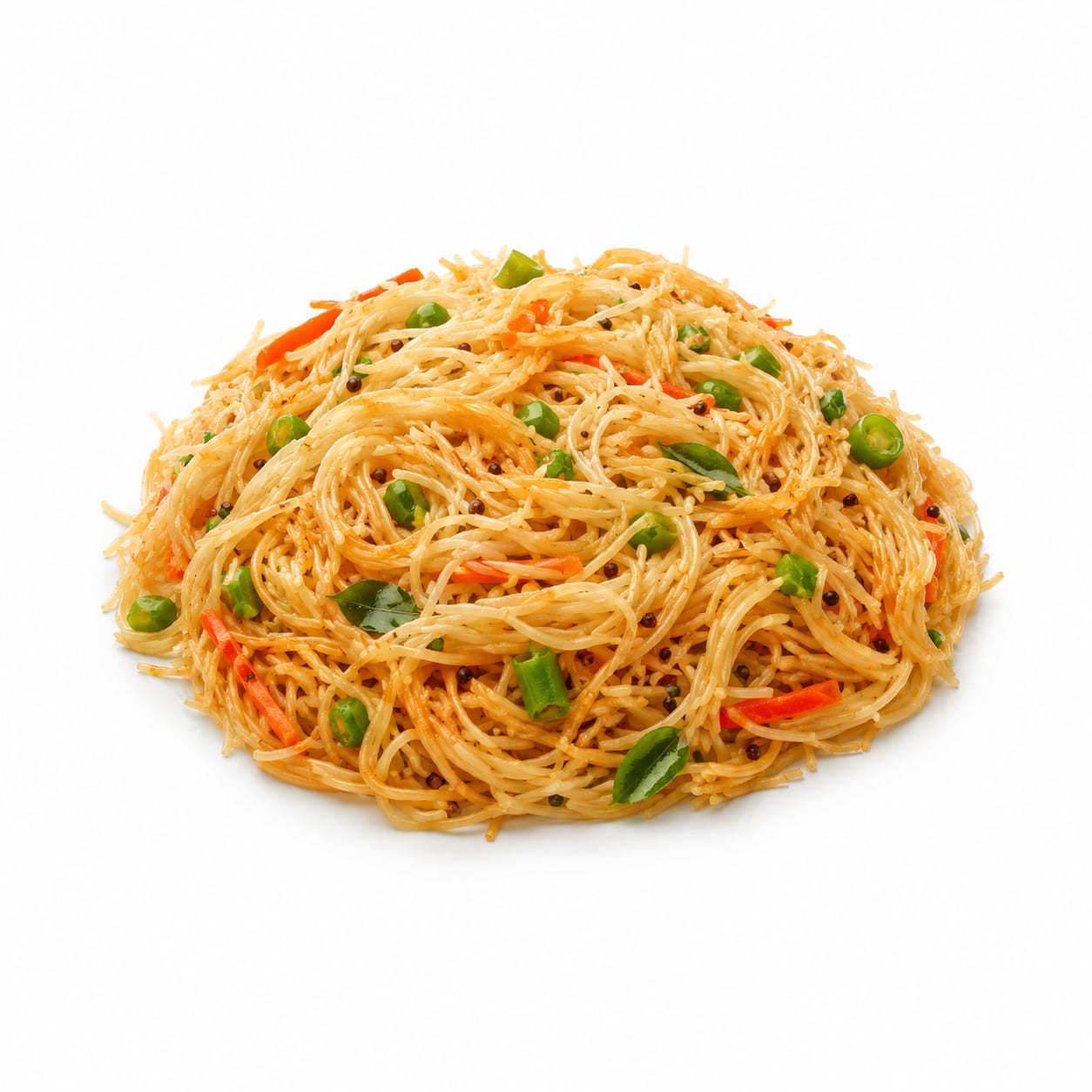
Vermicelli
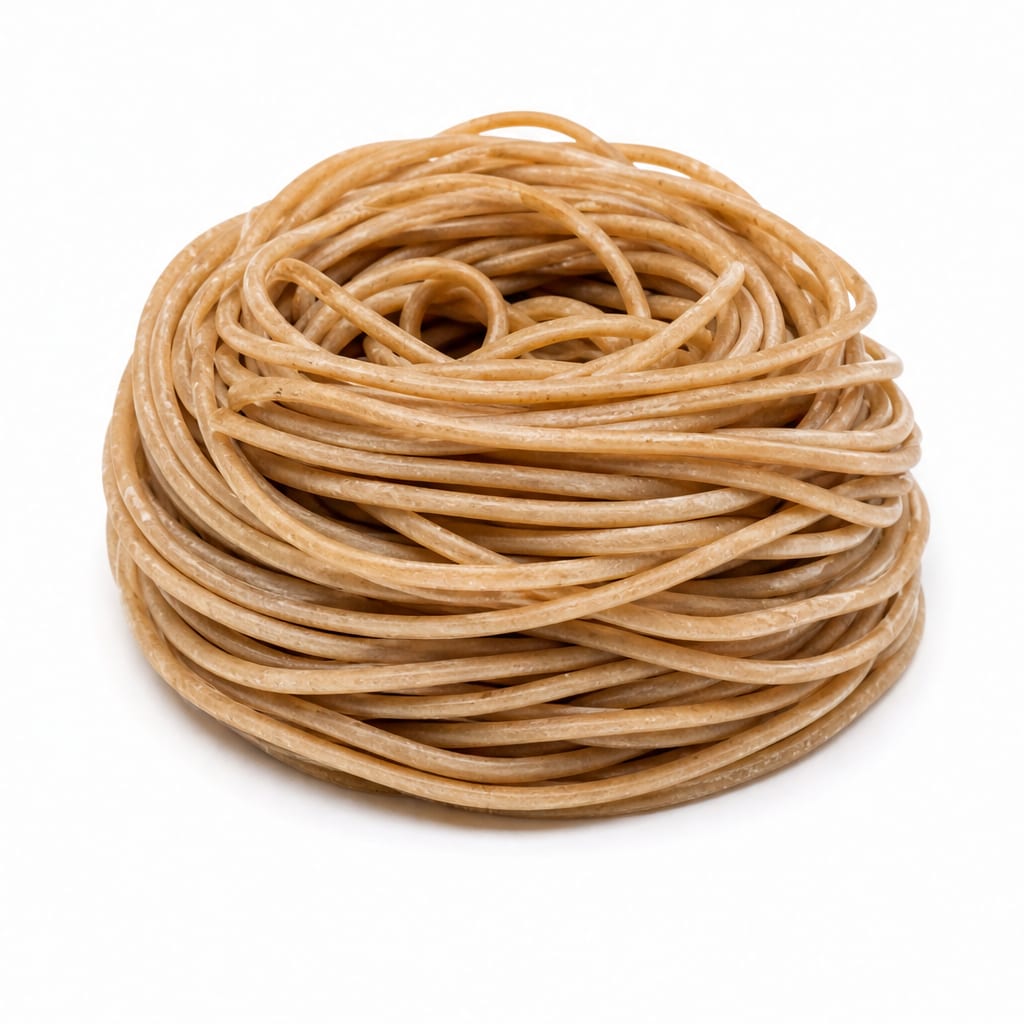
Whole wheat spaghetti
Whole wheat spaghetti easily wins on nutrition and sustained energy, but vermicelli retains a niche for lighter, quicker meals where heavy fullness feels uncomfortable.
Whole wheat spaghetti scores significantly higher due to its superior fiber, vitamin, and mineral content, alongside much better blood sugar stabilization. Vermicelli scores lower because the refining process strips away the most beneficial parts of the wheat kernel.
You trade long-lasting fullness and metabolic stability for a lighter, faster-digesting eating experience.
At a glance
Executive summary
Overall
Whole wheat spaghetti
Healthier
Whole wheat spaghetti
More practical
Vermicelli
Daily use
Whole wheat spaghetti
Key comparison lenses
Refined vs. whole grain carbohydrate impact
The core difference is refined wheat in vermicelli versus whole grain wheat in spaghetti, which drives nearly all nutritional disparities.
Blood sugar management and glycemic load
Refined vermicelli digests rapidly causing sharper glucose spikes, while whole wheat spaghetti provides a slower, steadier release.
Satiety and meal satisfaction
Fiber content in whole wheat spaghetti keeps you full much longer than the lighter, quickly digested vermicelli.
Culinary lightness vs. heartiness
Vermicelli is prized for its delicate texture in soups and light dishes, whereas whole wheat spaghetti is a hearty base for robust meals.
Best choice for
Vermicelli
- People wanting a light pre-workout meal
- Those needing fast-cooking carbs for quick dinners
- Anyone recovering from stomach illness needing easy digestion
- Fans of Asian-style noodle soups and spring rolls
Whole wheat spaghetti
- People managing blood sugar or insulin resistance
- Anyone trying to stay full between meals
- Those increasing daily fiber intake effortlessly
- Hearty dinner seekers wanting robust pasta dishes
Least suitable for
Vermicelli
- People with diabetes or prediabetes
- Those trying to lose weight by controlling hunger
- Anyone needing sustained energy for long workdays
Whole wheat spaghetti
- Those with severe gluten intolerance or celiac
- People wanting a light, delicate meal before intense activity
- Anyone unaccustomed to high fiber who might experience bloating initially
Deep comparison
Dimension by dimension
Each lens scores both foods and breaks down who each option suits.
- Dimension 1 · Priority 95Whole wheat spaghetti
Blood Sugar Stability
Vermicelli · 35Whole wheat spaghetti · 80Whole wheat spaghetti digests slowly, preventing energy crashes. Vermicelli digests fast, risking a blood sugar rollercoaster.
Tradeoff
You sacrifice metabolic smoothness with vermicelli for quicker gastric emptying.
Why it matters
Stable blood sugar means fewer afternoon cravings and better focus throughout the day.
Real-world impact
Eating vermicelli might leave you hungry again two hours later, while whole wheat spaghetti easily carries you to your next meal.
Vermicelli
- Quick energy replenishment right after a hard workout
Better for
- Sustained desk work requiring steady focus
- Anyone prone to sugar cravings and energy dips
Worse for
Whole wheat spaghetti
- Preventing the mid-afternoon energy crash
- Managing insulin resistance or metabolic syndrome
Better for
- Moments when you need rapidly available energy, like right before a run
Worse for
- Dimension 2 · Priority 90Whole wheat spaghetti
Satiety and Fullness
Vermicelli · 30Whole wheat spaghetti · 85The fiber in whole wheat spaghetti physically fills your stomach and triggers fullness hormones. Vermicelli is light and easy to overeat.
Tradeoff
Heaviness versus lightness. Whole wheat spaghetti feels substantial, while vermicelli feels delicate.
Why it matters
Feeling full naturally prevents overeating without requiring willpower.
Real-world impact
A bowl of whole wheat spaghetti keeps you satisfied for hours. A bowl of vermicelli often feels like an appetizer, tempting you to eat more.
Vermicelli
- Hot summer days when heavy meals feel oppressive
- Eating late at night without going to bed stuffed
Better for
- Appetite control and preventing second helpings
Worse for
Whole wheat spaghetti
- Long workdays where you cannot snack between meals
- Weight management by naturally reducing portion sizes
Better for
- Comfort eating when you want to feel light and unrestricted
Worse for
- Dimension 3 · Priority 85Whole wheat spaghetti
Nutrient Density
Vermicelli · 25Whole wheat spaghetti · 85Whole wheat retains the bran and germ, packing in B vitamins, iron, and magnesium. Vermicelli is mostly refined starch with fewer nutrients.
Tradeoff
Vastly more micronutrients in whole wheat versus a cleaner, milder taste in vermicelli.
Why it matters
Every calorie you eat is an opportunity to nourish your body. Refined grains are missed opportunities.
Real-world impact
Regularly choosing whole wheat spaghetti makes a meaningful dent in your daily fiber and mineral needs without taking supplements.
Vermicelli
- Situations where mineral intake is less critical than carb availability
Better for
- Reliance on fortified nutrients rather than whole-food sources
Worse for
Whole wheat spaghetti
- Meeting daily magnesium and iron requirements naturally
- Boosting B-vitamin intake for energy production
Better for
- Strict low-fiber diets prescribed for specific digestive conditions
Worse for
- Dimension 4 · Priority 70Vermicelli
Culinary Versatility and Speed
Vermicelli · 90Whole wheat spaghetti · 60Vermicelli cooks in 2-3 minutes and works beautifully in soups, stir-fries, and salads. Whole wheat spaghetti takes longer and suits heavier sauces.
Tradeoff
Speed and delicacy versus structural heartiness.
Why it matters
Convenience often dictates what we actually cook on busy weeknights.
Real-world impact
Vermicelli is a weeknight dinner shortcut, ready before the sauce is even warm. Whole wheat spaghetti requires more planning and stronger sauces to mask its earthier flavor.
Vermicelli
- Rapid weeknight meals under 15 minutes
- Cold noodle salads and Asian-inspired broths
Better for
- Dishes requiring a noodle that can stand up to heavy, chunky sauces
Worse for
Whole wheat spaghetti
- Hearty bolognese or thick cream sauces that need a sturdy noodle
Better for
- Quick meal prep when you are starving and short on time
Worse for
- Dimension 5 · Priority 65It depends
Digestive Tolerance
Vermicelli · 70Whole wheat spaghetti · 65Vermicelli is gentler on an upset stomach, but whole wheat spaghetti is far better for long-term gut regularity.
Tradeoff
Short-term comfort versus long-term digestive health.
Why it matters
Your fiber needs change depending on your current gut health and activity level.
Real-world impact
If you are recovering from a stomach bug, vermicelli is a safe, bland carb. For everyday constipation prevention, whole wheat spaghetti is the clear winner.
Vermicelli
- Recovery from stomach illness
- Days when your digestive system feels highly sensitive
Better for
- Chronic constipation or sluggish digestion
Worse for
Whole wheat spaghetti
- Preventing constipation and promoting daily regularity
- Feeding beneficial gut bacteria with prebiotic fiber
Better for
- Irritable bowel syndrome flare-ups triggered by high fiber
Worse for
Timeline
Health impact over time
Short-term
Hours to days
Vermicelli
- Quick burst of energy that fades rapidly
- Light stomach feeling shortly after eating
- Potential hunger returning within 1-2 hours
Whole wheat spaghetti
- Steady, prolonged energy without a crash
- Comfortable fullness that lasts for hours
- Possible mild bloating if your body is unaccustomed to high fiber
Long-term
Months to years
Vermicelli
- Increased risk of blood sugar dysregulation if eaten frequently
- Higher likelihood of overeating due to low satiety
- Missed opportunities for heart-protective fiber intake
Whole wheat spaghetti
- Improved insulin sensitivity and blood sugar control
- Better weight management due to natural appetite regulation
- Lower risk of cardiovascular disease and chronic constipation
Risk profile
Safety & processing
Vermicelli is made from refined wheat flour, meaning the bran and germ are stripped away, leaving mostly starch. Whole wheat spaghetti uses the entire grain kernel, retaining its natural structure and nutritional profile.
Vermicelli
Blood sugar spike
mediumRapid digestion can cause glucose surges that stress metabolic health over time.
Whole wheat spaghetti
Pesticide residue in bran
lowWheat bran can hold more pesticide residue than refined flour; choosing organic whole wheat spaghetti mitigates this.
Who wins for whom
Audience fit
Same foods, different winners depending on your goal.
children
VermicelliKids often prefer the softer, milder texture of vermicelli, making it an easier sell for picky eaters, though mixing both is a great strategy.
daily consumption
Whole wheat spaghettiDaily eaters benefit massively from the consistent fiber, stable energy, and micronutrient density that whole wheat spaghetti provides.
diabetes
Whole wheat spaghettiWhole wheat spaghetti has a significantly lower glycemic index, preventing dangerous blood sugar spikes and aiding insulin management.
elderly
Whole wheat spaghettiOlder adults frequently need more fiber to combat age-related constipation and B vitamins for energy, making whole wheat the better daily staple.
muscle gain
It dependsVermicelli provides fast-digesting carbs useful right after a workout, while whole wheat spaghetti offers sustained energy for heavy training days.
weight loss
Whole wheat spaghettiThe high fiber content in whole wheat spaghetti naturally curbs appetite and reduces overall calorie intake by keeping you full longer.
Your move
Decision guide
Choose Vermicelli
- You are making a quick Asian-inspired soup or stir-fry
- You need a light pre-workout meal that will not sit heavy
- You are recovering from a stomach bug and need easy digestion
- You are short on time and need carbs on the table in 3 minutes
Choose Whole wheat spaghetti
- You want to stay full and energized until your next meal
- You are managing your weight, blood sugar, or heart health
- You are eating pasta as a main course with a robust sauce
- You want to effortlessly increase your daily fiber intake
Either works if
- You are mixing them into a complex dish with plenty of vegetables and protein
- You are eating carbs purely for flavor variety rather than daily sustenance
Avoid both if
- You have celiac disease or a severe gluten intolerance
- You are strictly following a ketogenic or very low-carb diet
Final recommendation
Make whole wheat spaghetti your everyday default for its unbeatable satiety and metabolic benefits. Keep vermicelli on hand for those times you need a quick, light meal or a culinary change of pace. Your body thrives on the fiber of whole grains, but your schedule sometimes demands the speed of refined noodles.
Practical
Consumer tips
- 1
Pair vermicelli with protein like chicken or tofu and plenty of fiber-rich veggies to blunt the blood sugar spike.
- 2
If whole wheat spaghetti tastes too heavy, try mixing it half-and-half with regular pasta to transition your palate gradually.
- 3
Cook whole wheat spaghetti al dente to further lower its glycemic index and improve its texture.
- 4
Look for 100% whole wheat durum semolina on the spaghetti label to ensure you are getting true whole grain, not a refined blend.
- 5
Rinse vermicelli after boiling to stop the cooking process and prevent a gummy, clumpy texture.