
Nutrition comparison
Vermicelli vs Udon Noodles: Which Is Healthier for You?
Compare vermicelli and udon noodles on calories, sodium, gluten, satiety, and blood sugar impact. Find out which noodle fits your health goals and eating style.
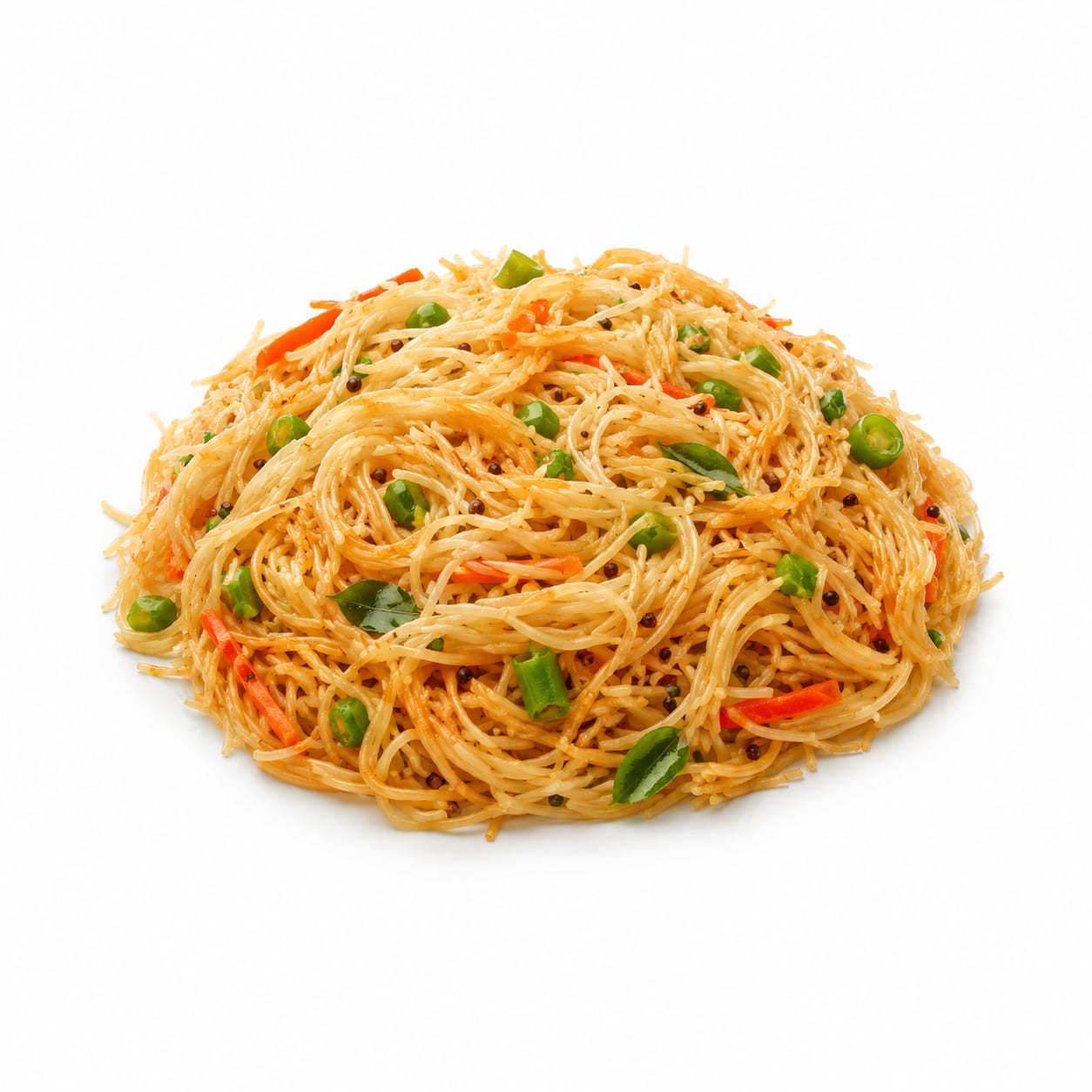
Vermicelli
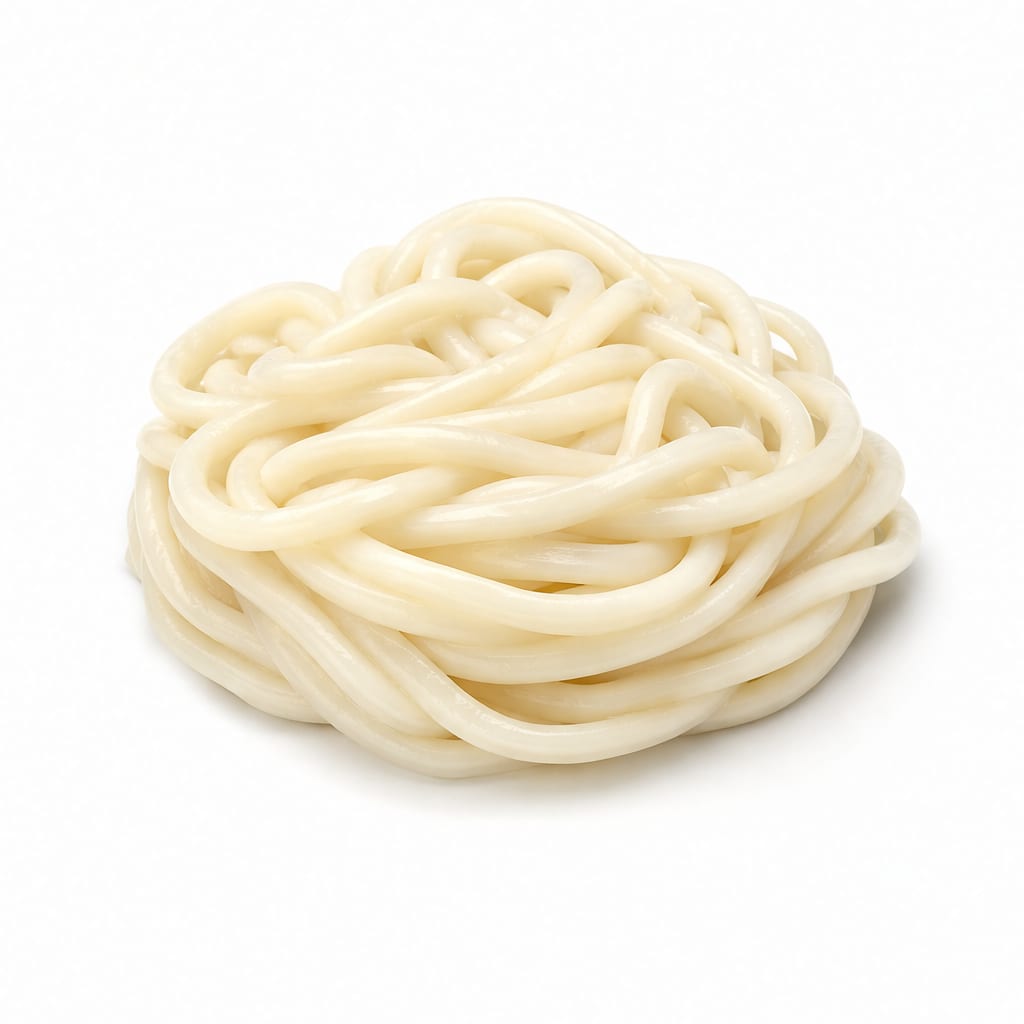
Udon noodles
Vermicelli wins for lighter meals and gluten-free needs, while udon delivers more satisfying, filling bowls that keep you fuller longer.
Vermicelli edges ahead slightly due to lower sodium, gluten-free compatibility, and faster cooking, but udon's superior satiety keeps it competitive. Neither is a nutritional powerhouse—both are refined carb bases that depend heavily on what you pair them with.
Vermicelli offers lower calories and no gluten but less staying power, whereas udon provides hearty satisfaction at the cost of higher sodium and gluten content.
At a glance
Executive summary
Overall
It depends
Healthier
It depends
More practical
Vermicelli
Daily use
It depends
Key comparison lenses
blood sugar and glycemic impact
Both are refined carbohydrate staples with different glycemic profiles that significantly affect energy and hunger
satiety and meal satisfaction
Udon's thickness and chewiness provide more fullness while vermicelli's lightness may leave you hungry sooner
sodium and heart health
Udon dough contains significant salt while rice vermicelli is naturally very low sodium
gluten sensitivity and digestive tolerance
Rice vermicelli is naturally gluten-free whereas udon is wheat-based and high gluten
weight management and calorie control
Different calorie densities and satiety levels affect portion control and overeating risk
cooking convenience and meal prep
Vermicelli cooks in minutes while udon requires longer boiling, affecting practical daily use
Best choice for
Vermicelli
- Gluten-sensitive individuals and celiac diners
- Light lunch or hot-weather meals when you want something less heavy
- Low-sodium diets and blood pressure management
- Quick weeknight cooking under 5 minutes
- Vietnamese and Thai cuisine enthusiasts
Udon noodles
- Active people needing sustained energy and fullness
- Cold-weather comfort meals that feel substantial
- Post-workout refueling with satisfying carbs
- Those who struggle with feeling hungry after noodle dishes
- Japanese cuisine lovers seeking authentic texture
Least suitable for
Vermicelli
- Very active individuals needing long-lasting satiety
- Those prone to blood sugar spikes from refined carbs
- People seeking a hearty, comforting meal experience
- Anyone watching portion sizes who finds thin noodles easy to overeat
Udon noodles
- Anyone with celiac disease or gluten sensitivity
- Low-sodium diets or hypertension management
- Quick meal prep when time is extremely limited
- Those preferring lighter, less dense meals
Deep comparison
Dimension by dimension
Each lens scores both foods and breaks down who each option suits.
- Dimension 1 · Priority 92Udon noodles
blood sugar stability
Vermicelli · 35Udon noodles · 45Both spike blood sugar as refined carbs, but udon's thicker texture slows digestion slightly compared to vermicelli's rapid absorption.
Tradeoff
Vermicelli digests faster, causing quicker blood sugar rises, while udon's density provides marginally steadier glucose release.
Why it matters
If you're prone to afternoon energy crashes or managing prediabetes, even small differences in glycemic response affect how you feel hours after eating.
Real-world impact
A vermicelli bowl at noon may leave you reaching for a snack by 2pm, while udon might carry you to 3pm before hunger returns.
Vermicelli
- Smaller portions where quick energy is the goal
- Pre-workout meals when you want fast-digesting fuel
Better for
- Diabetes or insulin resistance management
- Sustained energy without snacking
Worse for
Udon noodles
- Longer gaps between meals without crashing
- More stable energy through the afternoon
Better for
- Late-night meals when you want lighter digestion
- Anyone counting total carb load per meal
Worse for
- Dimension 2 · Priority 88Udon noodles
satiety and fullness
Vermicelli · 40Udon noodles · 72Udon's thick, chewy bite delivers significantly more fullness per serving than vermicelli's delicate strands.
Tradeoff
You feel more satisfied after udon but consume more calories and sodium to get that fullness.
Why it matters
Satiety is the single biggest factor in whether a meal actually holds you or sends you snacking an hour later.
Real-world impact
A udon bowl feels like a real meal. A vermicelli bowl often feels like a starter unless loaded with protein and vegetables.
Vermicelli
- Hot days when heavy meals feel unappealing
- Smaller appetites and light eaters
Better for
- Emotional eaters who need meals to feel substantial
- Long workdays without snack access
Worse for
Udon noodles
- Active people burning through meals quickly
- Anyone tired of feeling hungry right after eating noodles
Better for
- Those who find heavy meals cause afternoon sluggishness
- Small appetites that feel uncomfortable after large portions
Worse for
- Dimension 3 · Priority 85Vermicelli
sodium and heart health
Vermicelli · 82Udon noodles · 35Rice vermicelli is naturally very low in sodium, while udon dough requires substantial salt for its signature texture.
Tradeoff
Choosing udon means accepting 400-800mg of sodium per serving before any broth or sauce is added.
Why it matters
For the 1 in 3 adults with hypertension, hidden sodium in staple foods silently raises blood pressure risk.
Real-world impact
A single udon bowl with broth can deliver half your daily sodium allowance. Vermicelli with similar toppings stays far lower.
Vermicelli
- Blood pressure management
- Heart-healthy eating patterns
- Kidney disease requiring sodium restriction
Better for
- Situations where electrolyte replenishment is the priority
Worse for
Udon noodles
- Post-sweat rehydration when sodium replenishment is actually helpful
- Very low-sodium overall diets where one higher-sodium meal is fine
Better for
- Hypertension and cardiovascular risk
- Daily consumption without careful tracking
- Restaurant meals where sodium control is impossible
Worse for
- Dimension 4 · Priority 80Vermicelli
gluten and digestive tolerance
Vermicelli · 90Udon noodles · 25Rice vermicelli is naturally gluten-free, making it safe for celiac and gluten-sensitive individuals. Udon is pure wheat.
Tradeoff
If gluten is not a concern, udon's wheat protein contributes to its satisfying chew. If it is, vermicelli is the clear choice.
Why it matters
Roughly 6-7% of the population has gluten sensitivity, and even trace gluten in udon causes real digestive distress.
Real-world impact
For gluten-sensitive people, udon means bloating and discomfort. Vermicelli lets them enjoy noodle dishes without worry.
Vermicelli
- Celiac disease and gluten intolerance
- Irritable bowel syndrome triggered by wheat
- Reducing overall wheat consumption
Better for
- None related to gluten tolerance
Worse for
Udon noodles
- No specific digestive advantage—only relevant when gluten is not a concern
Better for
- Any degree of gluten sensitivity or celiac disease
- Wheat-dependent exercise-induced anaphylaxis
Worse for
- Dimension 5 · Priority 78Vermicelli
calorie density and portion control
Vermicelli · 68Udon noodles · 45Vermicelli's lighter weight per volume makes it easier to control portions, while udon's density packs more calories per bowl.
Tradeoff
Lower calorie density helps with weight management but may leave you less satisfied, creating a portion-control paradox.
Why it matters
People consistently eat by volume, not weight. A large bowl of either feels like one serving, but calorie counts differ significantly.
Real-world impact
A heaping bowl of udon can easily hit 400+ calories before toppings. The same visual portion of vermicelli might be 250-300.
Vermicelli
- Calorie counting and weight loss phases
- Flexible dieting where you want room for other foods
Better for
- Those who find low-calorie meals trigger overeating later
Worse for
Udon noodles
- Bulking phases when calorie surplus is the goal
- Athletes needing efficient calorie intake
Better for
- Unintentional overconsumption when eating large bowls
- Weight management without careful portion measuring
Worse for
- Dimension 6 · Priority 70Vermicelli
cooking convenience and speed
Vermicelli · 88Udon noodles · 50Vermicelli cooks in 2-3 minutes while udon typically requires 8-12 minutes, making vermicelli far more weeknight-friendly.
Tradeoff
Faster cooking means less meal prep time but also less opportunity for flavors to develop in the cooking liquid.
Why it matters
When cooking feels like a chore, convenience determines whether you actually make the meal or order takeout instead.
Real-world impact
Vermicelli is ready almost as fast as instant ramen. Udon requires planning and patience that busy schedules don't always allow.
Vermicelli
- Busy weeknights with limited cooking time
- Meal prep beginners wanting quick wins
- Last-minute meals from pantry staples
Better for
- Dishes where noodle texture benefits from longer cooking
Worse for
Udon noodles
- Weekend cooking when time pressure is low
- Soups where longer cooking enriches the broth
Better for
- Time-crushed weeknight dinners
- Meal prepping large batches quickly
Worse for
- Dimension 7 · Priority 65It depends
culinary versatility
Vermicelli · 70Udon noodles · 70Vermicelli excels in light, fresh dishes and stir-fries, while udon shines in hearty soups and bold sauces. Different strengths.
Tradeoff
Neither substitutes well for the other—each belongs in its own culinary tradition and performs poorly outside it.
Why it matters
Trying to make pad thai with udon or tempura udon with vermicelli leads to disappointing texture mismatches.
Real-world impact
Choose based on the cuisine you're cooking. Vermicelli for Vietnamese, Thai, and light salads. Udon for Japanese soups and stir-fries.
Vermicelli
- Fresh spring rolls and cold noodle salads
- Light stir-fries where delicate texture matters
- Soups where you want the broth to dominate
Better for
- Heavy, sauce-rich dishes that overwhelm thin noodles
- Any dish requiring a substantial chewy bite
Worse for
Udon noodles
- Hearty soups and hot pot dishes
- Stir-fries where chewy texture stands up to bold sauces
- Cold noodle dishes with thick dipping sauces
Better for
- Delicate, light preparations where heaviness is unwelcome
- Raw or barely-cooked applications like fresh rolls
Worse for
Timeline
Health impact over time
Short-term
Hours to days
Vermicelli
- Quick energy from rapidly digesting refined carbohydrates
- Light feeling in the stomach shortly after eating
- Possible hunger returning within 1-2 hours if eaten without protein
- Very low sodium load reduces bloating and thirst
Udon noodles
- More sustained fullness lasting 2-3 hours due to thicker texture
- Heavier sensation that some find comforting and others find sluggish
- Higher sodium may cause thirst and mild water retention
- Chewy texture promotes slower eating, which aids digestion signals
Long-term
Months to years
Vermicelli
- Frequent consumption as a base without protein or vegetables may contribute to blood sugar dysregulation
- Low sodium content supports healthier blood pressure over time
- Gluten-free nature reduces chronic inflammation risk for sensitive individuals
- Easy portion control supports weight maintenance
Udon noodles
- Regular high-sodium intake from udon and its broth increases hypertension risk
- Satisfying texture may reduce overall snacking, indirectly supporting weight management
- Wheat-based diet contributes to gluten exposure that matters for sensitive individuals
- Heavy, comforting meals may support emotional eating patterns if not monitored
Risk profile
Safety & processing
Both are processed foods made from refined grains, but neither typically contains concerning artificial additives. Rice vermicelli is usually just rice flour and water. Udon is wheat flour, salt, and water. The main concern is the refinement itself—both lack the fiber and nutrients of whole grain alternatives.
Vermicelli
arsenic exposure from rice
mediumRice-based vermicelli can contain trace arsenic, especially from rice grown in certain regions. Occasional consumption is low risk, but daily rice noodle intake may warrant sourcing from lower-arsenic regions.
contamination in dried storage
lowDried vermicelli is shelf-stable and rarely contaminated when stored properly, though humidity can introduce mold in tropical climates.
Udon noodles
high sodium contribution to daily intake
mediumUdon dough itself contains significant salt, and restaurant preparations with broth can deliver 1000-2000mg sodium per meal, approaching or exceeding daily limits.
wheat allergen and gluten exposure
highFor the approximately 1% with celiac disease and 6% with gluten sensitivity, udon poses a serious and immediate digestive threat.
Who wins for whom
Audience fit
Same foods, different winners depending on your goal.
children
Udon noodlesKids enjoy udon's fun, chewy texture and soft bite, and the sodium is less concerning for active growing children. Vermicelli's thin strands can be tricky for younger kids to manage.
daily consumption
VermicelliLower sodium and gluten-free compatibility make vermicelli more sustainable as a daily staple, assuming meals include adequate protein and vegetables.
diabetes
Udon noodlesNeither is ideal, but udon's thicker texture digests slightly slower, causing a marginally less sharp blood sugar spike. Both require pairing with protein, fat, and fiber.
elderly
VermicelliLower sodium supports cardiovascular health, and softer, thinner noodles are easier to chew and digest for aging digestive systems and dental concerns.
muscle gain
Udon noodlesUdon provides more calories and slightly more protein per serving, plus the satisfying carbs help fuel training and recovery when eaten in larger portions.
weight loss
VermicelliLower calorie density and sodium make vermicelli easier to fit into calorie-controlled meals, though adding protein and vegetables is essential for either noodle to support weight loss.
Your move
Decision guide
Choose Vermicelli
- You are gluten-sensitive, celiac, or reducing wheat intake
- You want lighter meals that won't leave you feeling heavy
- You're watching sodium for blood pressure or heart health
- You need dinner on the table in under 10 minutes
- You prefer Southeast Asian flavors and fresh, bright dishes
Choose Udon noodles
- You find regular noodle bowls leave you hungry too quickly
- You want comfort food that feels like a real, satisfying meal
- You're cooking Japanese cuisine and want authentic texture
- You're an active person who burns through lighter meals
- It's cold out and you crave something hearty and warming
Either works if
- You're building a balanced bowl with plenty of protein and vegetables
- Neither noodle is your primary nutrient source—just a carb base
- You rotate between different cuisines throughout the week
Avoid both if
- You're strictly limiting refined carbohydrates for metabolic health
- You need high-fiber, whole grain options for blood sugar management
- You're following a grain-free or paleo-style eating approach
Final recommendation
Let your body and your meal context decide. Choose vermicelli when you want something light, quick, and gluten-free. Choose udon when satisfaction and staying power matter more. For either, the real nutritional difference comes from what you add—lean protein, colorful vegetables, and moderate sauce transform both from empty carbs into balanced meals.
Practical
Consumer tips
- 1
Always check ingredients: some vermicelli is wheat-based, not rice-based. If you need gluten-free, verify it says rice vermicelli.
- 2
Rinse both noodles after cooking to remove surface starch that makes them gummy and raises glycemic impact.
- 3
Add protein like tofu, shrimp, or chicken to either noodle to slow digestion and stabilize blood sugar.
- 4
Use low-sodium broth with udon to cut the total sodium load by 50% or more.
- 5
Choose whole wheat udon when available—it has more fiber and nutrients with similar texture.
- 6
Vermicelli pairs well with acid (lime, vinegar) which slows gastric emptying and softens blood sugar spikes.
- 7
If eating udon at restaurants, ask for broth on the side to control how much sodium you consume.
- 8
Both freeze well after cooking—make extra and portion for quick future meals.